





Antique Mirror Back Stand
An antique mirror back stand brings deep reflection and polished wood into a room, combining practical storage with a decorative glass panel.
Antique Mirror Back Stand
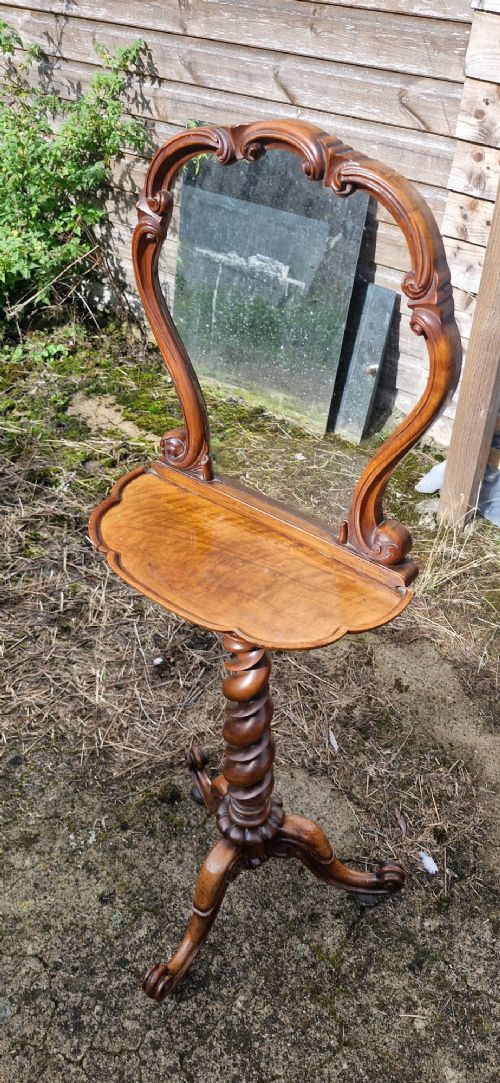
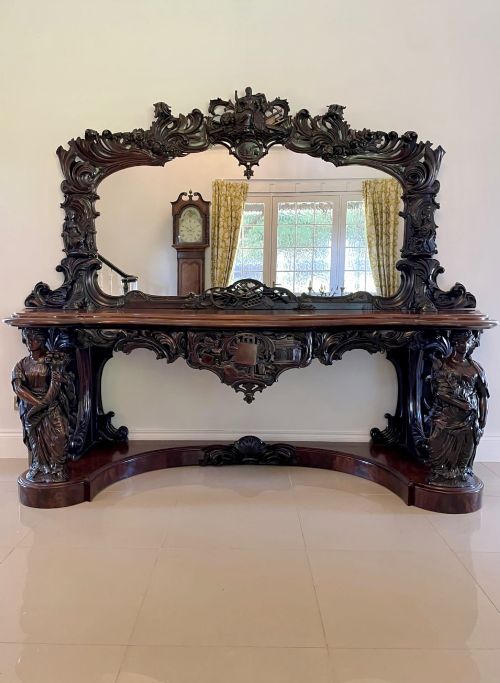
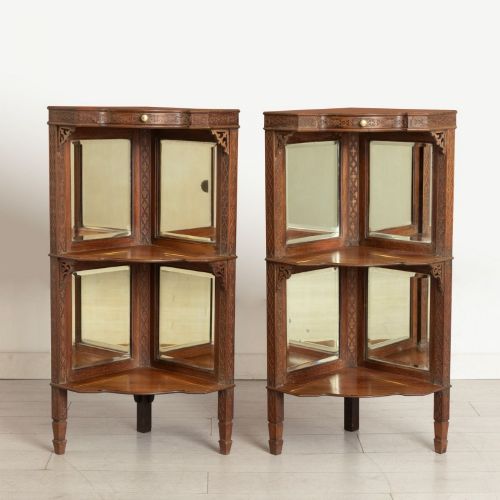
When you search for an antique mirror back stand, you encounter substantial furniture pieces designed to hold items while reflecting light into a space. These pieces combine a wooden frame or cabinet base with an integrated upright mirror section.
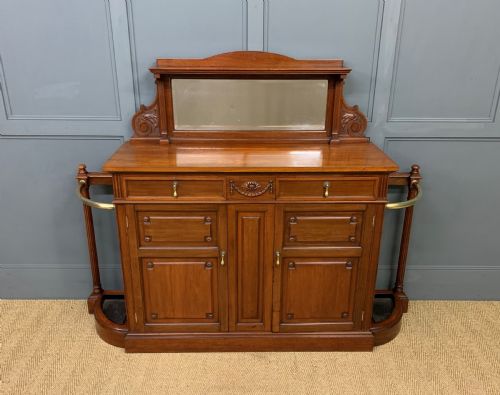
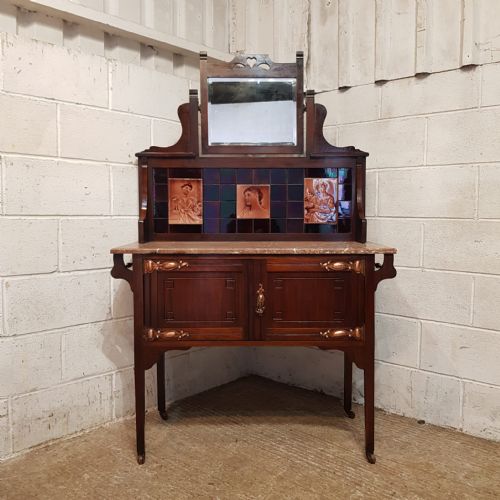
The versions you are most likely to meet on this page originate primarily from the Victorian and Edwardian periods. They appear in forms such as hall stands, washstands, and credenzas built from timbers like mahogany, walnut, and oak.
Materials and Techniques
Cabinet makers utilised dense hardwoods including mahogany, walnut, and pollard oak, often applying marquetry stringing or gilt highlights to enrich the surfaces. Marble tops appear on washstands and console variants to provide a durable, water-resistant working surface.
Mirrors were set securely into carved wooden frames or upright panels, sometimes accompanied by brass hooks, ormolu mounts, and tiled or glazed compartments. Joinery techniques relied on solid timber construction designed to support heavy marble slabs and reflective glass plates.
Some hall stands double as coat racks with integrated umbrella wells, ensuring visitors faced their reflections before stepping out into the rain.
Assessing Quality
The distinction between standard examples and top-tier pieces rests on the choice of timber figures, such as burr walnut or figured mahogany, and the crispness of carved details. Superior items often bear attribution to notable makers or exhibit exhibition-quality marquetry and heavy ormolu mounts.
Construction depth dictates longevity, separating mass-produced furniture from pieces built with substantial framing and original, unaltered mirror glass. The integration between the lower cabinet or stand and the upper mirror superstructure reveals the maker's architectural consideration.
Shoolbred & Co.·Collinson & Lock·Edwards & Roberts
The Antique Mirror Back Stand Glossary
- Mirror back stand
- A furniture piece featuring an integrated upright mirror attached to a lower storage base, console, or hall stand. This form combines functional surface space with reflective glass.
- Credenza
- A low cabinet or sideboard, frequently fitted with a mirror back during the Victorian era. These pieces often display burr walnut veneers and decorative mounts.
- Washstand
- A stand designed for ablutions, sometimes incorporating a mirror back and a marble top. They frequently date from the Edwardian and late Victorian periods.
- Marquetry
- The art of applying decorative pieces of veneer to a structure to form intricate patterns. Makers utilised contrasting woods to create geometric or floral designs on cabinet doors and panels.
- Pollard oak
- Oak timber taken from pollarded trees, yielding a tightly clustered, knobbly grain pattern. Cabinet makers prized this wood for its decorative qualities on large sideboard and credenza doors.
Antique Mirror Back Stand: Frequently Asked Questions
What rooms suit an antique mirror back stand?
Hall stands and console versions suit entrance spaces, where the mirror provides a final check before departure. Larger credenzas and display cabinets function well in dining rooms or reception spaces.
The reflective glass panel helps distribute natural light across darker corners, making these pieces practical for brightening smaller hallways.
How do I distinguish Victorian from Edwardian stands?
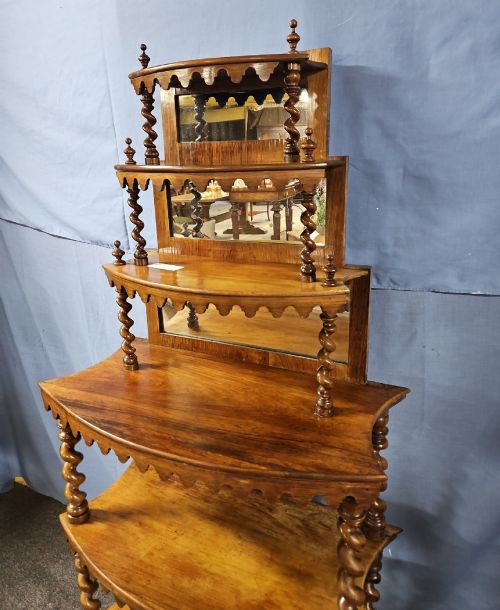
Victorian stands typically display heavier carvings, darker woods like rosewood and burr walnut, and rich ormolu mounts or barley twist supports. Edwardian pieces often present lighter mahogany frames with simpler geometric inlay and less ornate crests.
Examining the secondary timbers and the style of the mirror bevel can also help confirm the manufacturing era.
Were mirror panels replaced originally?
Mirror glass was occasionally replaced if silvering deteriorated over decades of exposure to damp environments. Original glass often shows minor foxing or light blemishes in the silver backing.
Inspect the mirror plate thickness and its seating within the wooden rebate to judge whether it remains undisturbed from the period of manufacture.
How should I care for the wood and glass?
Maintain the timber surfaces with a traditional beeswax polish applied sparingly to nourish the grain. Avoid modern silicone sprays that can penetrate old finishes and degrade the wood over time.
Clean the mirror glass using a soft cloth and a gentle glass cleaner, taking care not to let moisture seep behind the wooden frame edge.