

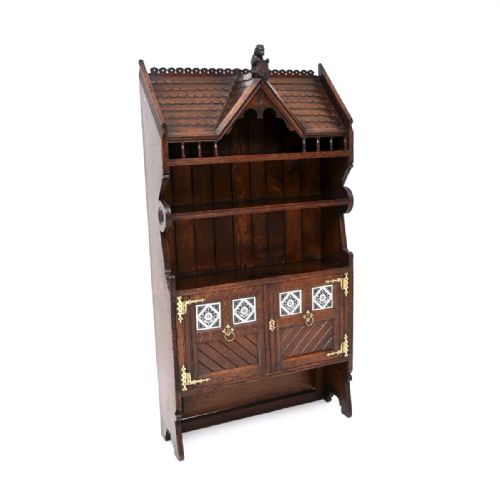
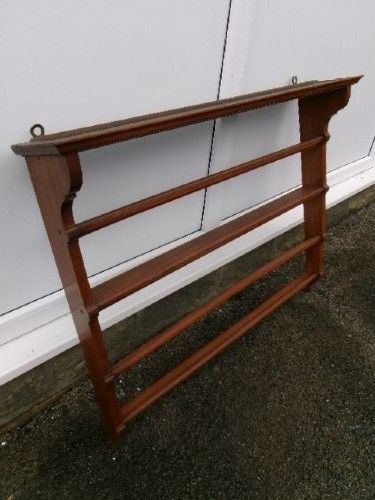
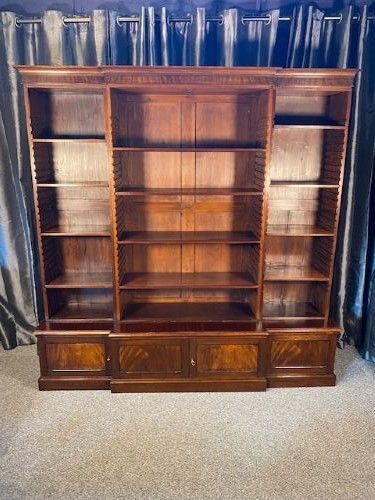
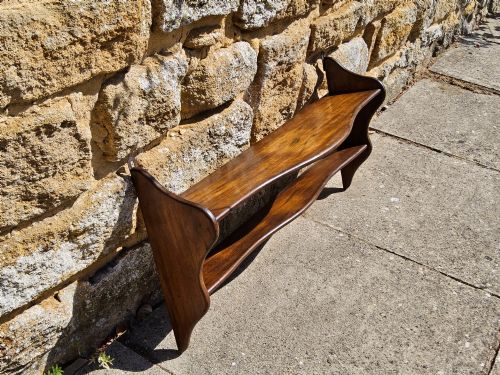
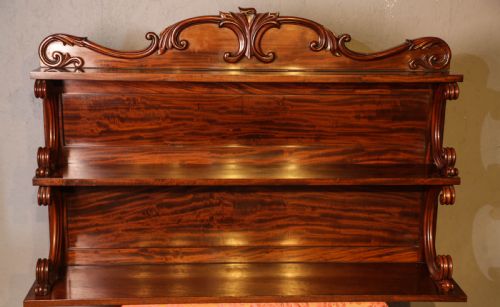


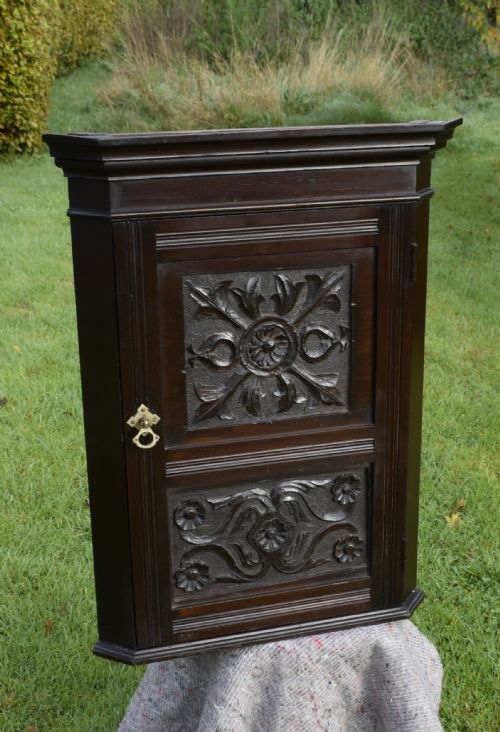
Victorian Carved Wall Unit
A victorian carved wall unit brings nineteenth-century craftsmanship and practical display space to any room.
Victorian Carved Wall Unit
The selections available here range from simple pine kitchen racks and oak corner cabinets to elaborate mahogany display shelves and inlaid olive wood corner pieces. Buyers will frequently encounter wall-mounted bookcases and walnut cabinets that reflect the domestic tastes of the period.
Origins and periods stretch from the eighteenth century through the Victorian era into the early twentieth century, incorporating revival styles like Chippendale, Rococo, and Gothic. This variety means units can range from rustic country workshops to more formal urban drawing rooms.
Materials and construction
Cabinetmakers utilised a broad palette of timbers including mahogany, oak, walnut, pine, cherry wood, limewood, amboyna, and flame mahogany veneer. These hardwoods and softwoods were chosen for their grain patterns and structural suitability, often complemented by brass hardware or inlaid details.
Construction relied on traditional joinery techniques appropriate for hanging weights, securing shelves and corner cupboards safely to walls. Carved ornamentation, whether geometric, floral, or gothic, was executed directly into the solid timber or applied via moulded elements.
Victorian Carved Wall Unit Retail Price Guide 2026
Typical asking prices for victorian carved wall unit among the pieces listed under this phrase on Sellingantiques today, from the lower quarter to the upper quarter. They describe what is for sale here now, not the wider market.
Listings span the nineteenth century, featuring materials from native oak and pine to exotic amboyna, alongside walnut, mahogany, and brass.
Assessing quality
Quality rests upon the depth and crispness of the carving, the selection of figured veneers, and the integrity of the timber joints. Pieces showing hand-chiselled detail rather than mechanical stamping represent a higher standard of workshop production.
The condition of the original timber surfaces, the presence of matching brass fittings, and the structural balance of hanging points distinguish finer examples from utilitarian storage items.
The Victorian Carved Wall Unit Glossary
- Etagere
- A set of open shelves for displaying small ornaments and knick-knacks. These tiered pieces often feature delicate turned supports and mirror Victorian parlour aesthetics.
- Corner Cupboard
- A storage unit designed specifically to fit into the internal corner of a room. They maximise space utilisation and often feature panelled doors concealing internal shelving.
- Flame Mahogany Veneer
- A thin decorative slice of mahogany timber exhibiting a flamelike pattern. Cabinetmakers applied this over a secondary wood base to create striking visual movement on cupboard doors.
- Giltwood
- Timber that has been coated with a thin layer of gold leaf or gilt paint. This finish was frequently used on decorative nineteenth-century display shelves to catch the light.
- Whatnot
- A piece of furniture consisting of a series of open shelves above one another. They were popular in Victorian interiors for holding books and decorative objects.
Victorian Carved Wall Unit: Frequently Asked Questions
How do I hang a heavy antique wall unit safely?
Ensure the fixing points match the internal wooden battens of the cabinet rather than relying solely on the backing boards. Use heavy-duty wall anchors appropriate for your wall type.
Distribute the weight evenly across the shelves once mounted, placing heavier books or ceramics on the lower tiers to maintain stability.
What rooms suit a hanging corner cupboard best?
Kitchens, dining rooms, and hallways benefit most from corner units because they utilise dead architectural space efficiently. They provide enclosed storage for tableware or display space without crowding narrow walkways.
Matching the timber tone to existing furniture helps the unit integrate naturally into the room's proportions.
How should I clean carved wooden shelves?
Dust intricate carvings regularly with a soft-bristled brush to prevent dirt accumulation in the recesses. Avoid abrasive cloths that might catch on older wood fibres.
Apply a microcrystalline wax periodically to nourish the timber surface without building up excessive residue in the carved details.
How do I tell a Victorian piece from an earlier one?
Examine the timber preparation marks, fastener types, and construction methods visible on the reverse and interior surfaces. Machine-sawn boards and brass screws often point towards the nineteenth century.
Stylistic markers such as Gothic revival motifs or flame mahogany veneers also help align a piece with Victorian manufacturing periods.