
Victorian Carved Wall Shelves
Victorian carved wall shelves bring architectural display space to a room, holding small treasures with distinctive period presence.
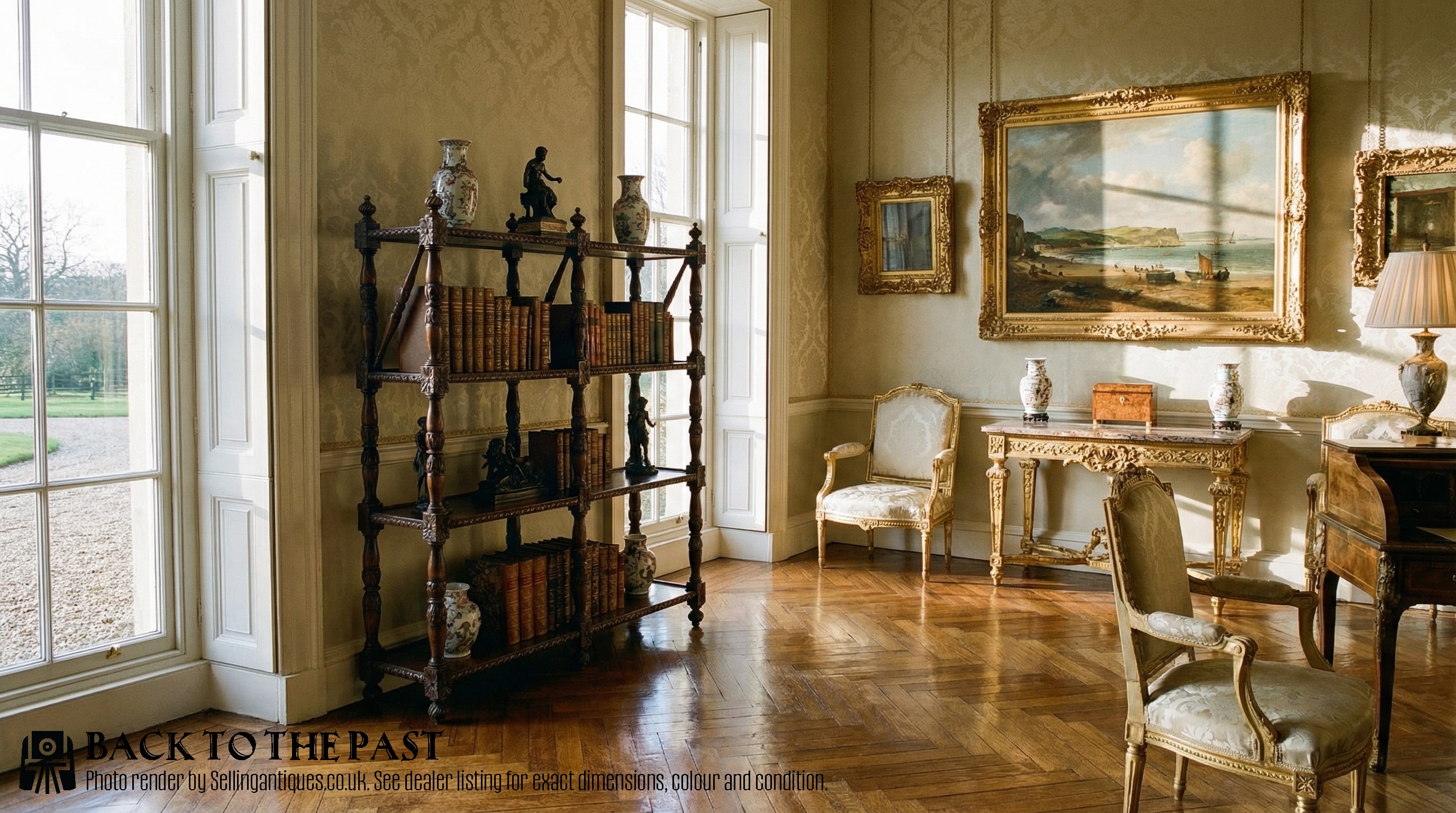
Victorian Carved Wall Shelves
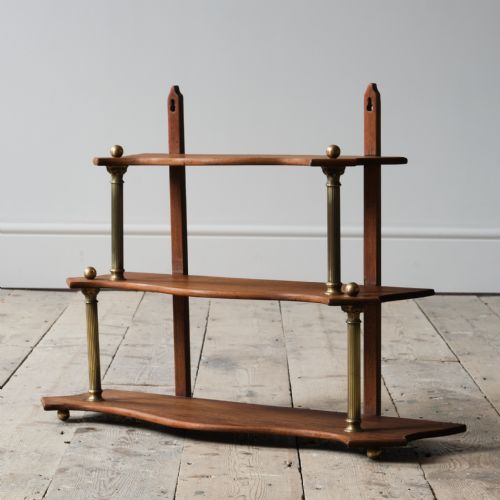
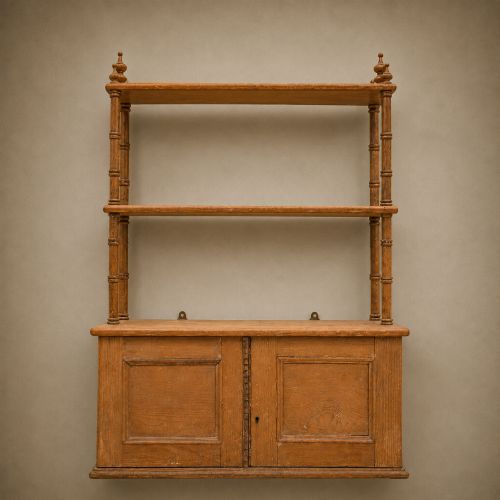
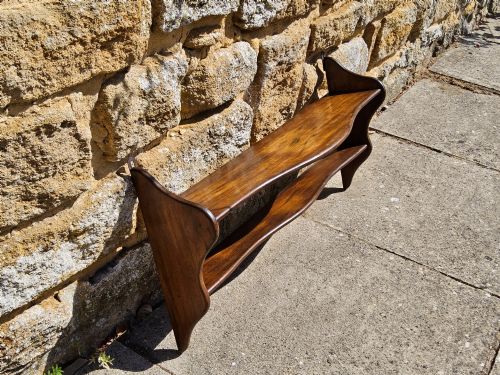
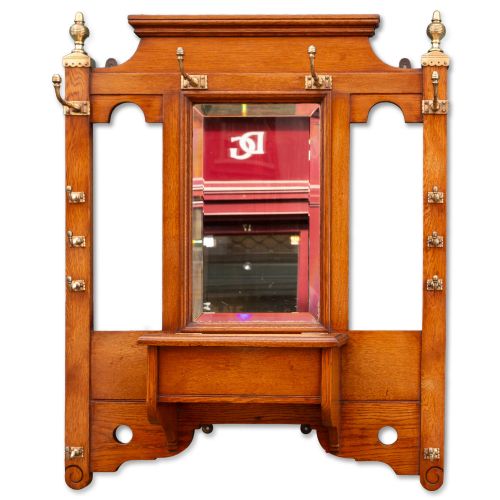
When you search for victorian carved wall shelves, you encounter hanging ledges and tiered timber tiers designed to mount directly onto plaster surfaces. These pieces display cabinet porcelain, books, and ornaments within domestic interiors.
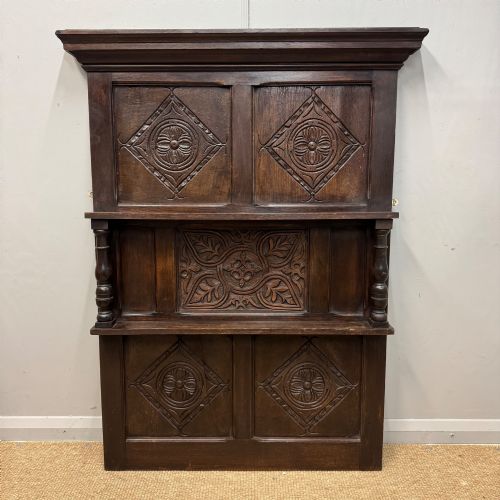
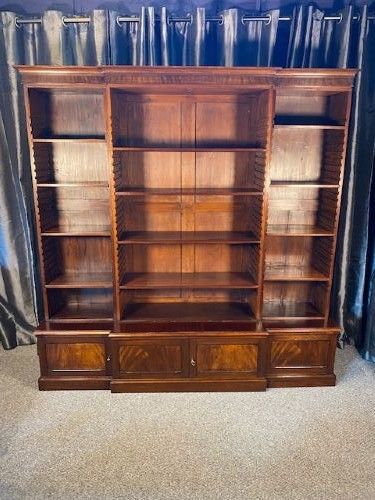
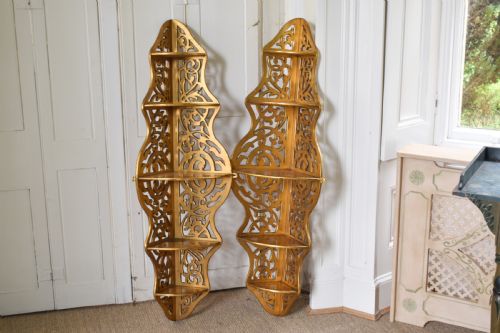
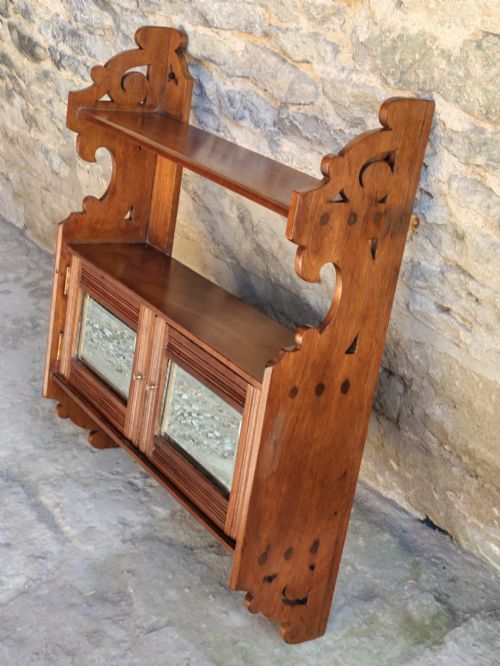
The examples on this page span walnut, mahogany, oak, and pine, often arriving in forms ranging from simple corner units to multi-tiered hanging cabinets. You will frequently find pieces carrying the heavy carving typical of the period alongside lighter revival styles.
Origins stretch across British workshops and continental makers, reflecting diverse aesthetic influences from Gothic revival to Moorish design. The surviving inventory prioritises functional wall storage combined with decorative woodcarving.
How they were made
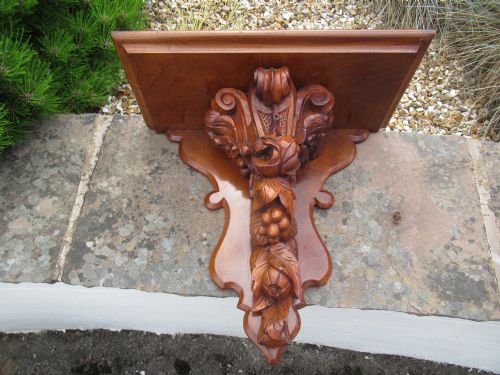
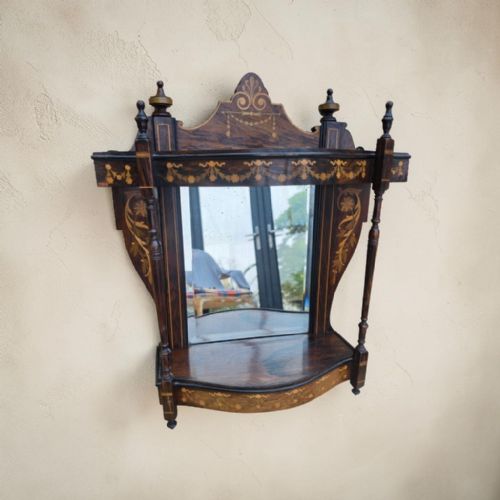
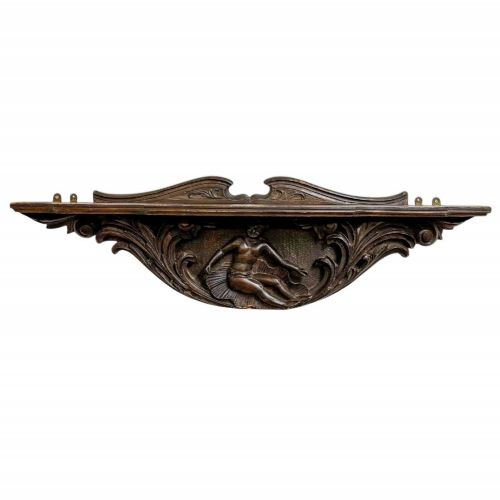
Cabinetmakers utilised dense timbers such as walnut, mahogany, and oak, selecting them for their grain and structural stability under load. These woods were shaped using traditional hand tools, allowing craftsmen to execute deep relief carving and pierced fretwork on friezes and brackets.
Secondary construction relied on pine and beech for backboards and internal partitions, joined with concealed fixings and dovetail joints. Surface finishing involved polishing with shellac or wax to seal the timber and accentuate the natural figuring of the grain.
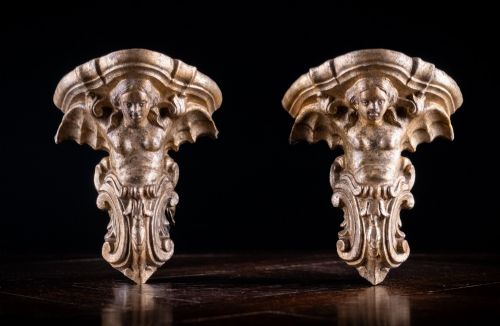
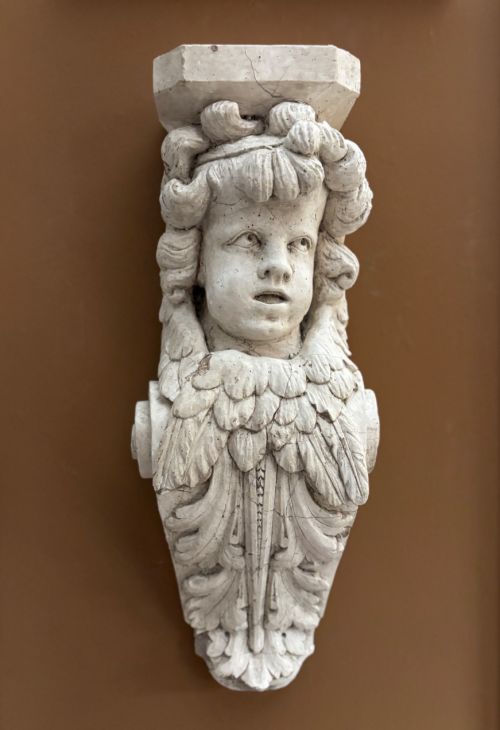
A tiny wooden putto watches over the wall from a mid-nineteenth-century corbel.
What varies in quality
The depth and crispness of the hand carving separate standard commercial output from superior workshop production. Sharp undercutting and defined details indicate a maker with high technical skill, whereas shallow, rounded moulding suggests mass production.
Timber selection dictates the overall presence of a piece, with figured walnut and dense mahogany holding a superior finish compared to plain secondary woods. Original brass suspension hardware and intact structural joints further distinguish the finest examples.
Liberty and Co·John Moyr Smith·Connell of London
The Victorian Carved Wall Shelves Glossary
- Corbel
- A projecting bracket carved from wood or stone to support a superincumbent weight. In wall shelving, these provide both structural bracing and decorative relief underneath the lower tier.
- Giltwood
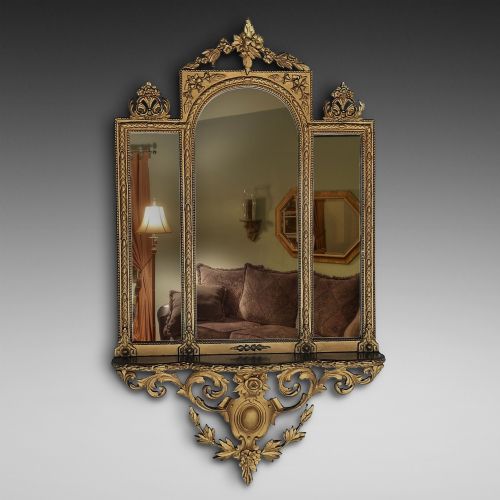
- Timber that has been coated with a thin layer of gold leaf or gesso and gilding. This finish is frequently found on decorative brackets and mirror frames from the period.
- Overmantel
- A decorative panel, mirror, or shelf unit designed to sit directly above a fireplace mantelpiece. They often incorporate small display ledges and carved framing.
- Fretwork
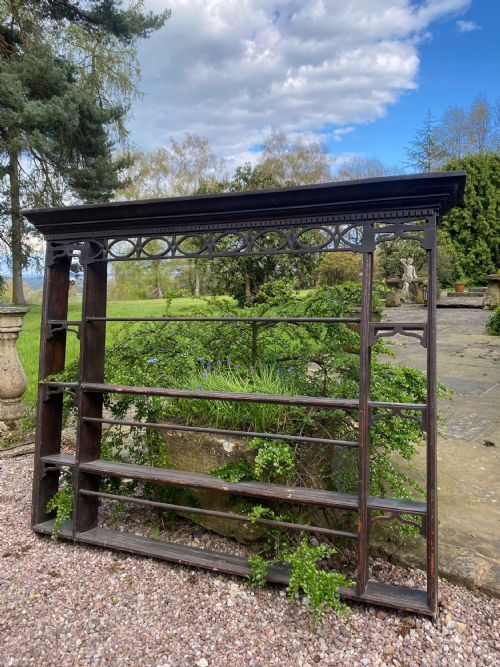
- Openwork ornamentation carved in wood by means of a fretsaw or gouges. This technique creates delicate, lace-like patterns along the friezes of hanging shelves.
- Aesthetic Movement
- A late nineteenth-century design ethos emphasising art for art's sake and drawing inspiration from Japanese motifs. Pieces from this circle display cleaner lines and stylised floral carving.
Victorian Carved Wall Shelves: Frequently Asked Questions
How do I hang antique wall shelves securely?
Check the weight capacity of the original hanging loops or brackets fixed to the backboard. Use appropriate wall anchors suited to your plaster or brick construction.
Distribute weight evenly across the tiers to prevent strain on historical joints and fixings.
Were these shelves meant for books or ornaments?
Makers designed these pieces for various domestic uses, including small books, porcelain, and decorative plates. Narrow ledges suit cabinet plates and figurines.
DeEper or sturdier variants accommodate portable bookshelves and small display cabinets.
How do I clean carved wooden shelves?
Dust the intricate carvings gently with a soft-bristled brush to remove particulate buildup. Avoid harsh modern chemical sprays that can strip the historic polish.
Apply a microcrystalline wax sparingly to nourish the timber when the surface appears dry.
How can I tell a Victorian piece from a later copy?
Examine the construction methods, tool marks on the secondary timbers, and the patina of the wood finish. Victorian makers used specific joining techniques and hand-cut screws.
Look for consistent wear patterns and natural ageing within the grain and carving recesses.