


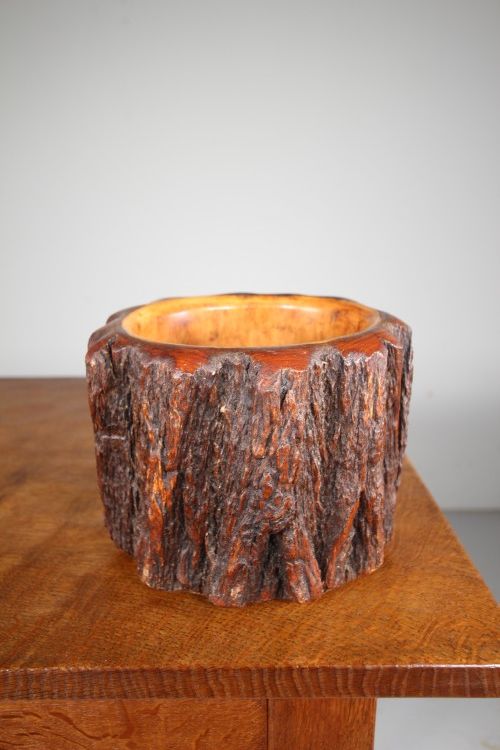


Victorian Carved Treen
Victorian carved treen brings together small, functional wooden objects shaped by hand for daily domestic tasks and personal keepsakes.
Victorian Carved Treen
Victorian carved treen encompasses a wide variety of domestic wooden objects, ranging from utilitarian kitchenalia to intricate personal items like snuff boxes and knitting sheaths. Buyers seeking these items will encounter functional household pieces alongside folk art and decorative tokens.
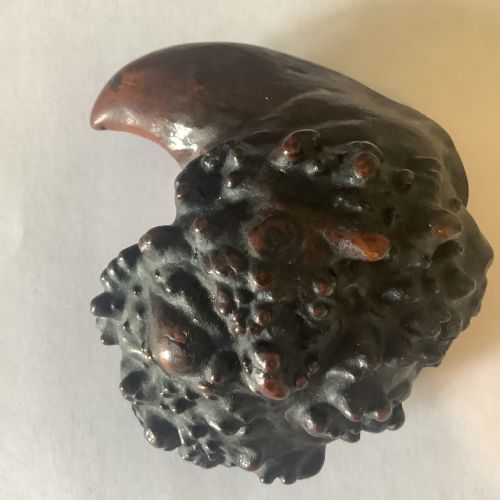
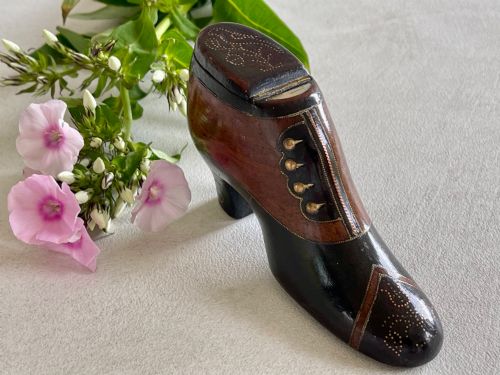
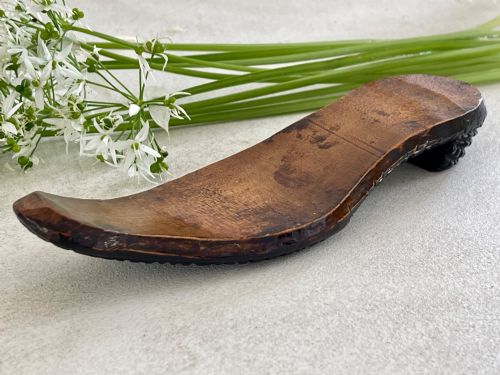
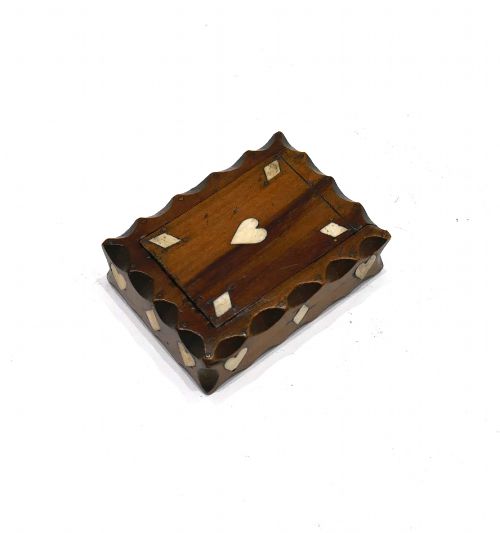
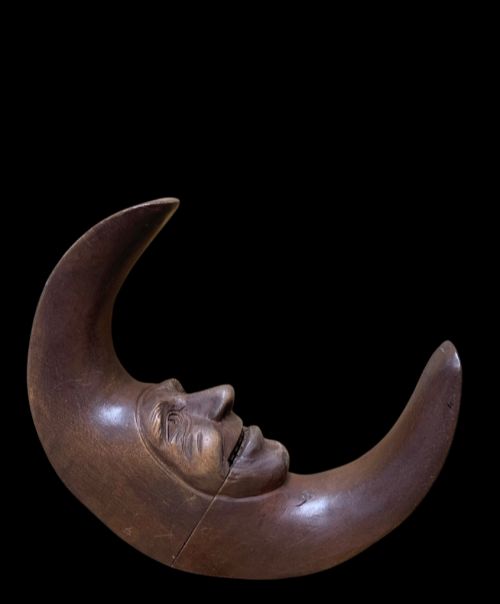
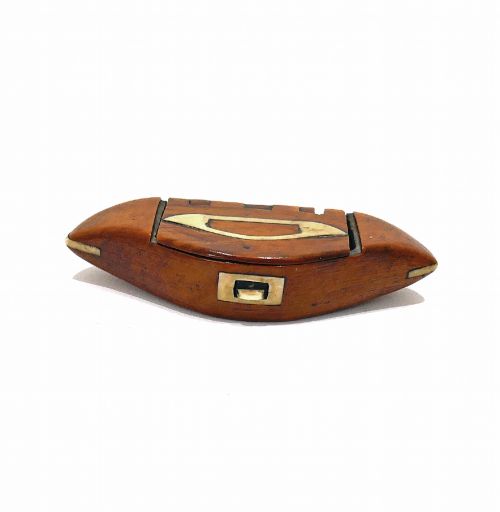
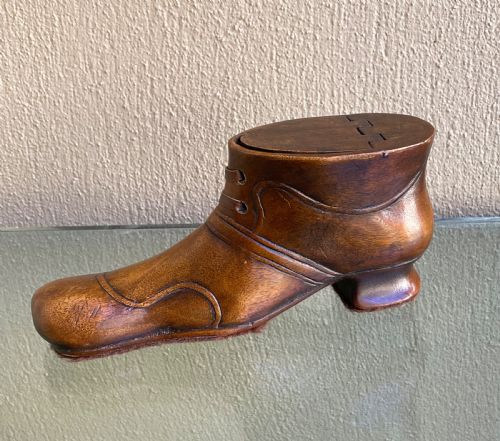
The objects recorded here include small receptacles such as snuff boxes shaped like shoes or books, kitchen utensils like butter prints and nutcrackers, and personal love tokens including lovespoons and puzzle balls. These items reflect the domestic life and manual craftsmanship of the nineteenth century.
Most examples originate from British traditions, with specific regional pieces such as Welsh lovespoons and Cumbrian knitting sheaths appearing alongside turned bowls and candlesticks. The material is predominantly timber, shaped through turning, carving, and chip carving.
How they were made
Makers utilised a variety of native and imported timbers, including fruitwood, sycamore, walnut, lignum vitae, and burr walnut, selecting specific woods for their grain and density. Dense hardwoods like lignum vitae served for turned items requiring weight, such as candlesticks, while fruitwoods and sycamore provided a stable surface for detailed carving and chip carving.
Construction techniques combined lathe turning with hand carving, often incorporating secondary materials like bone inlay for decorative contrast on snuff boxes and containers. Punchwork, chip carving, and incised details added surface pattern to utilitarian objects, transforming everyday items into decorated keepsakes.
Victorian craftsmen carved snuff boxes into the exact shapes of shoes, books, fruit, and even a hand pinching snuff.
What varies in quality
Quality in Victorian carved treen rests upon the crispness of the hand-carved detail and the preservation of the original surface patina. Pieces exhibiting deep, deliberate tool work and well-defined figural forms stand apart from simpler, more heavily worn examples.
The integration of decorative elements, such as precise bone inlay or balanced proportions in turned items, distinguishes superior carving. The visual warmth developed through handling and age also contributes to the desirability of each piece.
The Victorian Carved Treen Glossary
- Treen
- Small handmade wooden domestic objects. The term derives from an old word for tree.
- Knitting sheath
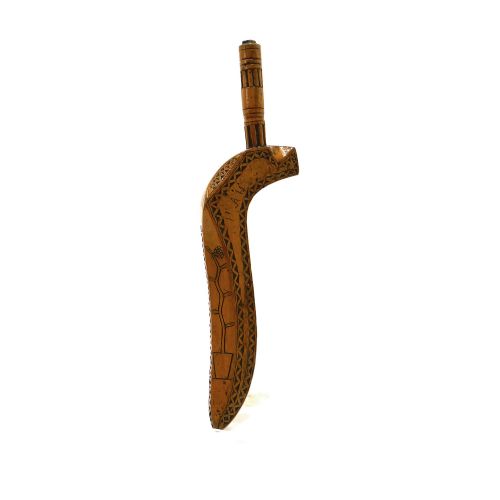
- A small carved wooden holder tucked into a belt or apron to support a knitting needle. They often served as tokens of affection made by sailors or rural craftsmen.
- Lovespoon
- A decorated wooden spoon carved as a token of love or betrothal. Welsh examples frequently feature intricate cut-out links, hearts, and geometric patterns.
- Snuff box
- A small lidded container designed to hold powdered tobacco. Victorian examples took unconventional shapes including shoes, books, and hands.
- Bilboquet
- A traditional cup and ball game played with a wooden handle, cup, and tethered ball. It tests hand-eye coordination.
Victorian Carved Treen: Frequently Asked Questions
What is Victorian carved treen?
Victorian carved treen refers to small, functional or decorative wooden objects made during the nineteenth century. These items include kitchen utensils, personal boxes, and folk art pieces.
Craftsmen shaped these objects by hand, often incorporating local hardwoods like fruitwood, sycamore, and walnut.
How were knitting sheaths used?
Knitting sheaths held one of the knitting needles steady while the user worked with the other hand. A knitter tucked the sheath into a waistband or apron string.
Many surviving examples feature intricate chip carving and were given as gifts or tokens of affection.
How do I care for wooden treen?
Wooden treen requires minimal handling and stable environmental conditions away from direct heat sources and strong sunlight. Sudden temperature shifts can cause the timber to split or warp.
Applying a light coat of natural wax periodically helps maintain the dry lustre of the wood.
Are these items antique?
The pieces listed span the Georgian, Victorian, and Edwardian periods, primarily covering the nineteenth century. They represent historical domestic manufacturing and traditional handcrafts.
Makers utilised regional timbers and traditional techniques handed down through generations.