

Victorian Carved Tallboy
A victorian carved tallboy stands as a commanding storage piece, offering deep drawers for the bedroom.
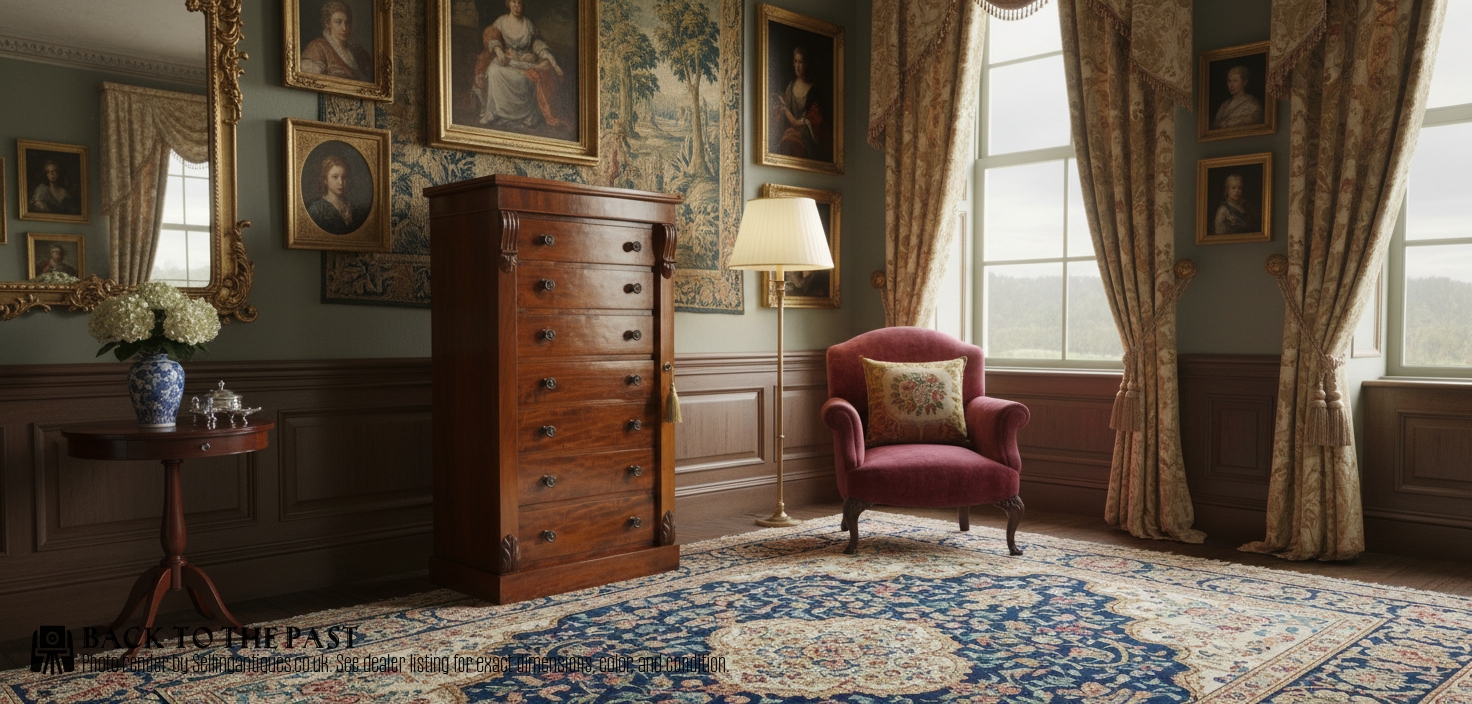
Victorian Carved Tallboy
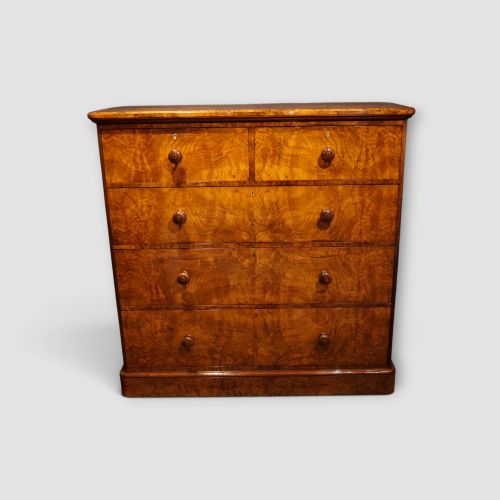
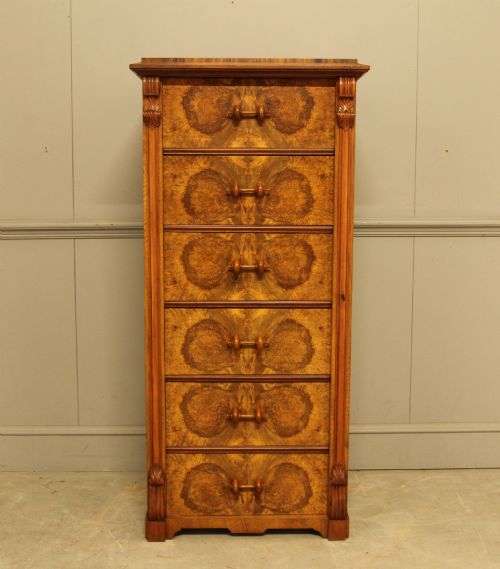
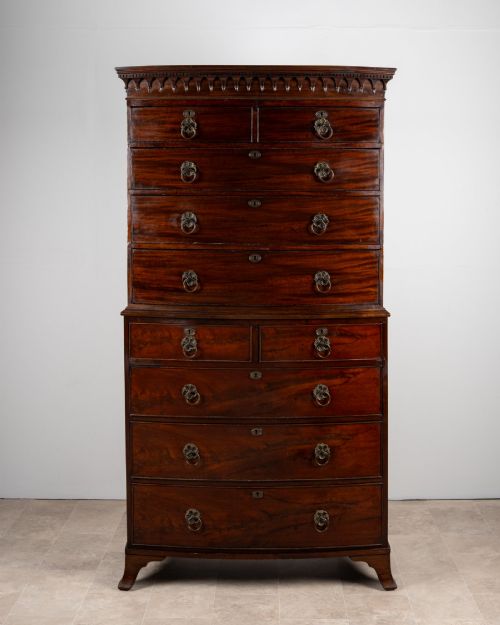
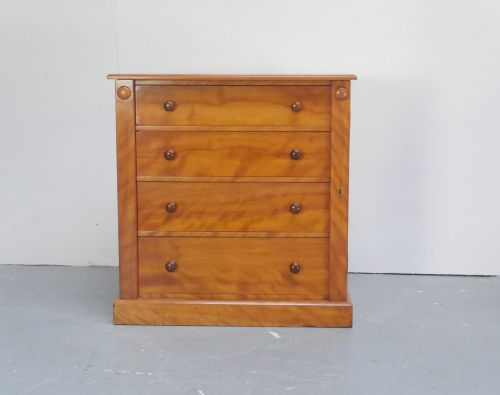
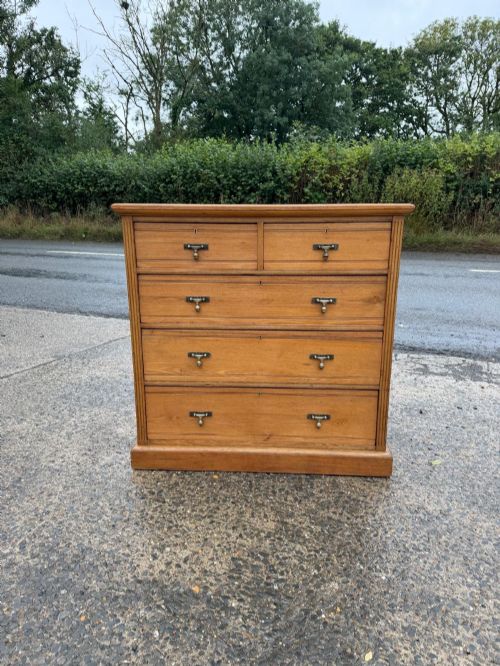
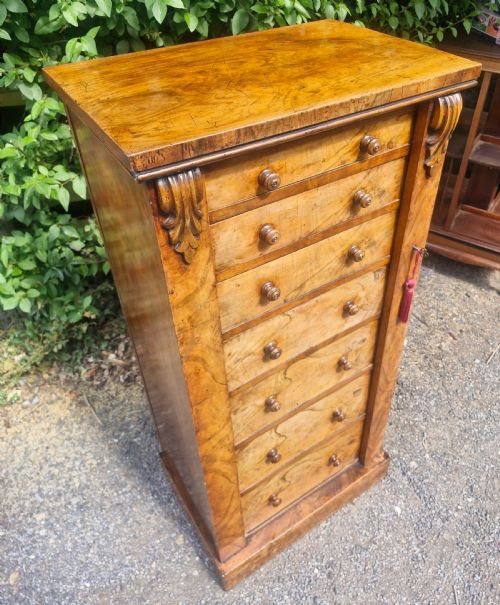
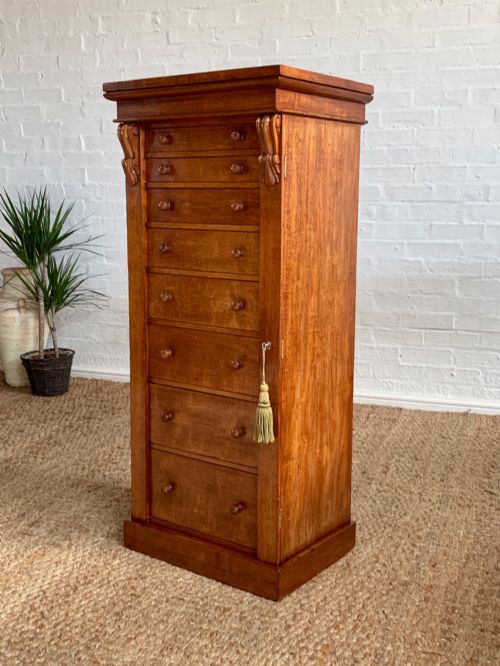
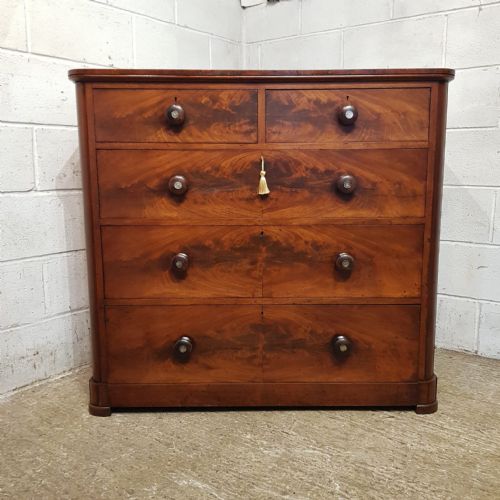
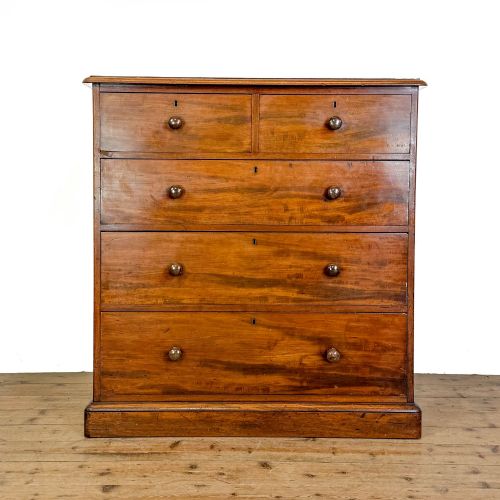
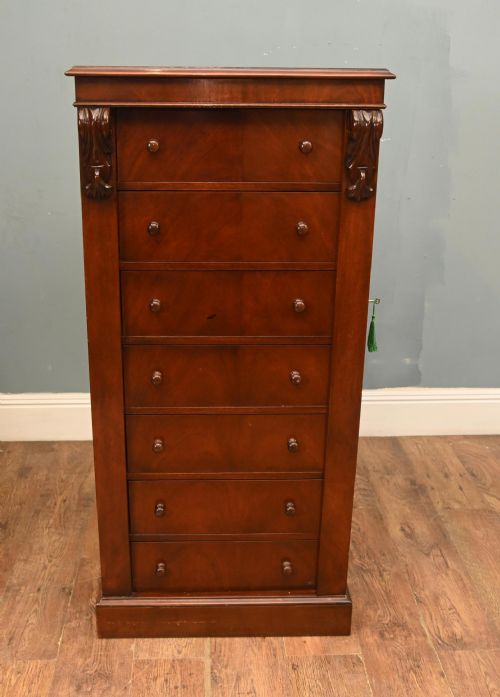
A victorian carved tallboy brings together substantial height and generous drawer space, often seen as tall chests or Wellington chests within nineteenth-century furniture. These tall storage pieces provide ample room for garments while occupying a minimal floor footprint in a traditional bedroom.
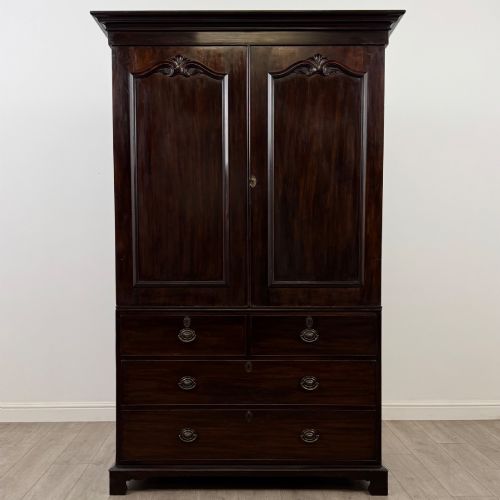
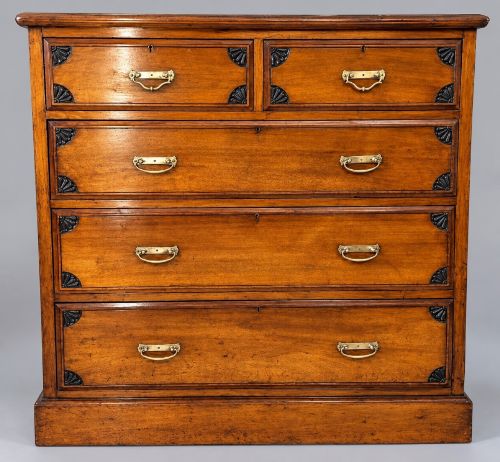
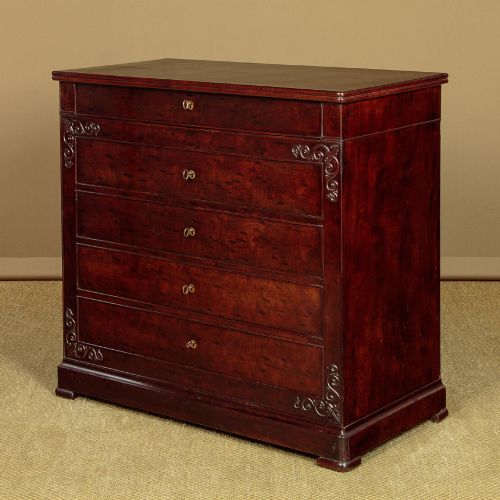
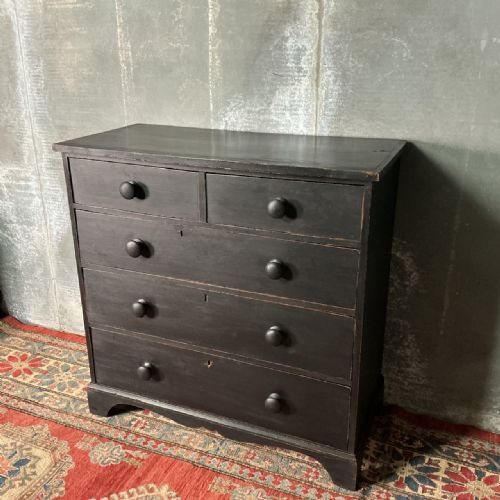
The pieces appearing on this page span the Victorian era alongside related nineteenth-century periods, utilising various drawer configurations and timber species. Buyers frequently encounter mahogany and walnut constructions featuring multiple stacked drawers designed to maximise vertical storage capacity.
Materials and construction
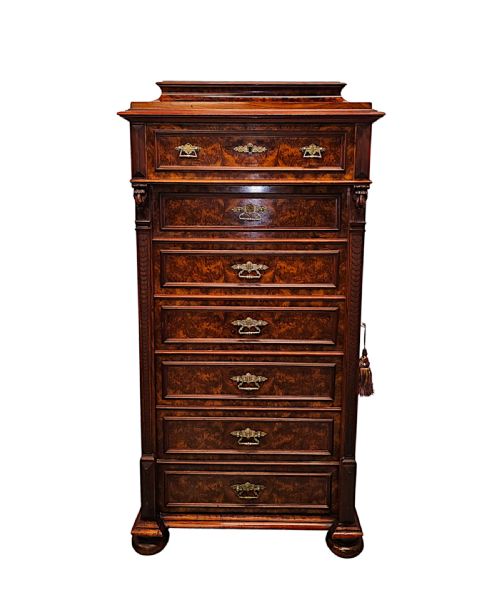
Cabinet makers constructed these tall pieces using solid timbers like mahogany, walnut, oak, and pine, frequently applying flame mahogany or burr walnut veneers to primary display surfaces. Drawer construction relies on traditional joinery methods, paired with turned wooden knobs and brass hardware.
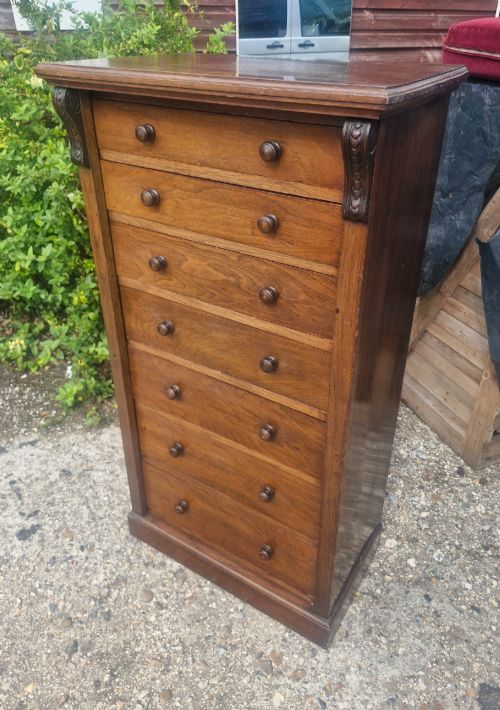
Carved decorative elements, such as the distinctive Green Man grotesque motifs, appear on specific Victorian examples, while other surfaces showcase the natural grain patterns of figured wood.
Victorian Carved Tallboy Retail Price Guide 2026
Typical asking prices for victorian carved tallboy among the pieces listed under this phrase on Sellingantiques today, from the lower quarter to the upper quarter. They describe what is for sale here now, not the wider market.
Assessing quality
The standard of a tall chest rests upon the selection of timber veneers and the crispness of any carved detailing, distinguishing standard utility furniture from finer parlour pieces. Richly figured flame mahogany and burr walnut indicate a higher grade of manufacture.
Structural integrity shows in the smooth action of the deep drawers and the retention of original turned wooden knobs or period brass handles, which complete the intended aesthetic harmony.
The Victorian Carved Tallboy Glossary
- Wellington chest
- A tall, slender chest of drawers typically secured by a hinged locking stile on one vertical edge. This locking mechanism holds all drawers shut simultaneously with a single key.
- Flame mahogany
- A veneer cut from the fork of a mahogany tree where the branches join the trunk. This technique produces a distinctive, fiery ripple pattern across drawer fronts.
- Burr walnut
- A prized wood veneer harvested from the irregular growth knots of a walnut tree. The resulting surface displays swirling, complex grain patterns highly valued in nineteenth-century cabinetry.
- Tallboy
- A traditional designation for a tall chest of drawers, often built in multiple stacked sections to provide elevated storage capacity. These pieces combine vertical presence with practical compartmentalisation.
Victorian Carved Tallboy: Frequently Asked Questions
What is a victorian carved tallboy used for?
These tall pieces serve primarily as bedroom storage, holding folded garments and linens within their stacked drawer arrangements.
Their vertical design allows them to provide significant storage volume without demanding excessive floor space in period or contemporary interiors.
How do I identify a Wellington chest?
A Wellington chest is recognised by its tall, narrow proportions and a hinged locking flap down one side that secures the drawers.
This specific form originated in the nineteenth century and offers a secure method for storing valuables or clothing.
What woods were used for these chests?
Cabinet makers utilised dense hardwoods such as mahogany and walnut, frequently enhancing the visual appeal with flame mahogany or burr walnut veneers.
Secondary woods like pine and oak commonly appear in drawer linings and internal framing.
How do I care for a polished wood surface?
Maintain the timber by applying traditional beeswax periodically and buffing it gently with a soft, dry cloth to preserve the finish.
Keep these chests away from direct sunlight and heat sources to prevent the wood veneers from drying out or splitting.