


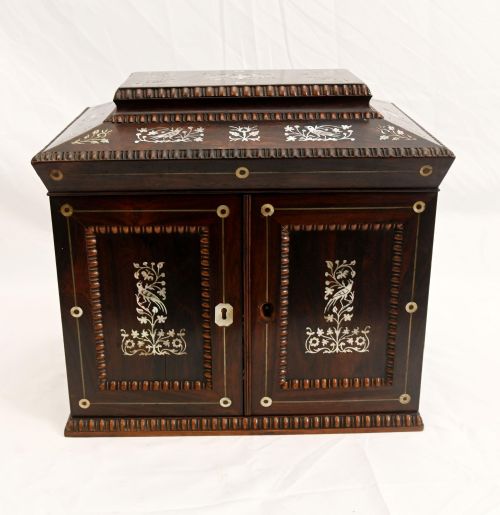


Victorian Carved Rosewood Cabinet
A victorian carved rosewood cabinet brings rich grain and deep colour to a room, offering both display space and practical storage.
Victorian Carved Rosewood Cabinet
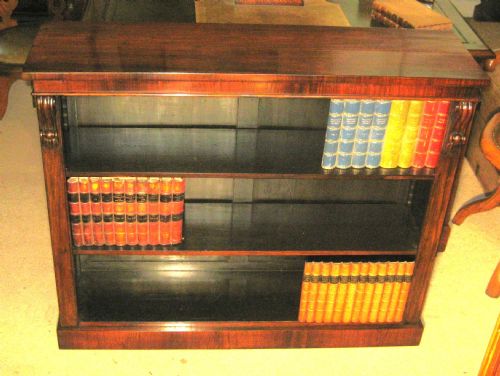
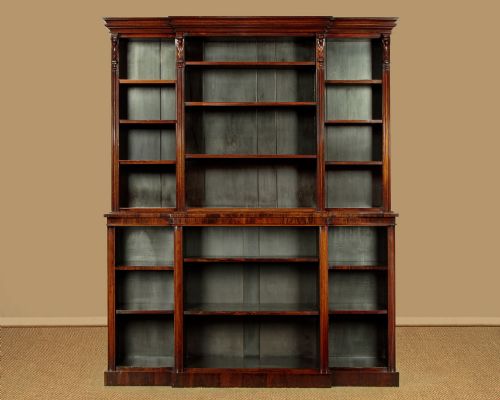
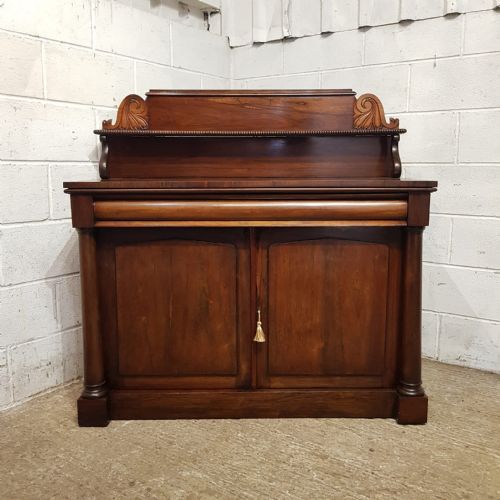
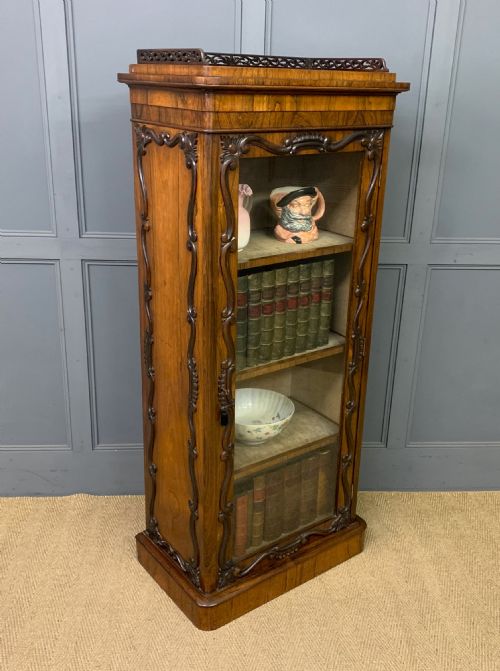
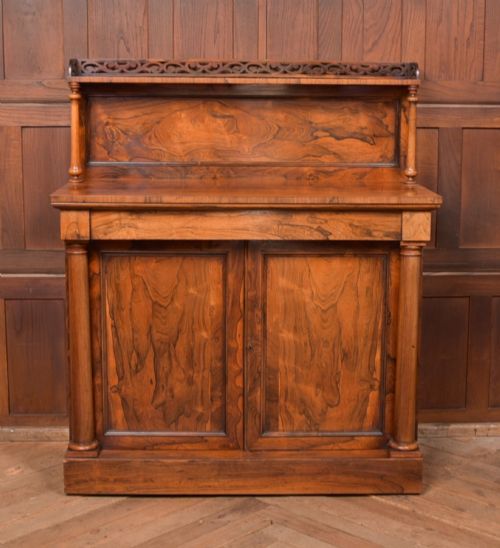
A victorian carved rosewood cabinet encompasses various functional furniture forms from the nineteenth century, including open bookcases, side cabinets, chiffoniers, and display pieces. The selections gathered here show the widespread use of rich timber across the period, spanning from early examples up to the close of the century.
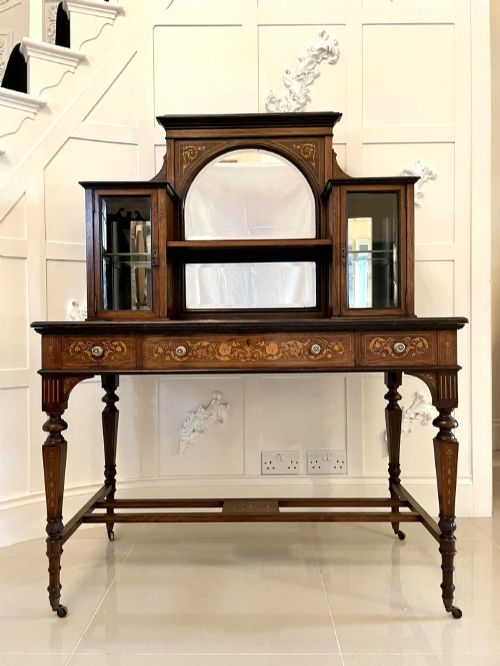
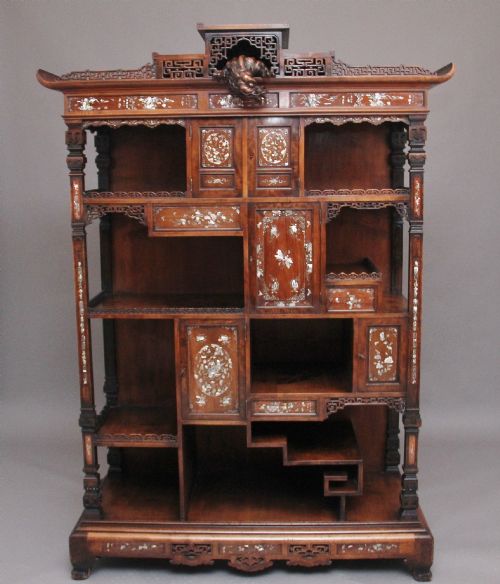
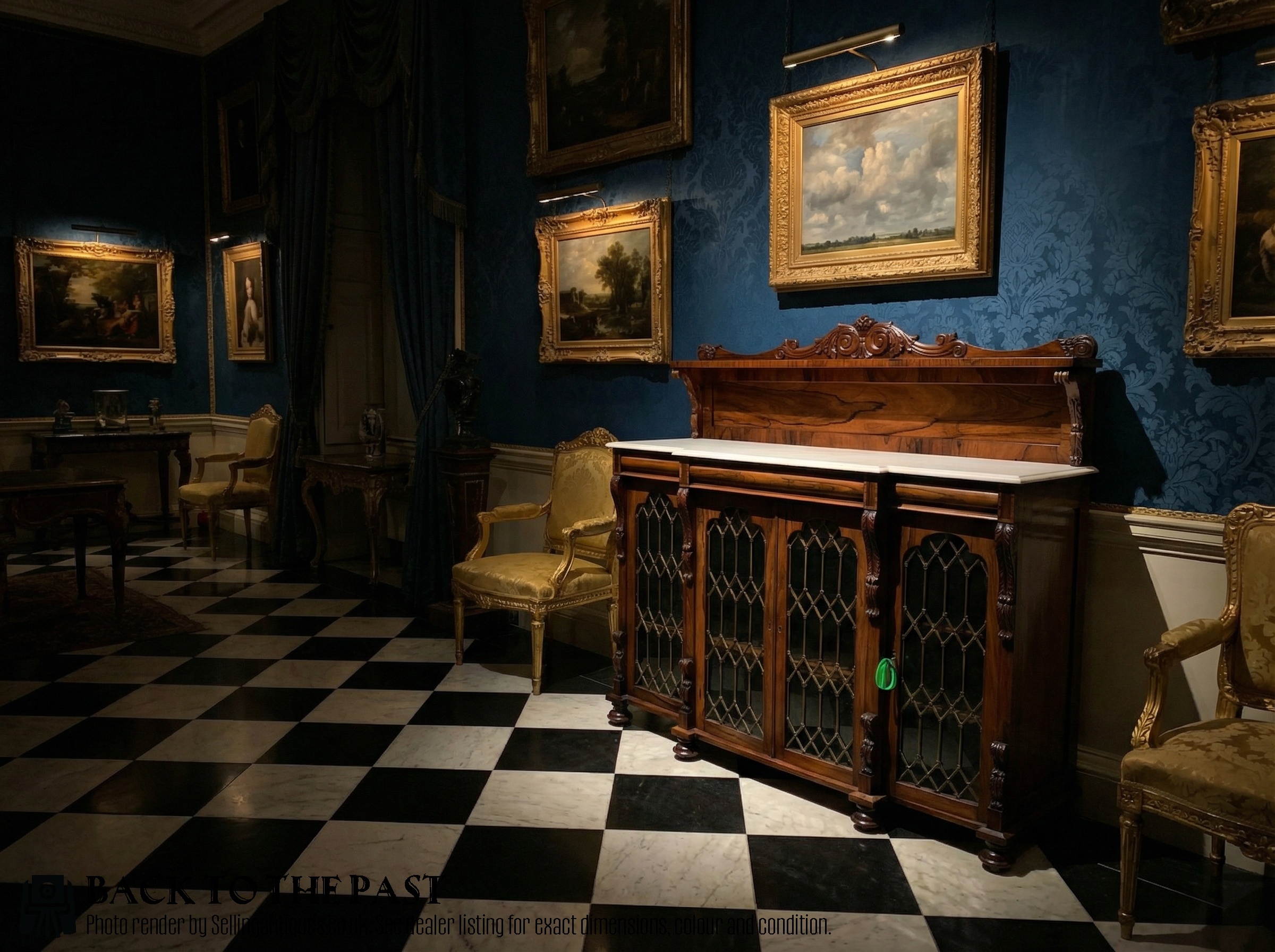
Buyers will encounter diverse regional interpretations and stylistic influences alongside standard British forms. Pieces range from straightforward domestic chiffoniers fitted with mirrored backs to elaborate Anglo-Indian and continental examples displaying intricate carving.
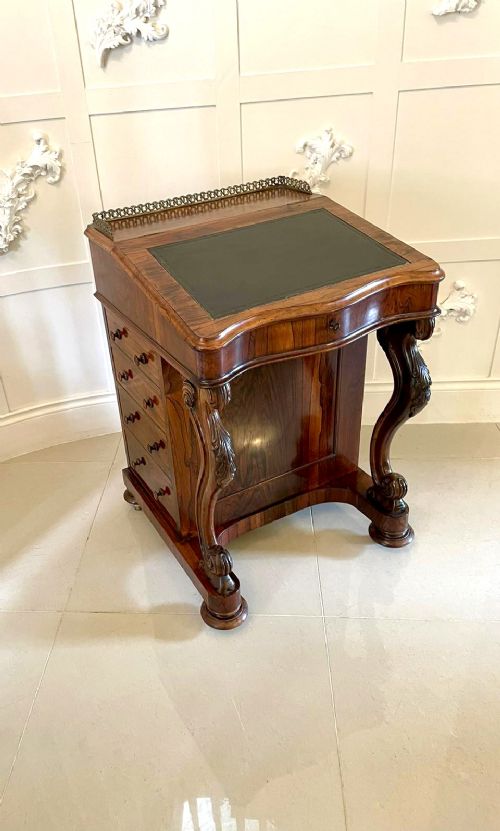
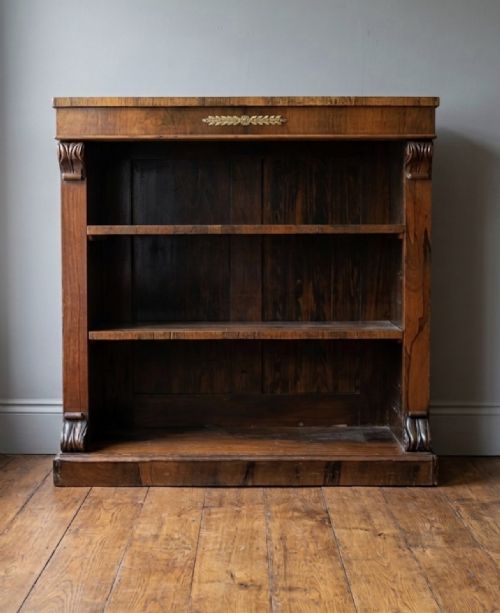
Bookcases and writing desks such as davenports also appear frequently within these materials, showing how cabinetmakers adapted the dense timber for library and parlour use. The overriding characteristic remains the dark, figured rosewood surface shaped by nineteenth-century joinery.
Materials and Technique
Makers utilised solid rosewood and applied fine rosewood veneers over secondary hardwoods, often combining the timber with glass, mirrored panels, brass fittings, and marble tops. These materials were selected for their durability and striking natural grain patterns.
Surface decoration relied heavily on hand carving, marquetry inlay, and sometimes mother-of-pearl accents or contrasting exotic timbers. Carved mouldings and turned supports define the structural appearance across the various bookcase and cabinet designs.
Cabinetmakers constructed these pieces using traditional joinery methods suited to heavy tropical hardwoods, ensuring stability in domestic environments through seasonal temperature changes.
Some nineteenth-century writing desks include hidden compartments designed for secret correspondence.
Evaluating the Range
The distinction between standard domestic furniture and finer workshop pieces lies in the crispness of the carving and the selection of the timber veneer. Highly figured grain and balanced proportions separate exceptional examples from simpler production pieces.
Interior secondary woods, the execution of inlay work, and the integration of specialised hardware such as glazed doors or fitted desk interiors also indicate the level of craftsmanship invested in the piece.
James Winter
The Victorian Carved Rosewood Cabinet Glossary
- Chiffonier
- A low sideboard or cabinet featuring a combination of shelves, drawers, and enclosed cupboards, typically fitted with a mirror or small shelf on the back gallery.
- Marquetry
- Decorative patterns formed by fitting together thin slices of various wood veneers, creating pictorial or geometric designs on the surface of a cabinet.
- Breakfront
- A piece of furniture where the central section projects forward from the flanking flanking wings, adding architectural depth to bookcases and side cabinets.
- Davenport
- A compact pedestal desk featuring a sloping writing surface and drawers accessed from the side, popular during the nineteenth century.
- Credenza
- A low cabinet originating in continental Europe, frequently adapted in Britain during the Victorian era for display and storage in formal reception rooms.
Victorian Carved Rosewood Cabinet: Frequently Asked Questions
What is a chiffonier?
A chiffonier is a low cabinet designed for storing dining accessories or books, usually featuring enclosed lower cupboards and an upper shelf or mirrored tier.
These pieces sat primarily in Victorian dining rooms and parlours, serving both a decorative and a practical purpose.
How do I care for rosewood?
Rosewood benefits from stable indoor humidity and protection from direct sunlight to prevent the dense timber from drying or fading.
Regular dusting with a soft cloth keeps the polished surface clean without the need for heavy chemical polishes.
Are these cabinets purely decorative?
While highly ornamental due to their figured grain and carved details, these cabinets offer substantial practical storage for books, glassware, or writing materials.
Interior shelving and drawers match the functional needs of nineteenth-century households.
How do I distinguish Regency from Victorian pieces?
Regency furniture tends to display cleaner classical lines influenced by ancient Greek and Roman forms, often utilising brass inlay and simpler architectural profiles.
Victorian pieces generally introduce heavier carving, more ornate hardware, and varied revival styles such as Gothic or Renaissance motifs.