




Victorian Carved Planter
These pieces unite utility with display, bringing plants indoors and into gardens through carved wooden stands and heavy stone or metal vessels.
Victorian Carved Planter
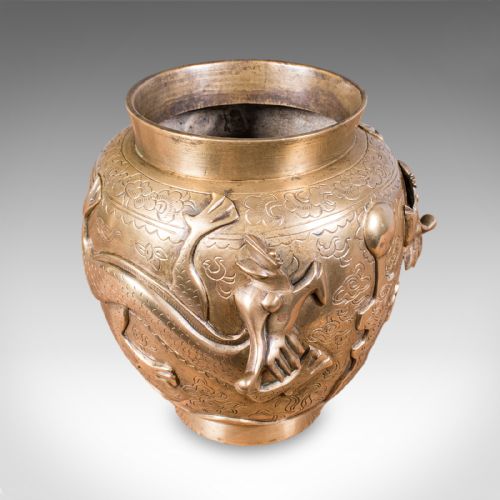
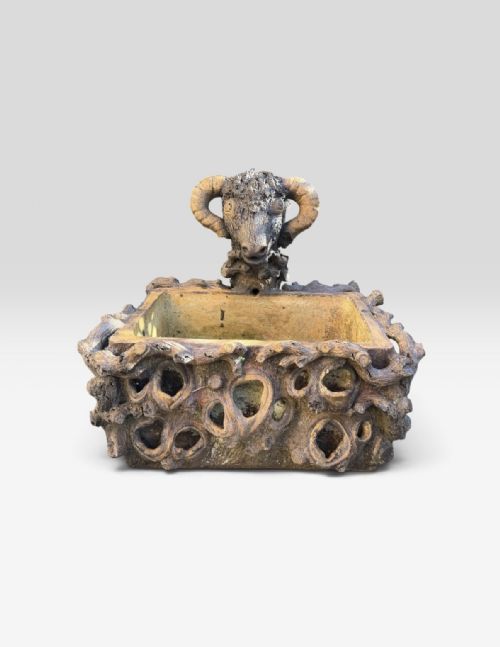
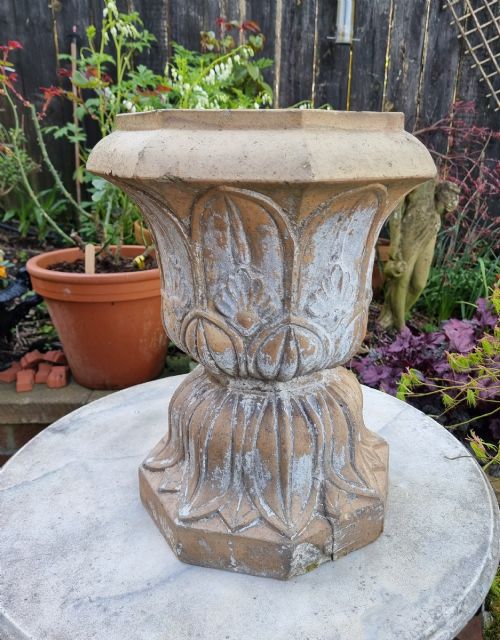
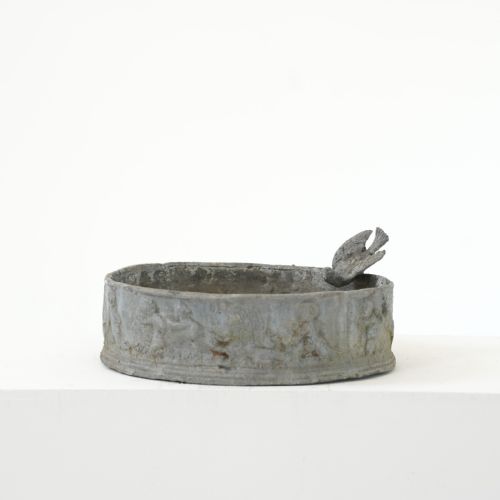
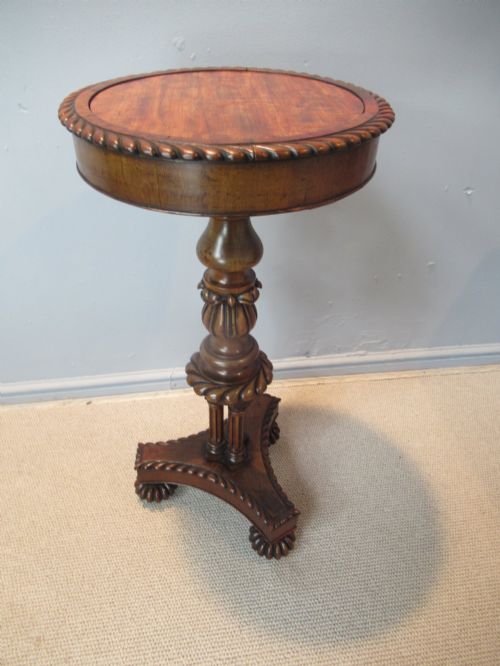
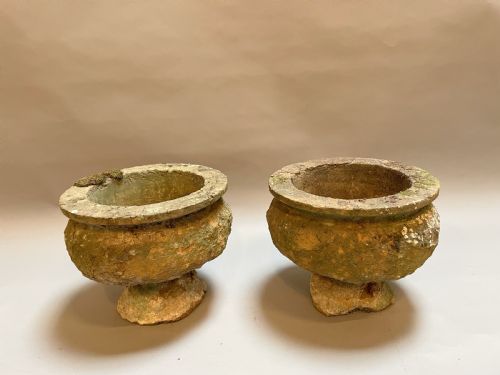
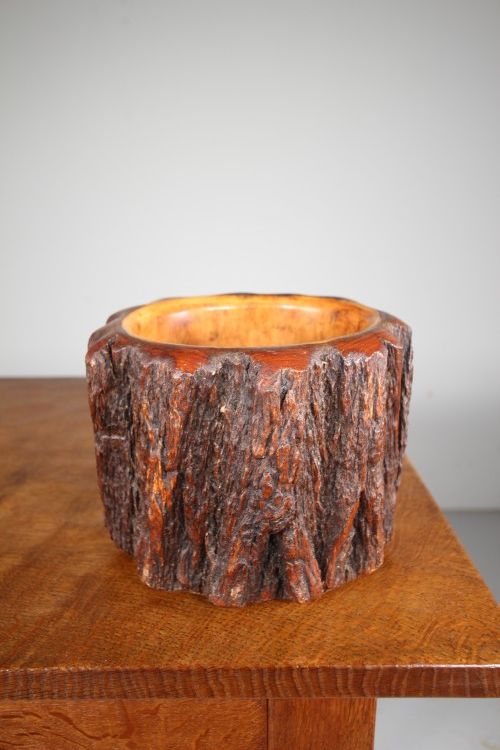
A victorian carved planter bridges horticulture and interior decoration, appearing in forms from tall plant stands and jardiniere tables to heavy garden urns and stone bird baths. Buyers encounter these pieces in domestic rooms and conservatory settings alike, reflecting the nineteenth-century passion for indoor flora.
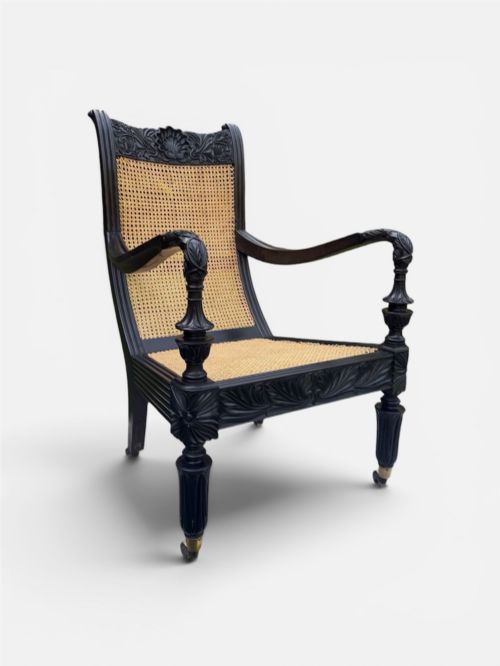
The selection ranges widely in origin and material, encompassing Anglo-Indian rosewood and ebony, Chinese export hardwood stands, and domestic oak or mahogany tables. Alongside these sit copper buckets, brass bowls, and terracotta garden vessels dated across the nineteenth century.
Materials and Construction
Craftsmen shaped these items from dense hardwoods such as oak, walnut, rosewood, and ebony, employing deep carving to create floral and architectural ornament. Cabinetmakers turned wooden shafts for plant stands and constructed coopered barrels with metal bands for wet environments.
Foundries and kilns produced metal and ceramic versions using cast bronze, copper, lead, salt-glazed stoneware, and terracotta. Stonemasons carved soft stone and Purbeck stone for heavy garden urns and bird baths meant to weather outdoors.
Victorian Carved Planter Retail Price Guide 2026
Typical asking prices for victorian carved planter among the pieces listed under this phrase on Sellingantiques today, from the lower quarter to the upper quarter. They describe what is for sale here now, not the wider market.
Listings span multiple timber types including oak, walnut, rosewood, mahogany, satinwood, and ebony alongside bronze, brass, lead, terracotta, and stone.
Judging Quality
Quality rests upon the crispness of the carving and the selection of timber or metal. Dense, well-figured walnut, rosewood, and ebony support intricate detail that softer or plainer woods cannot sustain.
The integrity of construction matters equally, seen in stable joinery on plant stands and the substantial weight of cast bronze, lead, and terracotta vessels. Patination on metal and wood indicates age and careful preservation over generations.
The Victorian Carved Planter Glossary
- Jardiniere
- An ornamental pot or stand for holding plants or flowers. These vessels sit on tables or floor pedestals.
- Torchere
- A tall ornamental stand or candlestick, often adapted to hold a plant or basin. They provide vertical height in a room scheme.
- Coopered
- Made by joining curved wooden staves together with metal hoops, typical of buckets and stick stands. This method ensures waterproof integrity.
- Terracotta
- Fired unglazed clay of a brownish-red colour used for garden urns and planters. It develops a weathered patina over time outdoors.
Victorian Carved Planter: Frequently Asked Questions
Where should I place a heavy stone urn?
Stone and terracotta urns suit garden terraces, patios, or large entrance halls where the floor weight is supported.
Ensure the surface is level and consider frost protection during winter months if the stone is porous.
How do I care for wooden plant stands?
Polished hardwoods require dusting with a dry cloth and occasional application of appropriate wax to nourish the grain.
Protect the timber surfaces from direct moisture by using waterproof liners inside any planters or bowls.
What is the difference between a jardiniere and a plant stand?
A jardiniere is the bowl or vessel designed to hold the plant, whereas a plant stand or torchere is the supporting table or pedestal.
Some antique pieces combine both into a single integrated furniture form.
Are bronze and brass planters suitable for outdoor use?
Metal planters function well in sheltered gardens or indoors, developing a natural oxidation or verdigris over time.
Harsh outdoor exposure may accelerate tarnishing depending on the alloy composition.