
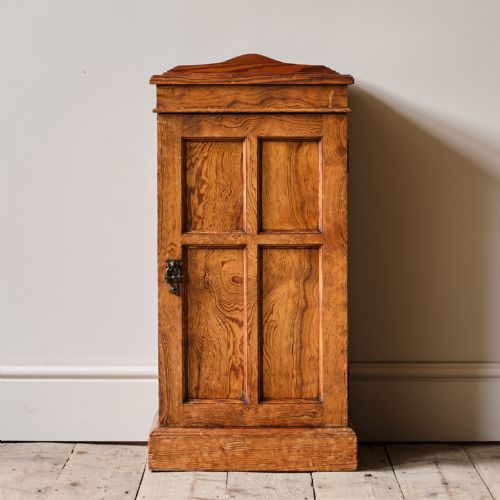
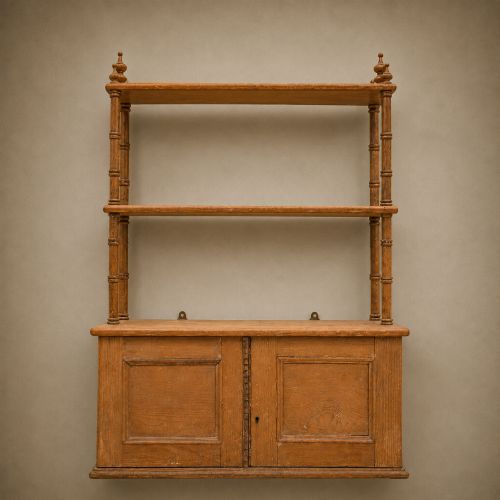
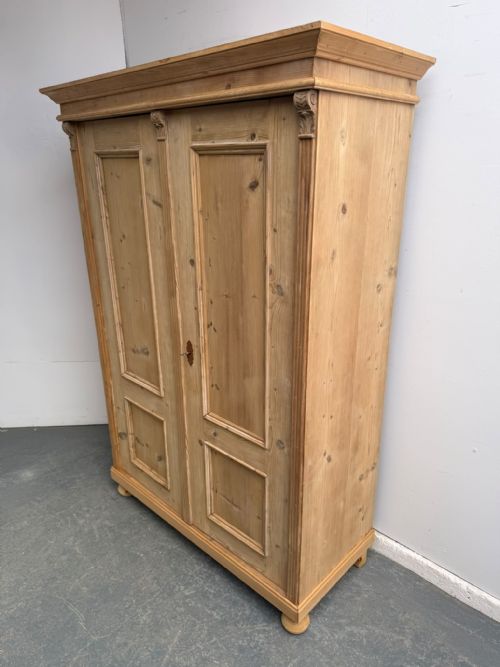
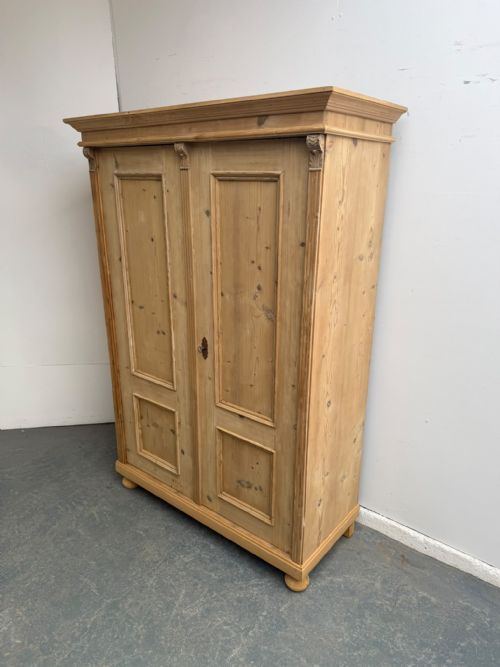
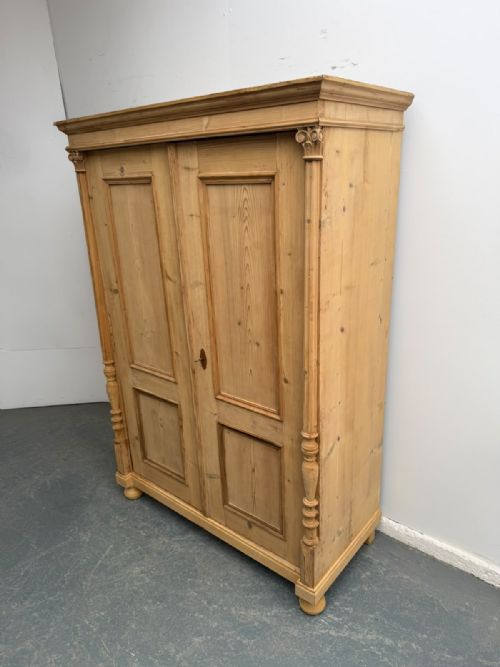
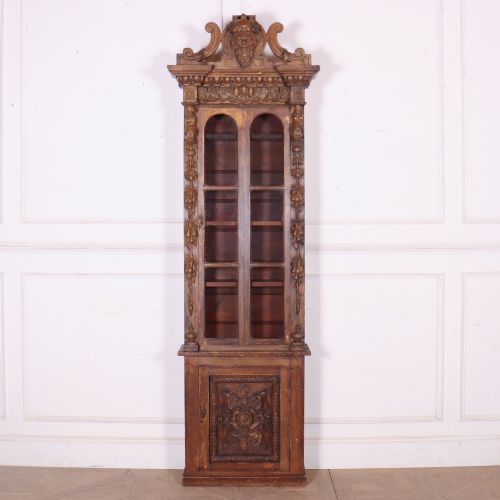
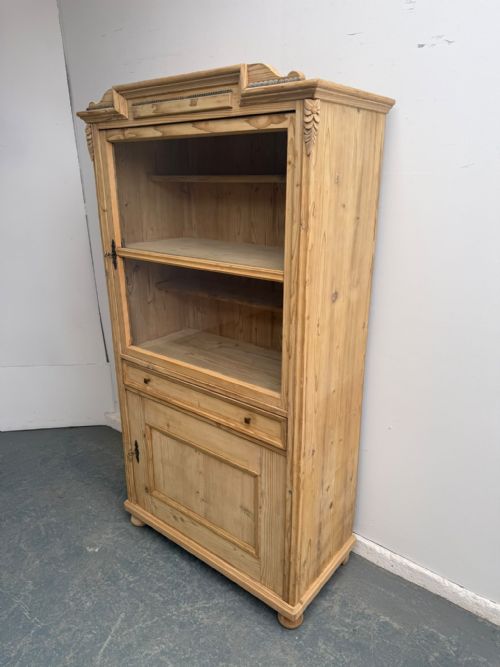
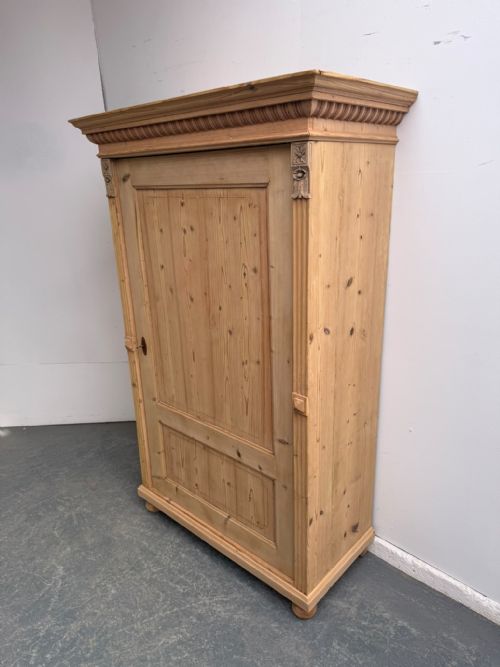

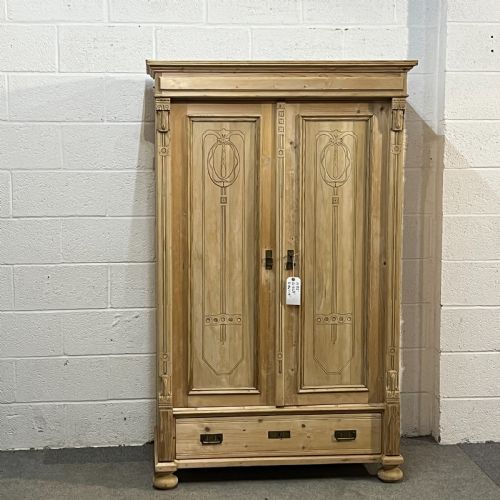


Victorian Carved Pine Cabinet
These victorian carved pine cabinet pieces bring robust utility and regional character to a room, offering practical storage fashioned from humble softwood.
Victorian Carved Pine Cabinet
A victorian carved pine cabinet encompasses functional storage furniture from the nineteenth century, ranging from single door cupboards and bedside pieces to larger wardrobes and wall shelves. The examples most frequently encountered on this page date from the Victorian era, including specific years like eighteen sixty, eighteen ninety, nineteen hundred and nineteen twenty.
Makers shaped these utilitarian objects into various regional forms, such as corner cupboards, chimney cupboards, and pot cupboards. Alongside standard pine, the evidence records pieces utilising Oregon pine, pitch pine, oak, mahogany, and walnut.
Stylistic influences span from plain country iterations to more elaborate Gothic Revival, Renaissance Revival, and Art Nouveau expressions. Buyers also find miniature apprentice cabinets and decorative display pieces alongside everyday storage cupboards.
Evaluating quality
Quality rests upon the crispness of the carving and the integrity of the timber framing, distinguishing basic utility boxes from pieces with decorative ambition. The scale and proportion of architectural elements, such as ebonised moulding or glazed doors, dictate the visual weight of the cabinet.
The degree of original surface preservation, whether historic paint or honest timber grain, shapes the character of each piece. Finer examples display balanced proportions and thoughtful decorative carving that elevate humble pine beyond plain domestic storage.
Listings feature items constructed from standard pine alongside Oregon pine and pitch pine variants.
The Victorian Carved Pine Cabinet Glossary
- Pot cupboard
- A small bedside cabinet originally designed to house a chamber pot. These compact items often feature a single door and a small internal shelf.
- Chimney cupboard
- A tall, narrow storage cupboard built to fit into the chimney breast alcove. Their slender proportions made efficient use of tight domestic spaces.
- Gothic Revival
- An architectural and decorative style drawing on medieval forms. Pieces display pointed arches, tracery, and heavy, dramatic mouldings.
- Secretaire
- A cabinet incorporating a writing drawer with a drop-front desk surface. They combine enclosed storage with a practical fold-down workspace.
Victorian Carved Pine Cabinet: Frequently Asked Questions
Where were these cabinets used?
These pieces served practical storage roles throughout nineteenth century homes, from bedrooms and kitchens to parlours and hallways.
Smaller formats functioned as bedside tables or pot cupboards, while taller wardrobes and storage cupboards managed household linens and provisions.
How do I date a pine cabinet?
Dating relies on construction methods, timber selection, and stylistic cues found within the hardware and mouldings. Nineteenth century pieces often show hand-tool marks and period-specific decorative motifs.
Later Victorian and early twentieth century items tend to display standardised fixings and different regional pine varieties.
Are painted finishes original?
Many nineteenth century pine pieces received layers of paint for practical protection or decorative effect during their working lives. Some surfaces survive from the period, while others reflect later maintenance.
Listings often indicate whether a piece retains its historic paint or is prepared for re-painting.
How do I care for antique pine?
Pine responds well to stable indoor humidity and protection from direct heat sources that can dry out the softwood. Regular dusting and occasional application of appropriate wax maintain the timber surface.
Avoid excessive moisture, especially on waxed or painted variants.