

Victorian Carved Pedestal Stand
A victorian carved pedestal stand brings height and display to a room, holding plants, lamps or ornaments with steady dignity.
Victorian Carved Pedestal Stand
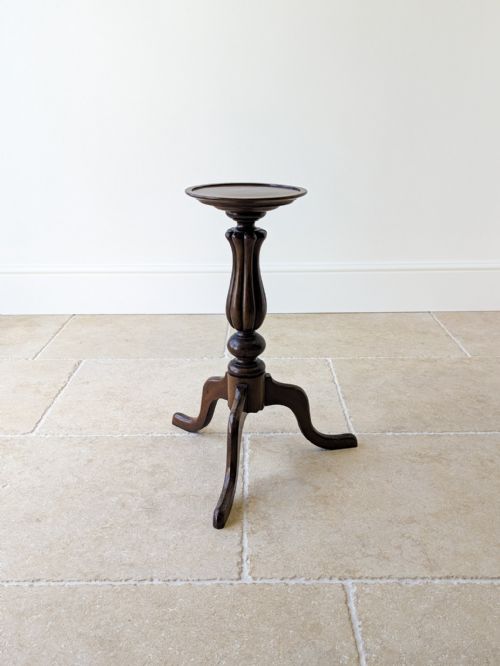
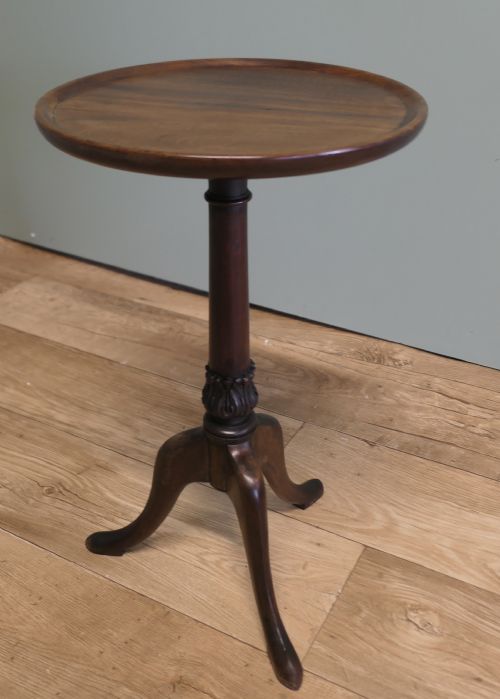
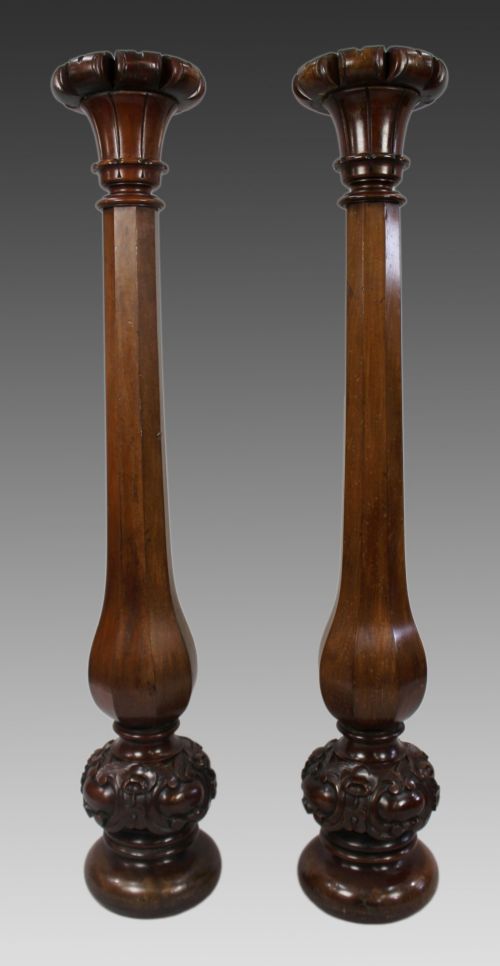
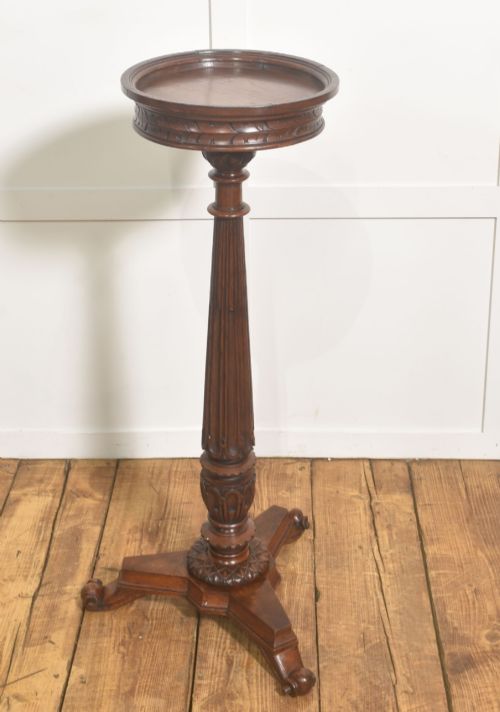
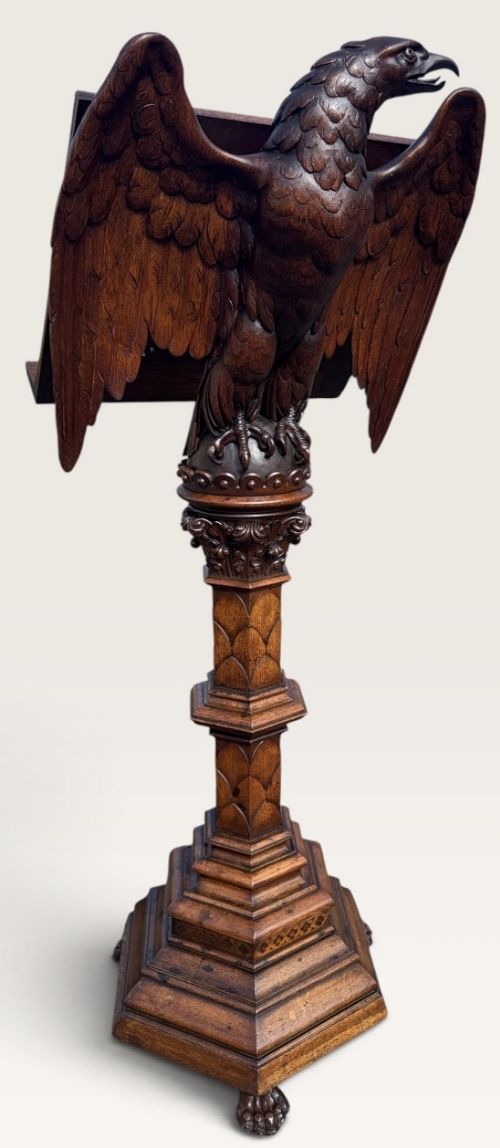
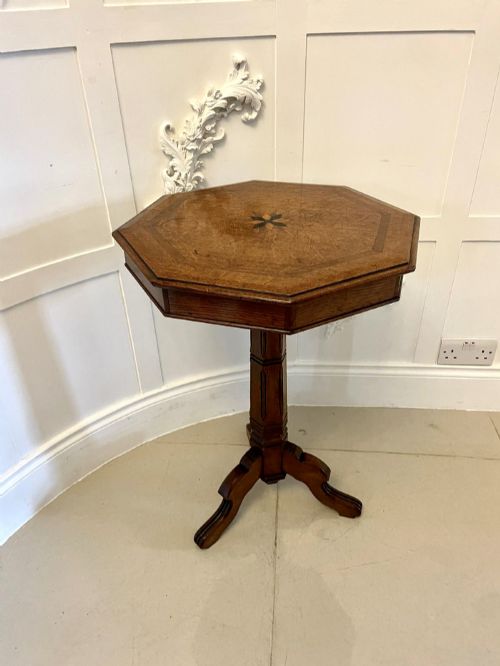
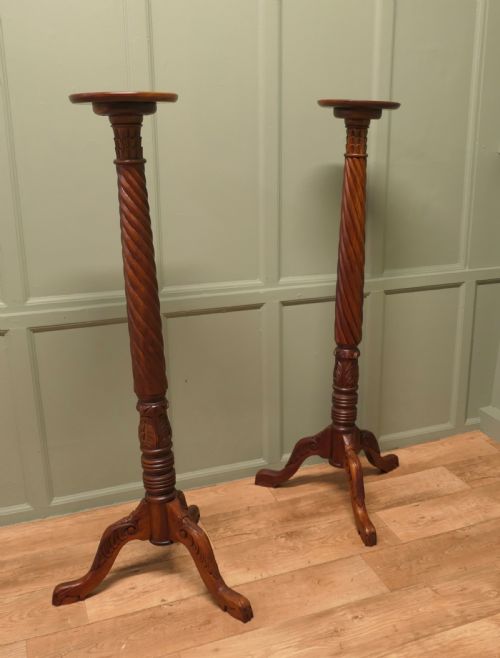
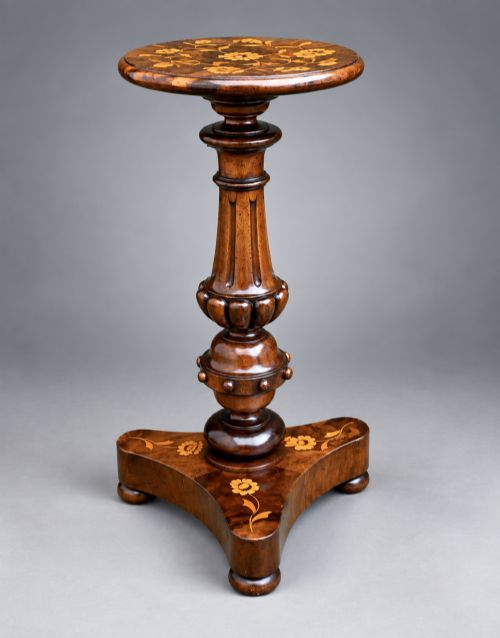
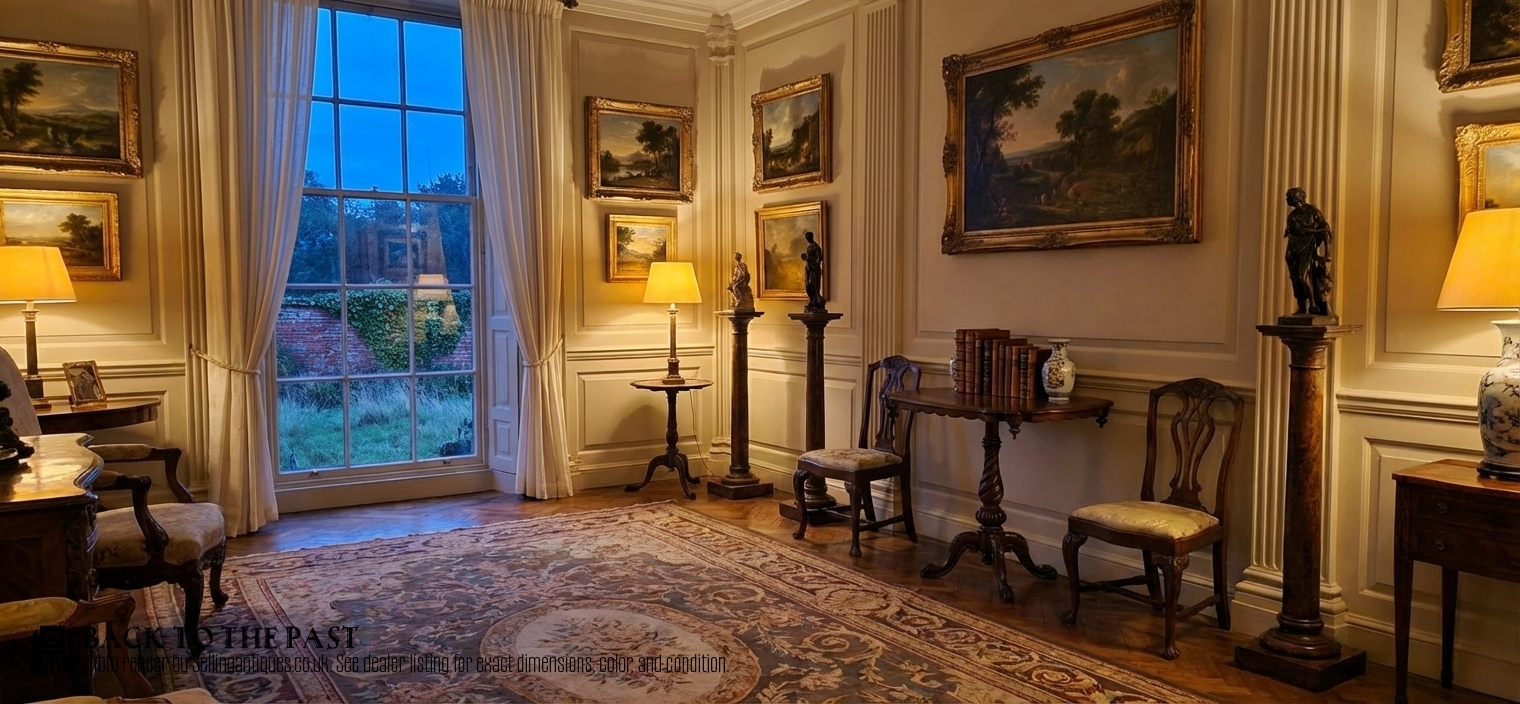
A victorian carved pedestal stand serves as a raised platform for display, taking the form of torcheres, plant stands, and occasional tables. These pieces lift items from the floor to create focal points in hallways, drawing rooms, and corners.
The selections span the nineteenth century, including specific decades from the mid-Victorian era through to later revival styles. Makers produced these stands to support heavy items such as lamps, urns, and botanical specimens.
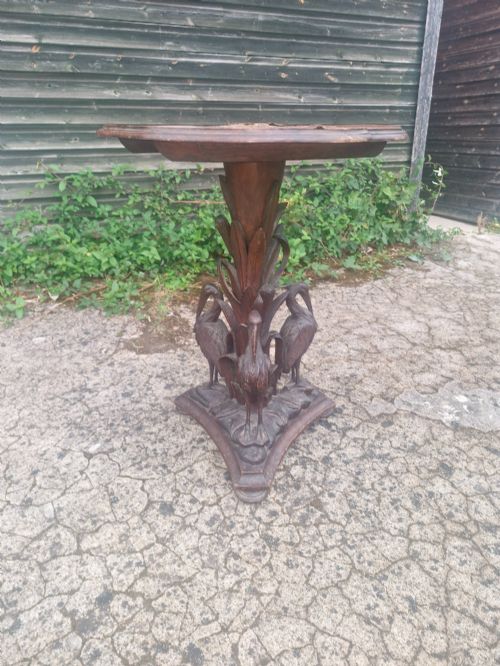
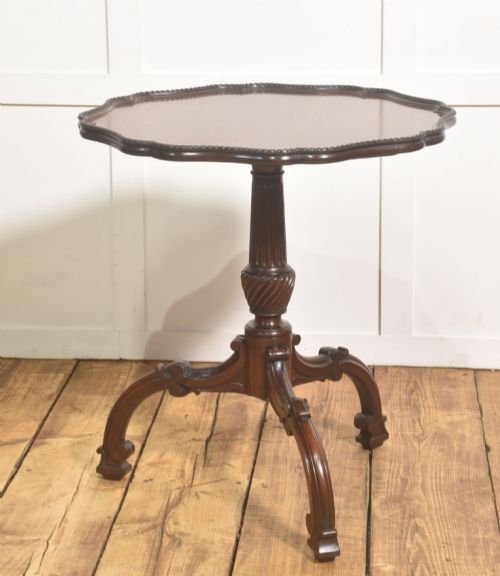
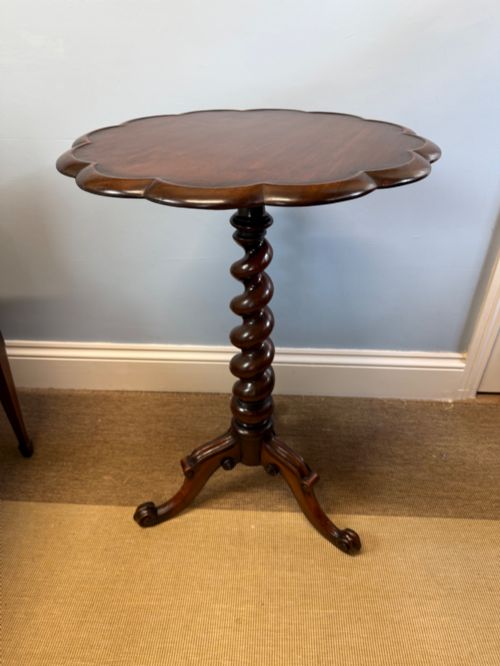
Most examples found here utilise timber columns or tripod bases to achieve stability while maintaining a slender profile. Collectors encounter variations from plain tripod wine tables to heavily sculpted Italian and Anglo-Indian imports.
Materials and construction methods
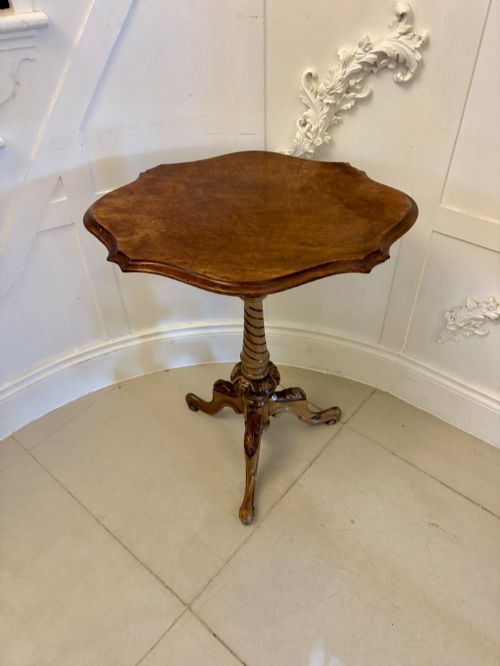
Cabinet makers built these stands primarily in mahogany, walnut, and oak, often selecting denser hardwoods for durability and fine carving. Burr wood veneers frequently appear on circular tops to provide decorative grain patterns.
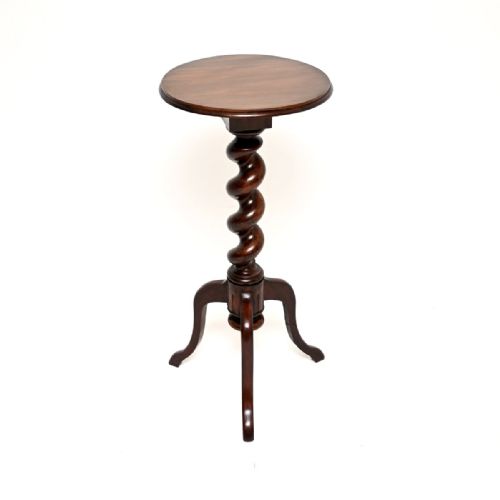
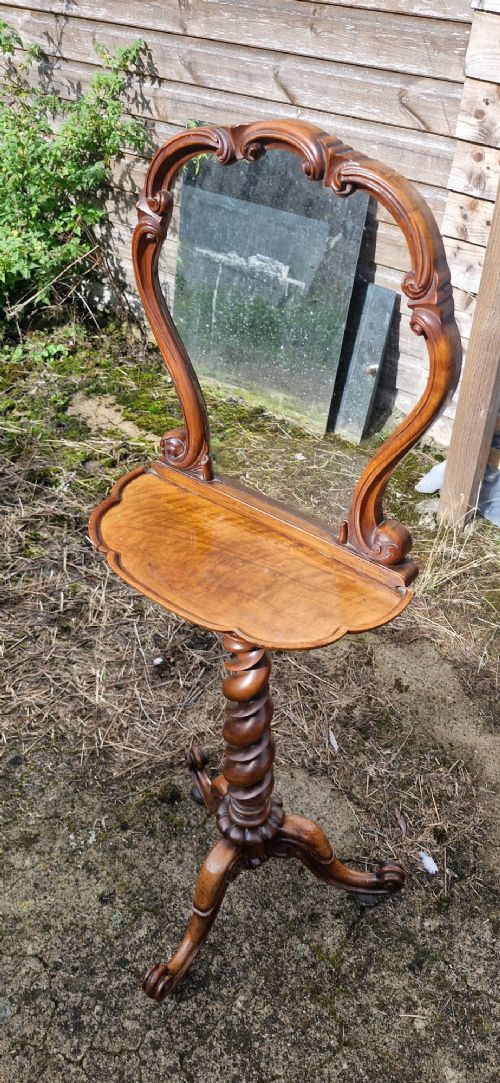
Carving techniques range from simple reeded columns and barley twists to elaborate figural and botanical motifs. Joinery typically involves robust central pillars connected to tripod or quadruped feet, ensuring the elevated weight remains balanced.
Distinctions in quality
The depth and crispness of the hand carving separate standard production pieces from exceptional workshop outputs. Superior examples display undercut foliage, smooth turning on pedestals, and carefully fitted joints that prevent wobble.
Timber selection and grain matching on circular tops indicate the maker's intent and cost. Finer stands utilise figured mahogany or burr walnut with minimal patching, whilst simpler utility items employ plain hardwood.
The Victorian Carved Pedestal Stand Glossary
- Torchere
- A tall stand designed specifically to support a lamp or candleholder. These slender pieces elevate lighting sources above standard furniture height.
- Tripod base
- A three-legged support system common on pedestal tables and torcheres. This configuration provides stability on uneven floors.
- Tilt top
- A tabletop hinged to the central pillar so it can pivot to a vertical position when not in use. This mechanism saved space in nineteenth-century rooms.
- Barley twist
- A carved column resembling a spiralling rope or barley sugar stick. Craftsmen turned this pattern on a lathe before refining the edges by hand.
- Burr wood
- Timber harvested from tree growths that produce chaotic, highly decorative grain patterns. Cabinet makers applied these as thin veneers to prominent tabletops.
Victorian Carved Pedestal Stand: Frequently Asked Questions
What was a pedestal stand used for?
These pieces held lighting, decorative plants, and heavy objects to display them at eye level in period interiors.
They stood in corners, hallways, and beside seating areas where floor space was limited.
How do I care for a carved wooden stand?
Dust the intricate carvings regularly with a soft brush and apply natural wax occasionally to nourish the timber.
Keep the stand away from direct heat sources to prevent the wood from splitting or warping.
Are these stands stable enough for modern lamps?
Most tripod and pedestal designs offer a secure base for standard table lamps and heavy ornaments.
Heavier marble tops and wider pillar bases provide extra weight and balance against accidental knocks.
How can I tell the period of a pedestal?
Examine the timber species, construction joints, and carving styles to match them against nineteenth-century production methods.
Revival pieces often combine earlier stylistic motifs such as Chippendale or Gothic elements with Victorian engineering.