
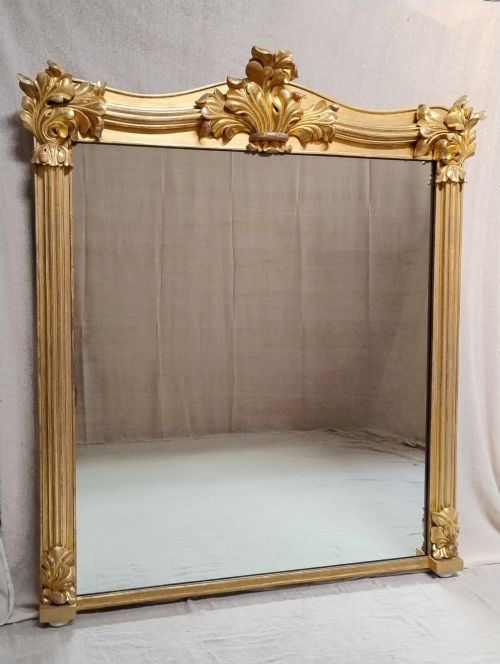
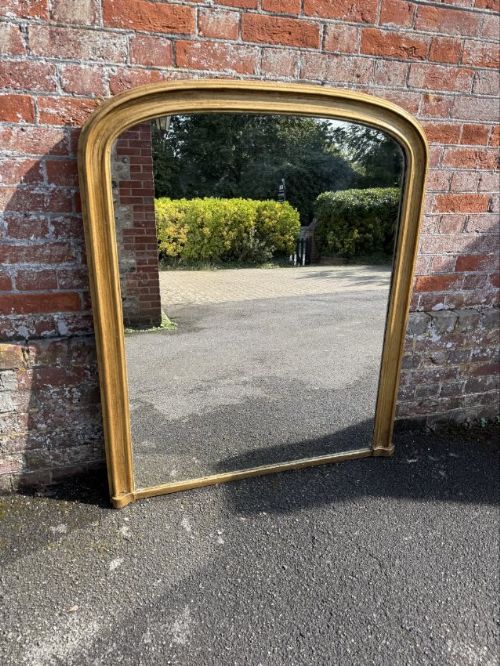
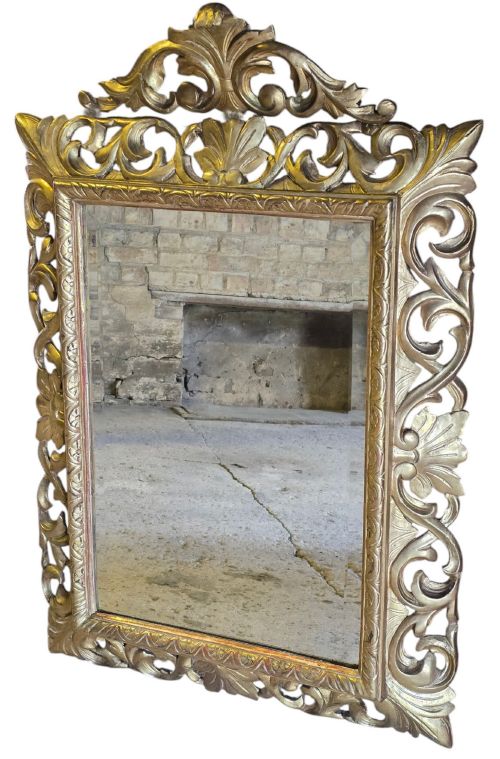
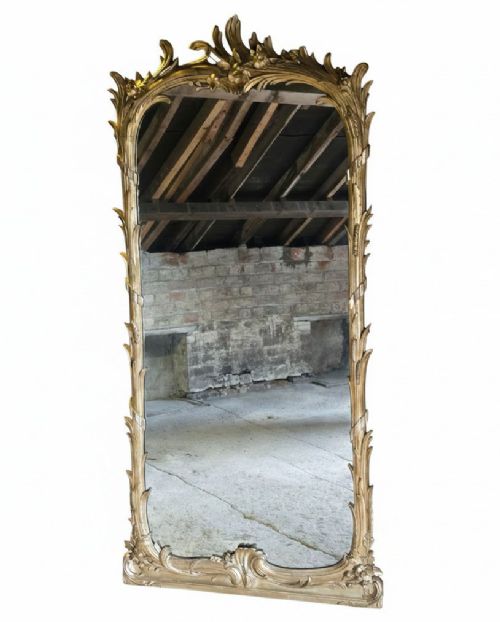


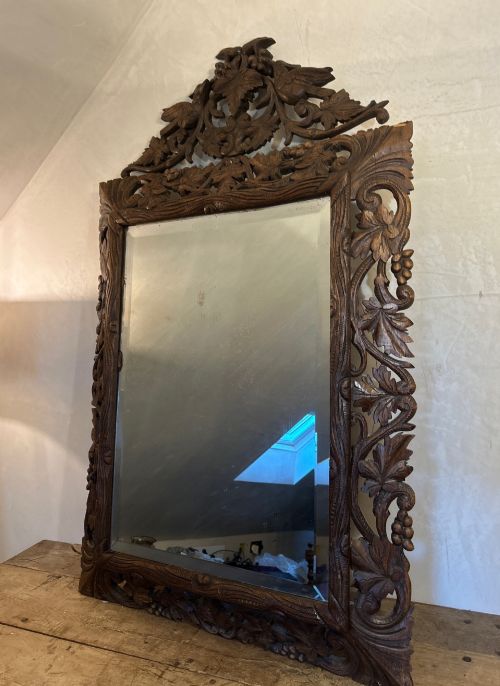
Victorian Carved Overmantel
A victorian carved overmantel brings dramatic scale and reflective light to a fireplace, offering the grandeur of nineteenth-century interiors.
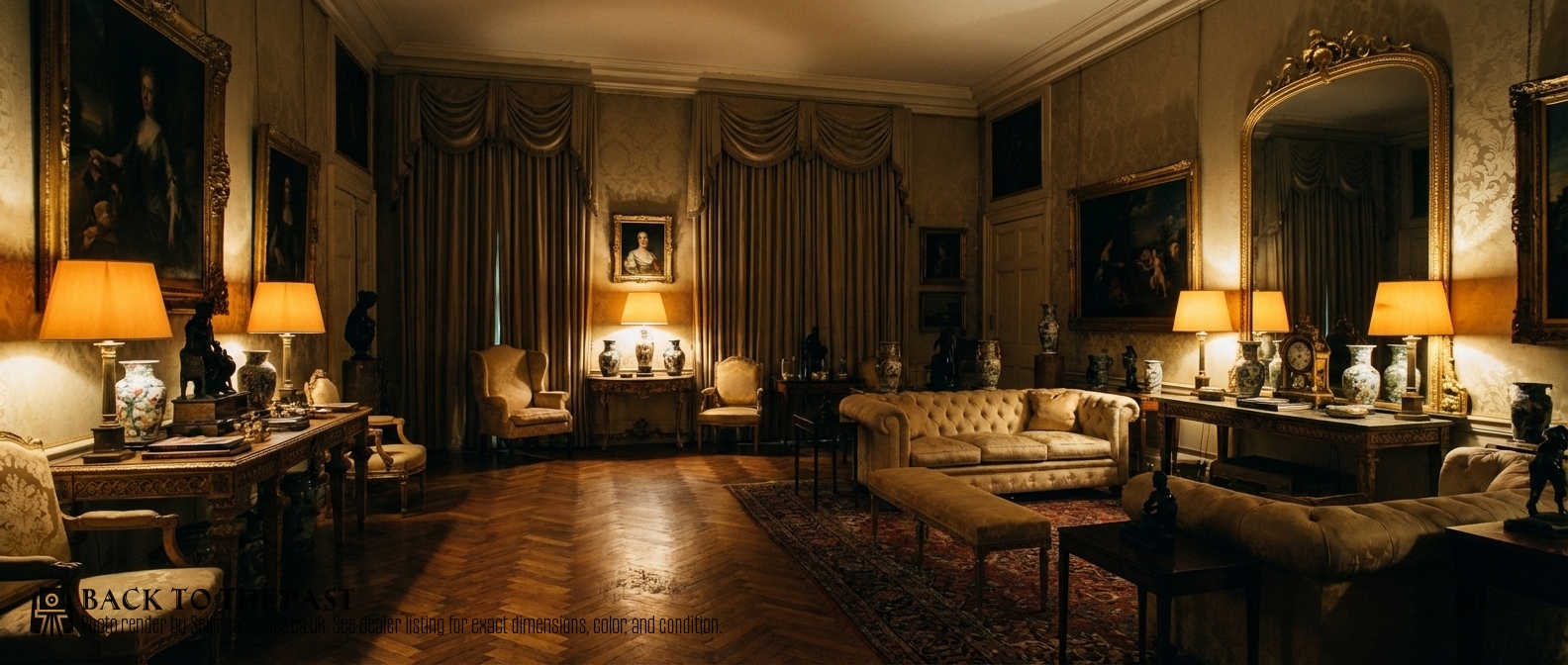
Victorian Carved Overmantel
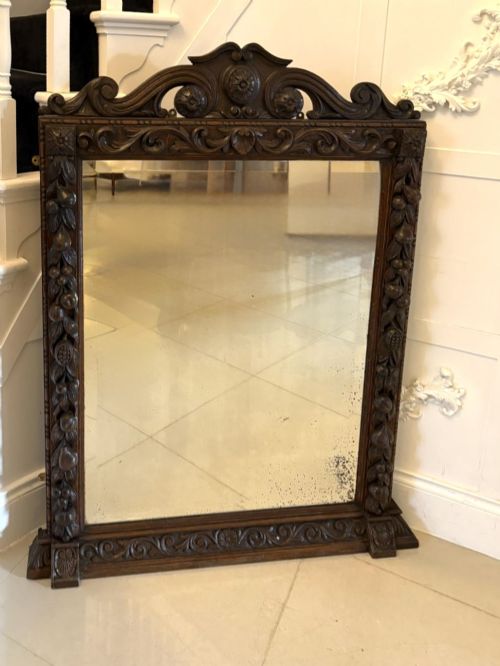
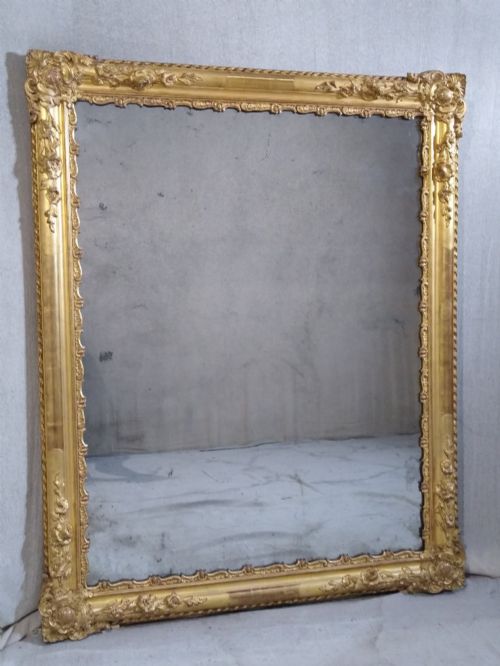
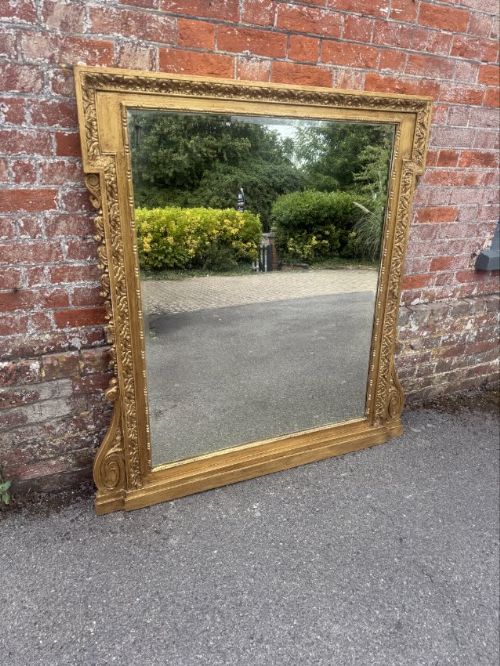
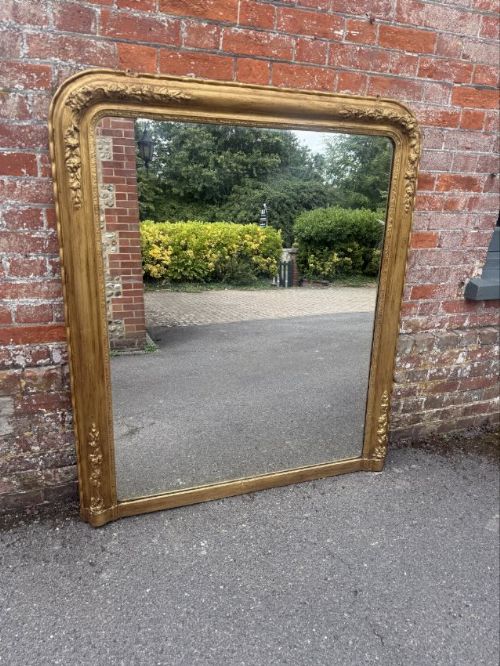
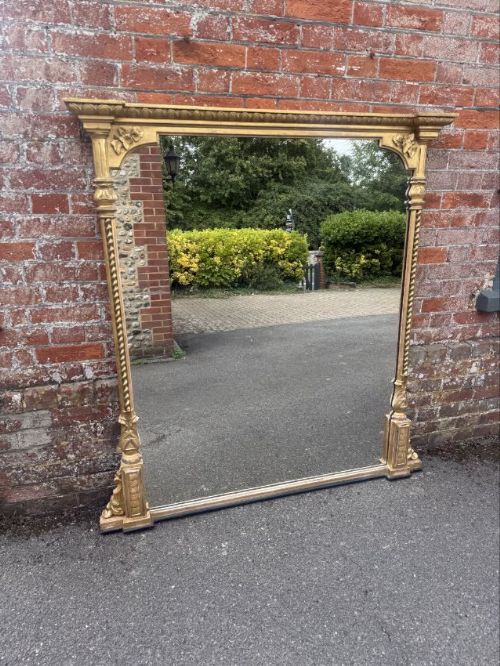
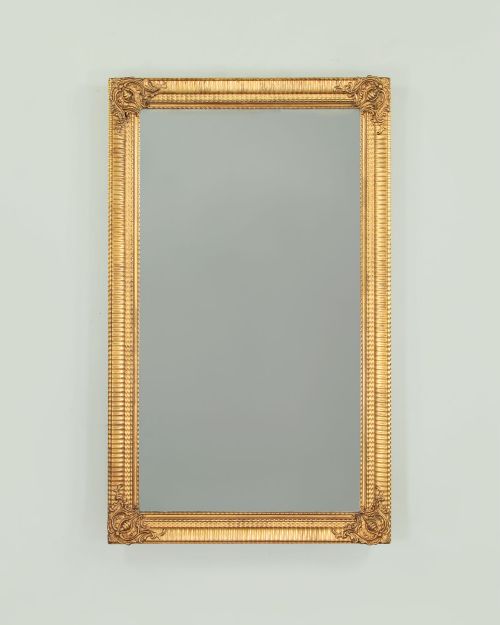
A victorian carved overmantel is a large mirror designed to sit directly above a fireplace mantelpiece, dominating the chimney breast. The pieces found here span the nineteenth century, including specific dates from the 1850s through to the 1890s, alongside Edwardian examples.
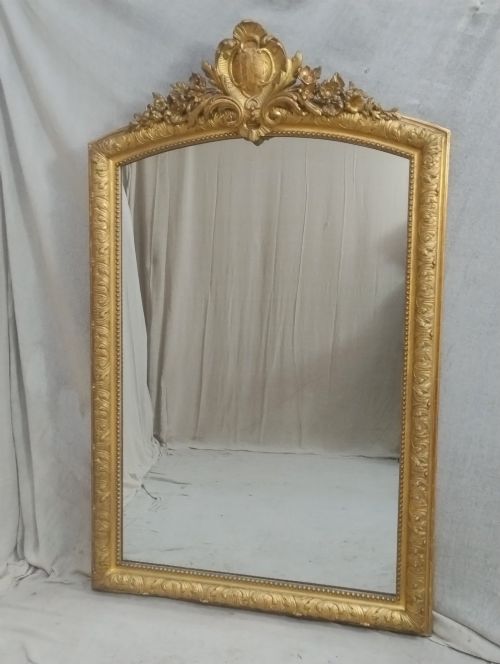
Stylistic influences range from French Chateau and Rococo Revival to Gothic Revival and Chinese Chippendale. Arched tops, shaped frames, and triple plates appear frequently across the selection.
Materials and construction methods
Carved wood provides the structural framework, utilising solid timber such as oak, walnut, and mahogany. Artisans shaped these woods into elaborate panels, column frames, and rope twist designs.
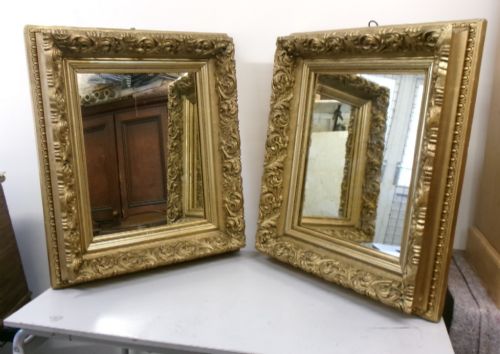
Gesso and gold leaf or composition are applied over wood bases to create brilliant gilded surfaces. Skilled hands modelled acanthus leaves, scrollwork, and figurative details into the plaster and gilt layers before finishing.
Mirror glass plates, sometimes bevelled or arranged in triple plate configurations, are secured within the heavy frames. Structural integrity relies on robust timber backing and substantial joinery to support the impressive weight.
Victorian Carved Overmantel Retail Price Guide 2026
Typical asking prices for victorian carved overmantel among the pieces listed under this phrase on Sellingantiques today, from the lower quarter to the upper quarter. They describe what is for sale here now, not the wider market.
Certain Victorian panels feature carved lion heads and green men peering out from the woodwork to watch over the hearth.
Distinctions in craftsmanship
The depth and crispness of the hand-carving set finer examples apart from simpler production. Relief work featuring organic motifs like acanthus leaves or heraldic elements displays superior artistic control when undercut cleanly from the solid wood.
The application and preservation of the gilt surface dictate visual presence. High-grade pieces exhibit meticulous preparation of gesso layers beneath gold leaf, retaining rich reflectivity and tonal depth across complex mouldings.
Proportion and scale contribute heavily to desirability, especially in monumental formats with arched or triple-plate glass configurations. The harmony between the architectural frame and the original mirror plate governs overall integrity.
The Victorian Carved Overmantel Glossary
- Overmantel
- A mirror or decorative panel specifically made to hang on the wall directly above a fireplace mantel. These items often feature wide horizontal proportions to match the width of the fireplace below.
- Gesso
- A plaster-like mixture applied to wood frames as a smooth base for gilding or painting. Artisans mould intricate relief decorations directly into this material.
- Giltwood
- Timber that has been coated with gold leaf or metallic powder over a prepared surface. This technique produces a luminous, reflective golden finish.
- Rococo Revival
- A nineteenth-century design movement inspired by eighteenth-century French rococo art. It is characterised by asymmetrical scrollwork, C-scrolls, and exuberant naturalistic plant motifs.
- Pier glass
- A tall mirror designed to be hung on the pier, the section of wall space between two windows. These mirrors often match the height and grandeur of large overmantels.
Victorian Carved Overmantel: Frequently Asked Questions
Where should an overmantel be hung?
These mirrors anchor themselves directly above a fireplace mantelpiece, serving as the central focal point of a room. Positioning them at the correct height allows them to reflect natural light and balance the vertical space of the chimney breast.
Securing such heavy items requires robust wall fixings anchored securely into solid masonry or studwork. Professional installation ensures the substantial weight of the timber and glass is supported safely.
How do I identify a nineteenth-century piece?
Examine the construction methods visible on the reverse of the frame, including hand-cut joins and aged timber patination. Nineteenth-century examples frequently utilise heavy gesso over carved wood and hand-applied gilding techniques.
Look for characteristics specific to revival styles popular during the period, such as Rococo or Gothic Revival motifs. Original mirror glass often displays subtle imperfections, foxing, or wave patterns unique to older manufacturing processes.
What is the difference between oak and gilded overmantels?
Oak overmantels showcase the natural grain and warm tones of the timber, frequently featuring robust architectural mouldings or carved panels. They lean towards a solid, architectural aesthetic suited to libraries and panelled rooms.
Gilded versions prioritise luminosity and decorative exuberance, using gold leaf over gesso to bounce light around a drawing room. These pieces rely on elaborate carved ornamentation rather than exposed wood grain for their visual impact.
How do I care for antique giltwood frames?
Maintain the surface by gently dusting with a dry, soft ostrich feather duster to remove particles without disturbing the delicate gilt layer. Avoid liquid cleaners, moisture, and chemical polishes, which strip or damage historical gold leaf and composition ornaments.
Keep the frame away from direct sunlight and fluctuating heat sources such as active fireplaces. Stable indoor humidity prevents the underlying gesso from cracking and preserves the structural stability of the carved wood.