
Victorian Carved Oak Stand
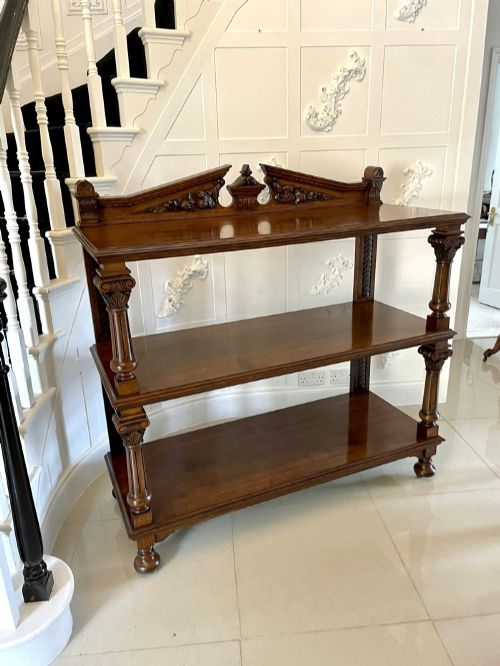
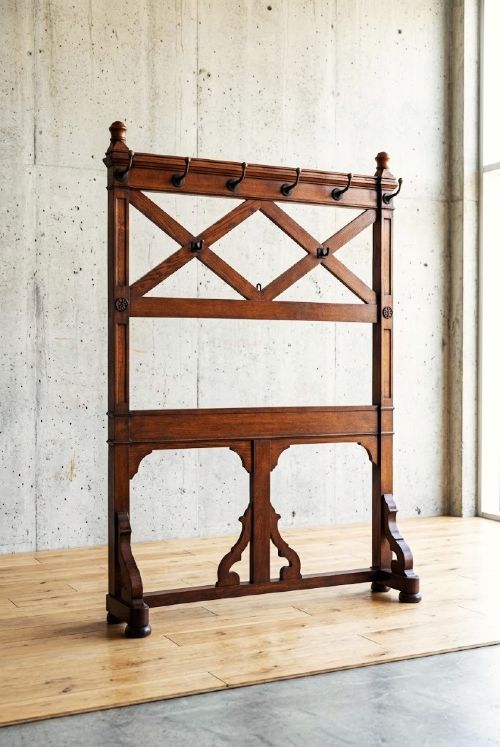
These robust items of Victorian carved oak stand furniture bring historic architectural character and practical utility into a hallway or interior.
Victorian Carved Oak Stand
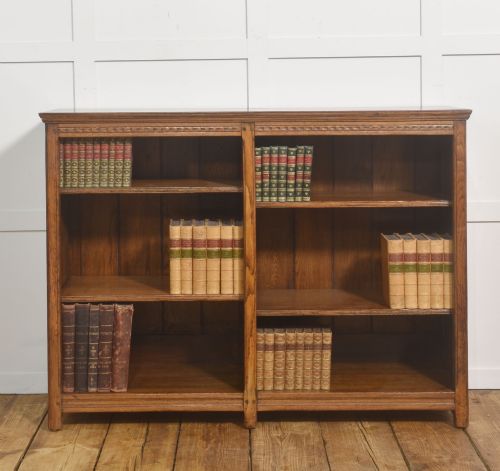
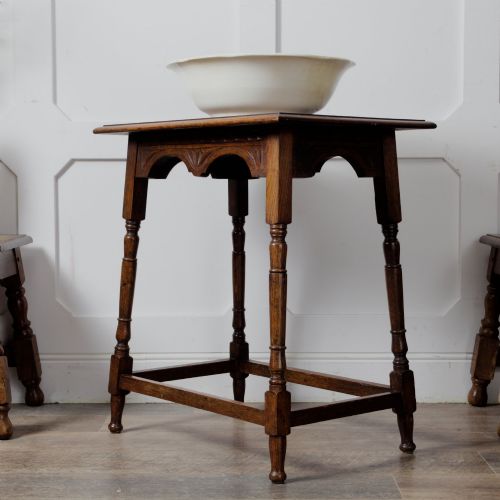
A search for a victorian carved oak stand reveals an array of utilitarian and display pieces designed for nineteenth-century interiors. These encompass hall stands for hats and coats, umbrella stands, reading pods, and occasional tables shaped during the Victorian era and adjacent periods.
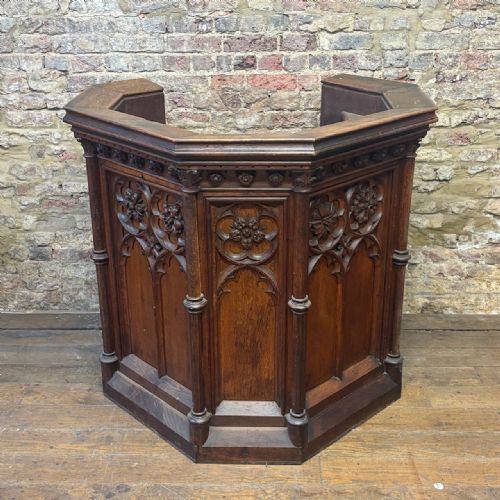
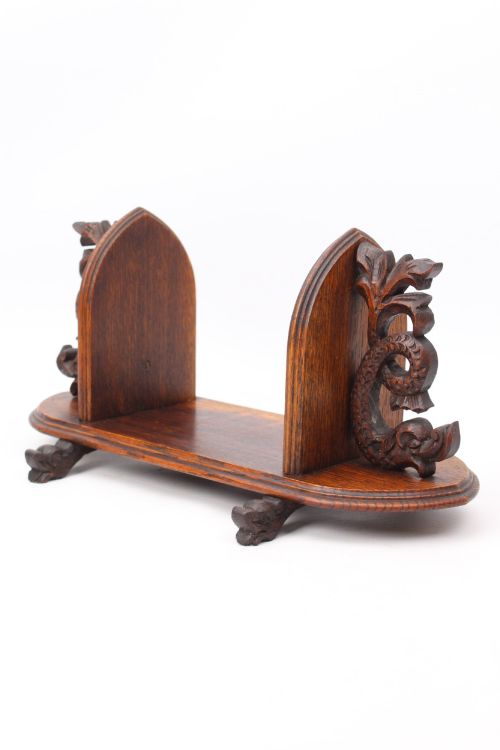
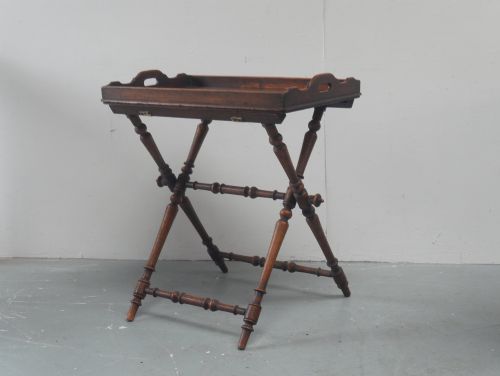
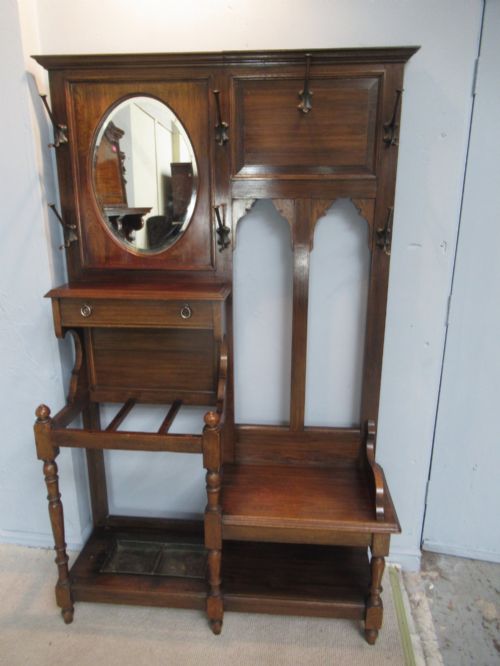
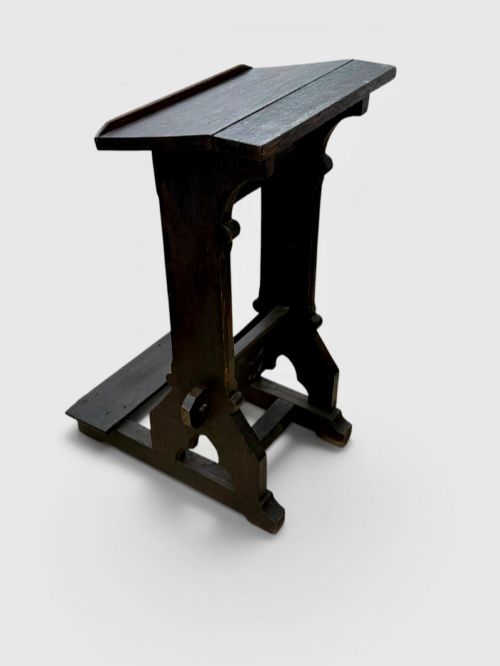
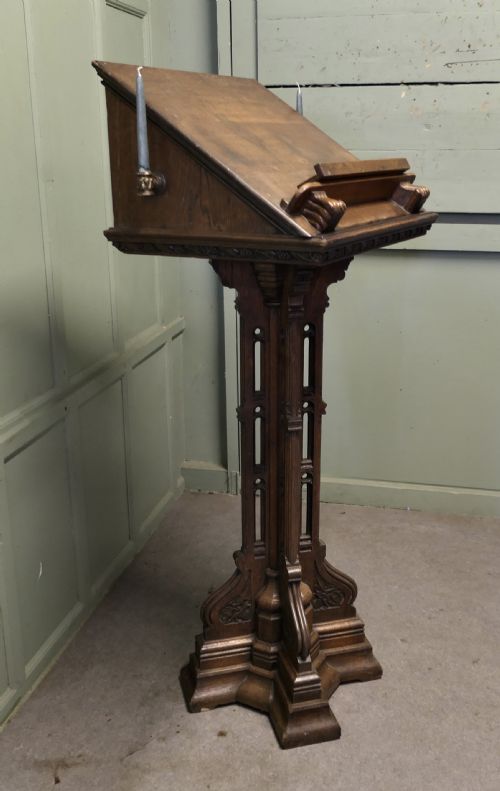
The hall stand forms most commonly met on this page often incorporate mirror panels, coat hooks, and drip pans for sticks. Variants stretch into church lecterns, prayer desks, book stands, and dumbwaiters fashioned from solid timber.
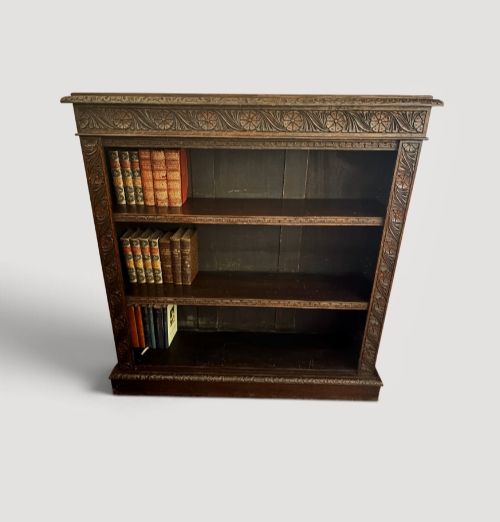
Stylistic influences span Gothic Revival, Jacobean Revival, and Aesthetic Movement designs. Pieces range from austere country house furniture to elaborate items bearing carved green man masks or knight details.
Markers of Quality
Structural integrity and the selection of timber dictate the standing of a piece within the range. Heavy stock timber and well-balanced frames command greater respect than lightweight constructions assembled from thin veneers.
Materials paired with oak across these records include brass hardware, mirrored glass, antler bone, and cast iron.
J. Parker of Woodstock·Frederick Cox, London
The Victorian Carved Oak Stand Glossary
- Green Man
- A sculptural motif depicting a human face emerging from or entwined in foliage. It symbolises rebirth and appears frequently on Victorian hall furniture.
- Gothic Revival
- An architectural and decorative style drawing inspiration from medieval design. It is characterised by pointed arches, trefoils, and heavy structural timbers.
- Barley Twist
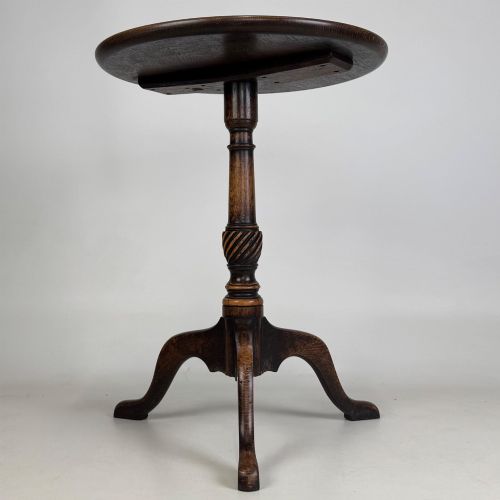
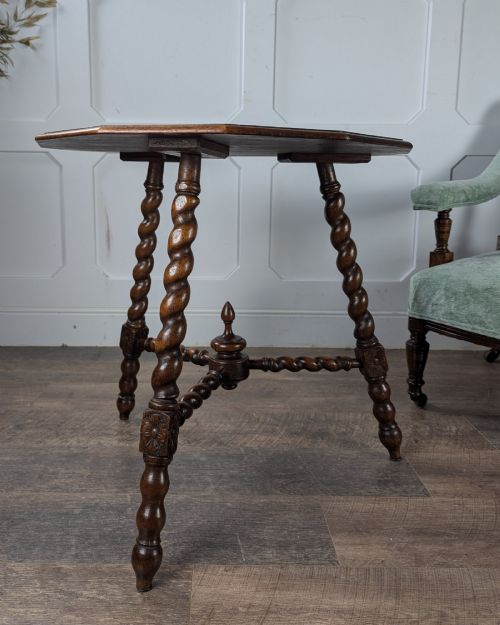
- A turning technique producing a spiral column resembling twisted rope. This profile is common on the legs and supports of nineteenth-century tables and stands.
- Hall Stand
- A multi-functional hallway furnishing combining coat hooks, a mirror, glove boxes, and umbrella holders. These items greeted visitors upon entry to a Victorian home.
Victorian Carved Oak Stand: Frequently Asked Questions
What is a Victorian hall stand used for?
These tall hallway fixtures provided a dedicated place for guests and family to deposit hats, coats, and walking sticks upon entering the house. The integrated mirror allowed people to check their appearance before stepping back outside.
Many designs also featured small compartments or drawers for gloves, brushes, and visiting cards, keeping the entrance tidy.
How can I tell a Gothic Revival stand apart?
Gothic Revival pieces display distinct architectural motifs borrowed from medieval churches and cathedrals. Look for pointed arch profiles, trefoil cutouts, and heavy chamfered edges.
The carving on these stands often mimics stone tracery or quatrefoil patterns translated into solid timber.
Where should I place an oak umbrella stand?
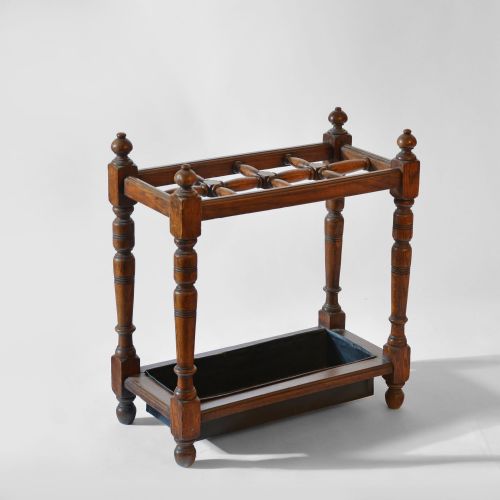
Umbrella and stick stands suit entrance halls, boot rooms, or porches where damp items can be stored safely. The internal metal trays catch water dripping from wet canopies.
Ensure the space allows adequate air circulation so moisture does not linger against the old wood.
Are these stands made of solid oak?
Most pieces catalogued under this heading utilise solid oak construction, sometimes complemented by turned elements and applied mouldings. The dense timber provides the necessary weight to support heavy winter overcoats.
Period workshops selected quarter-sawn oak for stability and distinctive medullary ray patterns across the surface.