
Victorian Carved Oak Chair
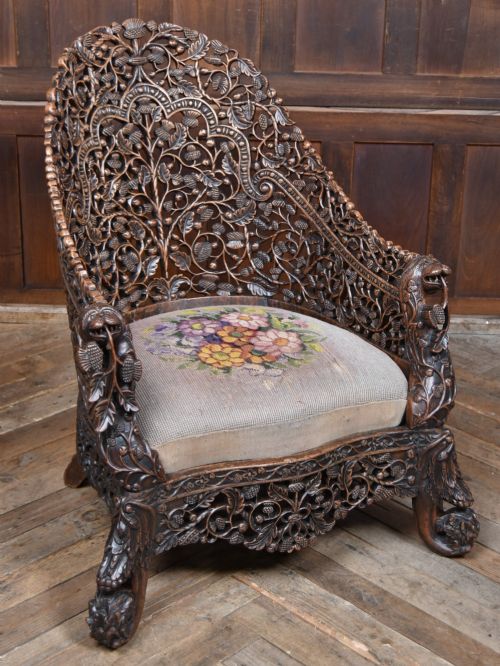
A victorian carved oak chair brings robust architectural presence and deep relief work into a hallway or study.
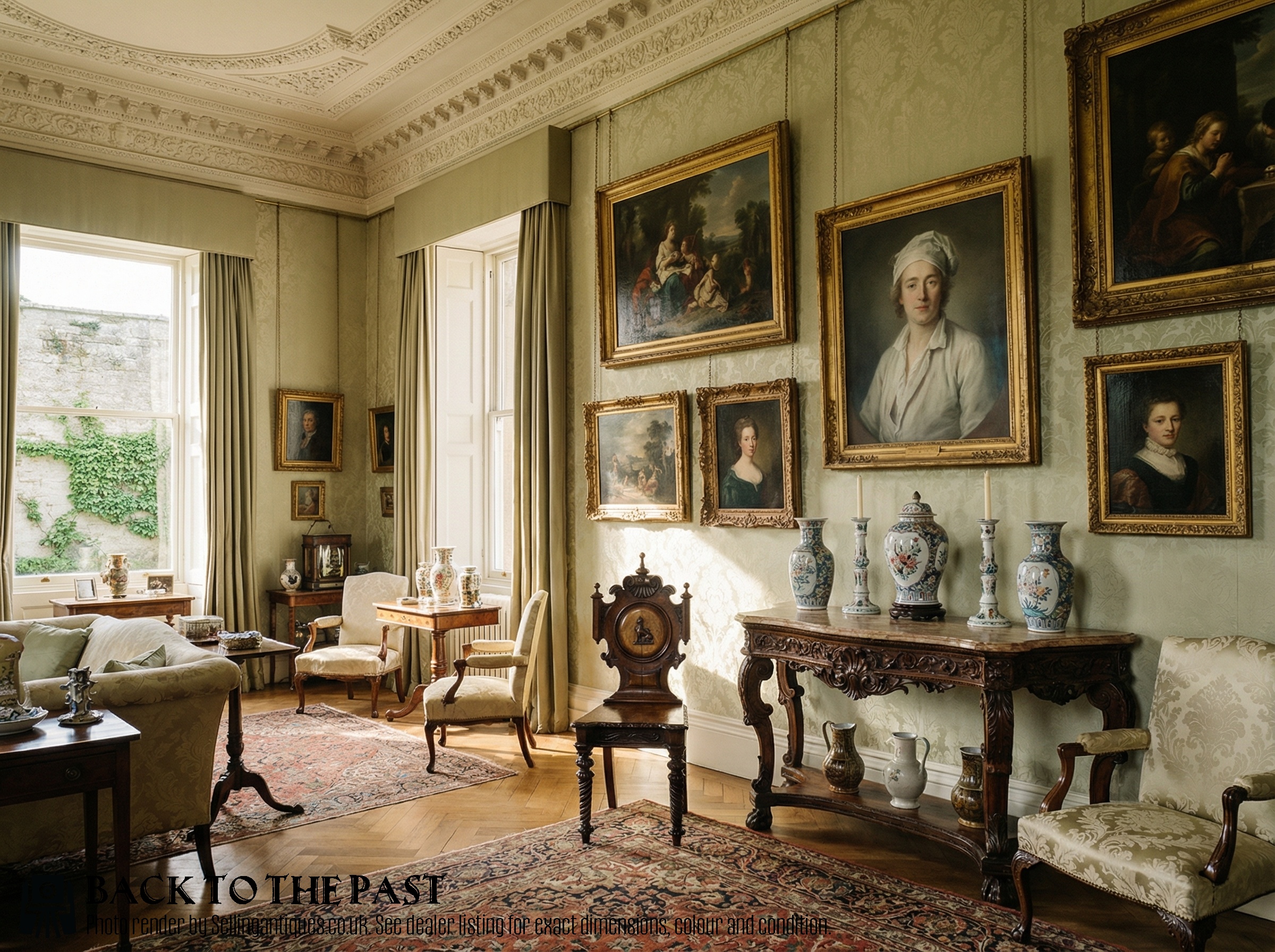
Forms and Origins
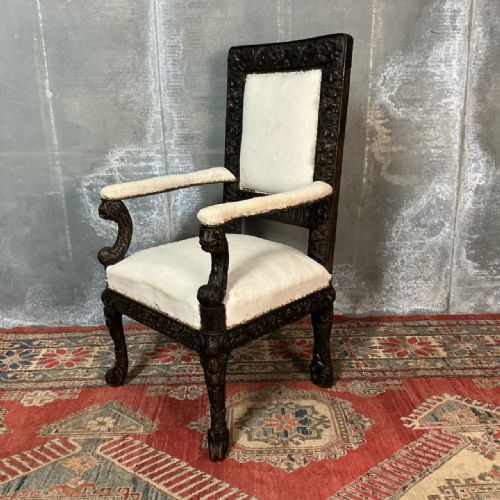
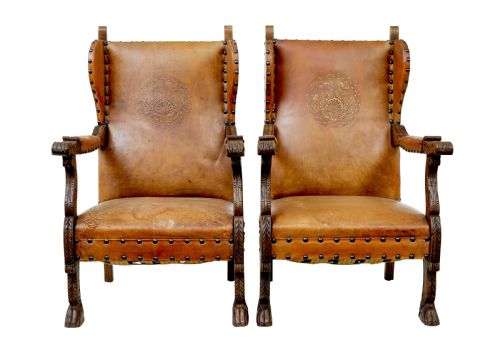
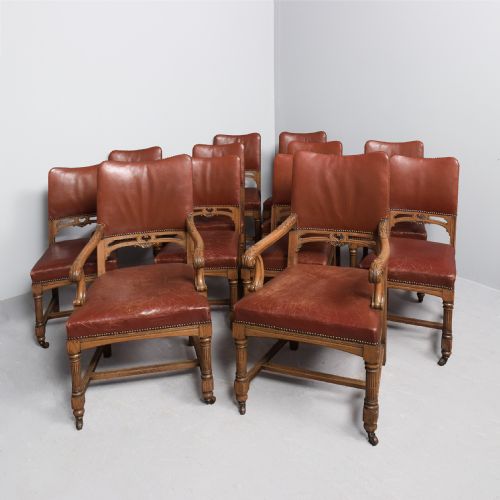
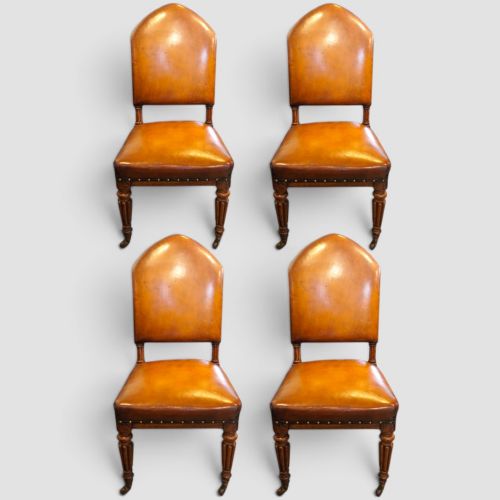
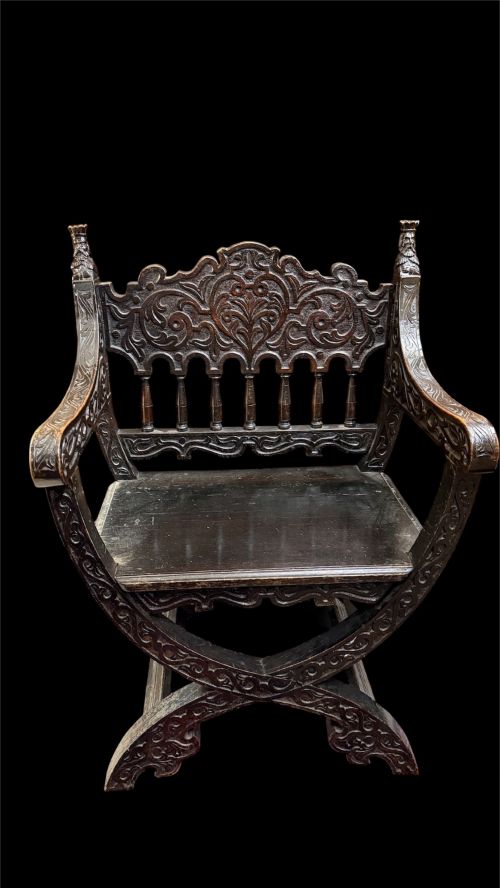
A victorian carved oak chair encompasses a sturdy range of seating from single hall chairs to imposing throne armchairs. The pieces appearing here span the nineteenth century, including specific decades from eighteen fifty to eighteen ninety, alongside broader nineteenth century examples.
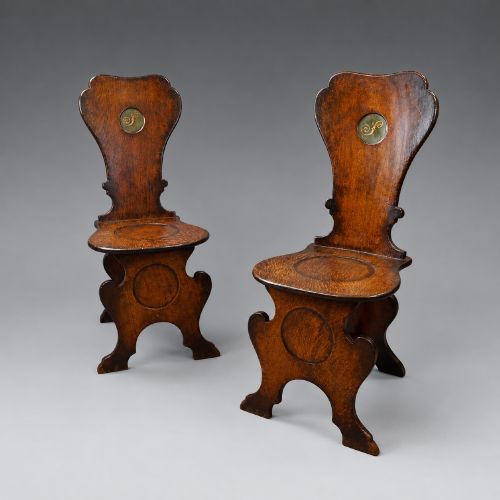
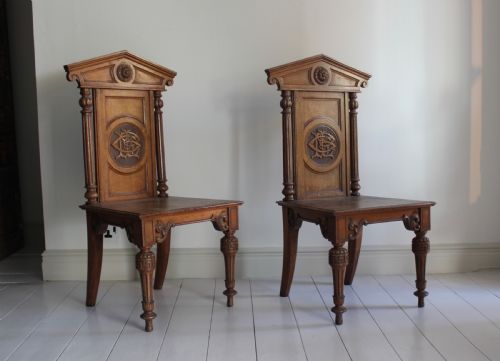
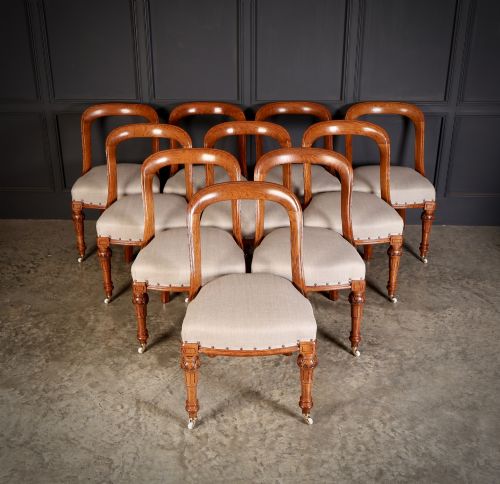
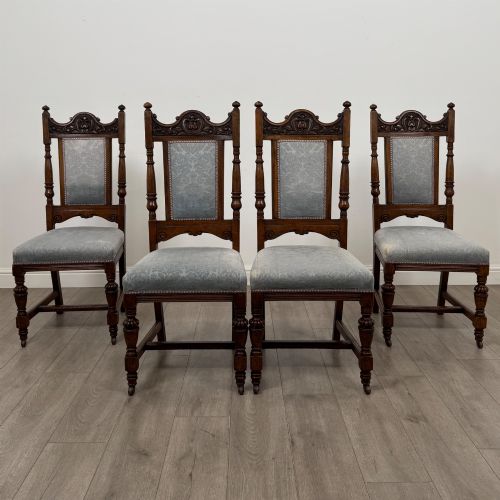
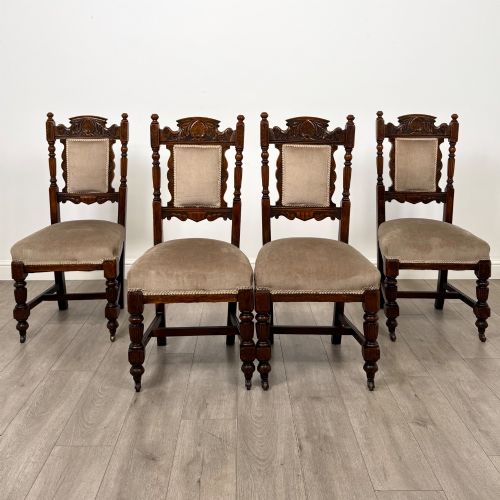
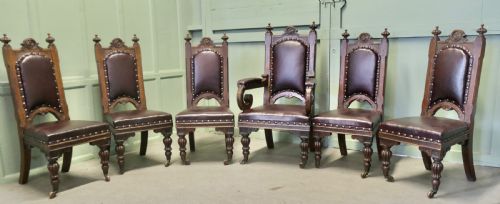
Hall chairs and dining chairs form the core of the selection, accompanied by elbow seats, corner chairs, wainscot chairs, and occasional chairs. Regional origins cover English and Scottish workshops, drawing upon classical inspiration and Gothic revival styles.
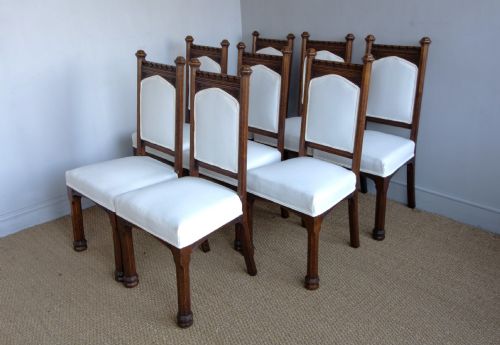
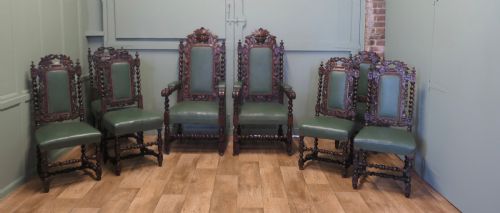
The aesthetic vocabulary leans heavily on Gothic Revival, Carolean influences, and Classical Revival. Pieces emerge in single items, pairs, and substantial sets reaching up to eight matching chairs.
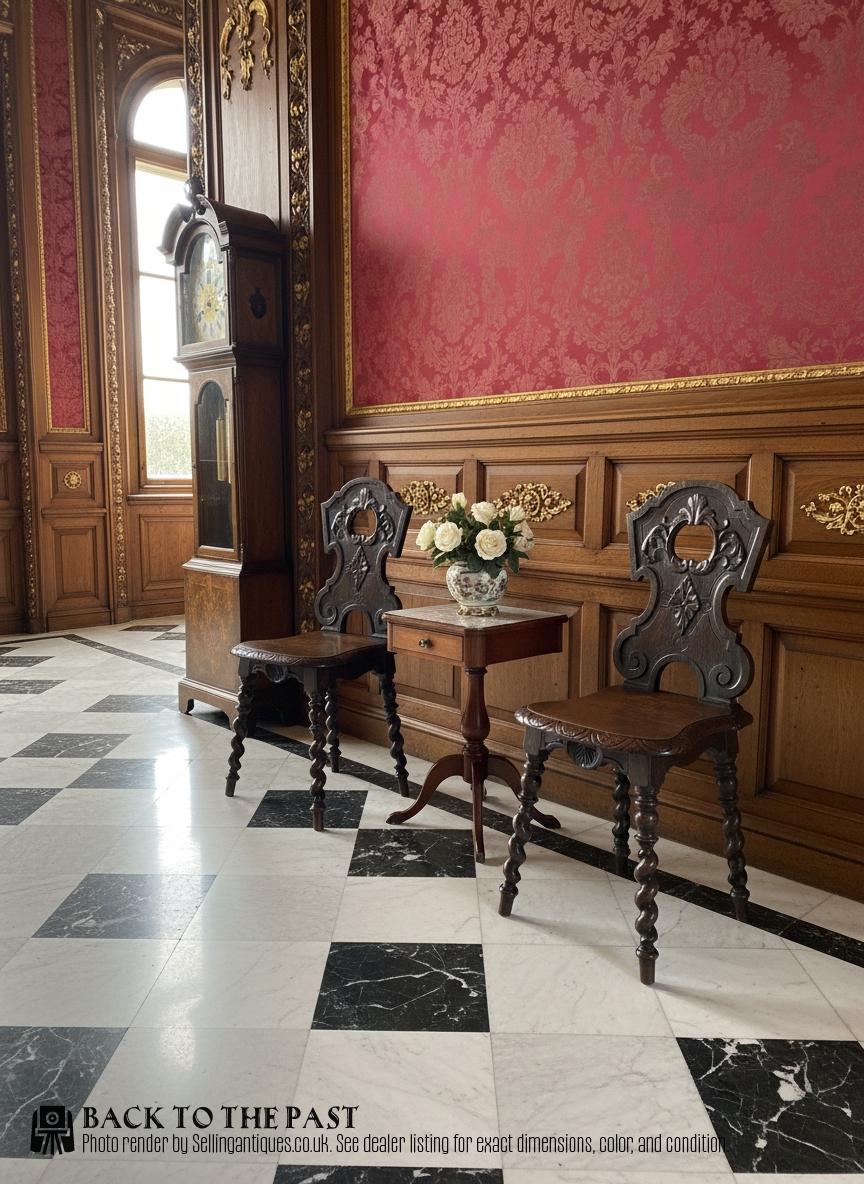
Standards of Craft
Quality rests in the crispness of the timber carving and the density of the oak selection. Superior examples display spirited execution in figural motifs like gargoyles and green men rather than repetitive, shallow stamping.
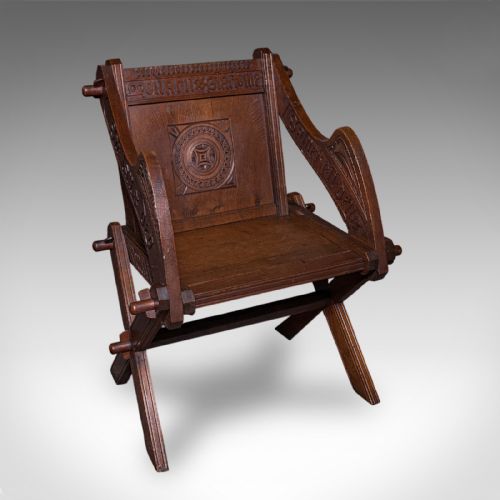
Proportion and structural mass dictate the upper tier of the range, seen in throne chairs and matched dining sets. The handling of the wood grain and the integration of stylistic details such as X frames separate standard hall seating from exhibition pieces.
Retail Price Guide 2026
Typical UK retail prices for victorian carved oak chair, calculated from the Sellingantiques database of over a million retail prices indexed since 2003. This retail price guide relies exclusively on Sellingantiques data; no external sources or auction records are used, so the figures do not describe the wider market.
Current and archived listings show oak as the exclusive timber, spanning the Victorian era with particular concentration in the decades around eighteen eighty.
The Victorian Carved Oak Chair Glossary
- Gothic Revival
- An architectural and decorative style drawing on medieval forms, featuring pointed arches and heavy tracery. This aesthetic dominates much nineteenth-century seating.
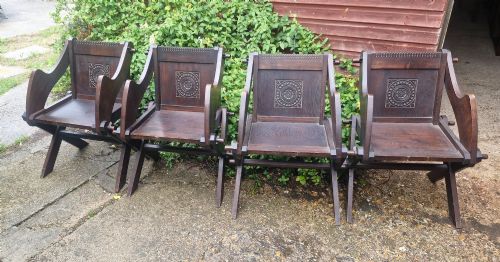
- Wainscot chair
- A heavy wooden armchair with a paneled back and solid seat, rooted in earlier centuries but revived during the Victorian era. These pieces offer substantial architectural weight.
- Gargoyle chair
- Seating carved with grotesque or mythical creatures integrated into the woodwork. Such ornamentation reflects the Victorian taste for dramatic architectural detail.
- Green Man
- A sculptural motif depicting a human face entwined with foliage and vines. It appears frequently in nineteenth-century oak enrichment.
- Carolean style
- A decorative manner reviving the ornate carving and scrollwork of the reign of Charles the Second. It informs the scroll fronts and cresting of various dining and hall seats.
Frequently Asked Questions
Where did these chairs originally sit?
These pieces were built primarily for entrance halls, grand dining rooms, and ecclesiastical or formal reception spaces.
Their sturdy timber construction suited high-traffic areas where guests waited or coats were shed.
How do I spot a Gothic Revival piece?
Look for structural elements such as pointed arches, tracery patterns, and heavy frame construction.
These details mimic medieval stone architecture translated into solid timber.
Are dining chairs found in sets?
The archive and current selection include matched sets ranging from four up to eight chairs.
Finding larger assembled groups of carved oak dining seating remains less common than single hall chairs.
What is a wainscot chair?
A wainscot chair is an armchair constructed with a solid wooden back panel and enclosed sides.
This form provides a heavy, throne-like silhouette distinct from upholstered parlour seating.