

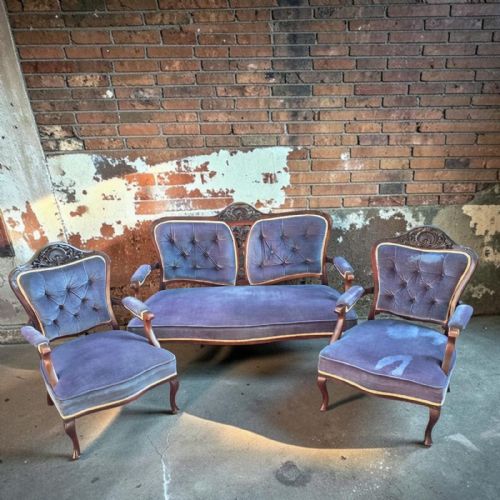
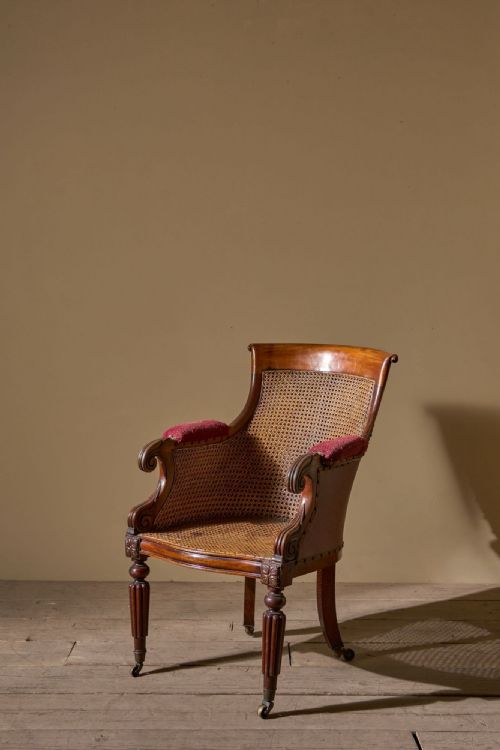
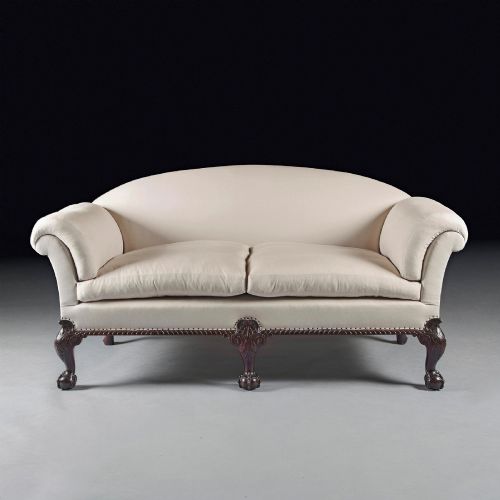
Victorian Carved Mahogany Seating
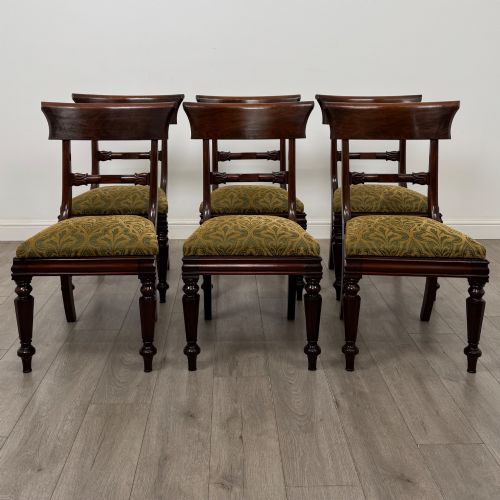
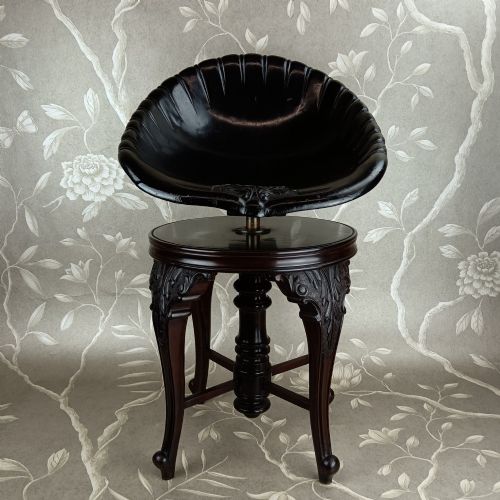
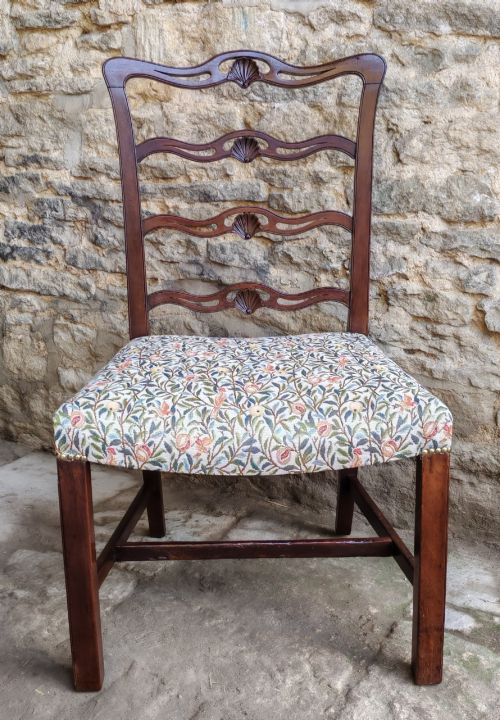
Victorian carved mahogany seating delivers sturdy timber forms and rich upholstery, bringing robust nineteenth-century character to domestic rooms.
Victorian Carved Mahogany Seating
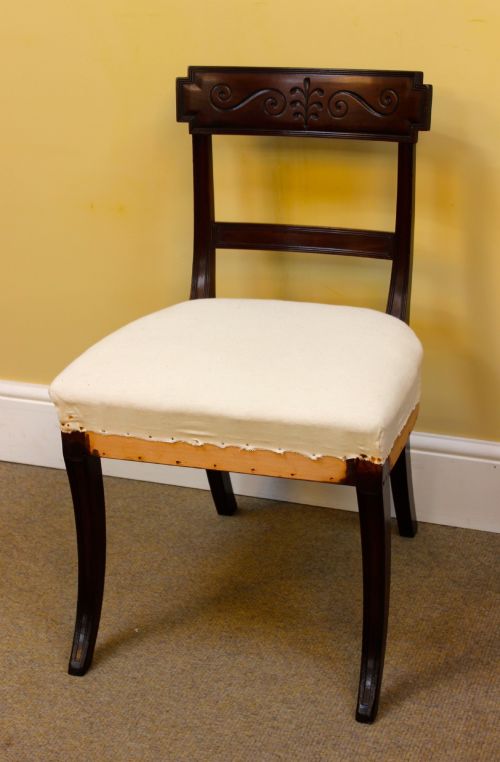
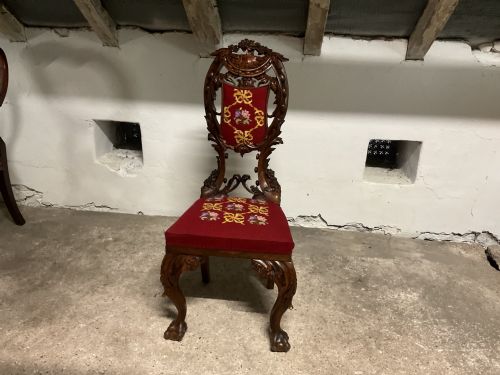
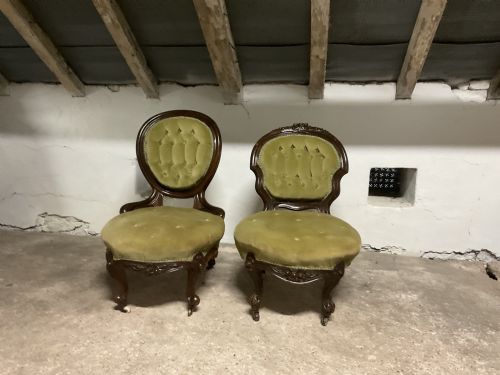
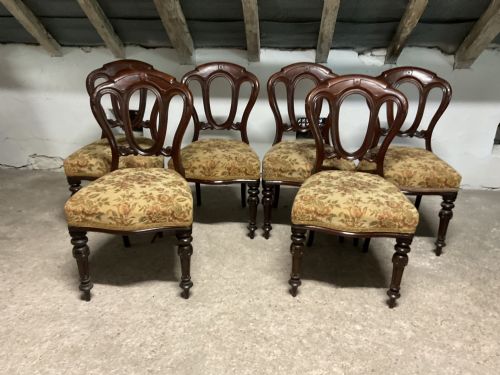
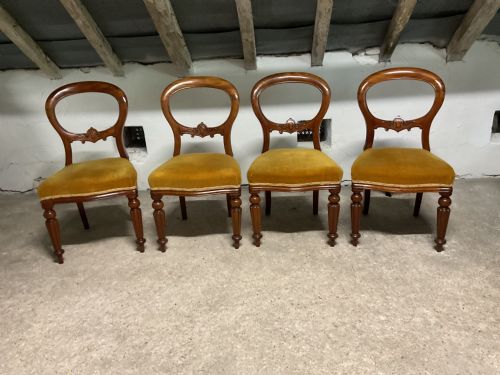
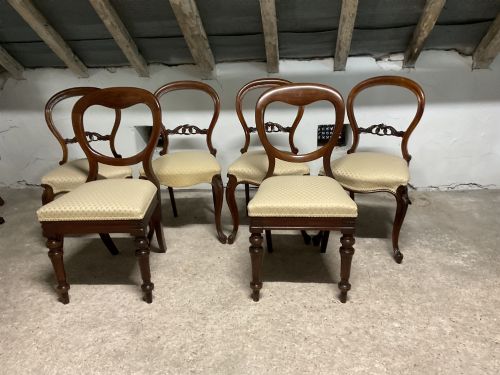
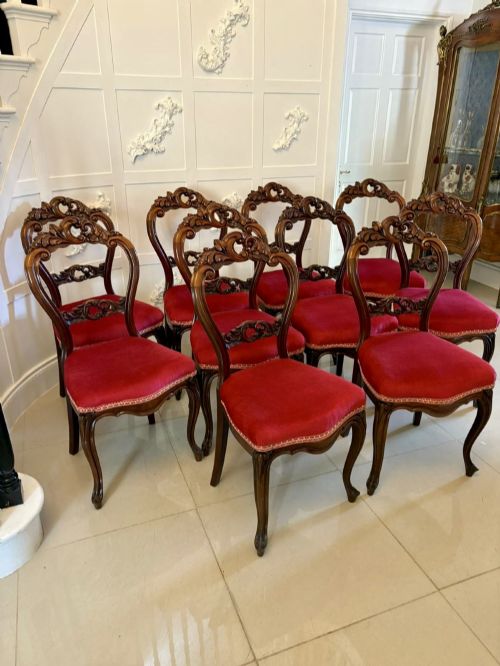
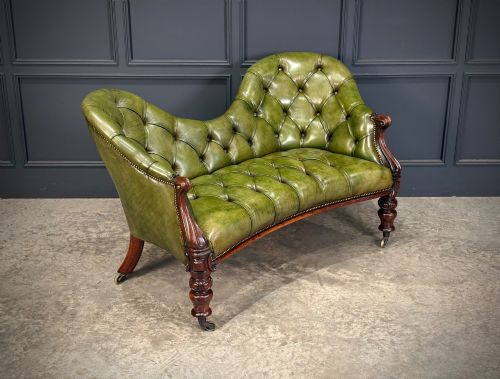
Victorian carved mahogany seating encompasses a diverse range of furniture designed for practical use and formal reception rooms across the nineteenth century. Buyers encounter everything from single hall chairs and library armchairs to matched sets of dining chairs and multi-piece salon suites.
The material focus centres firmly on rich mahogany timber, shaped through periods that embrace William IV, Regency revivals, and Rococo styling. Dining chairs and library seats dominate the available forms, often featuring traditional upholstery in leather, velvet, or damask.
Pieces span decades from mid-century productions to later revival interpretations, reflecting changing domestic fashions. Selecting the right example depends on whether the requirement is for a single occasional seat or a large suite for a dining room.
Assessing Quality and Craftsmanship
The standard of carving defines the distinction between standard utilitarian items and superior pieces commissioned for grander houses. Crisp lines, deep relief work, and refined timber selection separate exceptional examples from simpler production.
Integrity of the wooden frame and the quality of historical or modern upholstery materials dictate the overall standing of a chair or settee. Original leather and intact structural joinery command greater appreciation among discerning collectors.
Listings feature mahogany, brass, and velvet alongside traditional upholstery fabrics across nineteenth-century periods.
Jennens and Bettridge·Warings·Howard and Sons·Jas Shoolbred·Gillows
The Victorian Carved Mahogany Seating Glossary
- Balloon Back
- A rounded, curved chair back resembling a balloon shape, popular in mid-nineteenth-century domestic seating. This design provides ergonomic lumbar support while displaying the grain of the mahogany timber.
- Spoon-Back
- An upholstered chair or sofa back hollowed out in the centre to resemble the bowl of a spoon. It offers comfortable padding that conforms to the human form.
- Carver
- An armchair, typically designed en suite with a set of smaller side chairs for use at the head of a dining table. These pieces feature supportive armrests alongside the carved backrest.
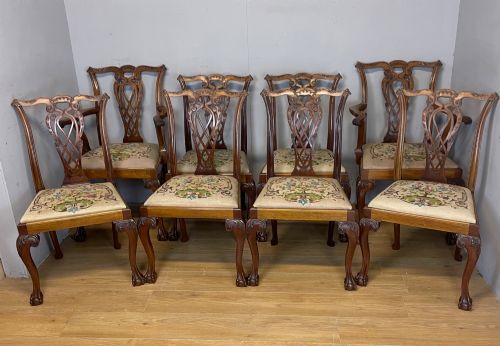
- Chippendale Revival
- A later nineteenth-century stylistic movement copying eighteenth-century motifs such as ribbon backs and ball-and-claw feet. It combines historical design with Victorian manufacturing techniques.
- Damask
- A reversible figured fabric traditionally woven with patterns visible on both sides, utilised for rich upholstery. It adds texture and visual depth to formal seating suites.
Victorian Carved Mahogany Seating: Frequently Asked Questions
How do I care for antique mahogany frames?
Dust timber surfaces regularly with a soft, dry cloth to prevent the accumulation of dirt in carved recesses. Avoid placing furniture in direct sunlight or near heat sources to protect the mahogany from drying out.
Condition the wood periodically with appropriate natural waxes rather than modern silicone polishes. This preserves the natural lustre of the timber without building up unwanted residues on the carved details.
Were these chairs meant for everyday dining?
Many sets were commissioned specifically for formal dining rooms in nineteenth-century homes, where guests gathered for lengthy meals. Their sturdy mahogany construction ensured they could endure regular daily use by family members.
Heavier library chairs and hall seats served different domestic functions, providing temporary resting spots or supporting formal reception duties near entranceways.
How can I identify a revival piece?
Revival items often incorporate nineteenth-century manufacturing methods while mimicking earlier stylistic periods like the eighteenth century. Examining the construction underneath and the specific cut of the mahogany helps establish the actual date of manufacture.
Maker stamps or labels can occasionally clarify whether a piece originates from a specific nineteenth-century firm producing revival furniture.
Can I mix different chair styles together?
Combining individual side chairs or pairing carvers with mismatched seating creates an eclectic interior scheme common in traditional country houses. Ensure the wood tones share a similar mahogany warmth to maintain visual cohesion across the room.
Scale and seat height remain important practical considerations when assembling a mismatched group for around a table.