

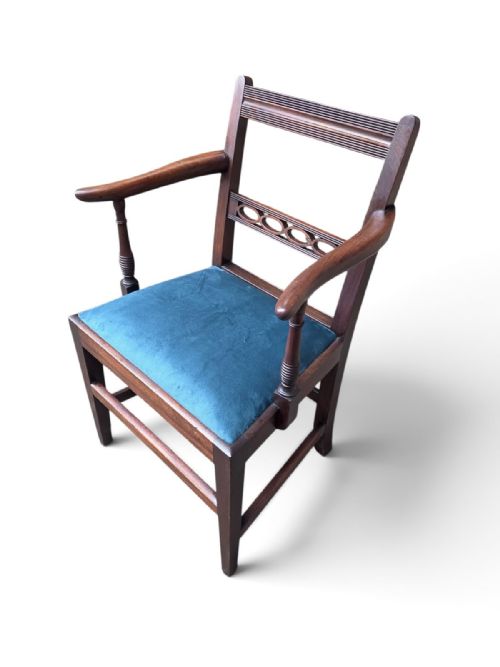
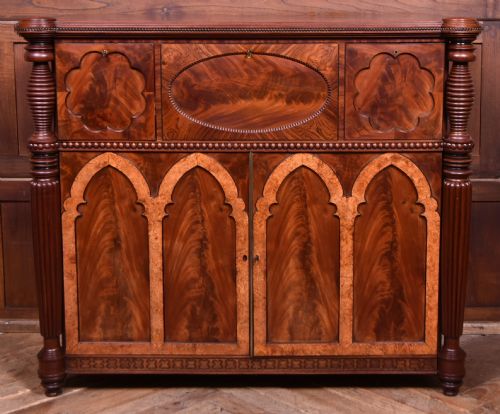
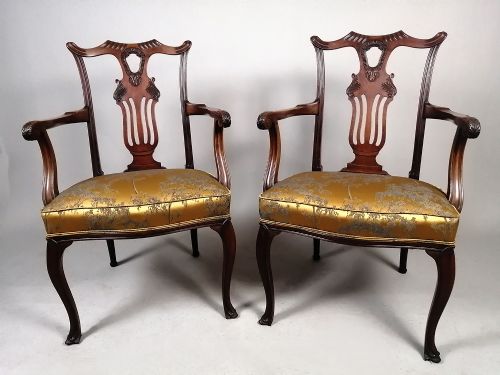
Victorian Carved Mahogany Desk
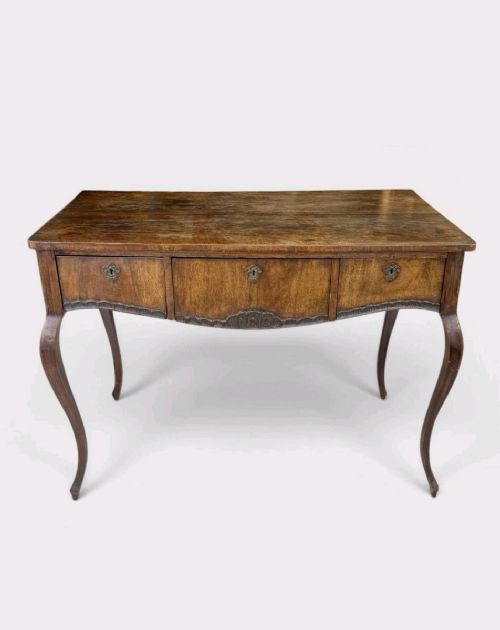
A victorian carved mahogany desk brings substantial weight and rich timber tone to a room, offering a sturdy surface designed for serious correspondence.
Victorian Carved Mahogany Desk
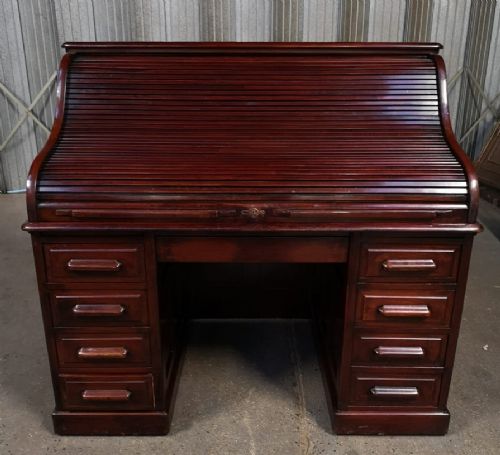
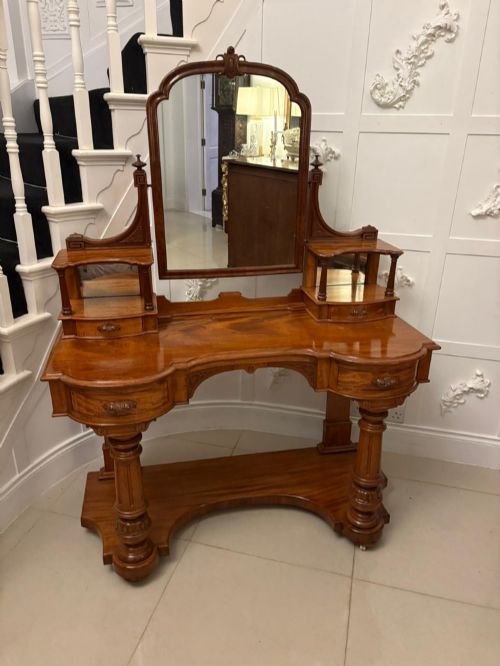
A victorian carved mahogany desk typically appears as a substantial pedestal form, a writing table, or a specialised Davenport, reflecting the industrious spirit of the nineteenth century. These pieces originate from the Victorian era, spanning decades from the 1850s through the 1890s, with robust pedestals and writing surfaces tailored for functional daily use.
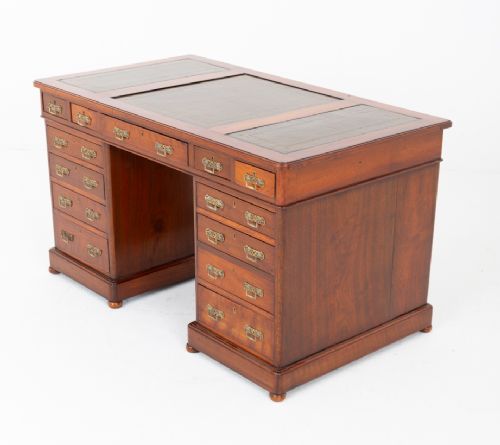
Pedestal desks dominate the selection, offering twin banks of drawers beneath a generous top often inset with leather. Alongside these, writing tables and Davenport forms appear frequently, providing compact writing spaces adapted to smaller chambers or grand libraries alike.
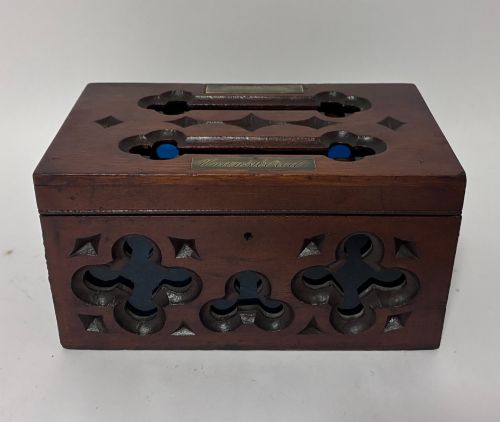
Stylistic variations range from restrained classical lines to elaborate Gothic Revival and Chippendale Revival interpretations. Carved details such as scrollwork, ribbon motifs, and panelled pedestals appear across these forms, grounding each piece in the aesthetic vocabulary of nineteenth century cabinet making.
Materials and Construction
Construction relies heavily on solid mahogany and flame mahogany veneers applied to structural secondary timbers. This dense wood provides the structural integrity required for heavy pedestal bases and intricate carved mouldings.
Secondary materials complete the functional design, with brass hardware, castors, and hand-tooled leather writing surfaces inset into the top. These elements combine durability with tactile contrast against the dark timber grain.
Listings feature pedestal desks, writing tables, and Davenports rendered in solid mahogany, flame mahogany, and brass.
Distinctions in Execution
Quality reveals itself in the crispness of the hand carving and the selection of timber figures, such as flame mahogany veneer. Superior examples display deeply undercut foliage or scrollwork executed with precision rather than mechanical uniformity.
Internal construction standards, including dovetailed drawer boxes and well-fitted pedestal modules, separate master workshops from provincial output. The integration of quality brass fittings and durable leather writing inserts further distinguishes higher tier pieces.
Gillows·Maple and Co
The Victorian Carved Mahogany Desk Glossary
- Pedestal desk
- A form comprising two separate drawer pedestals supporting a large rectangular writing top. This configuration provides substantial storage space beneath the working surface.
- Davenport
- A compact writing desk featuring a sloping lid and side drawers. It was originally designed for use in small apartments or aboard ship.
- Partners desk
- A large pedestal desk designed to be used from both sides simultaneously. It incorporates opposing banks of drawers and cupboards.
- Flame mahogany
- A veneer cut from the fork of a mahogany tree to produce a distinctive flame-like pattern. Cabinet makers reserved this timber for primary display surfaces.
- Secretaire
- A writing cabinet containing a pull-down fall front that reveals internal compartments and small drawers. It combines storage with a concealed writing surface.
Victorian Carved Mahogany Desk: Frequently Asked Questions
What is flame mahogany?
Flame mahogany is a decorative wood veneer prized for its dramatic, undulating grain pattern resembling flickering flames. It was sliced from the boughs or forks of mahogany trees where the grain twisted naturally.
Cabinet makers applied these veneers to the primary drawer fronts and writing surfaces of high status furniture. The distinct figure creates a striking visual contrast against solid mahogany frames.
How do I care for a leather desk top?
Leather desk inserts require gentle cleaning with a slightly damp cloth followed by a neutral leather conditioner to prevent drying and cracking. Avoid using harsh chemical solvents or abrasive cleaners that strip the original dye.
Regular light dusting keeps debris from settling into the gold tooling along the edges. Maintaining the leather preserves both the historical surface and its smooth writing texture.
Were these desks used in offices?
Victorian desks served primarily in private libraries, grand country houses, and administrative offices of the nineteenth century. They provided secure storage for correspondence and account ledgers behind locked drawers.
Larger partner desks allowed two clerks or associates to work opposite one another in commercial or domestic settings. Their solid construction was intended to withstand decades of daily administrative labour.