
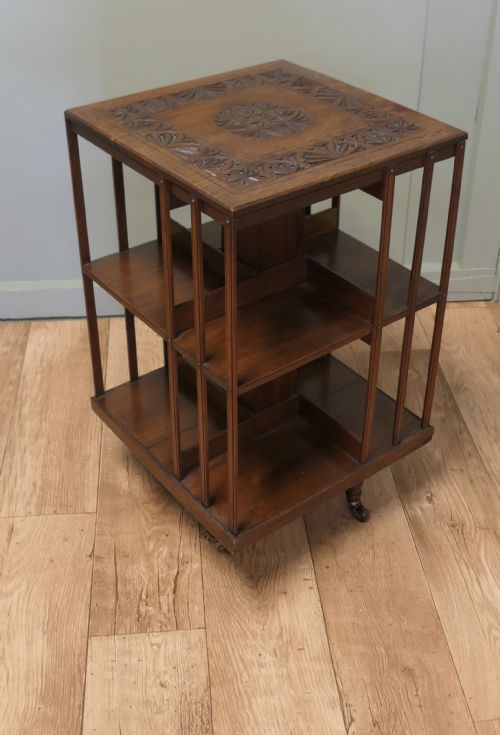
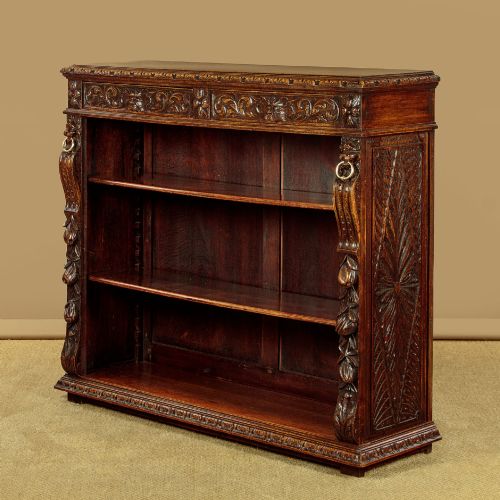
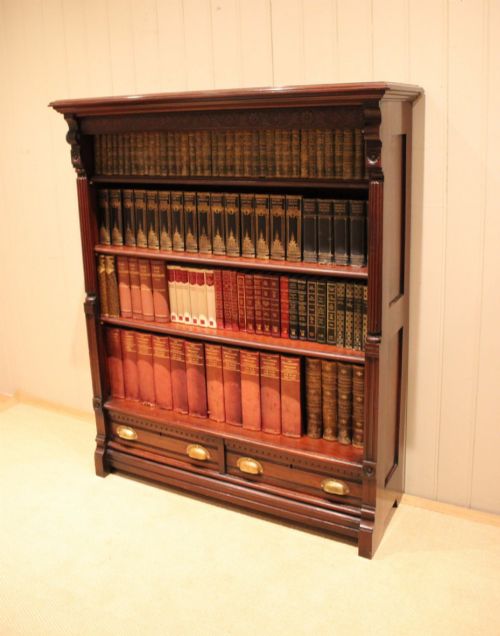
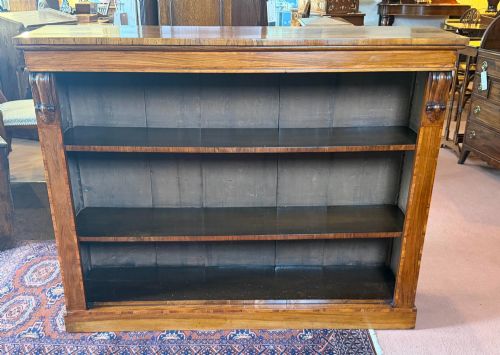
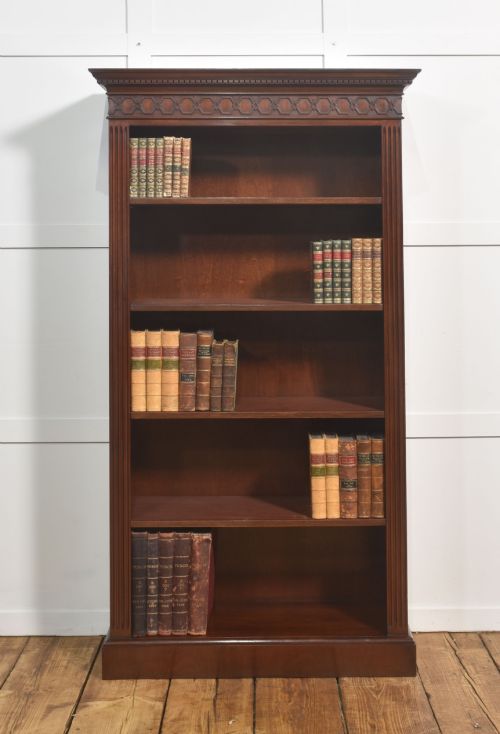
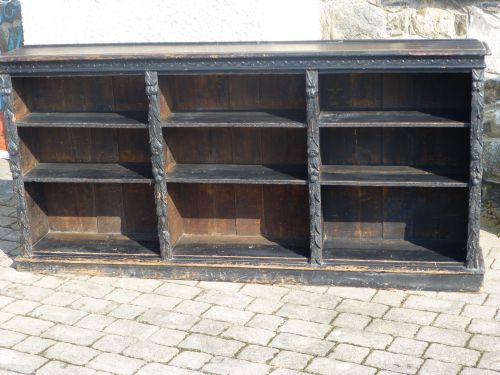
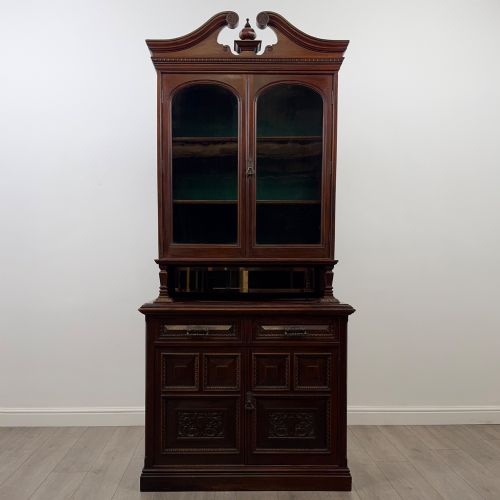
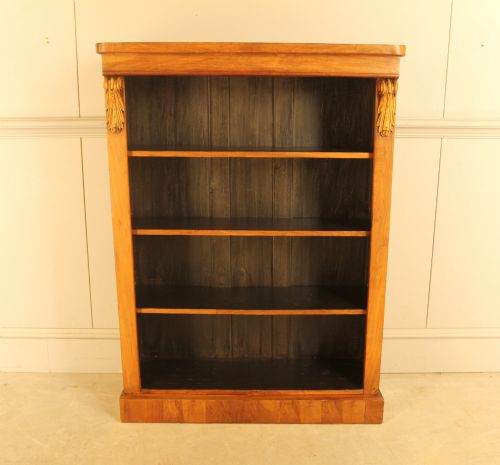
Victorian Carved Library Bookcase
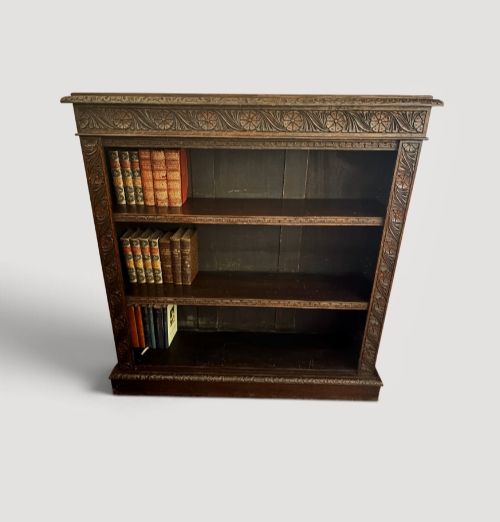
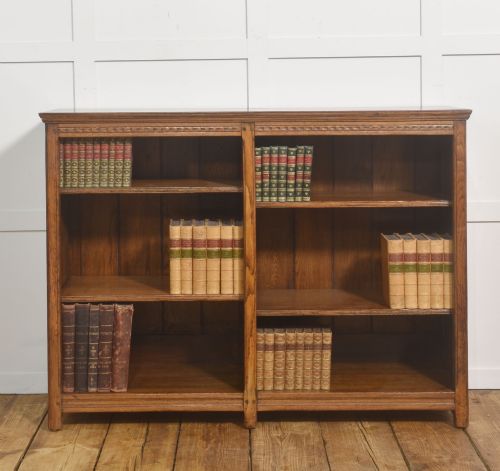
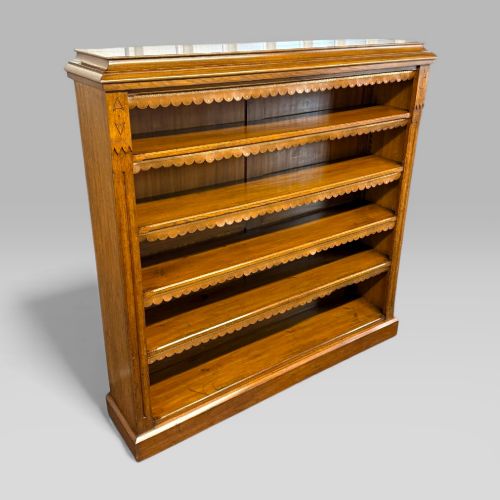
A victorian carved library bookcase brings heavy timber and formal storage into a room, offering deep shelves for serious collections.
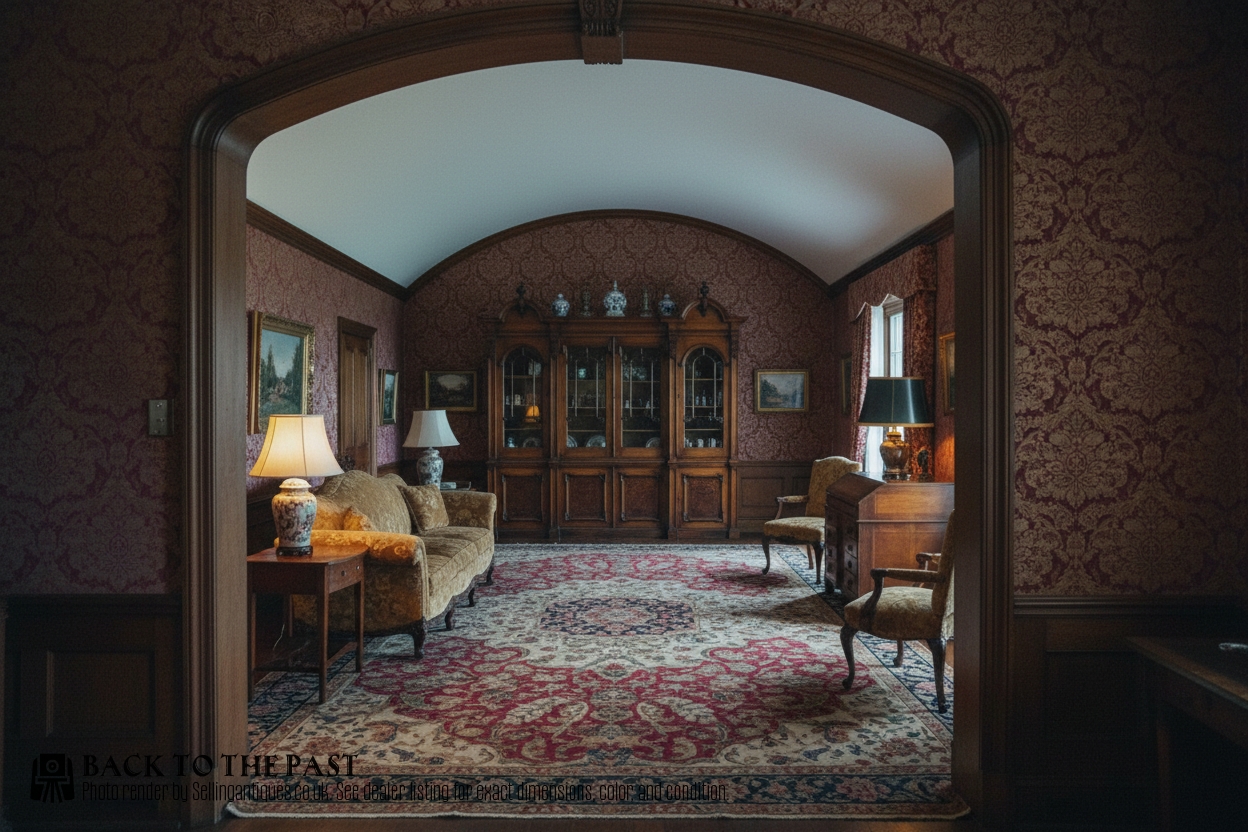
Victorian Carved Library Bookcase
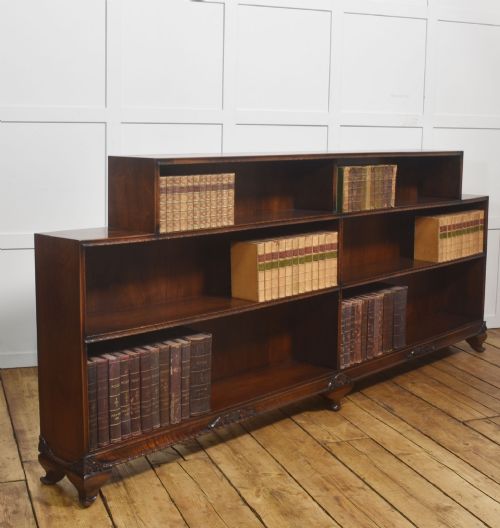
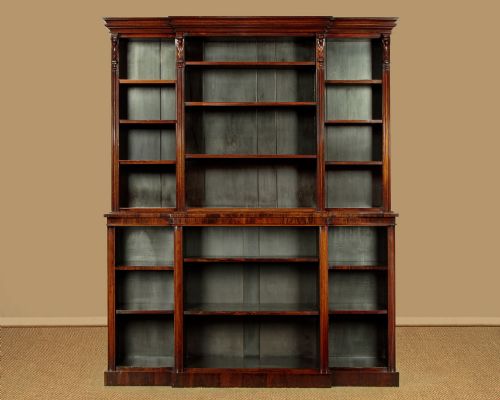
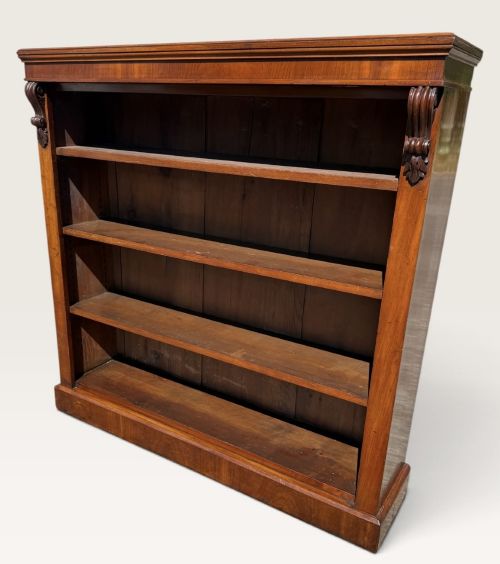
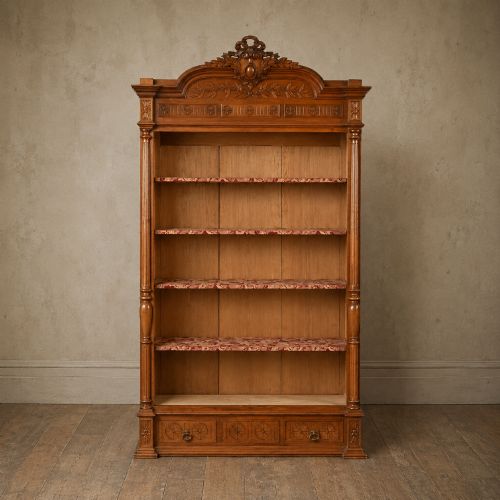
A victorian carved library bookcase is a substantial piece of furniture designed to house heavy volumes in a study or library. The pieces on this page span the nineteenth century, including specific dates from the eighteen-fifties through to nineteen-ten, alongside items from the Edwardian period and William IV era.
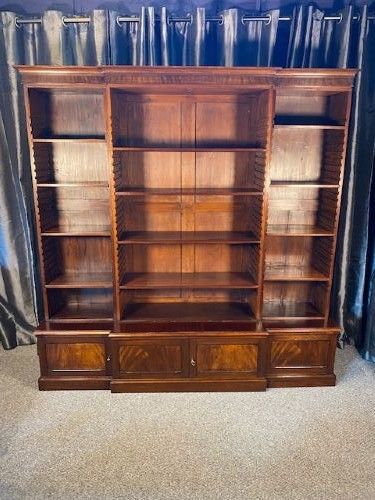
Most examples appear in oak, mahogany, walnut, and rosewood, taking forms such as open shelving, breakfront layouts, low dwarf units, and glazed cabinets. Many incorporate adjustable shelves, while specific stylistic influences like Gothic Revival and the Aesthetic Movement appear across the selection.
Makers and workshops constructed these storage units in various configurations, from large multi-door library pieces to smaller office and display cabinets. Solid timber construction dominates the evidence, frequently paired with brass hardware and glass doors.
How they were made
Joiners and cabinet makers utilised dense hardwoods such as oak, mahogany, walnut, and rosewood for the primary frames and carcases. Secondary timbers like pine appear internally, while brass mounts and stained or clear glass provide functional and decorative details.
Construction techniques involve heavy timber panels, carved ornamentation, and adjustable shelf mechanisms supported by wooden or brass fittings. Glazed doors utilise individual glass panes set into timber framing, and open variants feature solid backboards behind the shelving rows.
Listings feature oak, mahogany, walnut, and rosewood across nineteenth-century and Edwardian periods.
What varies in quality
The density and selection of the timber dictate the baseline quality, with figured veneers and solid hardwoods sitting above standard commercial grades. Finer pieces demonstrate precise joinery in the carcase and refined execution in the carved foliage or architectural mouldings.
Hardware choices and interior fittings, such as smooth shelf adjustment mechanisms and substantial brass mounts, separate standard utility furniture from finer library pieces.
The Victorian Carved Library Bookcase Glossary
- Breakfront
- A cabinet design where the central section projects forward from the flanking outer sections.
- Astragal
- A moulding profile used to hold individual panes of glass within a glazed door.
- Dwarf bookcase
- A low shelving unit designed to sit below window height.
- Ebonised
- Timber treated with a dark finish to resemble ebony.
- Gonçalo Alves
- A dense exotic hardwood with contrasting dark figuring, occasionally utilised in cabinetmaking.
Victorian Carved Library Bookcase: Frequently Asked Questions
Where should a library bookcase go?
These large storage pieces suit high-ceilinged studies, reception rooms, or home libraries with adequate wall space to support their bulk.
Positioning them away from direct sunlight and heat sources protects the timber carcase and any leather or paper volumes stored inside.
How do I adjust the shelves?
Most nineteenth-century examples utilise wooden rack strips or brass studs inset into the interior sides to hold the timber shelves at different heights.
Lift each shelf slightly to clear the supporting pins before shifting them into alternative slots.
Are the shelves strong enough for heavy books?
Solid hardwood shelves in oak or mahogany handle heavy volumes easily, particularly in units built for institutional libraries.
Shorter shelf spans prevent bowing over time when loaded with dense reference books.
How do I identify a Gothic Revival piece?
Gothic Revival furniture displays architectural motifs such as pointed arches, trefoils, and heavy carved tracery echoing medieval ecclesiastical design.
Oak is the predominant timber for this style, frequently paired with deep relief carving.