
Victorian Carved Hall Chairs
Victorian carved hall chairs combine sturdy timber with elaborate relief work, serving as functional entrance seating and statement architectural pieces.
Victorian Carved Hall Chairs
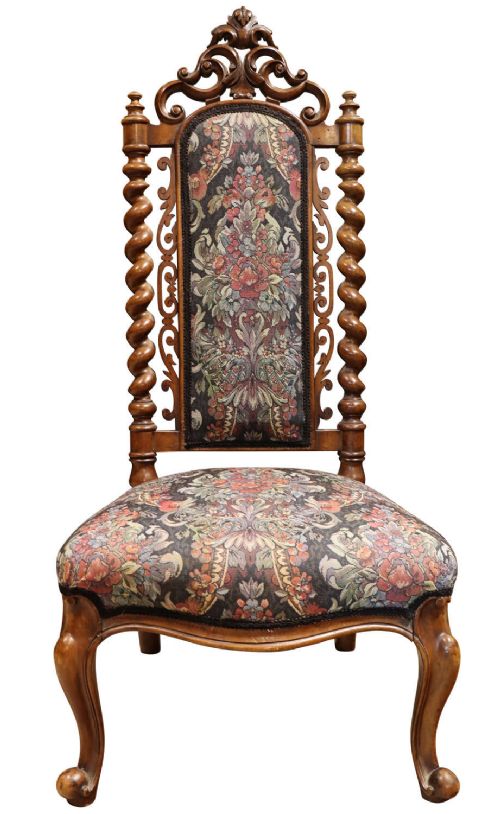
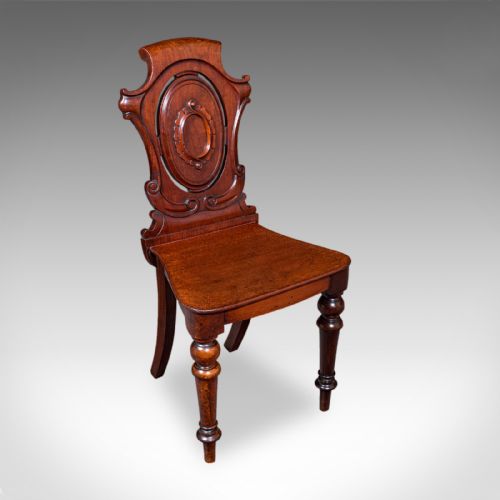
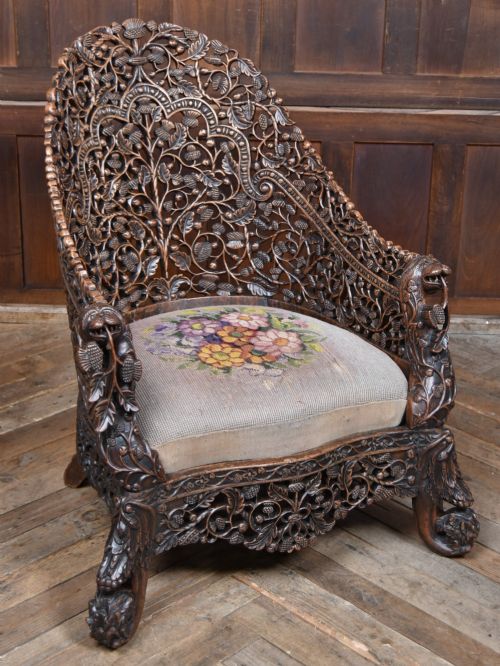
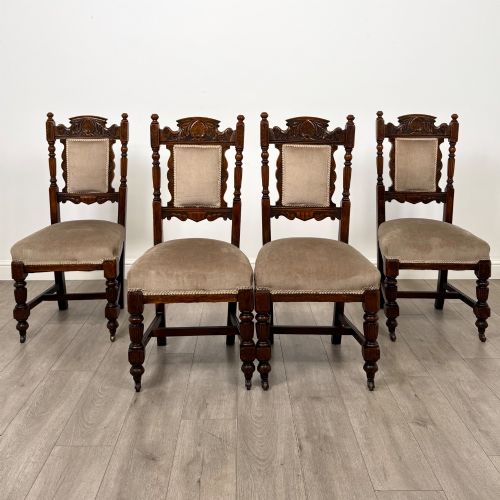
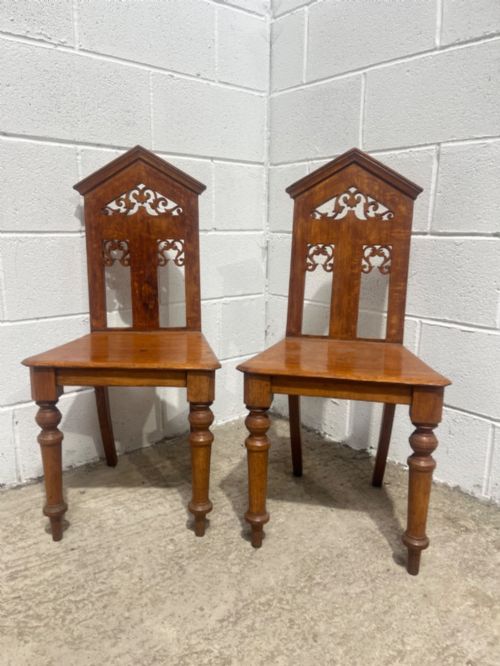
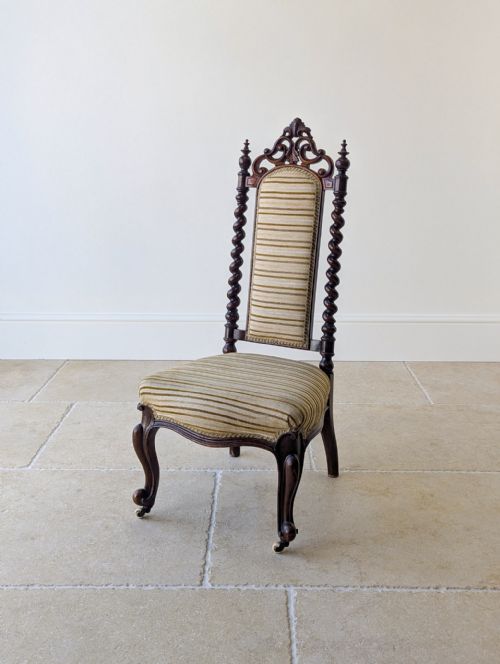
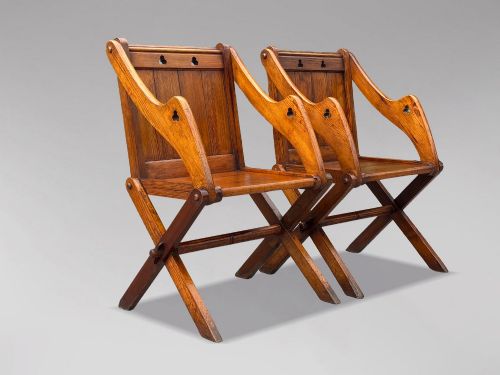
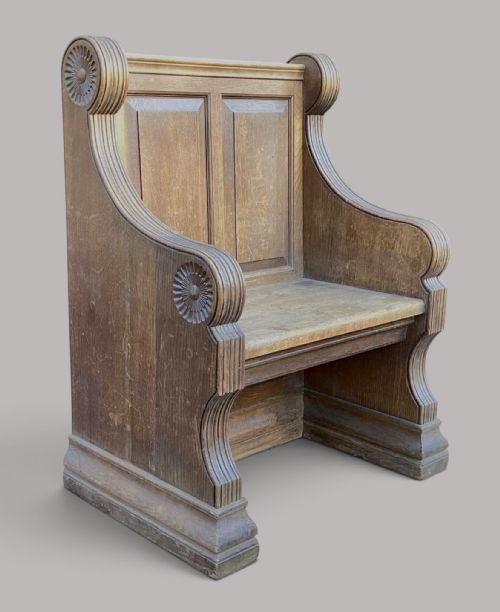
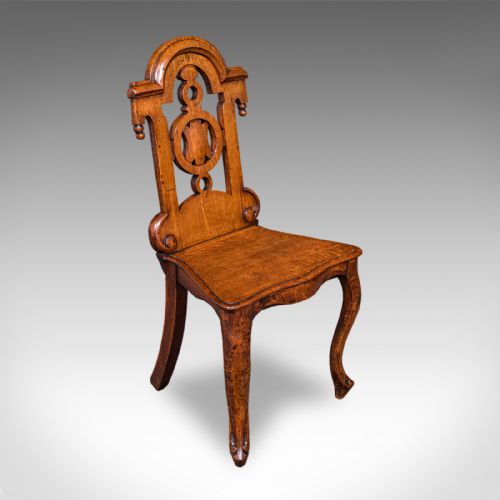
When searching for victorian carved hall chairs, buyers encounter sturdy timber seats designed for entranceways, vestibules and reception rooms during the nineteenth century. These seats often feature rigid wooden backs, solid timber panels and restrained padding, reflecting their original purpose for brief seating rather than long lounging.
Materials and construction
Cabinetmakers utilised dense hardwoods such as oak, walnut and mahogany, selecting timber for strength and capacity to hold deep chisel work. Turnery, mortise and tenon joints and applied mouldings gave structural integrity to upright chair frames.
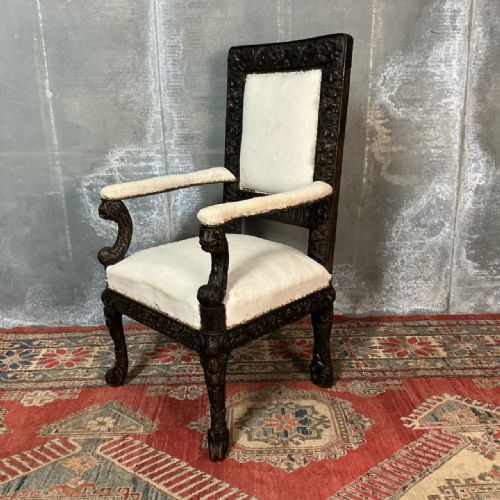
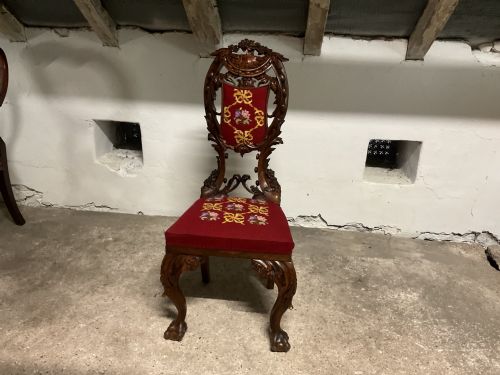
Carving was executed by hand using gouges and chisels to create strapwork, linenfold, linen-fold patterns, or Gothic and Renaissance motifs directly into the solid wood backplates.
Victorian Carved Hall Chairs Retail Price Guide 2026
Typical asking prices for victorian carved hall chairs among the pieces listed under this phrase on Sellingantiques today, from the lower quarter to the upper quarter. They describe what is for sale here now, not the wider market.
Listings feature oak, mahogany, walnut and rosewood timber across the Victorian, Edwardian and nineteenth-century periods.
Quality variations
The separation between standard examples and superior pieces rests upon the depth, crispness and ambition of the timber carving. Heavy, flat relief work indicates standard production, whereas undercut details and sculptural depth demonstrate skilled handwork.
Timber selection and grain figure dictate overall calibre, with well-figured walnut and richly patinated oak commanding greater respect among collectors than plain secondary woods.
W.A. Willcocks·Gillows
The Victorian Carved Hall Chairs Glossary
- Shield back
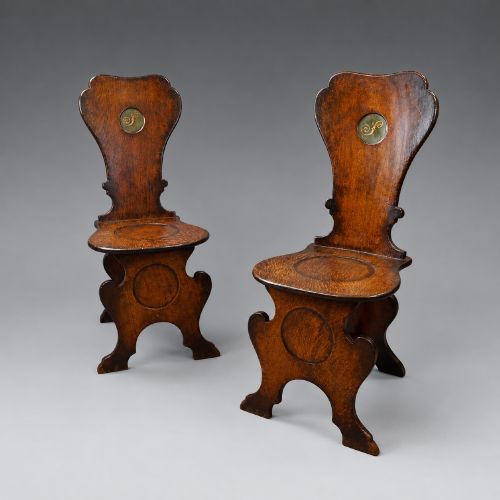
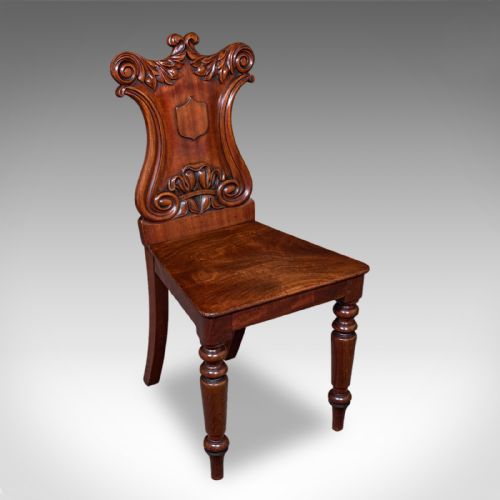
- A chair back shaped like a heraldic shield, frequently carved with crests or family insignia. This form was popular in mahogany and oak hall seating.
- Gothic Revival
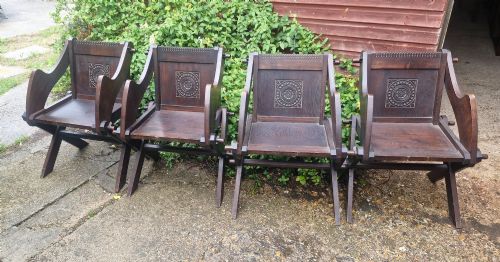
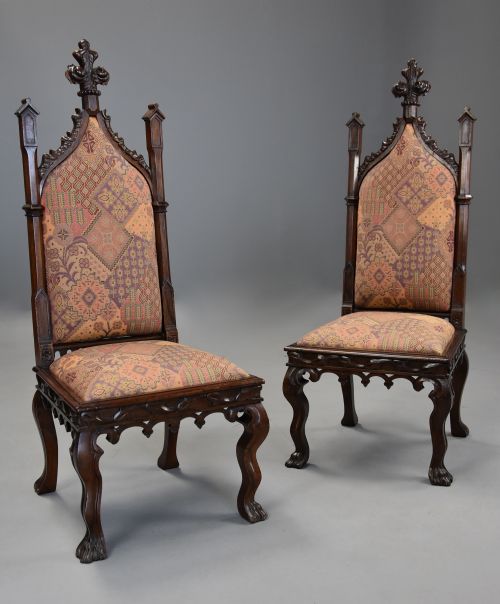
- An architectural and decorative style drawing inspiration from medieval design, featuring pointed arches, tracery and heavy mouldings. It heavily influenced nineteenth-century hall seating.
- Sgabello
- A light wooden chair of Renaissance origin with a high back and trestle supports instead of legs. Examples appear in nineteenth-century revivals.
- Armorial
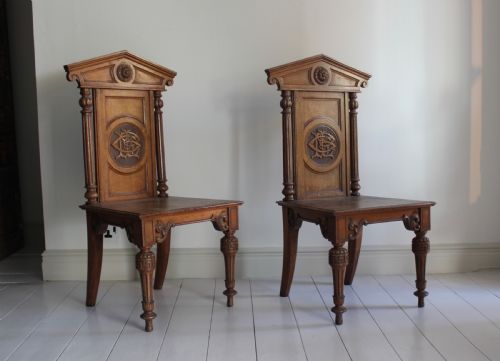
- Relating to heraldry, specifically depicting coats of arms or family crests carved into the wood. These designs often denote specific lineage or commission.
Victorian Carved Hall Chairs: Frequently Asked Questions
Where were hall chairs placed?
Victorian households positioned these stiff-backed seats in entrance halls, vestibules and corridors where guests waited briefly before entering main reception rooms. Their upright posture encouraged proper deportment rather than relaxation.
Because entranceways experienced heavy foot traffic, makers built these chairs solidly from durable hardwoods designed to withstand daily use without delicate upholstery suffering damage.
How do I identify Gothic Revival chairs?
Gothic Revival pieces display architectural motifs derived from medieval churches, including pointed arches, quatrefoils, blind tracery and stiff-leaf carving. The framework often appears heavy and vertical.
These designs gained popularity during the mid-nineteenth century as part of a broader return to medieval craftsmanship ideals championed by architects and designers of the period.
Are hall chairs comfortable for daily seating?
Most antique hall chairs feature solid timber seats and rigid, upright backs without cushioning, making them less suited for prolonged sitting. They served primarily as decorative architectural statements and temporary perches.
Owners typically utilise them in hallways, bedrooms or as occasional side seats where visual impact and historical character take precedence over plush comfort.
Why do hall chairs often feature shields?
Carved wooden shields and heraldic crests on chair backs reflect the Victorian fascination with lineage, ancestry and chivalric history. Families occasionally commissioned pieces bearing their specific coat of arms.
Even without a specific family connection, shield backs provided a traditional canvas for cabinetmakers to display intricate relief carving and foliate scrollwork.