


Victorian Carved Coffee Table
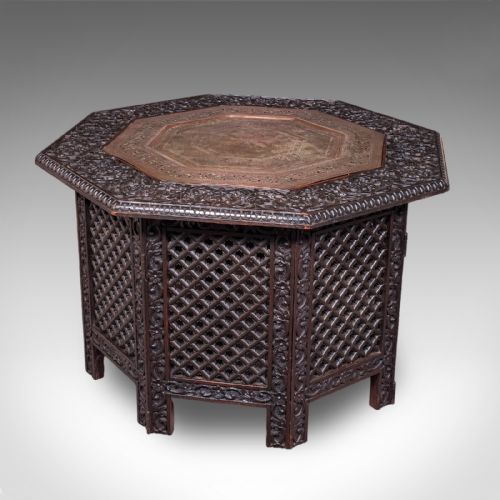
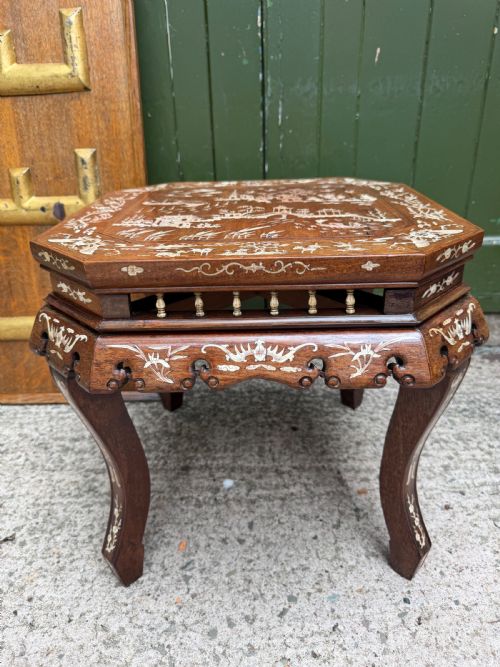
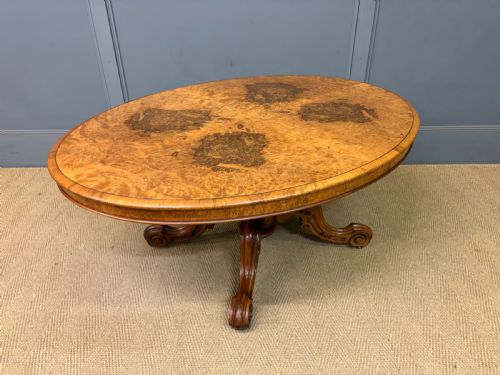
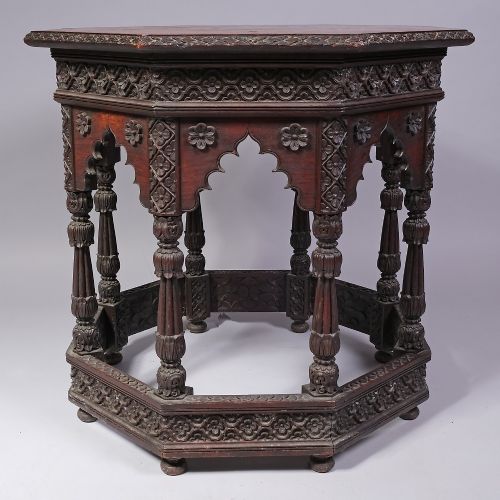
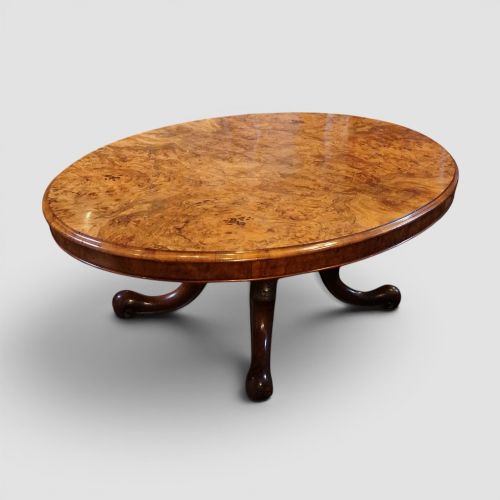
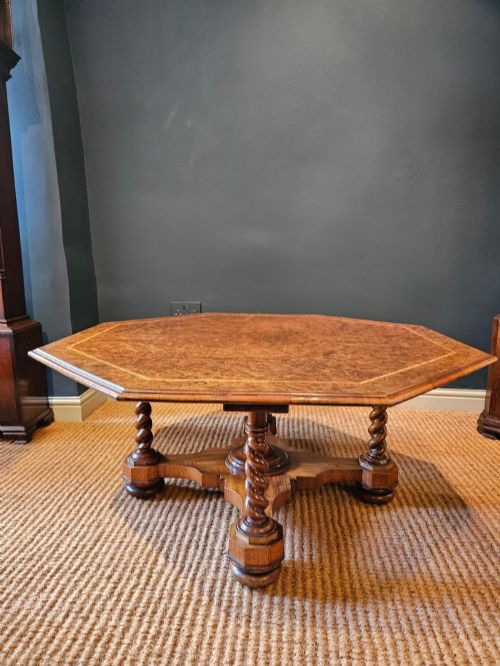
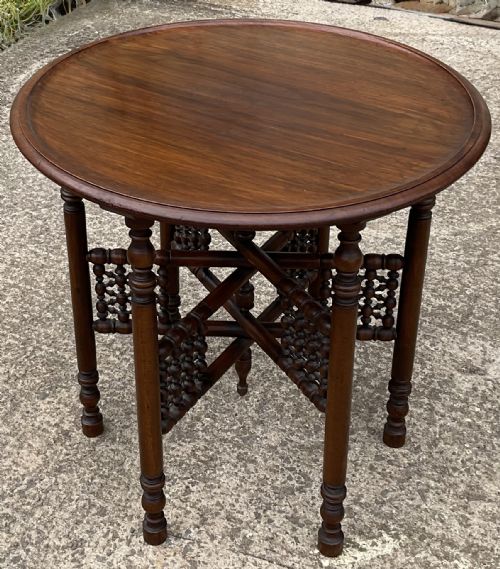
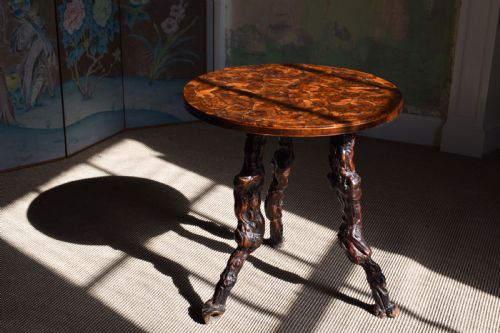
These pieces of a victorian carved coffee table bring heavy timber and intricate carving to a room, offering a low surface with distinct historic character.
Victorian Carved Coffee Table
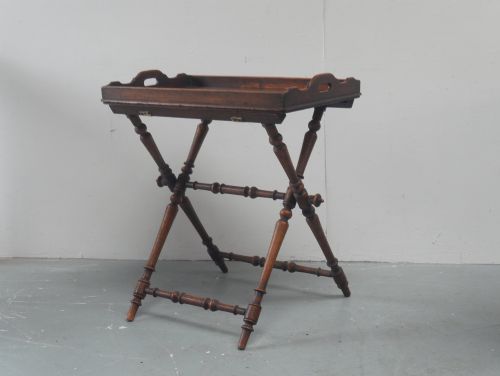
A victorian carved coffee table usually takes the form of a low occasional, centre, or tray table adapted from earlier nineteenth-century designs. The pieces on this page span the Victorian era alongside related nineteenth-century examples and later revivals, reflecting diverse origins from English workshops to Anglo-Indian studios.
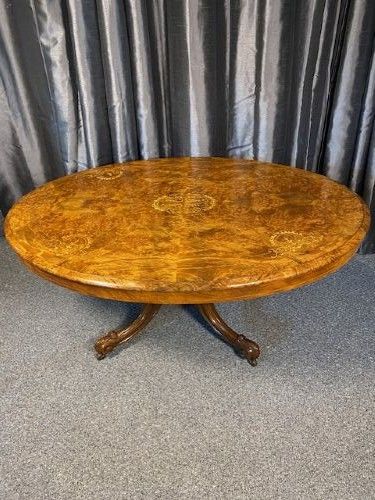
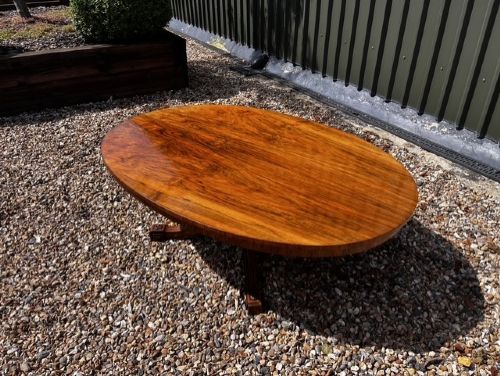
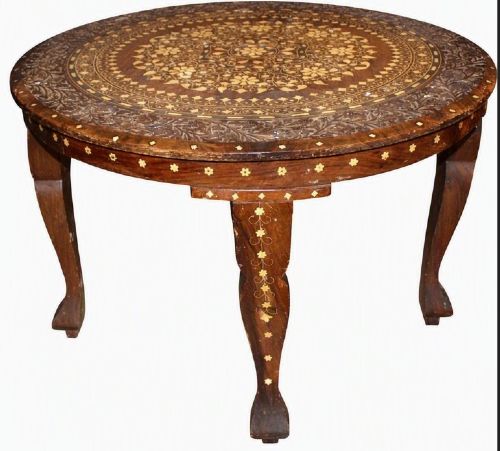
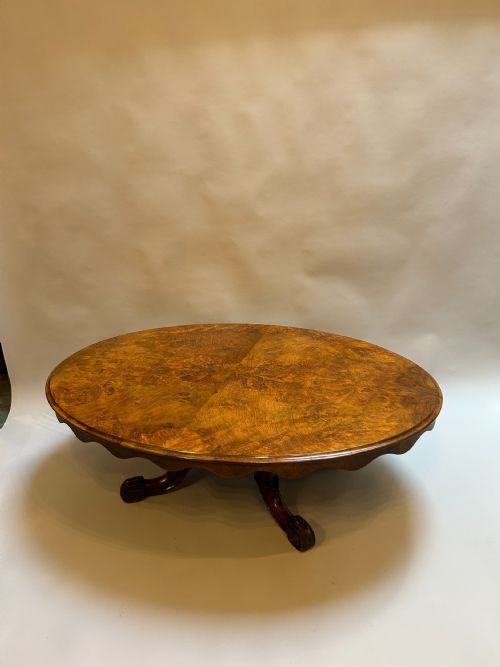
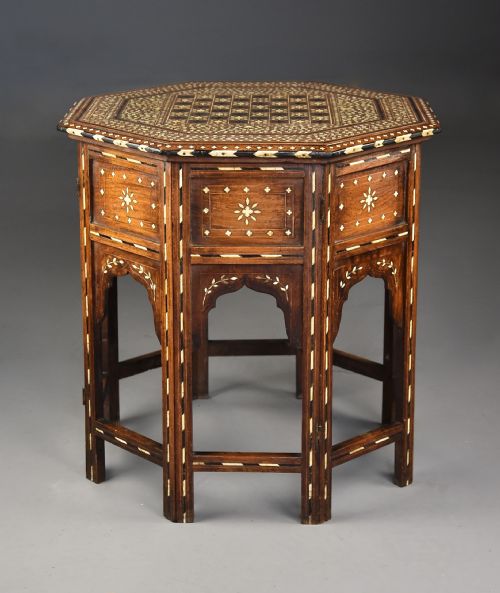
Most examples appear in rich timbers like burr walnut, mahogany, and oak, frequently configured with circular, oval, or octagonal tops. Buyers encounter everything from buttoned leather stools to folding tray tables and heavily carved Moorish occasional tables.
The selection ranges from simple English country oak to elaborate marquetry-inlaid walnut and bone-inlaid oriental pieces. These tables serve modern living spaces well by combining low proportions with dense historic detail.
Materials and construction
Carpenters built these tables using dense hardwoods such as walnut, burr walnut, mahogany, rosewood, and oak. Burr walnut veneers provided highly figured, swirling grain patterns for prominent table tops, whilst solid hardwoods formed the sturdy frames and legs.
Carving, marquetry inlay, and bone or ivory detailing transform plain timber surfaces into intricate relief patterns. Artisans in diverse regions utilised hand-carving techniques, creating leaf motifs, geometric panels, and sculptural elements directly into the wood.
Elephant motifs occasionally peer out from carved teak tea tables, reminding buyers of distant trade routes.
Judging the range
Quality rests on the depth and crispness of the hand-carved detail and the selection of the timber veneer. Burr walnut tops with rich, balanced grain patterns and complex marquetry inlay sit at the upper end of the scale.
Maker attribution and documented origin also set pieces apart. Tables bearing stamps from notable firms or displaying specialist regional inlay work command greater attention than standard utilitarian workshop output.
Holland & Sons·Liberty & Co
The Victorian Carved Coffee Table Glossary
- Burr walnut
- A timber harvested from the growths on walnut trees, yielding highly figured and swirling grain patterns. Cabinet makers prized this wood for decorative table tops.
- Marquetry
- The art of applying pieces of veneer to a structure to form decorative patterns and pictures. Makers used contrasting woods to achieve pictorial depth on table surfaces.
- Occasional table
- A small table designed for a specific, intermittent use rather than central daily dining. These pieces move easily around a room as needed.
- Octagonal
- Having eight sides and eight angles. Many imported eastern tables and colonial revival pieces use this geometric shape.
- Japanning
- A European imitation of East Asian lacquerwork applied to furniture surfaces. This technique involved building up layers of varnish and often decorating with metallic dust.
Victorian Carved Coffee Table: Frequently Asked Questions
How do I use a low Victorian table today?
These tables sit comfortably in front of a sofa to hold books, drinks, and lamps. Their low stature mirrors modern living requirements despite their nineteenth-century origins.
Ensure the surface finish is protected against moisture if used daily for cups and glasses. Regular waxing keeps the timber nourished and maintains the sheen on polished walnut or mahogany.
Are these tables originally this low?
Many tables on this page started life as taller occasional, centre, or wine tables that were subsequently lowered. Cabinet makers or later restorers reduced the height to suit contemporary coffee table proportions.
Examine the legs for signs of alteration where the timber was cut down. Original low pieces such as stools and certain tray tables retain their factory height.
What is Anglo-Indian furniture?
Anglo-Indian furniture refers to pieces made in India by local craftsmen for British colonial residents or for export to the UK market. They combine traditional Indian carving techniques with European furniture forms.
These items frequently feature dense floral carving and intricate bone or ivory inlay on dense hardwoods like teak and padauk.
How do I distinguish walnut from mahogany?
Walnut displays a warmer, golden-brown hue with prominent dark grain figuring, especially in burr variations. Mahogany tends to be darker, ranging from a deep reddish-brown to a rich crimson tone.
Closer inspection of the pores reveals that walnut has a slightly coarser grain structure, whilst mahogany shows fine parallel lines and ribbon figures.