
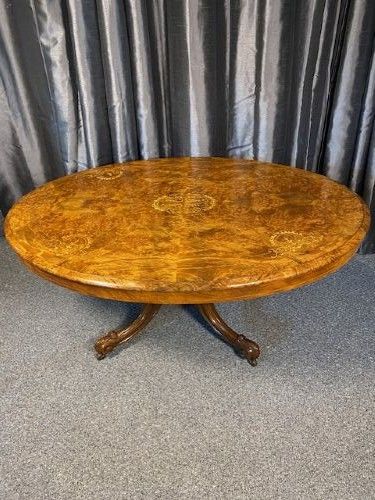
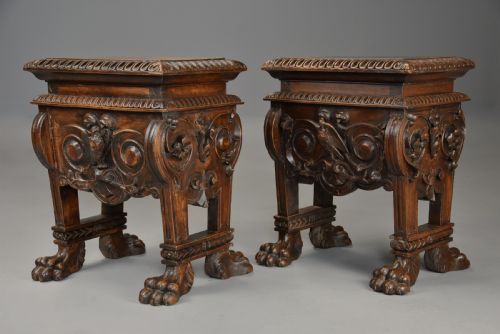
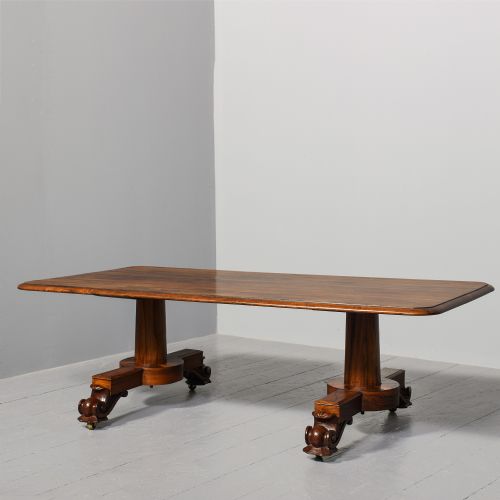
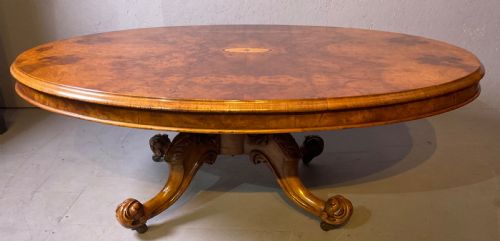


Carved Pedestal Low Table
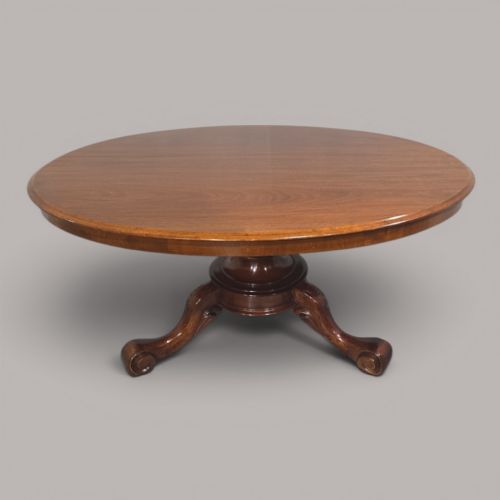
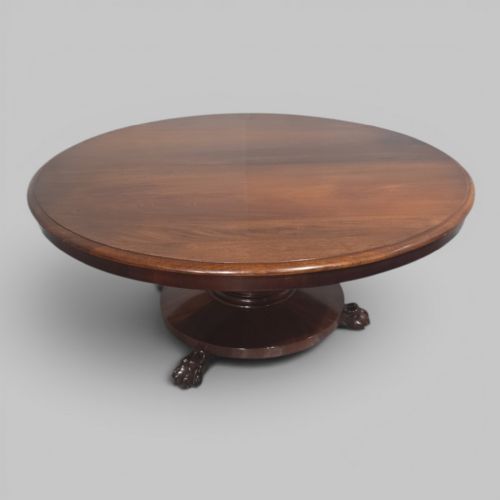
These carved pedestal low table examples unite timber, turned columns, and low proportions for domestic display.
Carved Pedestal Low Table
A carved pedestal low table brings low surfaces and raised central supports into a room, taking forms from coffee tables, plant stands, and occasional tables. Buyers seeking a carved pedestal low table find variations spanning the eighteenth century through the twentieth century, alongside Victorian revivals and Regency designs.
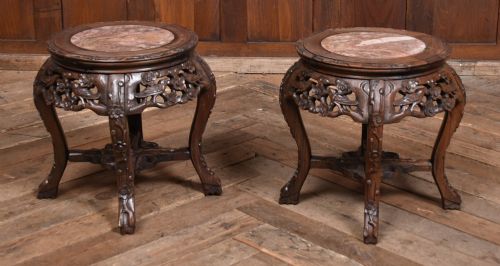
The selection here draws heavily on Victorian walnut and mahogany coffee tables, alongside Regency rosewood and figured oak low tables. Forms range from oval and inlaid coffee tables to Chinese marble-top stands and Italian giltwood pedestals adapted for low proportions.
How they were made
Cabinetmakers utilised dense timbers including walnut, burr walnut, mahogany, and rosewood, often enhanced with boxwood inlay, marquetry, and contrasting inlaid woods. Structural stability relied on turned central pedestals and hand-carved bases supporting tops of timber or inset marble.
Italian and Chinese works introduce giltwood and specific stone tops, whilst English examples focus on figured grain and boxwood details. Joinery techniques unite low proportions with robust central columns designed to bear weight without wobble.
The listings show materials ranging from walnut, burr walnut, mahogany, and rosewood to boxwood inlay, marble, and giltwood.
What varies in quality
Quality rests upon the crispness of the hand-carved base and the selection of timber veneers such as burr walnut or figured oak. Superior examples display precise marquetry and boxwood inlay that integrates cleanly with the grain of the primary wood.
Proportions also dictate standard; pieces created with original low proportions maintain greater architectural harmony than those altered later in their lifespan. The integration between the pedestal and the top shows the maker's hand.
The Carved Pedestal Low Table Glossary
- Burr walnut
- Timber taken from walnut tree growths that produces intricate, swirling grain patterns. This wood was frequently utilised for decorative veneer on Victorian table tops.
- Marquetry
- The art of applying pieces of veneer to a structure to form decorative patterns. Craftsmen utilised various woods and boxwood inlay to create geometric or floral motifs.
- Giltwood
- Timber coated with a thin layer of gold leaf. This finish appears on Italian pedestals and decorative frames within the period selections.
- Jardiniere
- A decorative pot or stand intended for holding plants or flowers. Chinese examples in mahogany often feature marble inserts to protect the timber surface.
Carved Pedestal Low Table: Frequently Asked Questions
What is a carved pedestal low table?
A carved pedestal low table is a surface raised on a central column rather than standard corner legs, adapted to low heights for domestic use. These pieces function as coffee tables, occasional tables, or plant stands.
The listings show examples spanning the eighteenth to the twentieth centuries, utilising woods like walnut, mahogany, and rosewood with hand-carved bases.
How do I date a Victorian table?
Dating a Victorian table involves examining the timber species, construction methods, and decorative styles typical of the nineteenth century. Walnut and mahogany predominate, often paired with hand-carved walnut bases or marquetry inlay.
Cabinetmakers of this era also produced specific variations like coffee and games tables, reflecting changing domestic habits during the period.
Are these tables original low tables?
Some pieces were constructed with original low proportions from periods such as the Regency era, while others began life as taller wine or occasional tables that were later lowered.
Examining the relationship between the central pedestal and the floor helps reveal whether the low height is part of the original design.
How do I care for a walnut table?
Walnut and burr walnut surfaces require protection from direct sunlight, excessive heat, and moisture to preserve the polished timber and delicate boxwood inlay.
Regular dusting with a dry cloth maintains the finish without introducing harmful chemical agents that can degrade nineteenth-century polishes.