


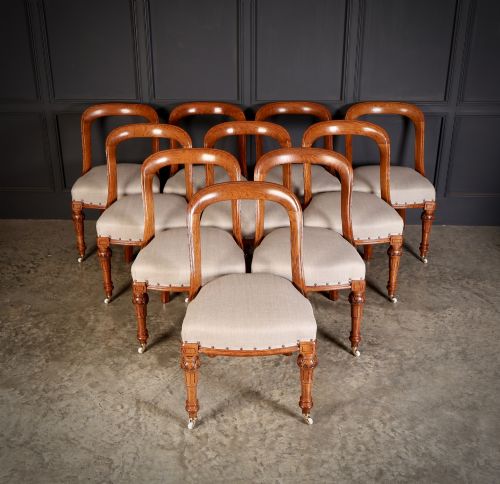
Victorian Carved Back Chairs
Victorian carved back chairs bring nineteenth-century craftsmanship into everyday rooms through robust timbers and distinct ornamental motifs.
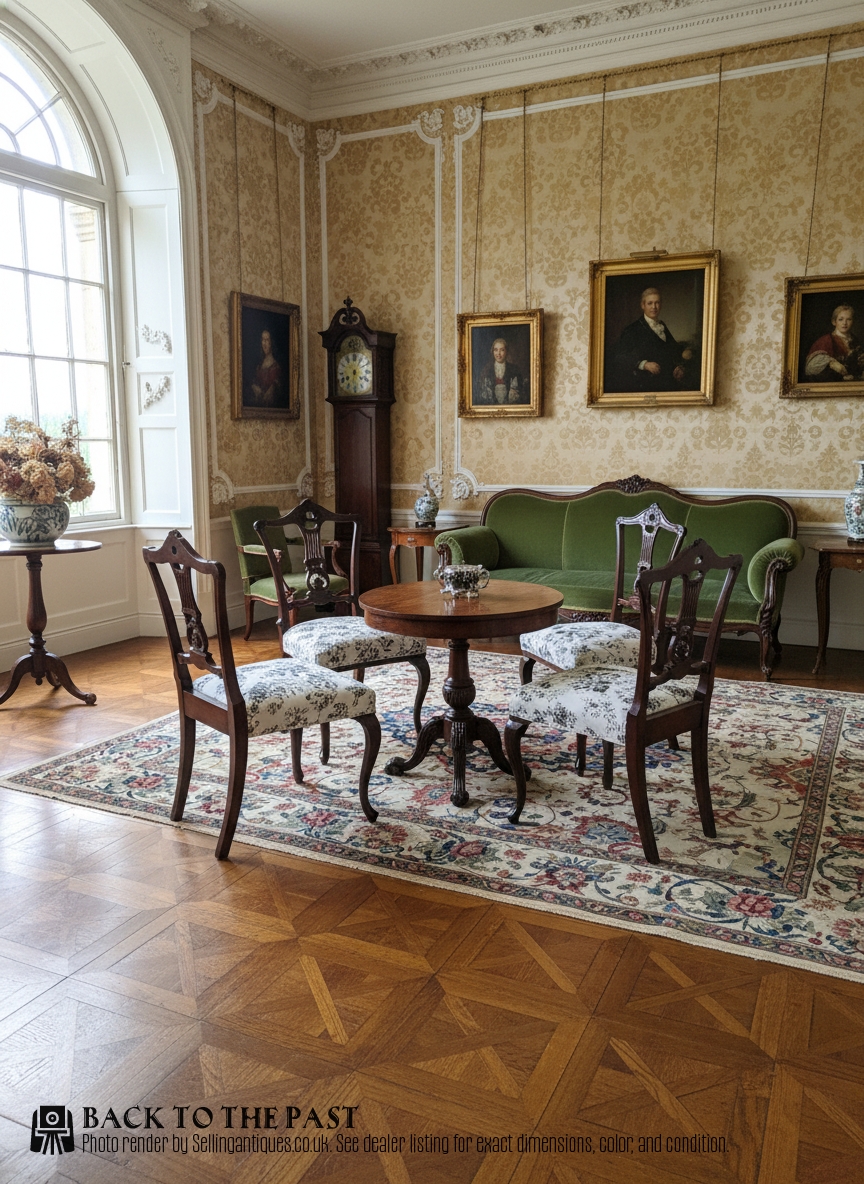
Victorian Carved Back Chairs
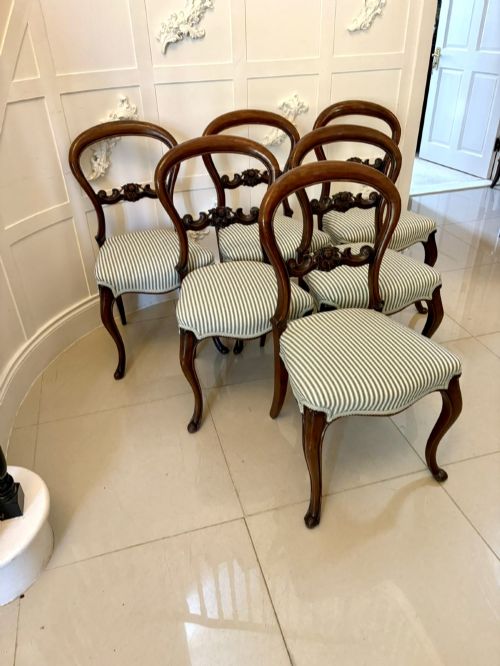
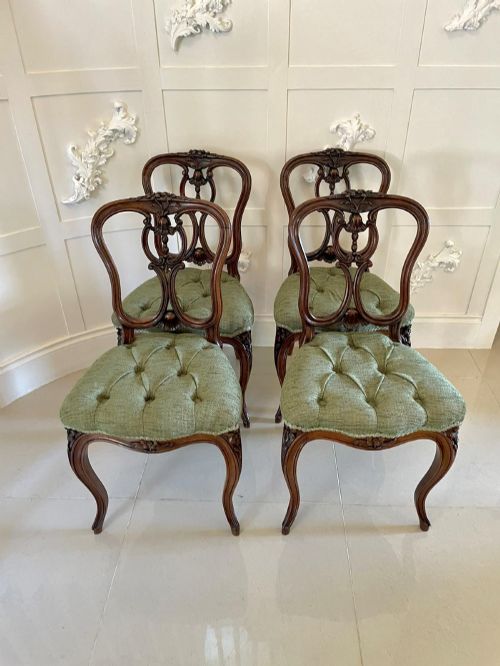
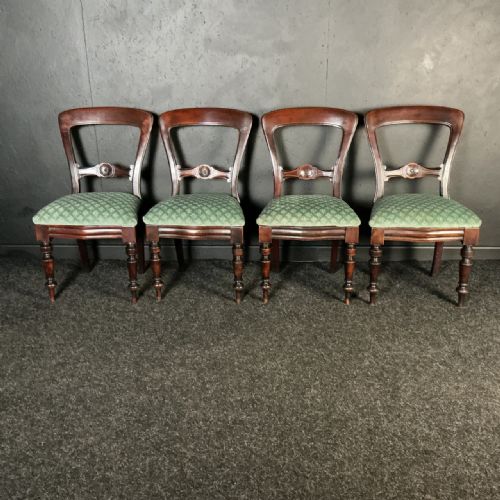
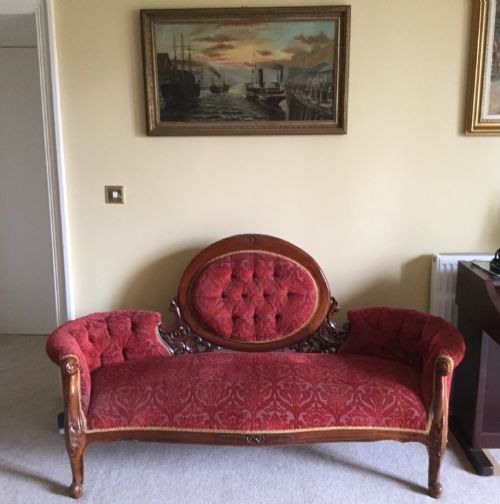
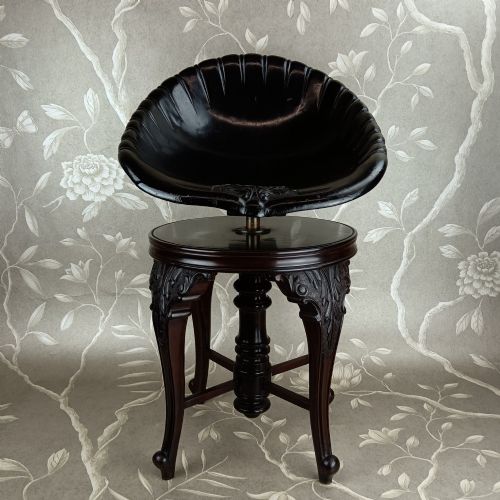
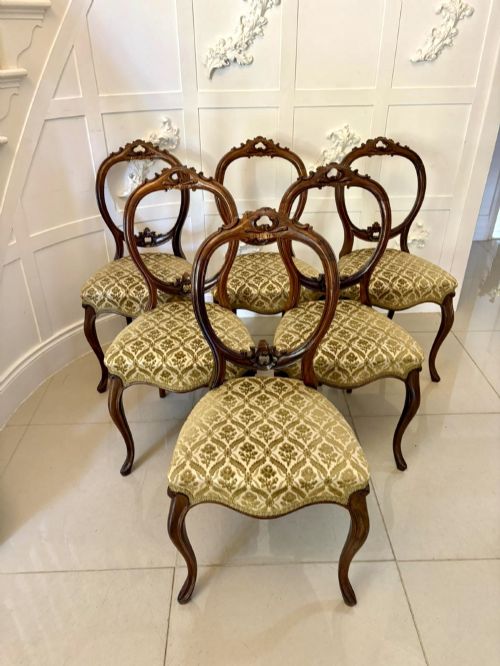
Victorian carved back chairs encompass seating produced throughout the nineteenth century, ranging from formal dining sets to occasional side chairs. Walnut and mahogany predominate, shaped into balloon backs, bar backs, and elaborate splats reflecting historical revivals.
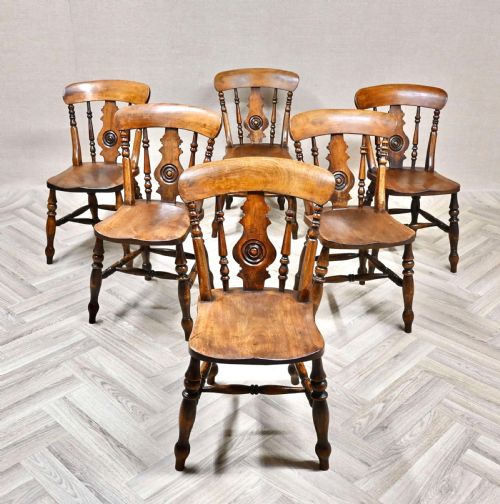
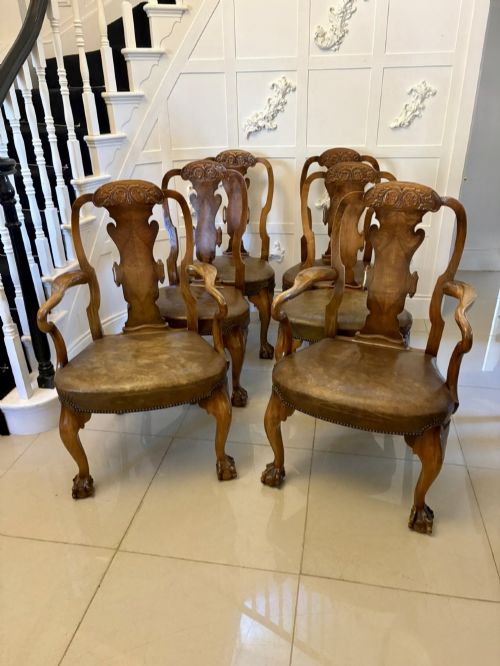
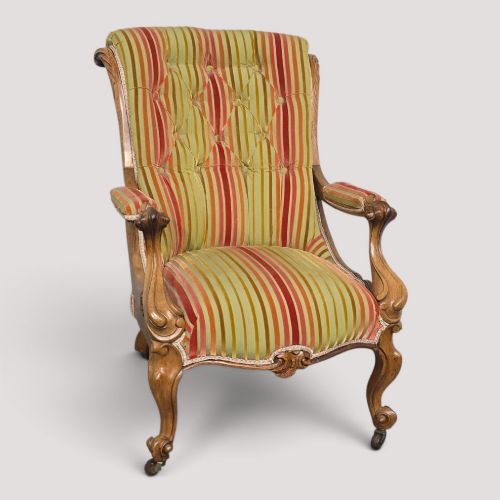
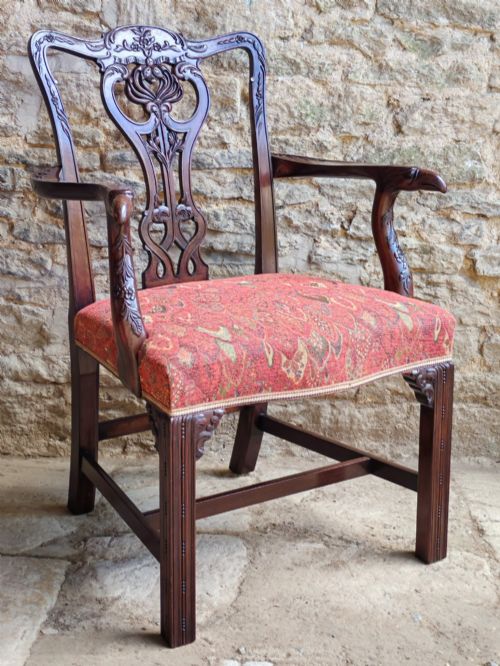
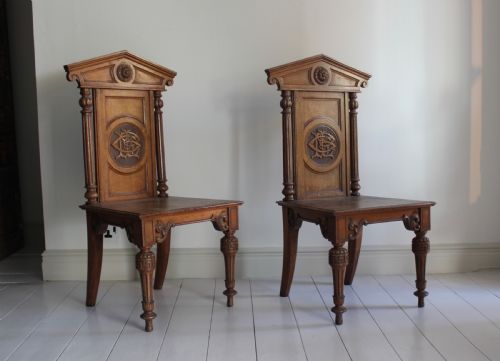
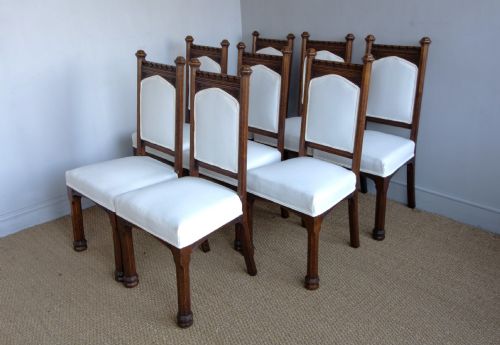
Dining chairs appear most frequently on this page, often in matched sets of four, six, or more. Alongside these, buyers encounter library armchairs, hall chairs with solid wooden seats, and low bedroom nursing chairs.
Makers adapted earlier styles such as Chippendale and Gothic Revival to suit Victorian domestic interiors. The resulting forms balance structural utility with intricate hand-carved floral, scroll, or crown details along the upper rail.
How They Were Made
Cabinetmakers relied heavily on dense hardwoods like mahogany and walnut, which held crisp carved details without splintering. Oak also appears frequently, particularly in Gothic Revival and heavier dining pieces designed for country houses.
Joinery depended on traditional mortise and tenon construction to withstand daily use around the dining table. Backrests were frequently steam-bent into balloon or curved shapes before receiving hand-carved ornamentation.
Upholstery techniques involved webbing, springs, and stuffing covered in velvet, leather, tapestry, or modern replacement fabrics. Showwood frames remained exposed around the edges of padded seats and spoon backs.
Victorian Carved Back Chairs Retail Price Guide 2026
Typical asking prices for victorian carved back chairs among the pieces listed under this phrase on Sellingantiques today, from the lower quarter to the upper quarter. They describe what is for sale here now, not the wider market.
Several chairs retain nineteenth-century horsehair stuffing that occasionally rustles quietly when someone sits down.
What Varies in Quality
Depth and crispness of the carving distinguish standard production from superior examples. Master carvers produced undercut foliage, sharp scrollwork, and balanced symmetry that lesser workshops merely sketched out in shallow relief.
Timber selection dictates the longevity and visual weight of the frame. Figured burr walnut or dense, dark mahogany indicates a higher grade of material commissioned by affluent households.
Completeness of a matched set heavily influences desirability. Original timber patination, intact structural joints without excessive reinforcement, and matching grain patterns across a set separate museum-grade seating from assembled groups.
Howard and Sons·Jennens and Bettridge·James Shoolbred and Co
The Victorian Carved Back Chairs Glossary
- Balloon back
- An oval or loop-shaped backrest popular on nineteenth-century dining chairs. This curved silhouette allowed for ergonomic comfort while providing a broad surface for carved cresting.
- Showwood
- Exposed polished timber frame surrounding upholstered elements on an armchair or parlor seat. It displays the quality of the wood and the precision of the joinery.
- Splat
- The vertical central strip of wood within a chair back connecting the seat to the top rail. Carved splats often define the stylistic period of the seating.
- Cabriole leg
- A furniture leg that curves outward in a convex arc and tapers inward in a concave arc, resembling animal limbs. It frequently terminates in scroll or pad feet.
- Gothic Revival
- An architectural and decorative style inspired by medieval forms, featuring pointed arches and trefoil motifs. Chairs in this style utilise heavy oak and ecclesiastical ornamentation.
Victorian Carved Back Chairs: Frequently Asked Questions
How do I spot a matched set?
Examine the timber grain, colour, and minor variations in the hand-carved details across the chairs. Small inconsistencies confirm individual handcrafting rather than factory uniformity.
Larger discrepancies in height or joinery suggest the set was assembled later from different sources.
Are these chairs suitable for daily use?
Nineteenth-century hardwood chairs were built for heavy domestic service and remain structurally robust. Standard dining chairs easily handle modern seating requirements when joints are sound.
Upholstered pieces may require webbing checks or reupholstering to ensure proper support for regular sitting.
How do I tell oak from walnut?
Oak exhibits prominent open grain patterns with visible medullary rays, presenting a lighter, golden-brown hue. Walnut displays a smoother, darker surface with richer figuring.
Walnut was favoured for refined drawing rooms, while oak suited heavy dining and hall environments.