

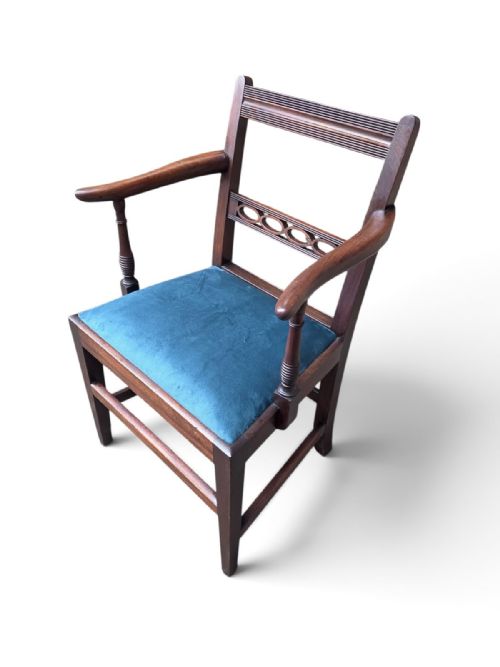
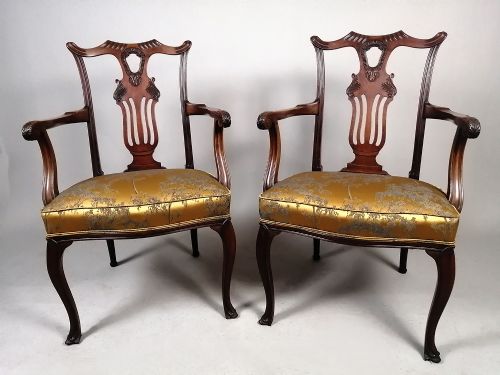
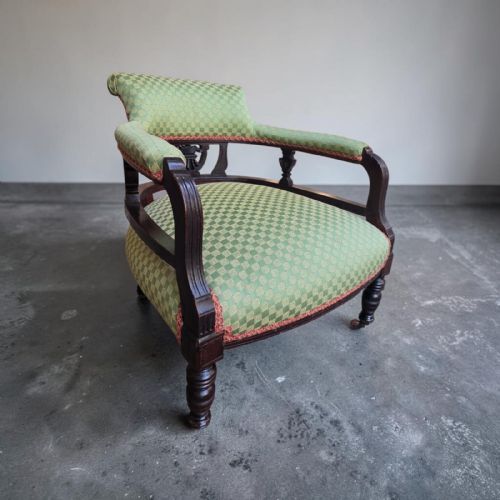
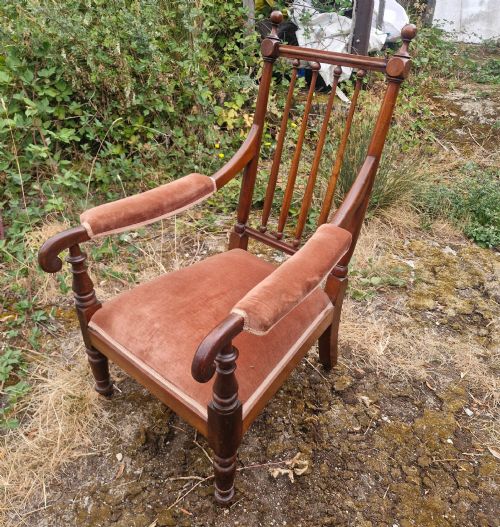
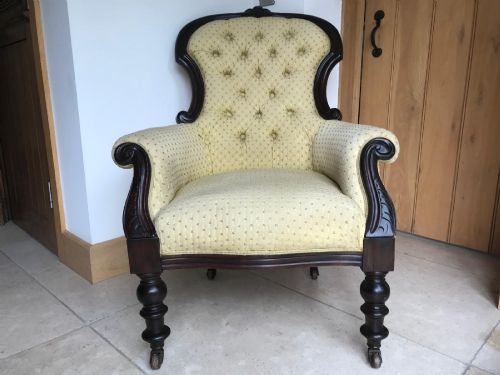
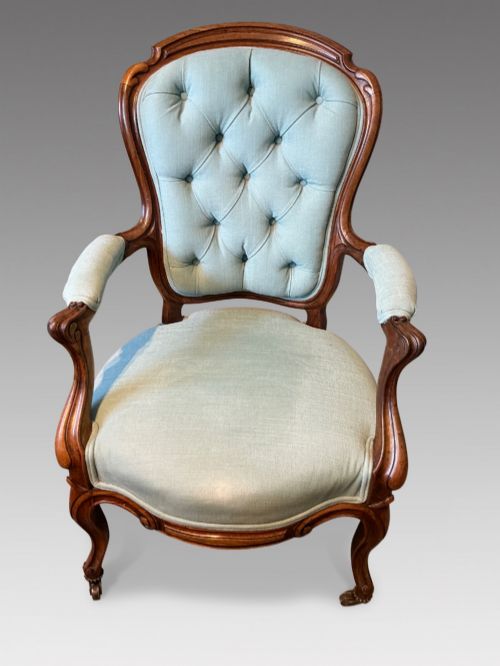
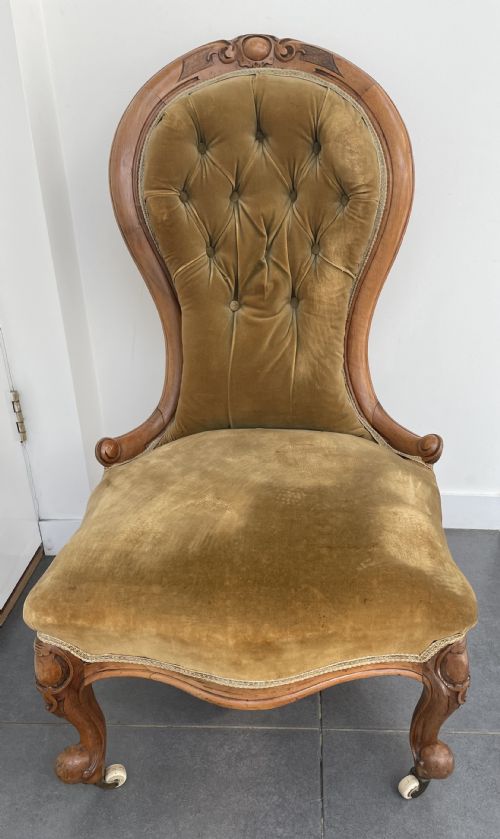
Victorian Carved Back Armchair
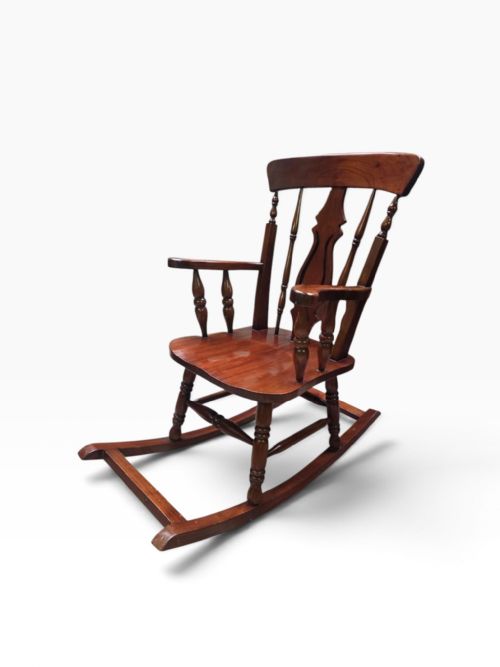
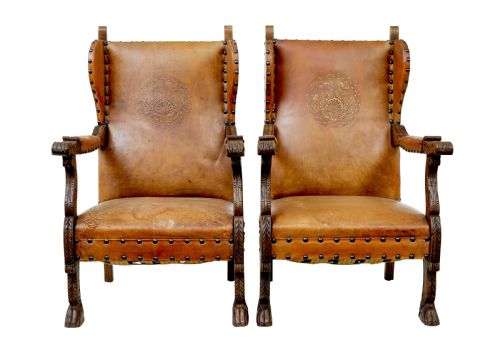
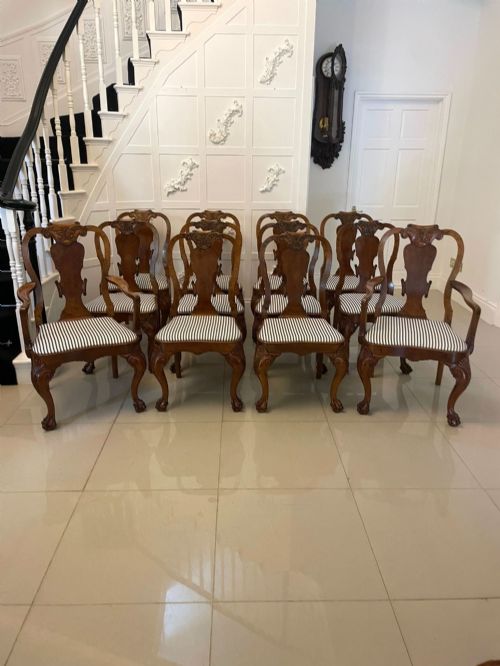
A victorian carved back armchair brings nineteenth-century craftsmanship into a modern interior, offering solid timber frames and ornate detail.
Victorian Carved Back Armchair
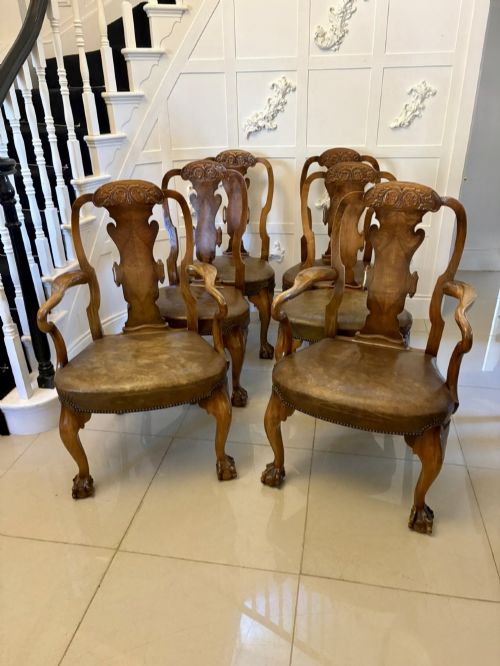
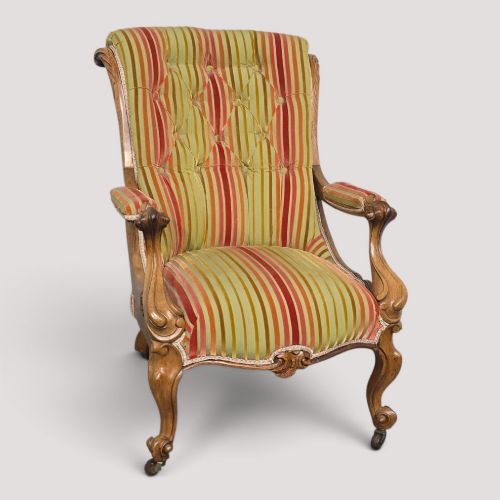
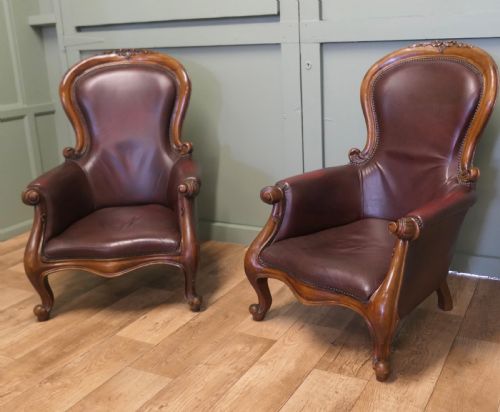
When you search for a victorian carved back armchair, you encounter seating designed primarily during the nineteenth century, featuring robust timber frames and sculptural woodwork. These pieces range from library chairs and open armchairs to upholstered spoon backs and nursing chairs, reflecting the varied domestic needs of the period.
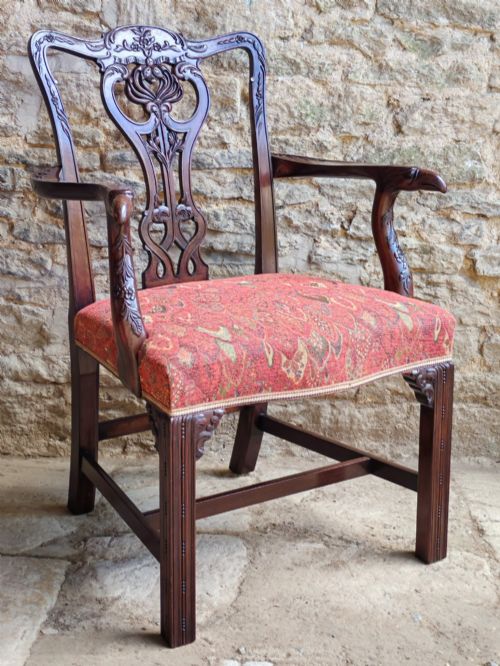
The versions you are most likely to meet on this page are constructed from mahogany or walnut, often displaying revival styles such as Gothic, Rococo, or Queen Anne influences. Makers utilised dense hardwoods to support intricate carved motifs along the crest rail and frame.
Many of these armchairs retain traditional upholstery methods, though some appear newly covered in calico or leather. They serve as functional seating and decorative centrepieces, grounding a room with historical presence.
Materials and Construction
Cabinet makers relied heavily on solid mahogany and walnut for the primary framework, selecting these timbers for their stability and capacity to hold deep, crisp carving. Oak and elm also appear, particularly in regional or country house pieces designed for heavy daily use.
Upholstered elements involved horsehair, webbing, and springs, covered with materials like leather, velvet, fabric, or needlework. Brass castors were frequently fitted to the forelegs of heavier library and lounge chairs to ease movement across carpets.
Listings demonstrate a strong preference for 19th Century walnut and mahogany timber across various armchair forms.
Markers of Quality
The distinction between standard examples and the finest works lies in the depth and fluidity of the timber carving. Superior pieces exhibit hand-carved details that are sharp and well-defined, rather than shallow or mechanically produced moulding.
Proportion and timber selection dictate the upper tier of the range. Matched grains, substantial framing without excessive bulk, and integrated show-wood structures separate exceptional library and nursing chairs from ordinary production.
Howard and Sons
The Victorian Carved Back Armchair Glossary
- Spoon Back
- An upholstered chair back shaped to resemble the bowl of a spoon, curving inward to fit the human form. This design gained popularity during the Victorian era, particularly on walnut and mahogany frames.
- Show Wood
- Exposed timber framing on an upholstered chair where the polished wood is visible around the cushioned areas. It highlights the craftsmanship of the carved scrollwork and rails.
- Carver
- A term for an armchair, often used in the context of dining sets where two armchairs accompanied a set of side chairs. They typically feature open arms to accommodate dining attire.
- Wing Chair
- An armchair with side panels or wings attached to the back, originally designed to shield the sitter from draughts. Victorian interpretations frequently featured deep buttoning and carved mahogany legs.
- Gothic Revival
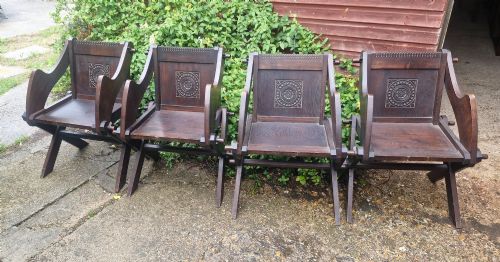
- A nineteenth-century design movement drawing inspiration from medieval architecture. Pieces in this style often incorporate pointed arches, trefoils, and heavy carved tracery.
Victorian Carved Back Armchair: Frequently Asked Questions
Where were these armchairs used?
These armchairs served multiple domestic functions across nineteenth-century homes, appearing in libraries, parlours, bedrooms, and studies. Library and desk chairs accommodated reading and writing, while nursing chairs sat lower to the floor for comfort.
Larger upholstered wing and library versions provided seating in formal drawing rooms and gentlemen's studies, often positioned near a fireplace.
How do I identify a Victorian armchair?
Identification relies on observing the timber choice, construction methods, and stylistic revival motifs. Nineteenth-century pieces predominantly utilise solid mahogany or walnut with hand-cut joinery.
Look for specific aesthetic markers such as spoon backs, show-wood frames, and heavy carved details characteristic of Victorian, Regency, or revival periods.
Are these chairs comfortable for daily use?
Most of these armchairs offer solid structural support and comfortable proportions derived from nineteenth-century ergonomic standards. Many feature sprung seats or padded armrests designed for prolonged sitting.
Because internal webbing and padding vary by piece, buyers often assess the suspension to determine suitability for everyday lounging.