
Victorian Caned Chair
A victorian caned chair brings woven rattan into period interiors, offering light support through traditional craftsmanship.
Victorian Caned Chair
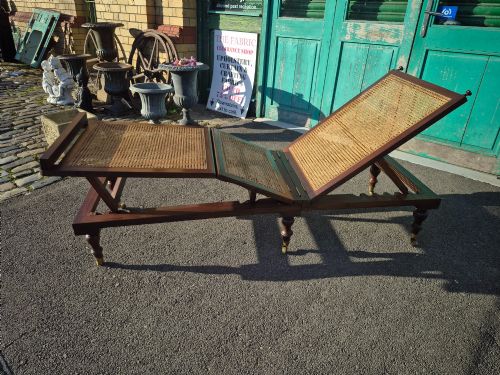
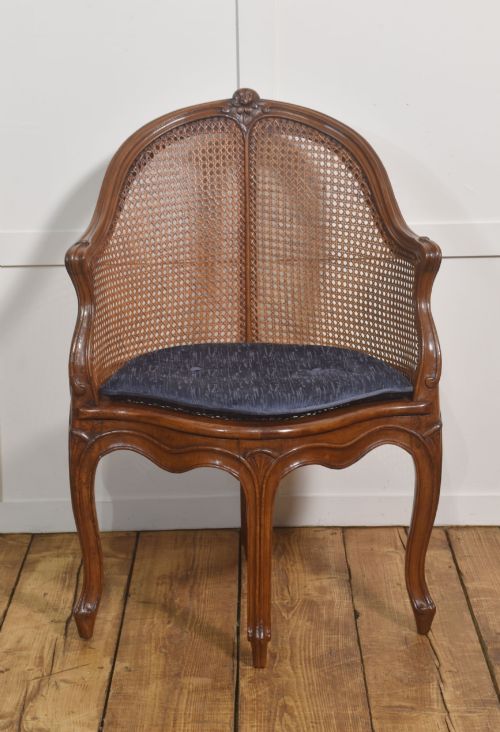
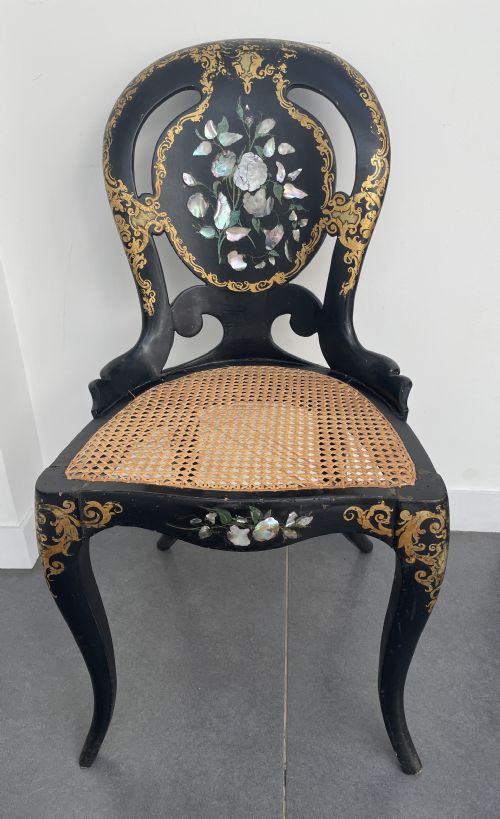
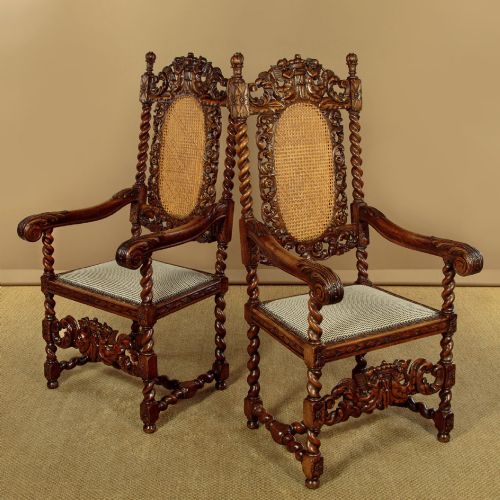
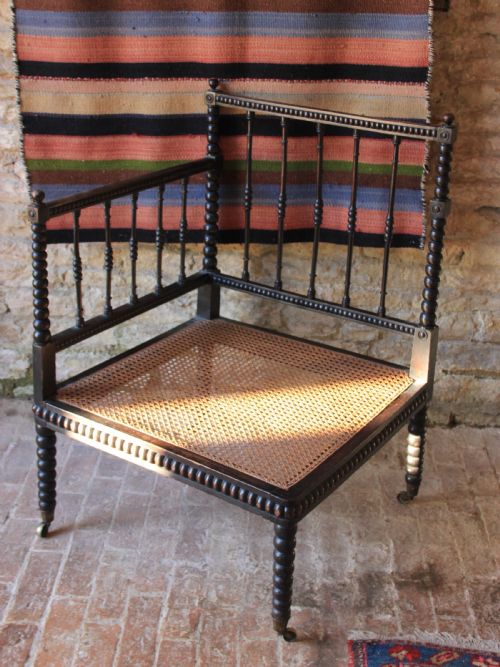
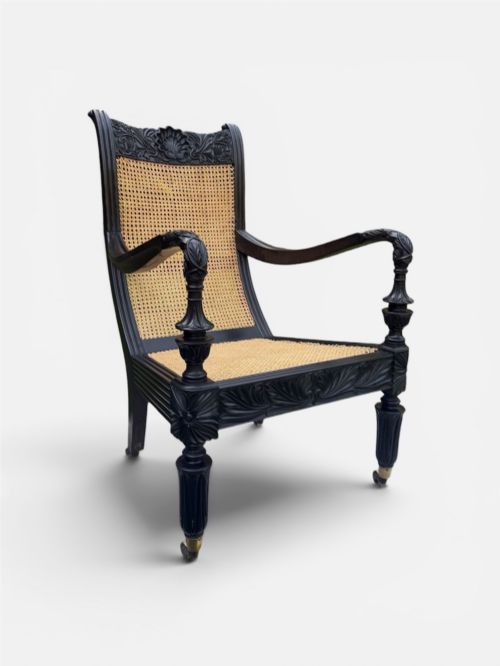
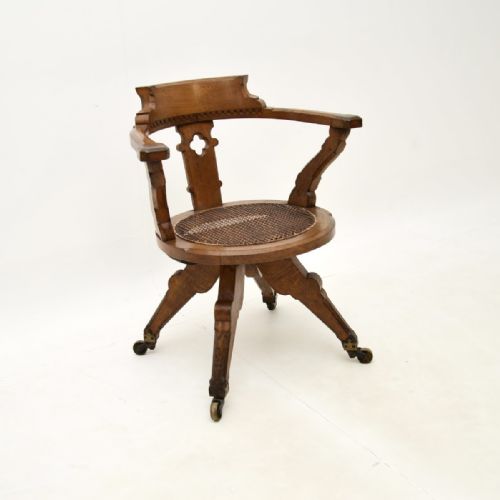
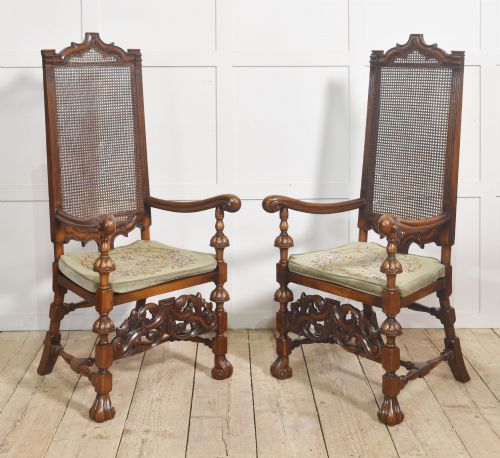
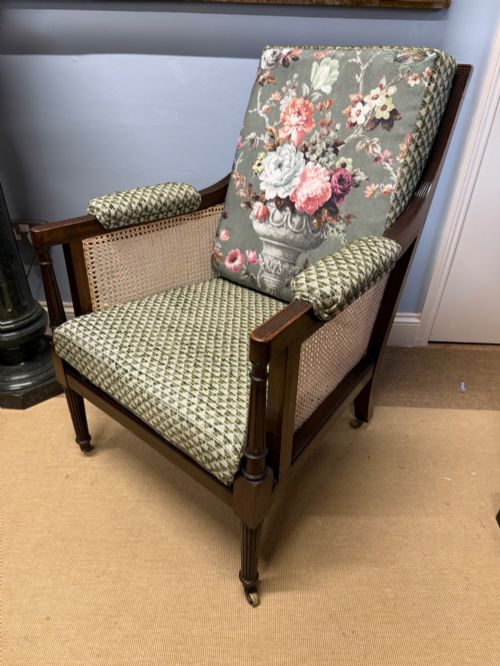
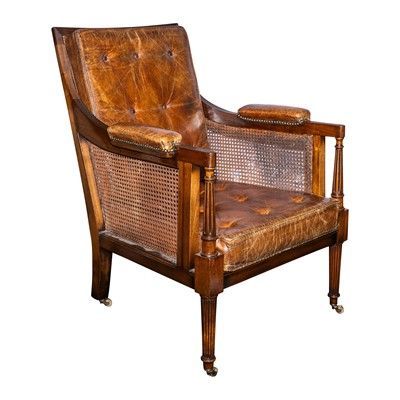
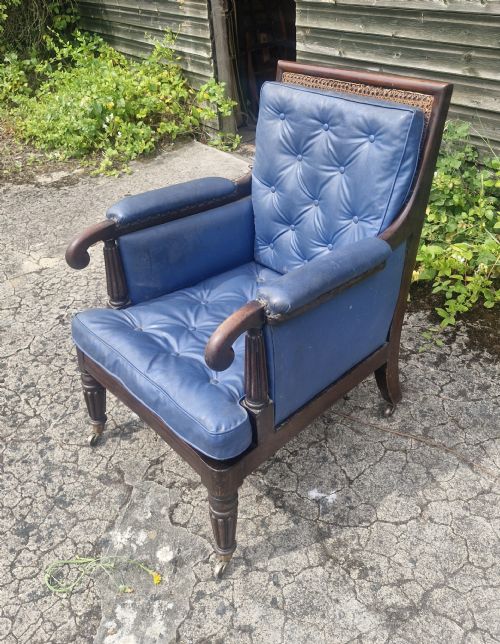
When you search for a victorian caned chair, you encounter seating built across the nineteenth century utilising woven cane panels for seats and backs. The selection spans formal library armchairs, bedroom chairs, and dining sets originating from diverse regional workshops.
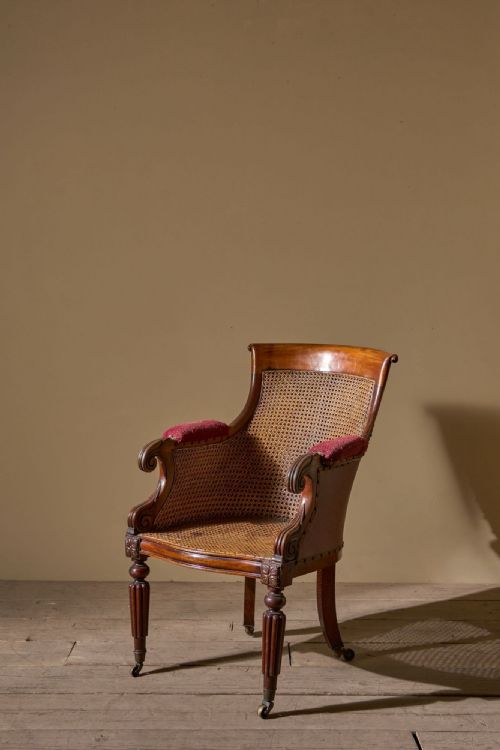
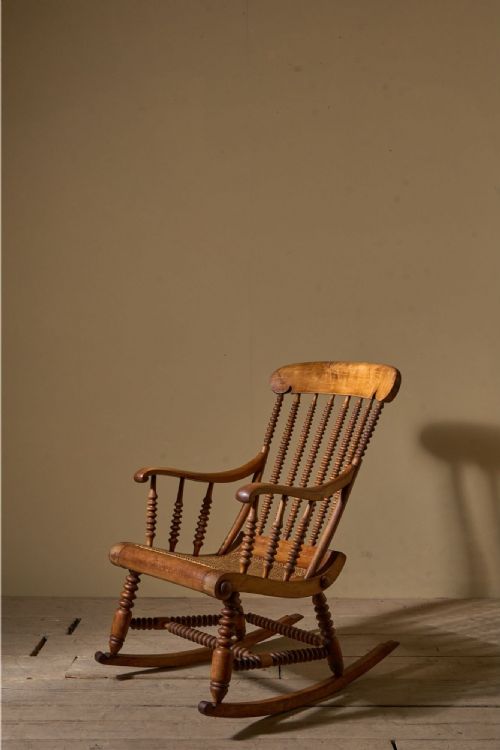
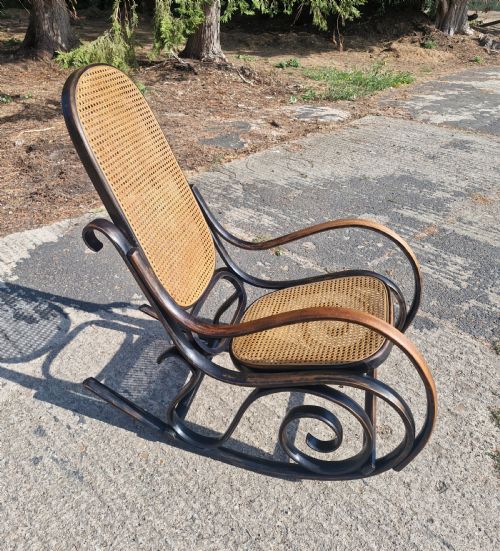
You meet heavy walnut and oak frames alongside lighter mahogany, beech, and birch pieces. Forms range from simple side chairs to elaborate bergères, rocking chairs, and campaign styles designed for portability.
How they were made
Craftsmen built structural frames from solid hardwoods like mahogany, walnut, oak, and satinwood, frequently employing turned or carved decoration. Frames utilised traditional joinery to support the tension of the woven rattan panels.
The cane work involved piercing holes through the wooden frame and threading natural rattan strands by hand in intricate multi-strand patterns. Makers added brass details, leather inserts, and fabric cushions where additional comfort or utility was required.
What varies in quality
The distinction between standard utility seating and finer workshop production lies in the density and precision of the timber carving and turning. Superior examples display crisp joinery, well-figured mahogany or walnut, and meticulous hand-weaving in the cane panels rather than mechanical shortcuts.
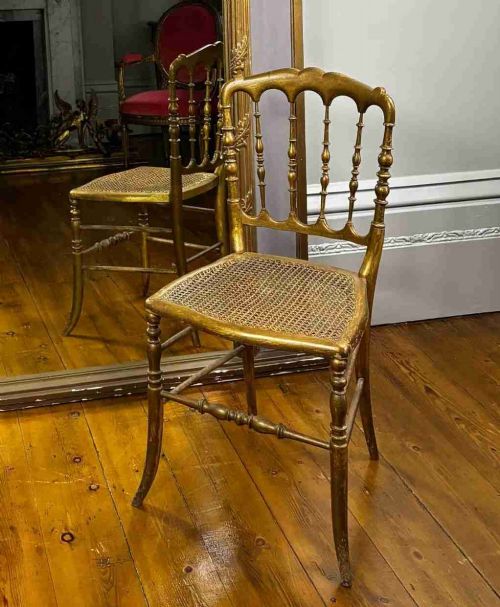
Proportion and decorative ambition also divide the range, separating plain country beech chairs from elaborate giltwood salon seating or carved oak throne chairs. The integrity of the original wood finish and the tightness of the woven mesh dictate the standing of each piece.
James Shoolbred
The Victorian Caned Chair Glossary
- Cane
- The peeled bark of the rattan palm, split and woven into flexible seating panels. It provides a strong, breathable surface used across seats and backs.
- Bergère
- An enclosed upholstered armchair with a wooden frame where cane panels typically form the sides and back. These frames often accommodate loose cushions for seating comfort.
- Bobbin turned
- A style of furniture turning where the wood is shaped into a series of spherical or cylindrical knobs resembling a textile bobbin. This technique appears frequently on nineteenth-century frames.
- Tub chair
- An armchair featuring a rounded, enclosed back that curves continuously into the arms. The shape creates a sheltering seat often fitted with cane work.
- Campaign chair
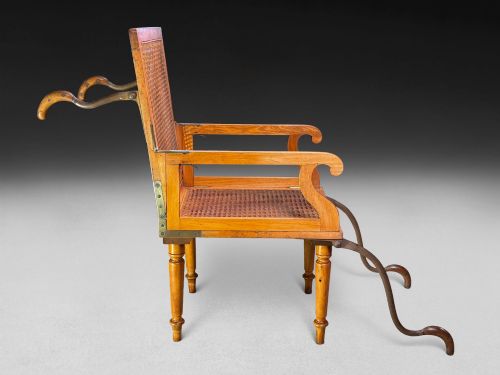
- Portable folding furniture designed for military officers and travel during the nineteenth century. These pieces utilise collapsible frames and brass fittings for easy transport.
Victorian Caned Chair: Frequently Asked Questions
How do I clean a cane seat?
Wipe the woven rattan gently with a damp cloth using warm water and mild soap. Avoid soaking the material to prevent the natural fibres from becoming brittle.
Allow the cane to dry naturally in a well-ventilated space. Occasional light dusting keeps debris from accumulating within the weave.
Can damaged cane be repaired?
Skilled artisans can replace broken or sagging cane panels by reweaving new rattan strands through the existing frame holes. Traditional hand-caning requires matching the original pattern and tension.
Minor breaks in individual strands occasionally accept localized adhesive repairs, but full panel replacement ensures structural longevity.
Were these chairs used outdoors?
Nineteenth-century caned seating was constructed strictly for indoor domestic use within parlours, libraries, and bedrooms. Exposure to outdoor moisture and direct sunlight degrades the natural rattan and weakens the wooden frame joints.
Keeping these pieces inside preserves the finish and prevents the woven cane from drying out and snapping.
How do I identify a Victorian period piece?
Examine the wood species, joinery methods, and hardware to determine the manufacturing era. Nineteenth-century examples frequently employ solid mahogany, walnut, or oak combined with hand-woven cane panels.
Stylistic markers such as bobbin turning, Gothic revival motifs, or campaign folding mechanisms also point directly to Victorian production dates.