





Victorian Cane Seated Chairs
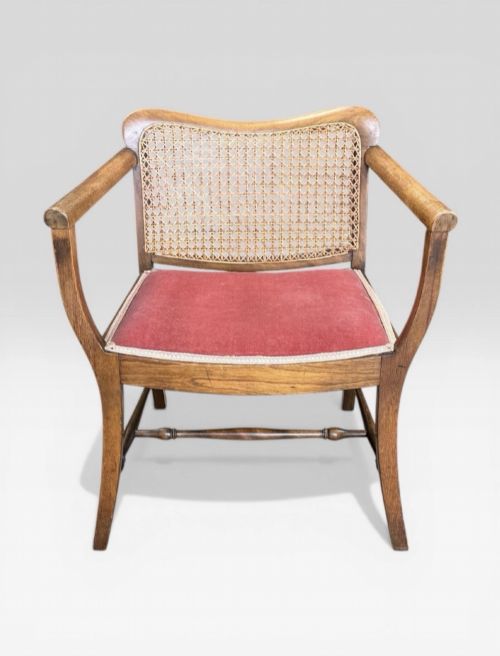
Victorian cane seated chairs bring texture and comfort to a room, spanning rustic country seating and carved walnut library armchairs.
Victorian Cane Seated Chairs
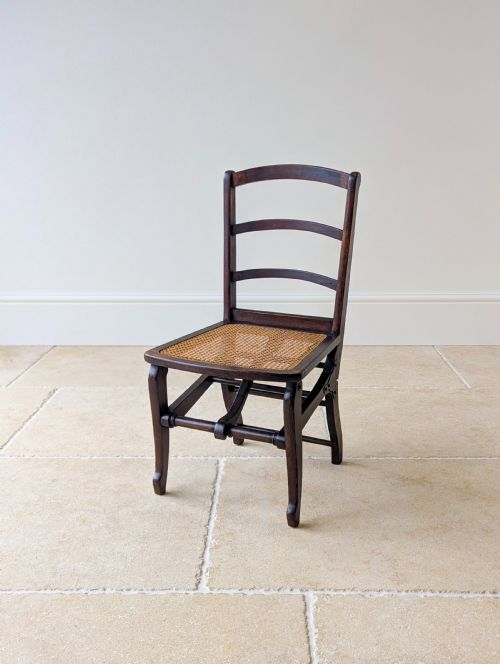
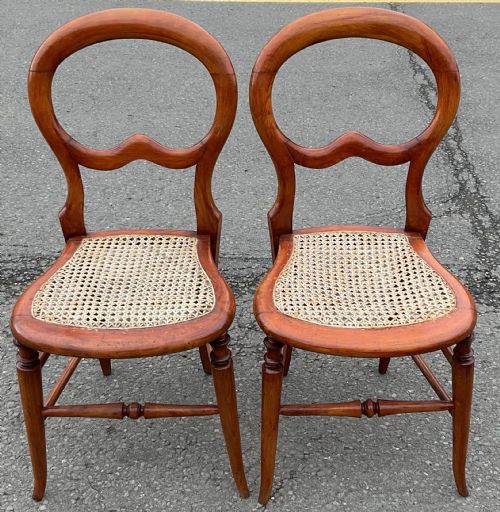
Victorian cane seated chairs encompass a diverse range of domestic seating, from intimate bedroom chairs and folding campaign seats to large oak throne chairs and dining sets. Buyers seeking these pieces encounter various formats including rocking chairs, tub chairs, and children's high chairs.
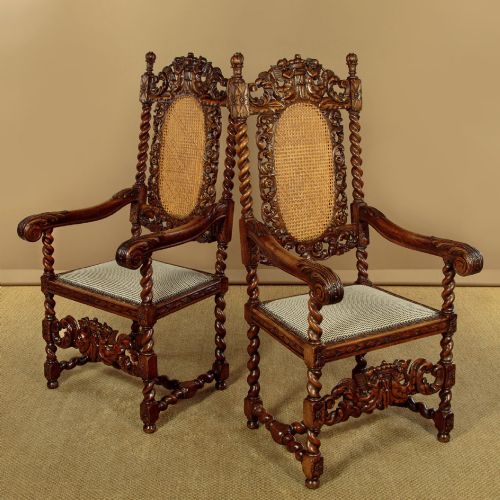
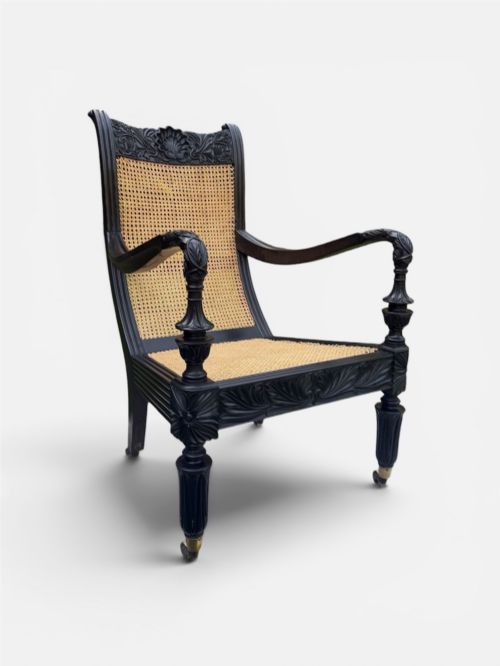
The selection reflects both formal parlour designs and relaxed country house styles. Pieces originate from different parts of the nineteenth century, showing influences ranging from Jacobean Revival to French Louis XV and Anglo-Indian colonial aesthetics.
Materials and Technique
Cabinet makers utilised a variety of woods for the frames, predominantly mahogany, oak, walnut, beech, and satinwood, alongside papier-mâché and giltwood. Caning, also referred to as rattan or bergère, was woven tightly into open frames to create a resilient yet flexible seat and back.
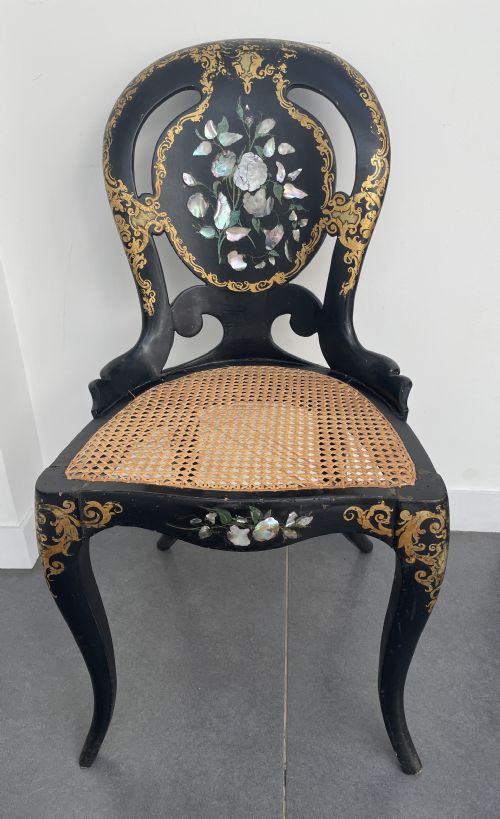
Construction techniques involved traditional joinery, bobbin turning, and steam bending for bentwood bistro pieces. Decorative elements include mother of pearl inlay, carved detailing, lacquer, and faux bamboo finishes.
Musicians once sat on specially designed revolving parlour chairs to twist towards their sheet music without scraping the floor.
Distinctions in Standard
The standard of a piece depends heavily on the crispness of the timber carving and the integrity of the frame construction. Solid hardwoods and finely figured veneers indicate a higher tier of production compared to simpler secondary woods.
The precision and tightness of the cane work distinguish superior examples from simpler ones. Matching sets and pieces retaining original decorative surfaces or maker attribution hold a distinct place in the hierarchy.
James Shoolbred·E W Godwin
The Victorian Cane Seated Chairs Glossary
- Bergere
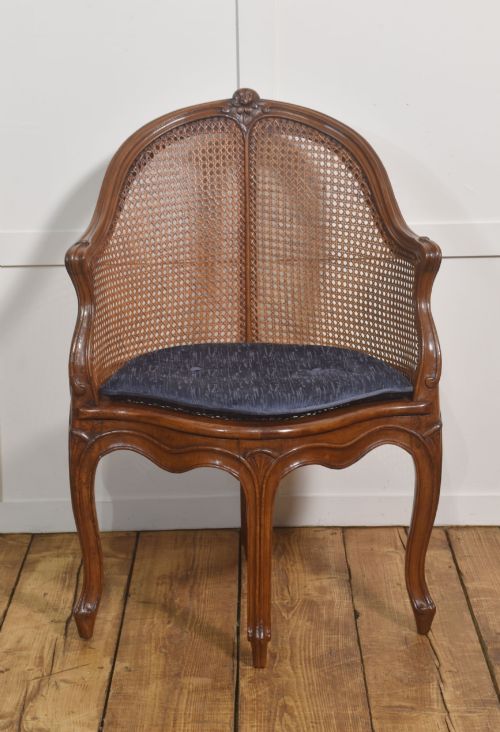
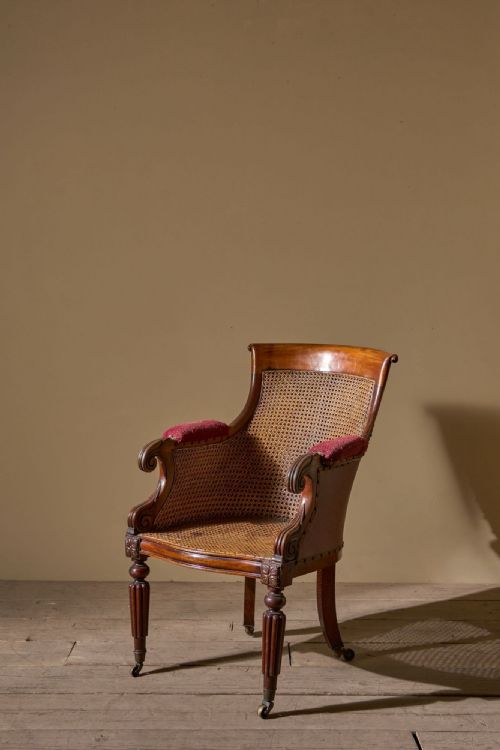
- An enclosed upholstered armchair with a wooden frame and cane back and sides. This style gained popularity during the nineteenth century for drawing rooms and libraries.
- Bobbin turned
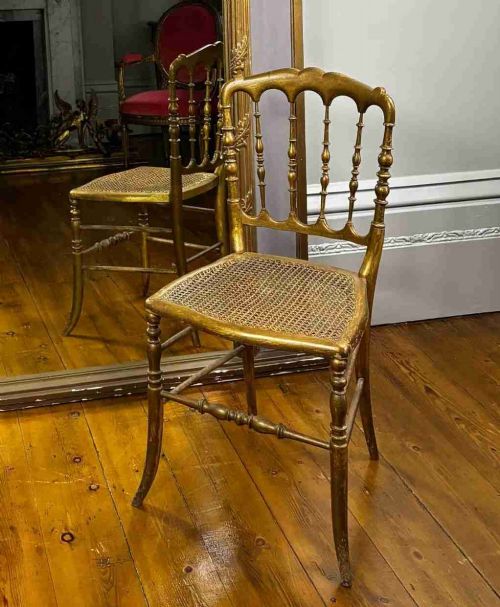
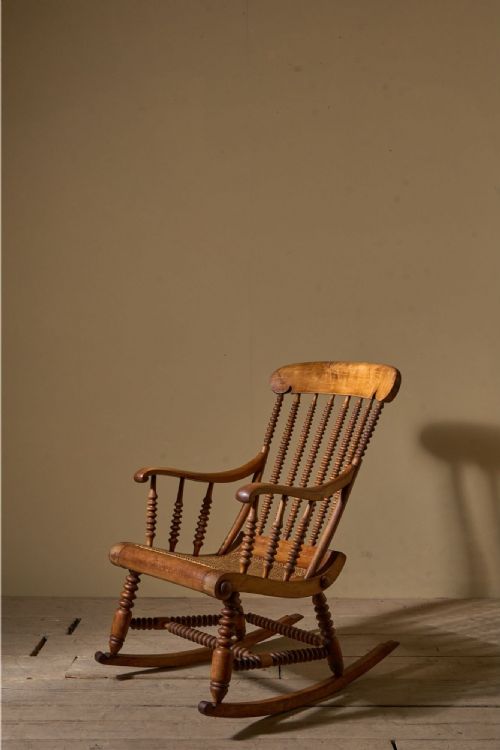
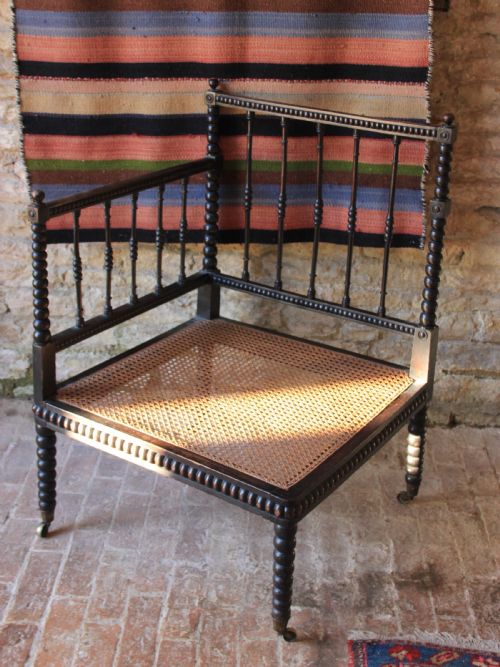
- Furniture legs and stretchers shaped on a lathe to resemble a series of bobbins or spools. This decorative turning appears frequently on nineteenth century country and revival chairs.
- Campaign chair
- Portable folding seating designed for travel by officers in the field. These clever pieces utilise hinges and collapsible frames for ease of movement.
- Tub chair
- A curved armchair where the back and arms form a single continuous rounded shape. They often feature caned panels and low profiles.
- Faux bamboo
- Wood turned and painted to imitate natural bamboo stalks. Makers produced this whimsical finish during the aesthetic movement.
Victorian Cane Seated Chairs: Frequently Asked Questions
What is a bergere chair?
A bergere chair is a French-style upholstered armchair featuring exposed wooden framing and caned panels on the back and sides. They offer a lighter visual weight than fully upholstered armchairs while maintaining structural support.
These pieces suit reading corners and drawing rooms alike, pairing well with loose cushions for added comfort.
How do you clean caned seats?
Caned seats require gentle maintenance using a damp cloth to remove dust from the woven strands. Avoid soaking the material, as excess moisture causes the natural rattan to become brittle over time.
Applying a light coat of boiled linseed oil occasionally helps keep the cane flexible and prevents snapping.
Where were these chairs used?
Victorian cane seated chairs served various domestic functions depending on their specific form. Smaller side chairs and bedroom chairs furnished private quarters, while larger armchairs and dining sets occupied formal reception rooms.
Rocking chairs and library chairs provided relaxed seating in studies and nurseries, whereas folding campaign models accommodated travel.
Are caned chairs strong?
Hand-woven cane seats distribute weight evenly across the open wooden frame, providing surprising resilience and elasticity. The natural flexibility of rattan allows the seat to yield slightly under pressure without breaking.
Properly maintained caning supports daily sitting comfortably, though sharp impacts or kneeling directly on the weave should be avoided.