



Victorian Mahogany Dressing Chair
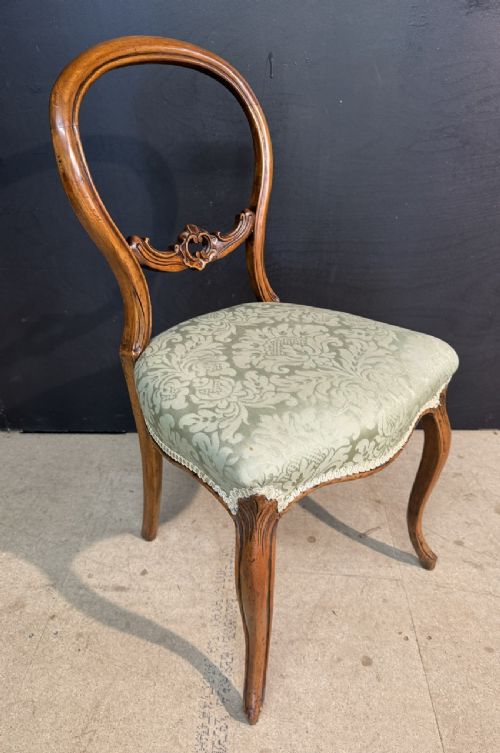
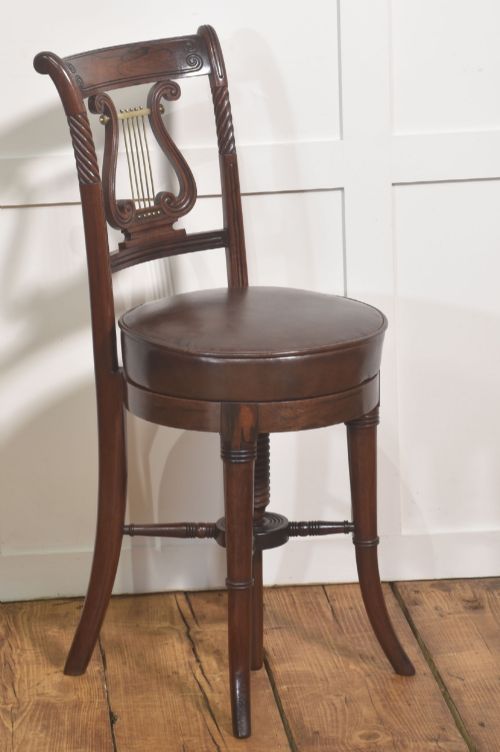
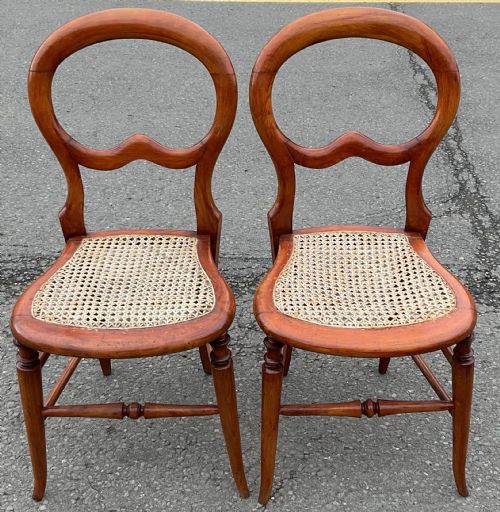
These Victorian mahogany dressing chairs are low-backed bedroom seating designed for the vanity, combining solid timber frames with upholstered comfort.
Victorian Mahogany Dressing Chair
A Victorian mahogany dressing chair is a low-profile bedroom seat designed for the vanity table, allowing users to sit comfortably while grooming. These pieces appear in forms such as side chairs, tub chairs, and adjustable designs.
The materials span mahogany frames paired with fabric, velvet, damask, and leather upholstery, sometimes accented with brass or bone inlay. Most examples date from the nineteenth century, including specific years like eighteen sixty and eighteen ninety.
The styles range from standard Victorian to Grand Regency and Regency, often featuring turned front legs, castors, or scroll carved backs. Alongside dedicated dressing chairs, buyers encounter related bedroom chairs, slipper chairs, and stools.
How They Were Made
Makers built these frames using solid mahogany, shaping the timber into cabriole or turned front legs, occasionally incorporating brass castors for mobility. Scroll carved backs and curved tub rails provided both structural support and aesthetic detail.
Upholstery techniques involved padding seats and backs in textiles such as velvet, damask, fabric, and leather, sometimes secured with new materials during later restoration. Detail work included bone inlay on select surfaces to enhance the visual appeal.
Victorian Mahogany Dressing Chair Retail Price Guide 2026
Typical asking prices for victorian mahogany dressing chair among the pieces listed under this phrase on Sellingantiques today, from the lower quarter to the upper quarter. They describe what is for sale here now, not the wider market.
Some chairs featured adjustable heights so Victorians could achieve the exact elevation needed for hair-crimping.
What Varies in Quality
The refinement of the timber carving and the complexity of the frame shape distinguish finer examples from simpler ones. Pieces with scroll carved backs, cabriole legs, or bone inlay demonstrate greater craftsmanship than plain turned structures.
The choice of upholstery fabric and the retention of original mechanisms, such as adjustable height functions, separate standard bedroom seating from higher-end dressing table chairs.
The Victorian Mahogany Dressing Chair Glossary
- Mahogany
- A durable hardwood commonly used for nineteenth-century furniture frames. Its rich reddish-brown tone forms the primary structure of these seats.
- Castor
- A small wheel attached to the base of furniture legs. These metal fixtures allowed chairs to move easily across bedroom carpets.
- Damask
- A reversible figured fabric traditionally used for rich upholstery. It provides a patterned, textured surface on chair seats and backs.
- Tub chair
- A seating form featuring a continuous curved back and arms enclosing the sitter. This shape offers compact support ideal for dressing tables.
Victorian Mahogany Dressing Chair: Frequently Asked Questions
What is a dressing chair?
A dressing chair is a low-backed seat specifically built for use at a bedroom vanity or dressing table. Its compact proportions allow it to tuck neatly underneath most tables.
The design prioritises comfortable grooming and hair styling, often lacking high arms that might otherwise restrict movement.
How do I date these chairs?
Dating relies on stylistic markers and construction methods associated with the nineteenth century. Details like turned front legs, scroll carved backs, and brass castors point to specific decades.
Makers of the period utilised solid mahogany and specific upholstery styles that evolved from Regency influences into full Victorian aesthetics.
Can I use these at a desk?
Many nineteenth-century dressing chairs double comfortably as desk or vanity chairs due to their adjustable heights and supportive backs. Their compact size suits smaller writing spaces.
Some surviving pieces are explicitly recorded as serving dual roles for both writing desks and dressing tables.
What upholstery is authentic?
Original seating utilised fabrics like velvet, leather, and damask tailored to nineteenth-century tastes. Many surviving pieces feature replacement upholstery applied during later maintenance.
Buyers often find chairs updated with new velvet or traditional damask while retaining their antique wooden frames.