

Victorian Candle Stand Table
These victoriano candle stand table pieces bring nineteenth-century compact surface design and traditional illumination support into domestic rooms.
Victorian Candle Stand Table
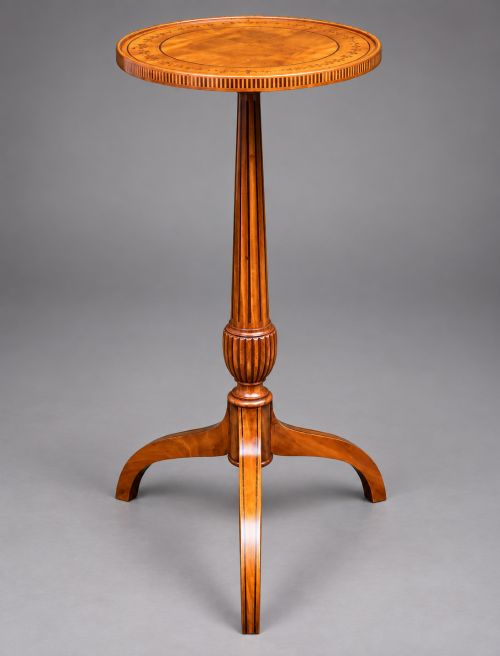
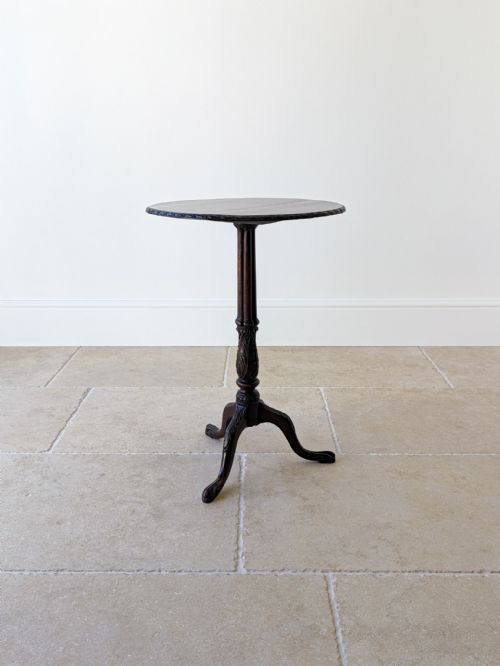
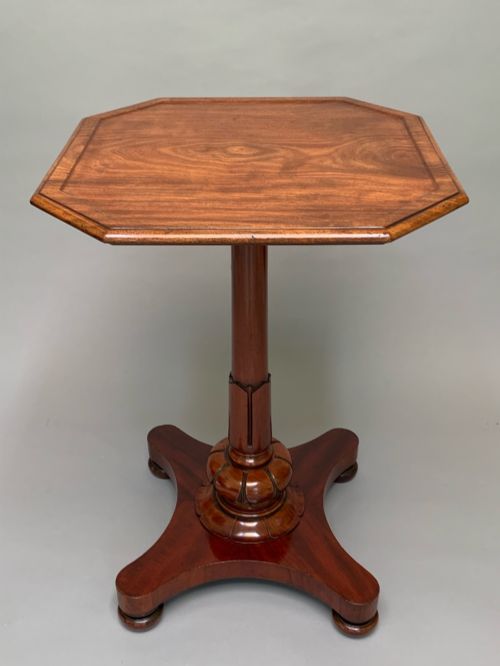
A victorian candle stand table combines small surface utility with periods spanning the nineteenth century, including specific dates from the eighteen-thirties to nineteen-hundred. Buyers encounter various forms such as wine tables, lamp tables, and occasional tables designed for portable lighting.
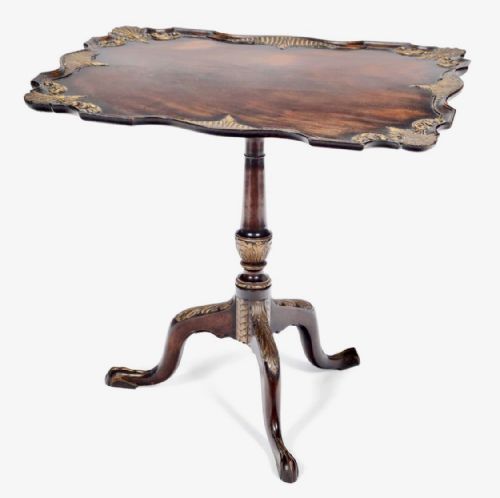
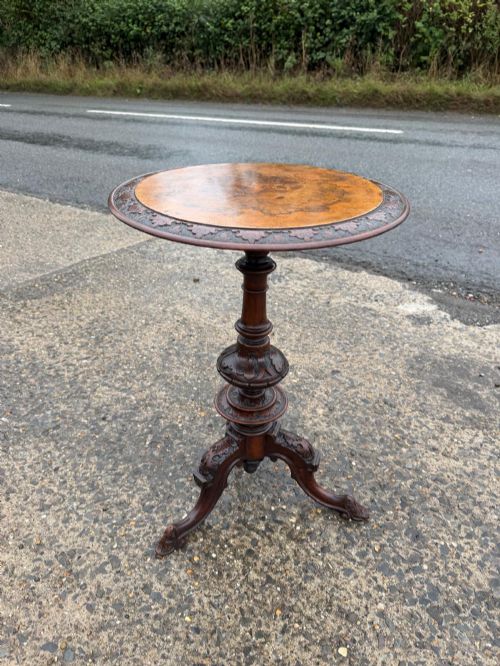
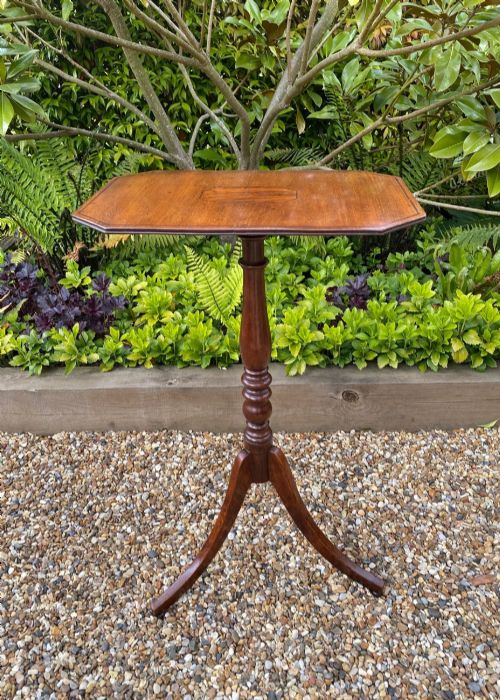
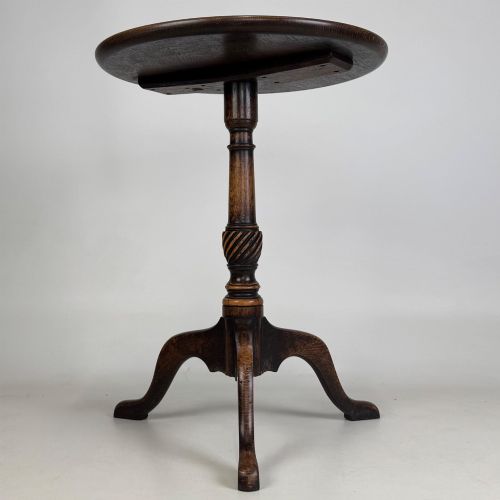
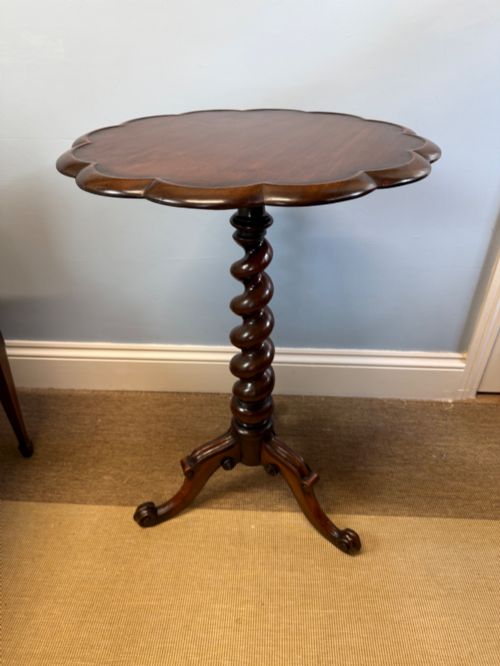
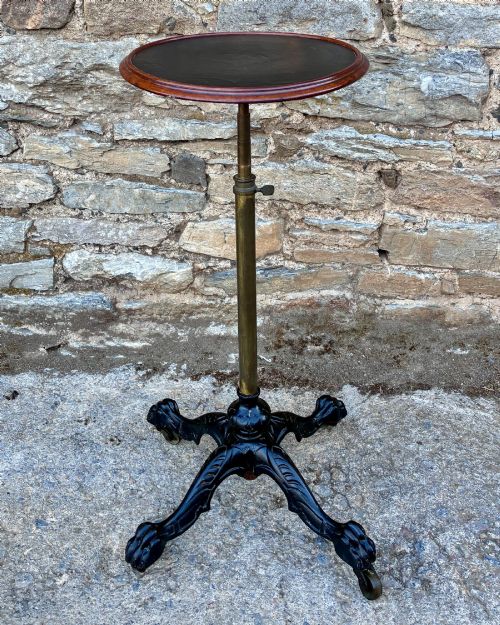
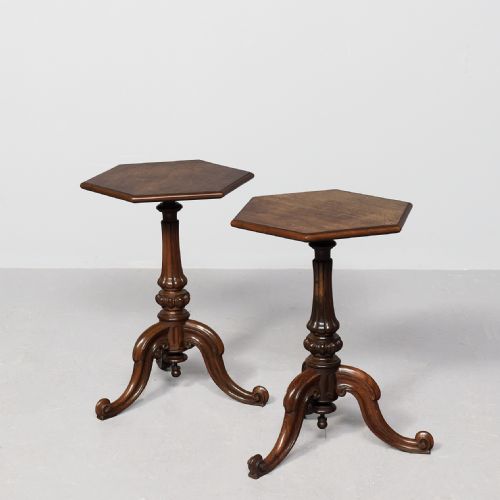
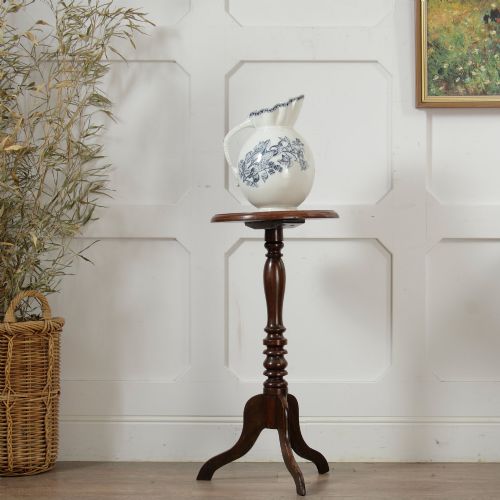
Originating largely within British cabinet-making traditions, these objects utilise timber supports like tripod bases and pedestal columns to hold small circular or shaped tops. Many examples incorporate tilt-top mechanisms or adjustable heights for practical household placement beside seating.
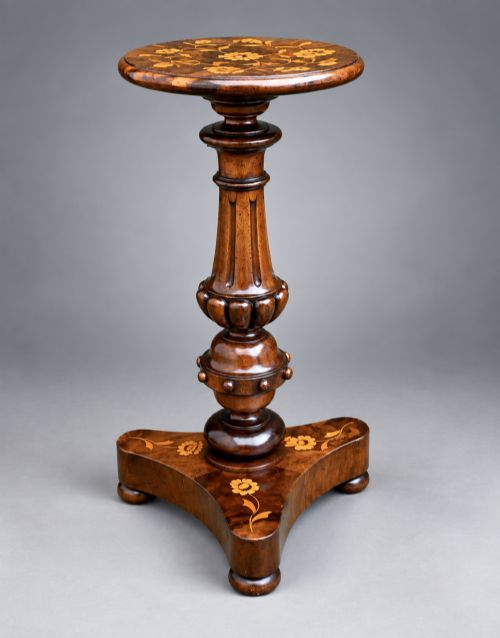
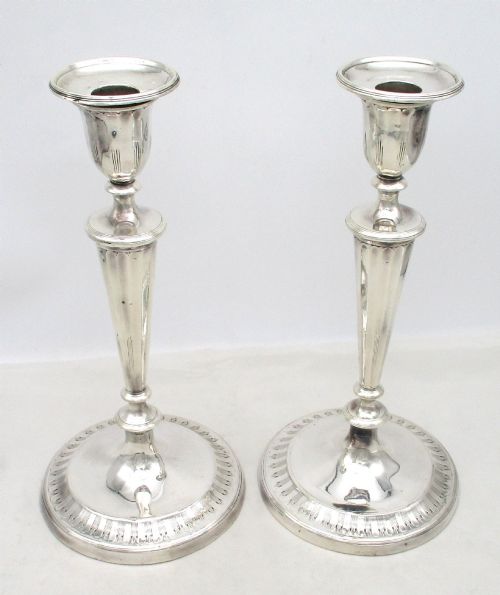
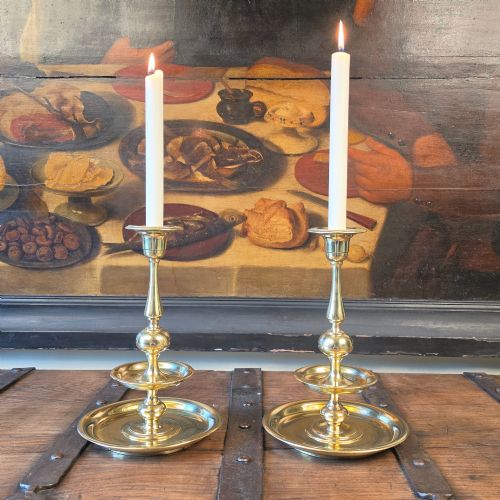
The material palette draws upon native and imported hardwoods including mahogany, walnut, rosewood, and oak, frequently enhanced by burr veneers, wood inlay, or parcel gilding. Alongside timber tables, related lighting supports such as brass candlesticks and silver-plated candelabra appear within the category.
Materials and Construction
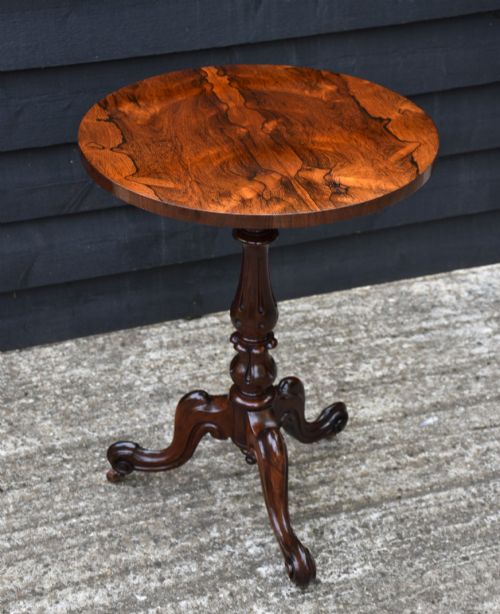
Cabinet-makers constructed timber tables using solid hardwoods like mahogany and walnut, often applying decorative veneers such as burr walnut or rosewood to circular tops. Tripod bases typically employ three shaped legs joined to a central pedestal pillar through traditional tenon or dowel joints.
Metal components utilise cast brass, silver plate, and gilt bronze, appearing in candlesticks, adjustable fittings, and structural brackets. Surface decoration relies on hand-carved details, bobbin galleries, barley twist turnings, and inlaid wood patterns rather than applied synthetics.
Some nineteenth-century tables feature cast brass cavalier figures holding up the illumination.
Judging Quality
Superior examples demonstrate tighter selection of timber veneers, such as highly figured burr walnut or rich rosewood, matched across the tabletop surface. Hand-carved details on tripod legs and columns show sharper definition and deeper relief compared to simpler, mechanical production.
Structural stability depends on the original integrity of the tilt-top mechanism and the tightness of the tripod joints. Higher-grade pieces maintain smooth operation in adjustable heights and telescopic actions without excessive play in the central pedestal.
WMF
The Victorian Candle Stand Table Glossary
- Tilt-top
- A tabletop hinged to the central pedestal so it can be pivoted vertically for storage against a wall. This mechanism allowed small tables to occupy minimal floor space when not holding lamps or glasses.
- Tripod base
- A furniture support consisting of three arched legs radiating from a central vertical pillar. This configuration ensured stability on uneven historical floorboards.
- Wine table
- A small occasional table designed to hold glassware and bottles beside seating during evening gatherings. These frequently share dimensions and forms with candle stands.
- Champlevé
- An enamelling technique where troughs are dug into a metal surface, filled with vitreous enamel, and fired. It appears on nineteenth-century decorative candlesticks.
Victorian Candle Stand Table: Frequently Asked Questions
What is a victorian candle stand table used for?
These small tables were originally positioned beside chairs or beds to hold portable lighting devices such as candlesticks or oil lamps. Their compact surfaces also accommodated small cups, wine glasses, or books during evening routines.
Over time, their roles shifted to accommodate electric table lamps and decorative objects. Today, buyers place them beside sofas or in corners where floor space is limited.
Are these tables sturdy enough for daily use?
Most nineteenth-century tripod tables remain structurally stable if the leg joints and central fixing blocks are secure. The three-legged design naturally accommodates uneven historical flooring without rocking.
Heavy impact should be avoided, particularly on tilt mechanisms and delicate veneer edges. Regular wax maintenance keeps the hardwood joints nourished and stable.
What is the difference between a wine table and a lamp table?
Wine tables and lamp tables overlap significantly in form, both featuring small circular tops supported by pedestals and tripod bases. Wine tables historically emphasised smooth wooden surfaces suited for glassware.
Lamp tables frequently date from slightly later in the nineteenth century as artificial lighting became common indoors. Both terms describe compact occasional tables of similar proportions.