
Victorian Candle Holder Stand
A victorian candle holder stand brings dependable period illumination and sculptural presence, spanning heavy church brass to delicate figural porcelain.
Victorian Candle Holder Stand
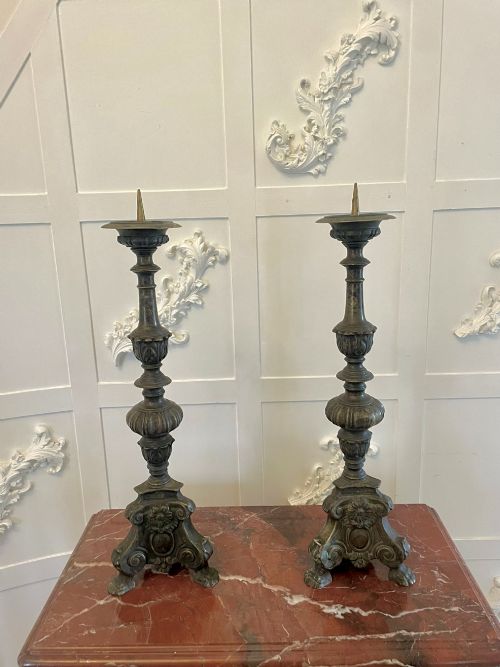
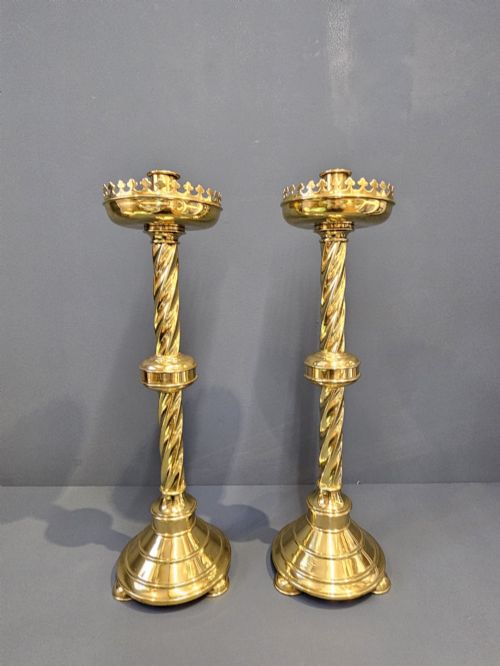
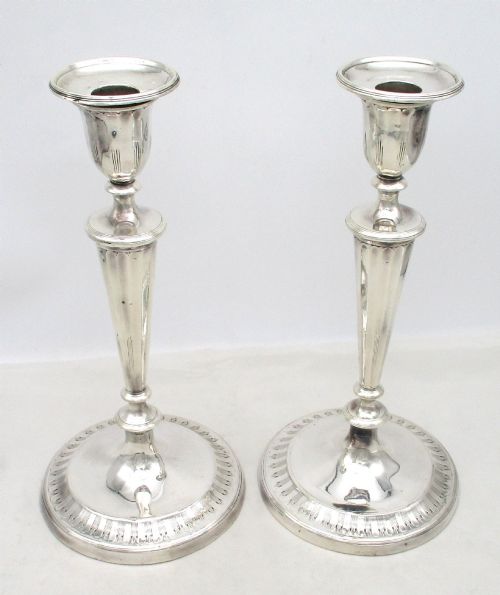
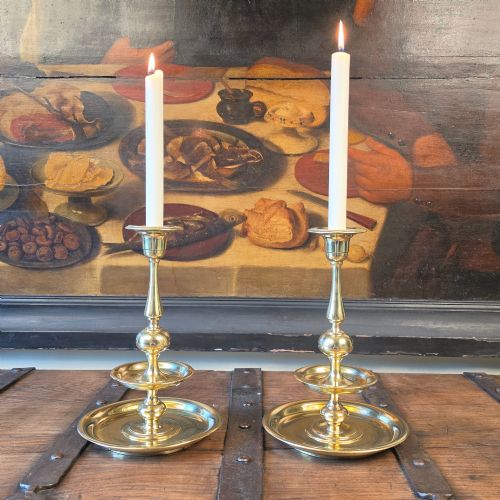
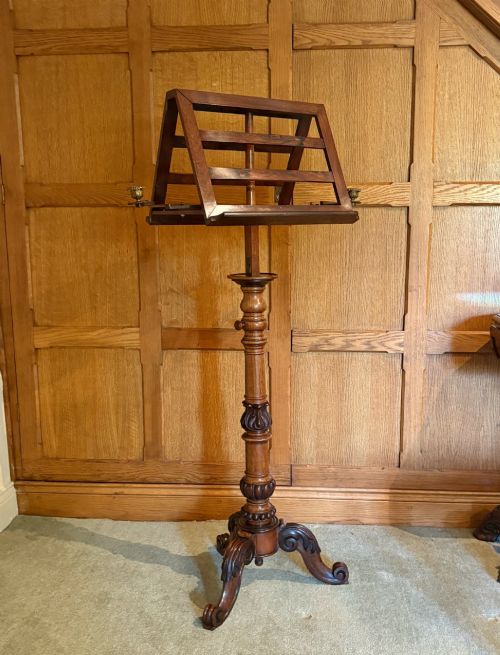
When searching for a victorian candle holder stand, buyers encounter a diverse selection of lighting fixtures and display pieces originating primarily from the nineteenth century. These objects range from heavy brass church candlesticks and prickets to silver plated column forms and dual purpose music stands.
The scope extends across the nineteenth century into the early twentieth century, incorporating materials like pewter, porcelain, champleve enamel, and ormolu. These pieces served practical domestic and ecclesiastical roles before transitioning into decorative items for period interiors.
How they were made
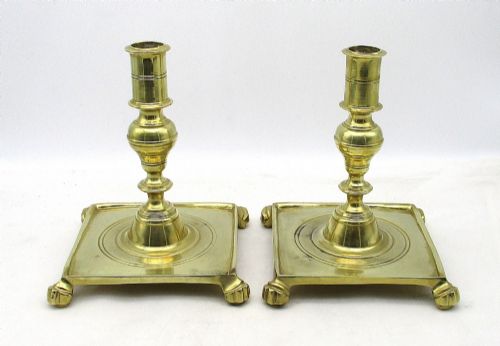
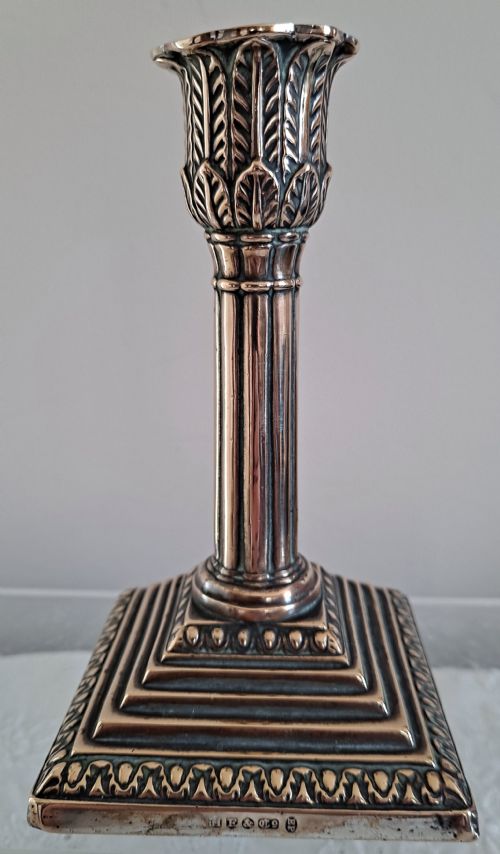
Metal components dominate the construction, utilising brass, bronze, and pewter cast in sections before being turned or chased by hand. Silver plating and electroplated nickel silver applied over base metals provided the appearance of solid silver at a lower production cost.
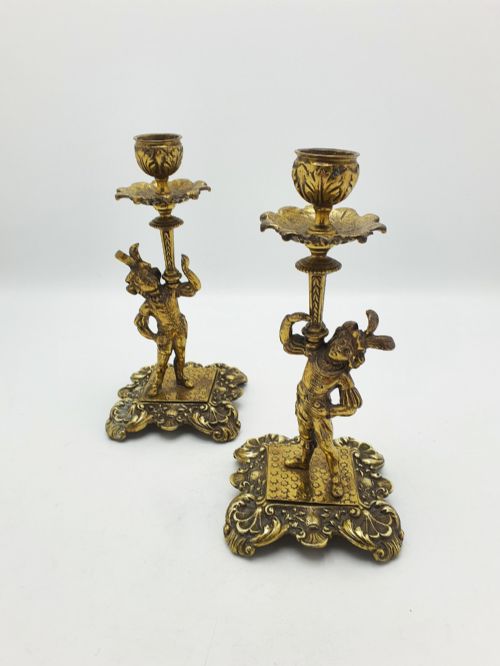
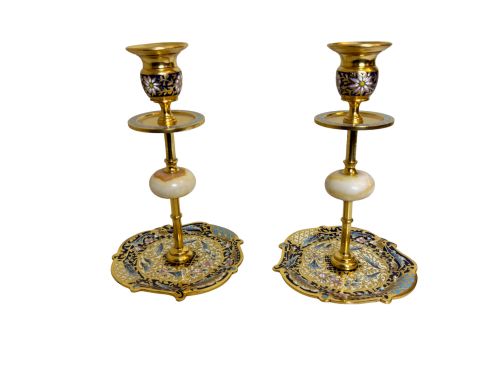
Decorative embellishments often involved applied ormolu, champleve enamel panels, and carved elements such as onyx or tortoiseshell inserts. Figural models integrated detailed spelter or bronze sculptures depicting animals, soldiers, or cavaliers alongside the candle socket.
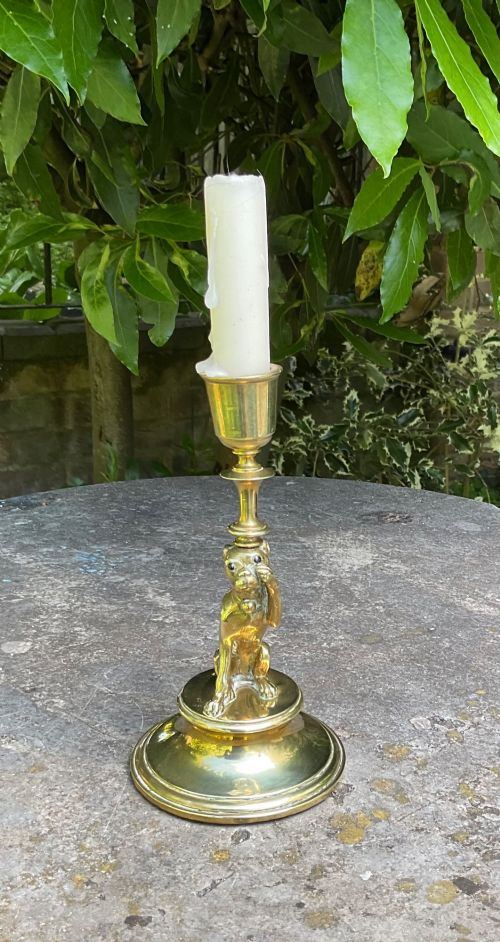
A pug dog stares up from a nineteenth century brass candlestick, proving that Victorian domestic accessories appreciated a touch of canine humour.
What varies in quality
The distinction between standard production and superior craftsmanship rests upon the weight of the metal, the crispness of the cast ornamentation, and the integrity of the joins. Heavier brass and bronze castings with deep, hand-finished chasing demonstrate a higher grade of manufacture than light, hollow-formed alternatives.
Material combinations elevate certain pieces, such as the integration of genuine champleve enamel, carved onyx, or marble bases rather than purely uniform metal work. The preservation of original finishes, whether silver plate, gilt bronze, or patinated bronze, directly influences the aesthetic standing of the object.
Gillows·WMF·Frederick J Smith & Co·Wm. Tonks & Sons
The Victorian Candle Holder Stand Glossary
- Pricket candlestick
- A candle holder featuring a sharp metal spike at the centre of the drip pan to impale a large candle, commonly found in ecclesiastical contexts.
- Ormolu
- Gilded bronze utilised extensively for decorative mounts and decorative highlights on nineteenth century metalwork.
- Champleve
- An enamelling technique where troughs are carved into a metal surface and filled with vitreous enamel before firing.
- Spelter
- A zinc alloy frequently cast as a cost-effective substitute for bronze in figural sculptures and decorative candlesticks.
- Ejector
- A mechanical feature built into the stem of a candlestick that uses an internal slide to push out the remaining candle stub.
Victorian Candle Holder Stand: Frequently Asked Questions
What is a pricket candlestick?
A pricket candlestick uses a central spike instead of a socket to secure the candle during use. This design is historically associated with church altars and large ceremonial tapers.
The metal spike holds the base of the candle firmly in place above a wide drip pan designed to catch melted wax. Examples seen on this page date primarily from the nineteenth century.
How do I clean brass candlesticks?
Cleaning antique brass requires minimal intervention to preserve the natural oxidation and historical patina accumulated over decades. Using a soft dry cloth removes surface dust without harming the underlying metal.
Harsh chemical polishes strip away the aged surface appearance that collectors value. Gentle care ensures the original cast details remain sharp and distinct.
What materials were used?
Makers utilised a wide array of metals including brass, bronze, pewter, and silver plate alongside decorative accents of porcelain and marble. Some pieces incorporate unusual details like tortoiseshell or onyx inserts.
Electroplated nickel silver also appears on items produced during the later nineteenth century. Each material reflects the prevailing manufacturing techniques and stylistic preferences of its specific decade.