


Victorian Campaign Desk
A victorian campaign desk is a robust, knock-down piece built for travel, offering officers and travellers a sturdy writing surface on the move.
Victorian Campaign Desks
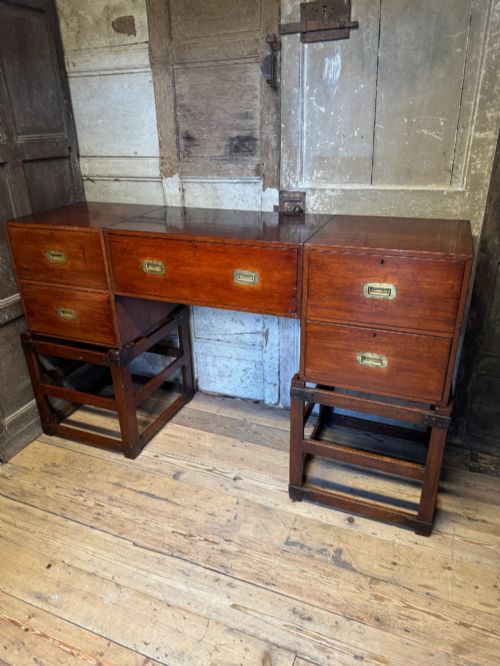
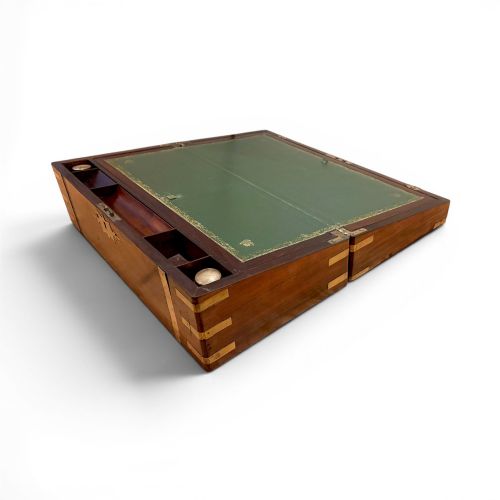
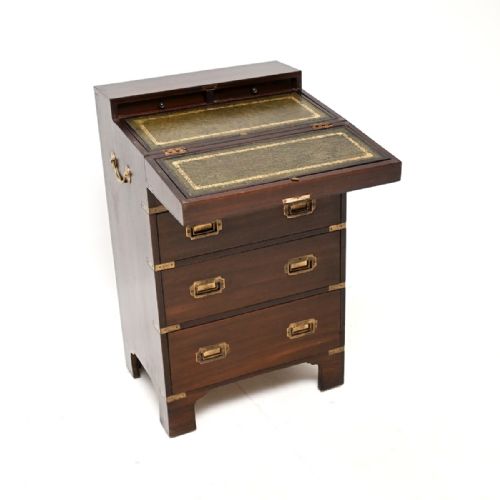
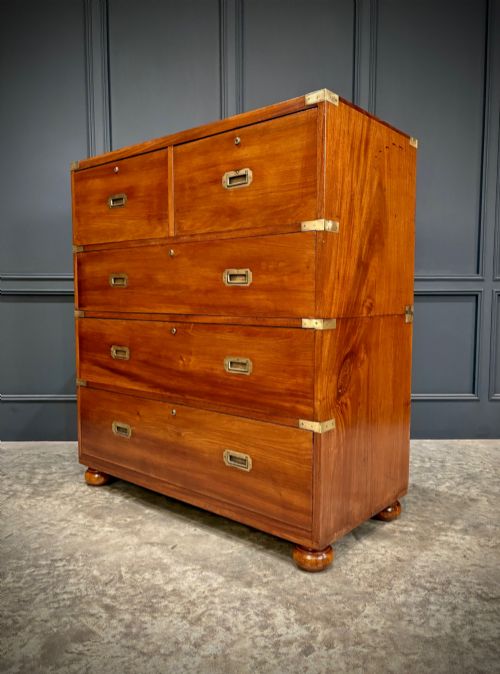
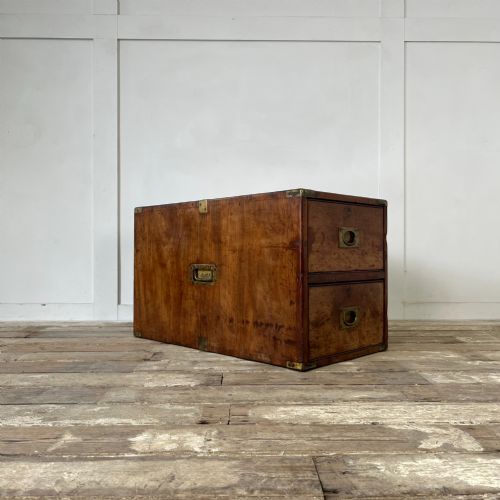
When you search for a victorian campaign desk, you encounter a specialised form of portable writing furniture designed for military personnel, naval officers, and colonial administrators on the move. These pieces divide into manageable sections, such as pedestal halves or folding writing slopes, secured with brass mounts and recessed carrying handles.
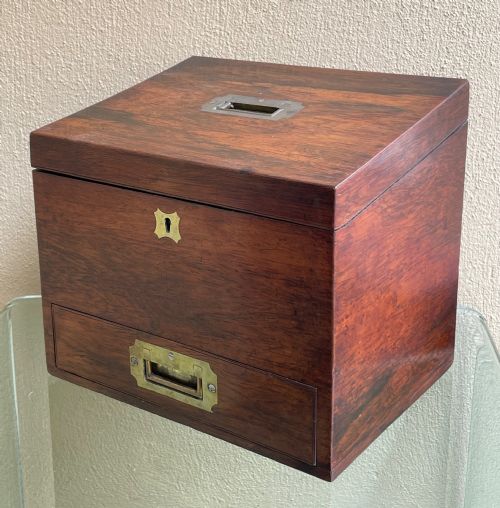
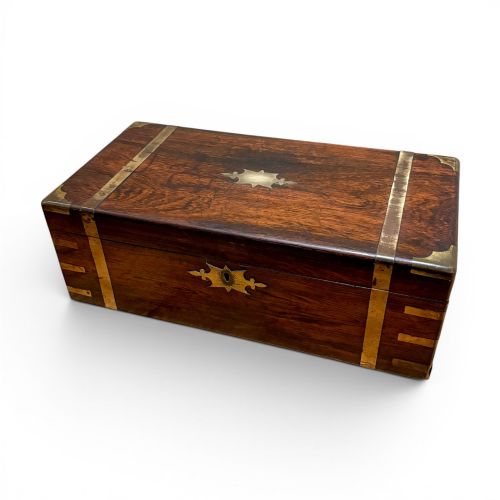
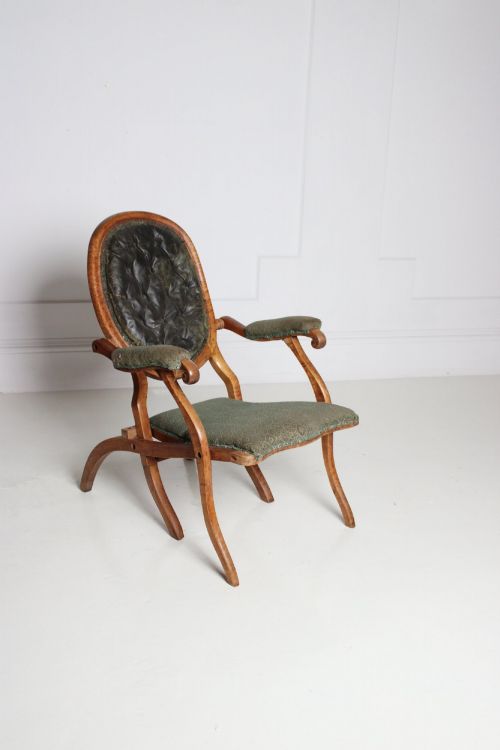
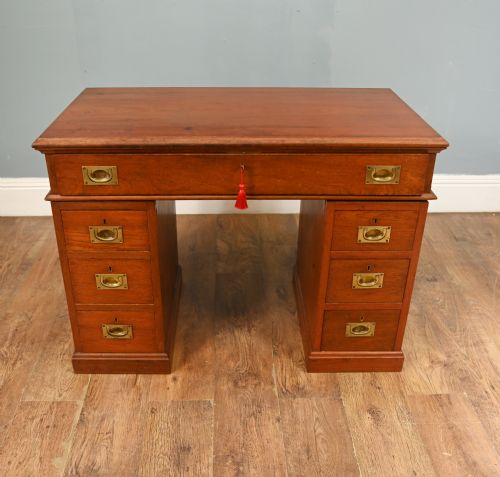
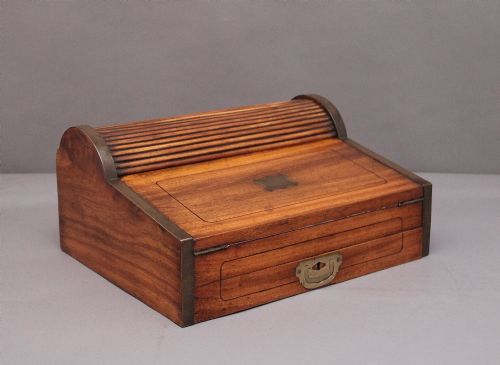
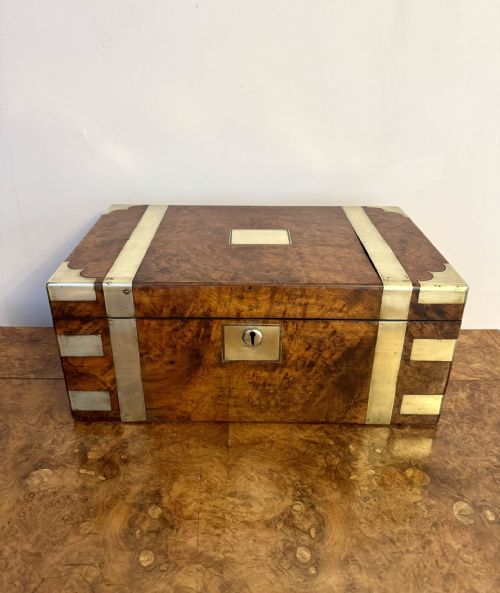
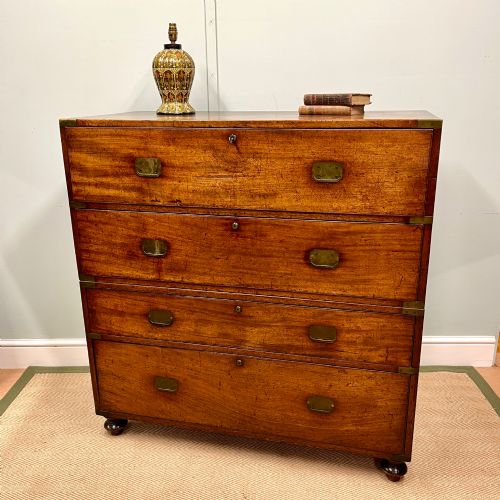
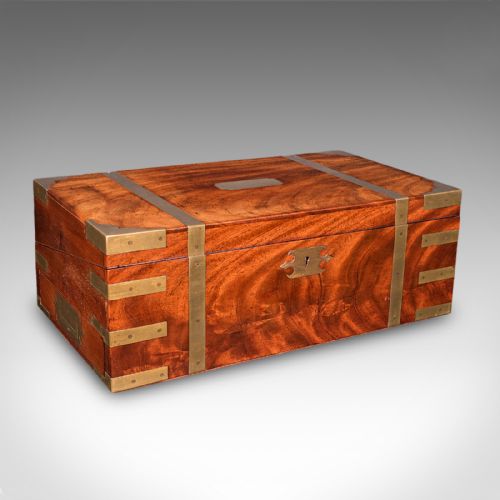
The version you are most likely to meet on this page is a mahogany or teak pedestal desk or writing slope originating from the nineteenth century. Listings include variations like bureau chests, kneehole pedestal writing desks, and folding compendium tables produced in the Victorian period and slightly beyond.
Judging Quality
The top of the range is defined by the precision of the dismantling mechanism and the quality of the timber selection, such as figured mahogany or well-chosen camphor wood. Superior examples maintain structural rigidity when assembled, despite the numerous joints required for portable furniture.
Hardware execution separates better pieces from standard output; high-grade brasswork sits flush into the wood and uses substantial screws rather than superficial tacks. The presence of original fitted interiors, secret compartments, and matching components across multi-part pedestal desks indicates a higher standard of original commissioning.
Retail Price Guide 2026
Typical UK retail prices for victorian campaign desk, calculated from the Sellingantiques database of over a million retail prices indexed since 2003. This retail price guide relies exclusively on Sellingantiques data; no external sources or auction records are used, so the figures do not describe the wider market.
Many a ship's officer managed to keep his gold dry by stashing it away in a secret sovereign section hidden deep inside his camphor wood slope.
The Victorian Campaign Desk Glossary
- Campaign style
- Furniture designed to dismantle or fold for military transport, characterised by brass corners and recessed handles.
- Writing slope
- A portable box with an angled, hinged writing surface that frequently conceals inkwells, compartments, and secret drawers.
- Pedestal desk
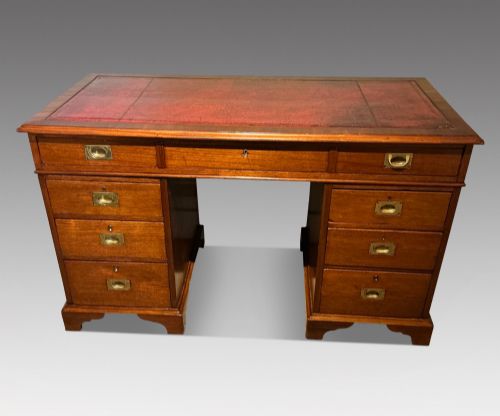
- A heavy desk comprising two box-like pedestals of drawers supporting a central writing top, often built in sections for travel in this genre.
- Campaign handle
- A brass drop handle set into a recessed circular or rectangular plate so it does not project beyond the furniture face.
- Sovereign section
- A small concealed compartment or partitioned drawer specifically designed for storing gold sovereign coins securely.
Frequently Asked Questions
How did officers use campaign desks?
Officers used these desks for managing correspondence, writing orders, and maintaining records while on military campaigns or naval deployments.
The modular design allowed the furniture to be packed quickly into crates or mules for transport across difficult terrain.
Are these desks easy to dismantle?
Yes, most pedestals and writing boxes separate into distinct sections held together by brass bolts, latches, or sliding pins.
This engineering enabled rapid packing for travel without requiring specialised tools.
What woods were used for campaign furniture?
Makers favoured dense, resilient hardwoods such as mahogany, teak, and oak to endure harsh travel conditions and fluctuating climates.
Camphor wood was also utilised for its insect-repellent properties, particularly in pieces originating from colonial postings.
How do I spot a genuine Victorian piece?
Examine the construction methods, timber ageing, and the quality of the brass hardware, which should show period-appropriate wear and manual craftsmanship.
Genuine pieces from this era typically feature secondary woods appropriate to British or Anglo-Indian workshops of the nineteenth century.
Do campaign desks include leather tops?
Many pedestal desks and writing tables feature inset leather writing surfaces, often bordered with blind or gilt tooling.
These surfaces provided a smooth, non-glare plane for writing by candlelight or in bright sunlight.