




Victorian Calling Card Case
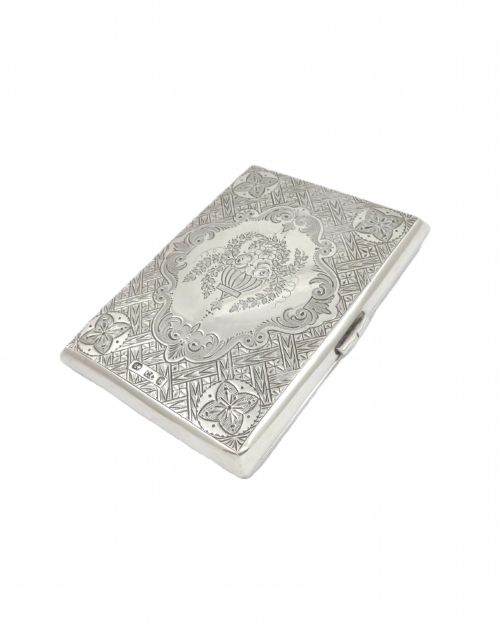
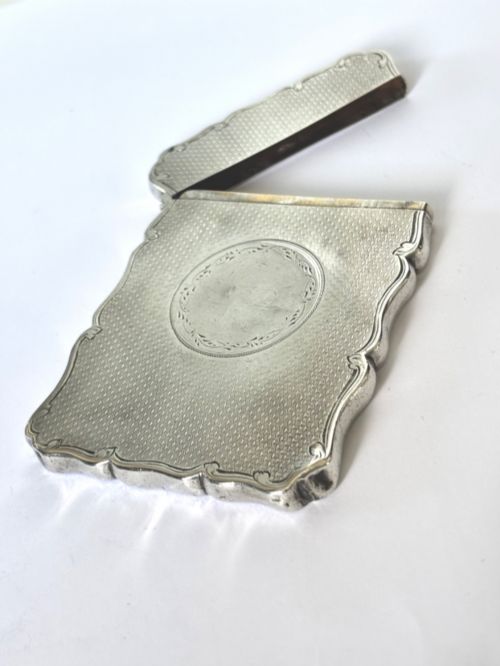
A victorian calling card case is a pocket receptacle for formal visiting cards, prized for intricate metalwork and organic inlay.
Victorian Calling Card Case
A victorian calling card case is a small container designed to hold visiting cards during the nineteenth and early twentieth centuries. These pieces reflect the rigid social etiquette of the period, when callers left cards upon visiting acquaintances.
The selections here span the Victorian and Edwardian eras, reaching back into the mid-nineteenth century and forward into the early nineteen hundreds. Forms range from slim silver slivers to hinged boxes, alongside delicate folding aids and fitted cases.
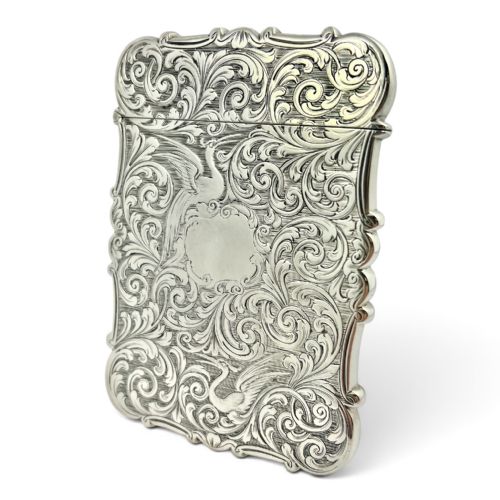
Most items emerge from British workshops, though examples demonstrate Anglo-Indian craftsmanship and American manufacture. Collectors encounter plain polished surfaces, engraved foliate designs, and elaborate architectural scenes.
How they were made
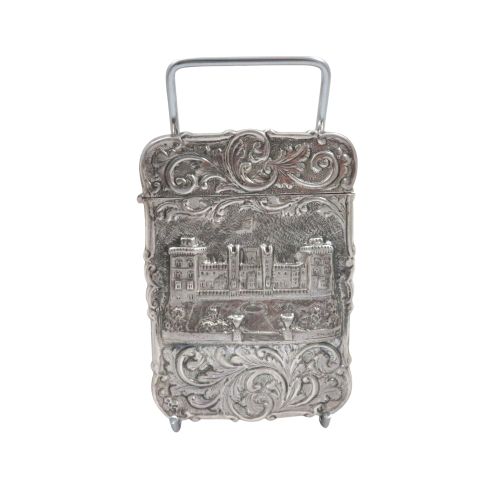
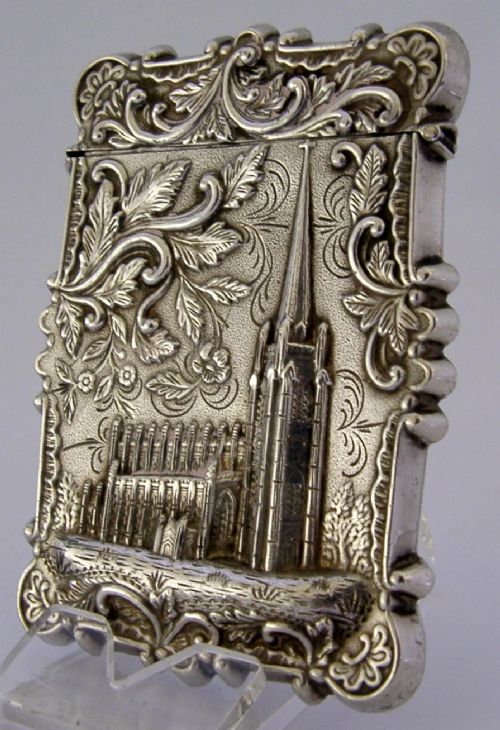
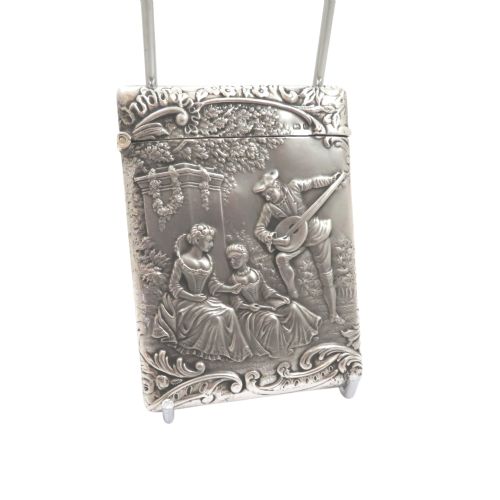
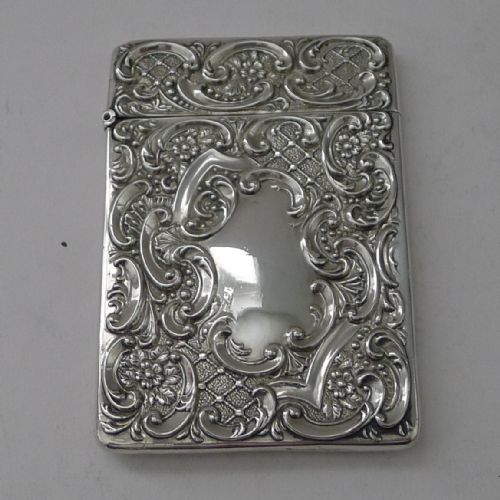
Silversmiths constructed sterling silver cases using techniques such as repoussé, chasing, and engine turning to create textured relief patterns. Castle top designs required meticulous hand engraving to depict specific architectural landmarks on miniature metal plaques.
Alternative constructions combined organic materials like mother-of-pearl, abalone, tortoiseshell, and bone with wooden or metal frames. Artisans sliced these fragile materials into thin plates, scoring delicate geometric or arboreal motifs into the surface.
Listings feature sterling silver, tortoiseshell, mother-of-pearl, bone, Connemara marble, and ebony across Victorian and Edwardian periods.
What varies in quality
Quality rests in the crispness of the detail and the precision of the assembly, particularly where hinges and clasps meet. Crisp repoussé work and sharply defined architectural engravings separate superior metal pieces from simpler production.
In inlaid examples, the tightness of the joinery between mother-of-pearl or tortoiseshell and the backing reveals the maker's skill. Finer specimens retain smooth interior silk or velvet linings and crisp hallmarks stamped into the metal.
Nathaniel Mills·George Unite·Hilliard & Thomason·Foxall & Co·William Neale
The Victorian Calling Card Case Glossary
- Castle top
- A style of card case featuring a detailed engraving or cast relief of a famous building or landmark on the cover. These architectural scenes often depict structures like Windsor Castle or St Paul's Cathedral.
- Repoussé
- A metalworking technique where the artisan hammers the metal from the reverse side to form a raised design in relief on the front. This method creates tactile depth on silver surfaces.
- Aide memoire
- A small memorandum book or card case fitted with ivory leaves or paper panels for recording engagements. These dual-purpose objects combine card storage with a functional writing surface.
- Abalone
- A marine mollusc shell displaying iridescent blues and greens, frequently utilised alongside mother-of-pearl in geometric veneer patterns. The material adds shimmering colour play to nineteenth-century surfaces.
- Visiting card
- A small paper card bearing the owner's name, used during formal social calls to announce one's arrival. Cases protected these slips of card from bending in pockets or reticules.
Victorian Calling Card Case: Frequently Asked Questions
How were card cases used?
Owners placed their printed visiting cards inside the case before setting out on social visits. Upon arrival at a home, the caller handed a card to the servant at the door.
If the host was absent, the card was left on a hall table or inserted into a card receiver. This custom communicated that the caller had paid their respects despite missing the resident.
How do I date a silver case?
British silver pieces typically bear hallmarks stamped by an assay office, including a date letter that indicates the specific year of manufacture. Examining these tiny stamped symbols reveals the exact year the metal was tested and marked.
Stylistic clues also help narrow the period, such as the heavy ornamentation of the mid-nineteenth century or the lighter aesthetic of Edwardian examples.
What materials are common?
Sterling silver dominates the metal selections, often decorated with engraving, repoussé, or cast architectural scenes. Silversmiths utilised the material for both plain and highly ornate designs.
Organic materials such as mother-of-pearl, abalone, tortoiseshell, bone, and Connemara marble appear frequently. Artisans combined these substances with wood or metal to create contrasting inlaid patterns.
How do I care for antique cases?
Silver components benefit from gentle cleaning with a soft cloth to maintain the shine without scrubbing away fine engraved details. Avoid harsh chemical dips that strip away desirable natural patination accumulated over time.
Organic inlays like tortoiseshell and mother-of-pearl require protection from extreme temperature shifts and direct sunlight. Keeping the pieces in a dry environment preserves the delicate adhesives and thin wooden backers.