



Victorian Cake Stand Wood
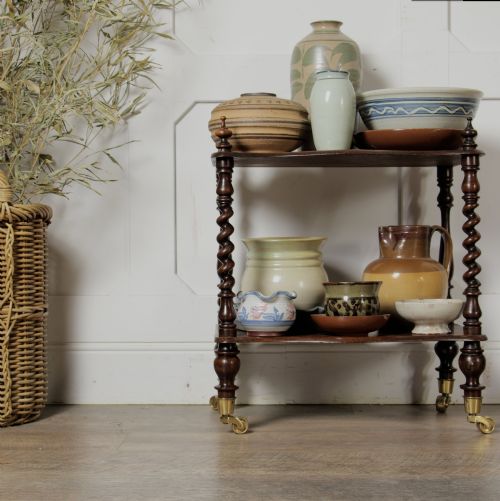
These victorian cake stand wood pieces are tiered timber servers built to display pastries and cheese, offering rich period character for the home.
Victorian Cake Stand Wood
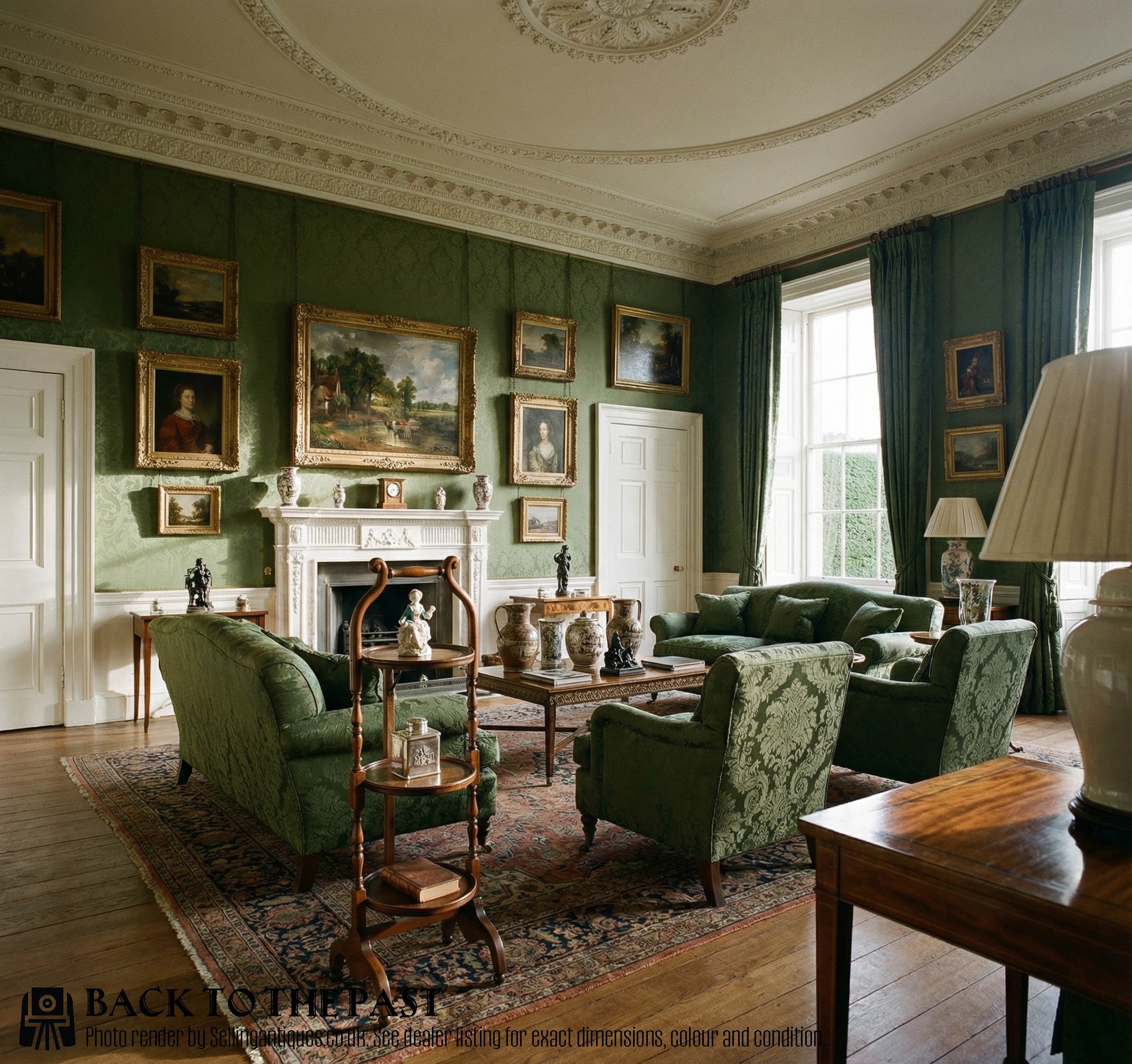
When you search for victorian cake stand wood, you encounter multi-tiered timber servers, occasional tables, and folding stands spanning the Victorian, Edwardian, and Georgian periods. The selection here leans heavily towards Victorian mahogany circular cake or cheese stands and tiered folding display pieces.
You also meet three-tier tripod pedestals, revolving lazy susans, and inlaid oval display shelves alongside simpler folding wooden structures. These items served a practical domestic purpose in nineteenth-century parlance, holding food or small items for parlour entertaining.
The forms vary from rigid three-tier tripod pedestals to collapsible frames designed for easy storage when not in use. Mahogany and walnut dominate the offerings, often complemented by brass fittings or subtle decorative inlay.
How they were made
Joinery relies on solid hardwoods such as mahogany and walnut, frequently enhanced by burr walnut veneer or ebonised wood details. Craftsmen shaped these timbers into turned barley twist columns, circular tiers, and sturdy tripod pedestals.
Folding mechanisms utilise clever wooden hinges and brass elements to allow multi-tier stands to collapse flat. Surface finishes include traditional polish and occasional later painted decoration over satinwood or mahogany.
Victorian Cake Stand Wood Retail Price Guide 2026
Typical asking prices for victorian cake stand wood among the pieces listed under this phrase on Sellingantiques today, from the lower quarter to the upper quarter. They describe what is for sale here now, not the wider market.
Mahogany and walnut are the dominant woods across these listings, appearing alongside rarer satinwood and ebonised finishes.
What varies in quality
The distinction between standard utility items and finer pieces lies in the choice of timber and the crispness of the turning. Burr walnut veneer and delicate inlay indicate a higher grade of manufacture intended for formal reception rooms.
Structural integrity in the folding mechanism and the stability of the central column separate robust examples from weaker ones. Finer stands maintain smooth operation in their hinges and balanced proportions across every tier.
The Victorian Cake Stand Wood Glossary
- Etagere
- A piece of furniture with a set of open shelves for displaying small objects. These tiered stands often function similarly to traditional étagères.
- Barley Twist
- A type of pillar or column carved in a helical screw shape. This decorative turning appears frequently on Victorian supports and table legs.
- Lazy Susan
- A revolving tray placed on a table to assist in moving food. Wooden examples serve as rotating display surfaces in this category.
- Tripod Pedestal
- A central pillar supported by three feet. This construction provides stable elevation for circular cake stands and small tables.
Victorian Cake Stand Wood: Frequently Asked Questions
How were wooden cake stands used?
Victorian households utilised these multi-tiered stands during afternoon tea and formal gatherings to present cakes, pastries, and cheeses. They saved valuable table space by stacking multiple serving surfaces vertically.
Servants moved them easily around the drawing room as needed. Later, many found new life displaying decorative items rather than food.
How do I distinguish between periods?
Victorian pieces often feature rich mahogany with turned columns or barley twist details. Edwardian and later examples frequently introduce practical folding frames for compact storage.
Georgian items in the selection tend towards earlier mahogany occasional tables and dumb waiters. Examining the timber choice and joinery style reveals the approximate decade of manufacture.
Are folding cake stands sturdy?
The better examples use clever wooden hinges and quality brass pivots to ensure stability when open. They were designed to hold the weight of heavy ceramic plates and food.
Over time, some folding joints loosen through regular use. Checking the alignment of the tiers helps confirm the stand remains balanced.
Where should I place a tiered stand?
These pieces fit naturally in a dining room, hallway, or living space as display surfaces. Their vertical design makes them ideal for corners or beside armchairs.
You can use them to hold plants, books, or small collections. Their timber construction warms up neutral interiors.