


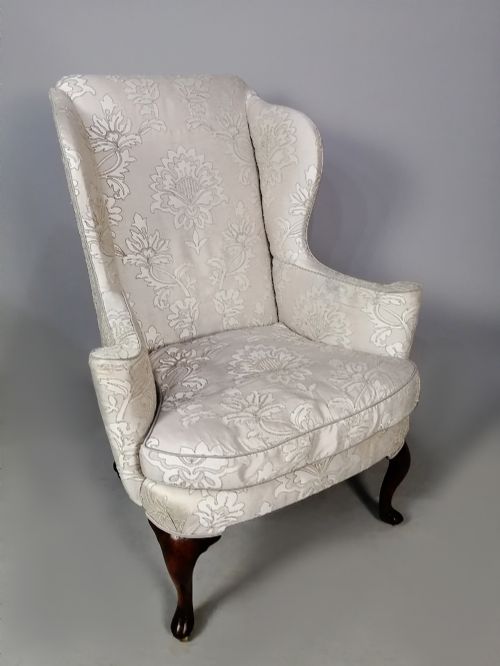
Victorian Cabriole Chair
A victorian cabriole chair brings sculpted wooden curves and traditional upholstery together to anchor a period interior with elegance.
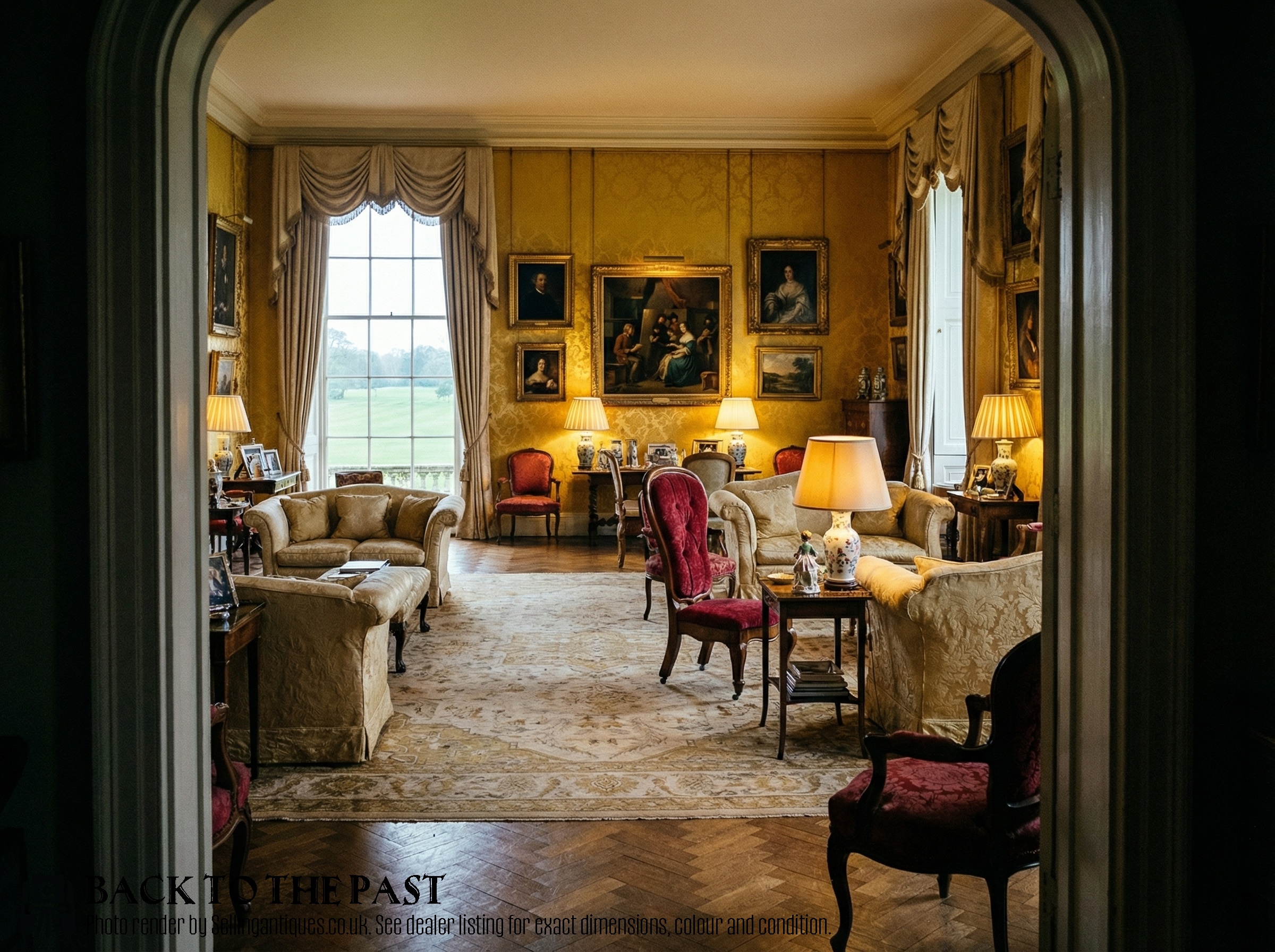
Victorian Cabriole Chair
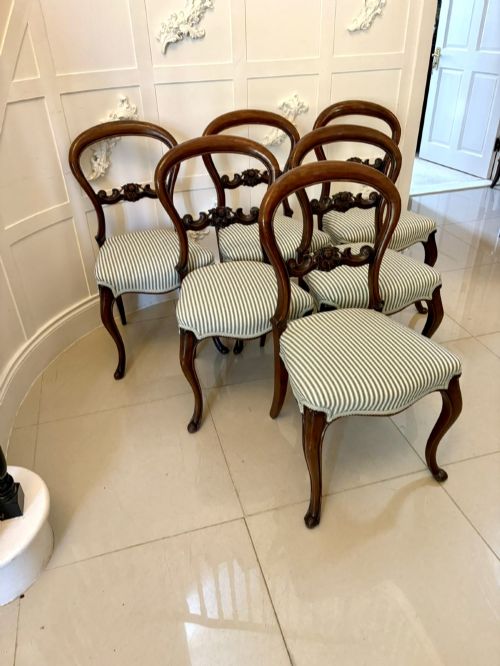
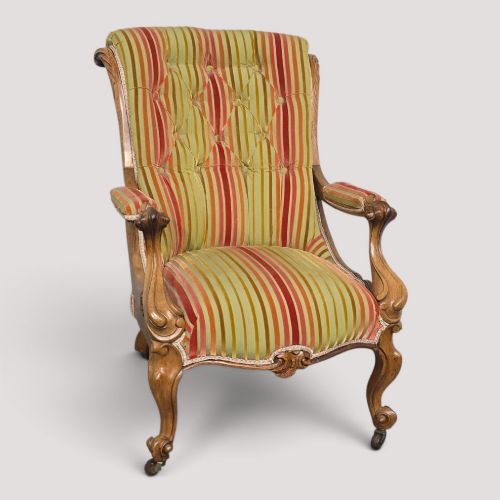
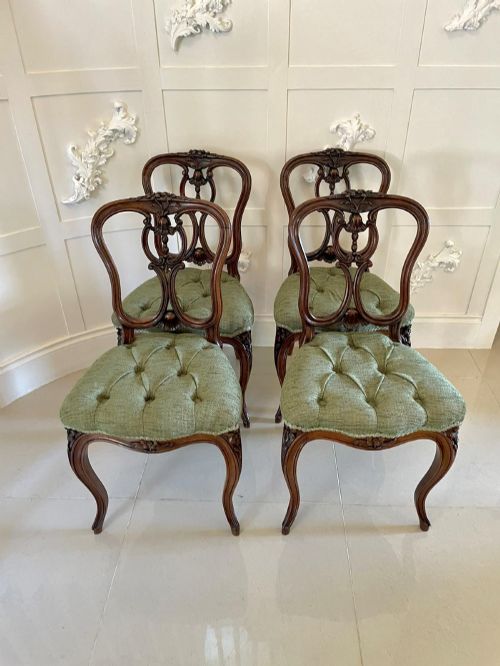
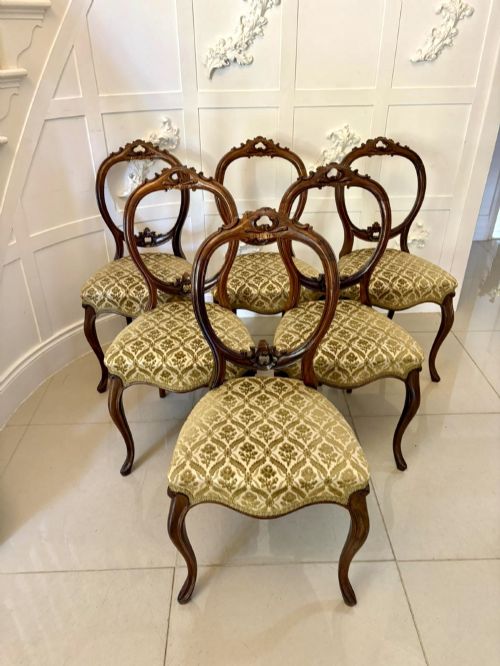
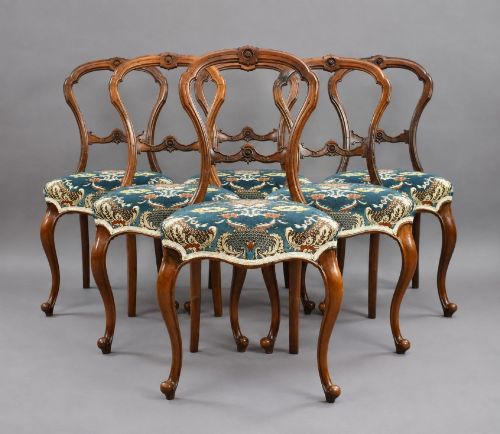
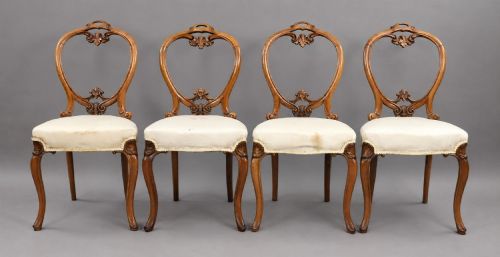
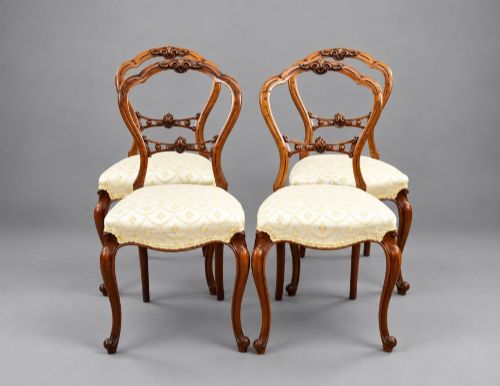
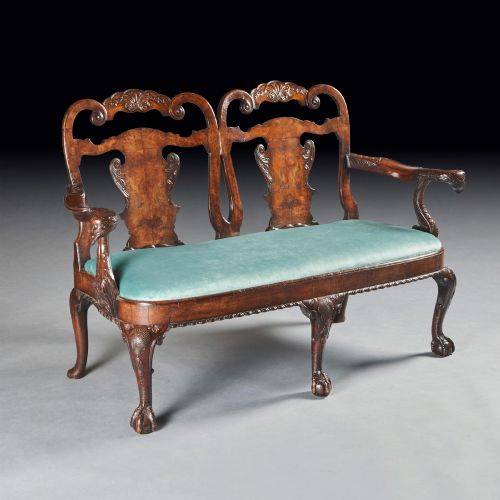
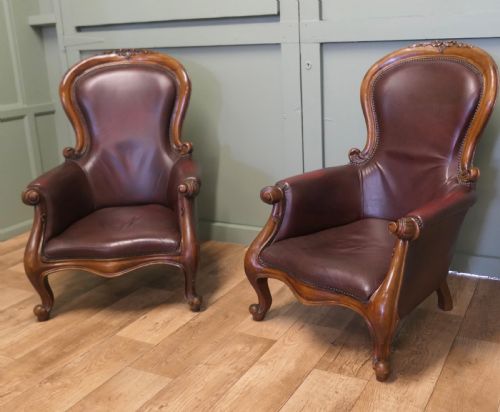
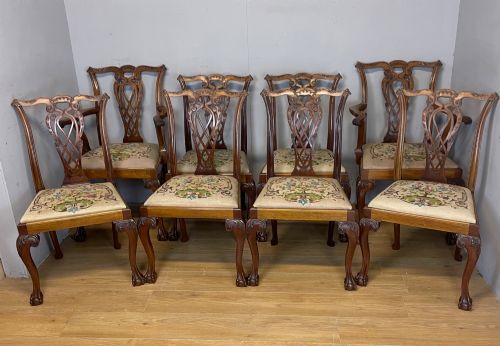
A victorian cabriole chair is defined by its characteristic double-curved leg, flowing outward at the knee and tapering inward to a foot. The listings reveal these pieces spanning dining sets, nursing chairs, and library armchairs.
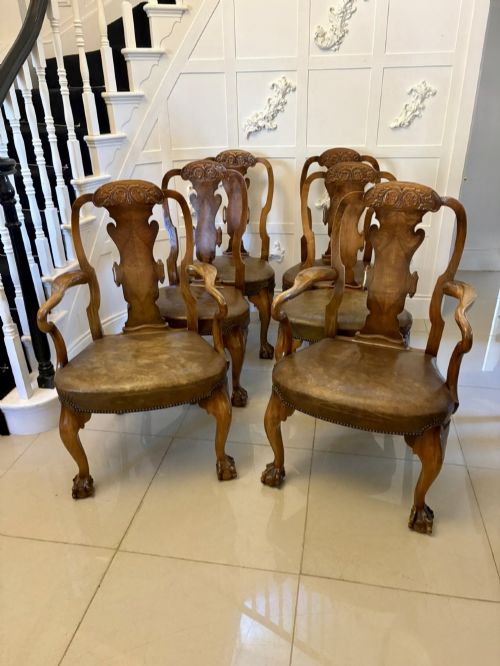
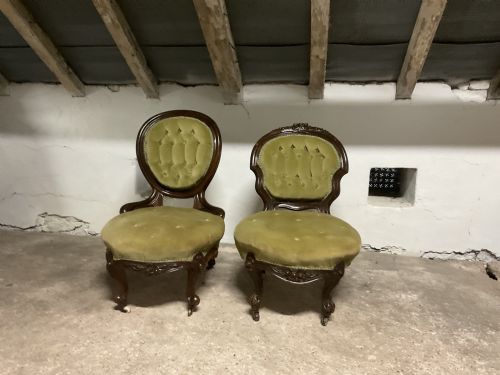
Walnut and mahogany dominate the timber choices for these frames, often shaped into balloon backs, spoon backs, or carved show-frames. Buyers frequently encounter sets of dining chairs alongside single parlour and occasional seating.
Origins stretch across the nineteenth century, capturing revivalist movements such as Rococo Revival and Queen Anne Revival. These designs reinterpret earlier graceful silhouettes through Victorian craftsmanship.
How They Were Made
Cabinetmakers shaped dense hardwoods like walnut, mahogany, and rosewood using hand-carving techniques to create the characteristic flowing lines of the frame. Timber was selected for grain movement, particularly in burr walnut variations.
Upholstery utilised traditional stuffing materials secured over webbed frames, finished with textiles ranging from leather and velvet to needlepoint tapestry and patterned fabrics.
Listings feature nineteenth-century seating constructed primarily from walnut, mahogany, and rosewood, incorporating styles from Rococo Revival to Queen Anne Revival.
What Varies in Quality
The sophistication of the wood carving dictates much of the distinction, separating simple turned elements from deeply moulded leaf-capped knees and scroll feet. Crisp detailing in the timber indicates superior workshop production.
Proportion and structural integrity define the higher tiers, where frames retain their original rigidity without excessive reinforcement. The harmony between the curved leg and the upper rail demonstrates the maker's skill.
Warings·John Reid and Sons
The Victorian Cabriole Chair Glossary
- Cabriole leg
- A furniture leg featuring a double curve, bulging outward at the knee and curving inward toward the foot. This form mimics animal limbs and appears widely on period seating.
- Balloon back
- An oval-shaped chair back resembling the profile of a hot air balloon. This backrest style was extremely popular during the mid-nineteenth century.
- Spoon back
- A padded chair back hollowed out in the centre to resemble the bowl of a spoon. It offers ergonomic support while displaying polished wooden show-frames.
- Show-frame
- Exposed polished wood surrounding the upholstered portions of a chair. It highlights the timber grain and carved ornamentation of the piece.
- Serpentine front
- A piece of furniture framing curved in a wave-like convex and concave pattern. This shaping adds visual movement to the seat edge.
Victorian Cabriole Chair: Frequently Asked Questions
What is a cabriole leg?
A cabriole leg is a curved furniture support that swells outward at the top knee before tapering inward toward the foot. This classic silhouette draws inspiration from ancient forms and was revived during the nineteenth century.
On chairs, these legs transition smoothly from the seat frame, sometimes featuring carved knee motifs like foliage or scrolls. They provide both structural stability and a refined visual grace.
How do I identify a Victorian chair?
Victorian chairs are identified through their timber choices, predominantly walnut and mahogany, combined with specific revival styles. Characteristic shapes include balloon backs, spoon backs, and serpentine seats.
Construction methods also help determine the era, utilising traditional joinery and dense hardwood frames. Examining the carving depth and upholstery style provides further clues to dating.
Where were these chairs used?
These chairs served multiple functions across the home, from formal dining rooms to intimate parlours and bedrooms. Dining sets accommodated guests, while smaller side and nursing chairs suited private chambers.
Library armchairs and chaise longues provided heavier comfort for studies and drawing rooms. Each form was tailored to specific domestic rituals of the nineteenth century.
Are these chairs comfortable?
Victorian seating was built for upright posture, employing sprung bases and stuffed padding. Button-backed upholstery provided firm support for long periods of sitting.
Dining variations offer structured support, while easy chairs and library armchairs feature deeper cushioning. The ergonomic curves of the wooden frames also accommodate the human shape.