

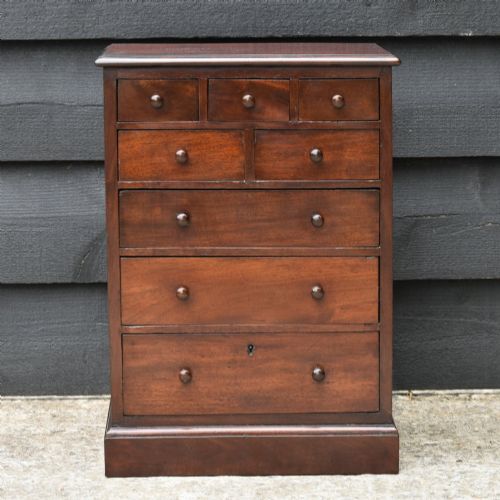
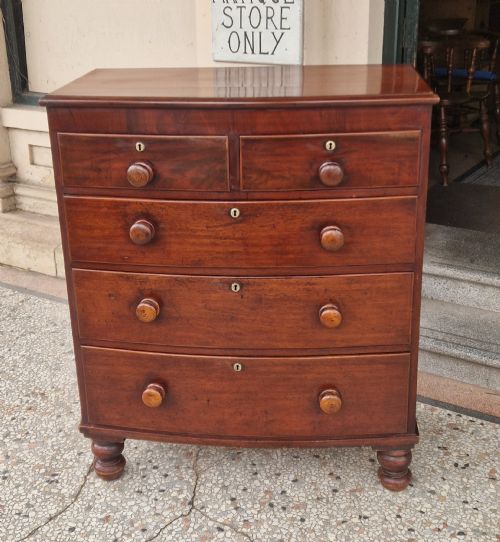
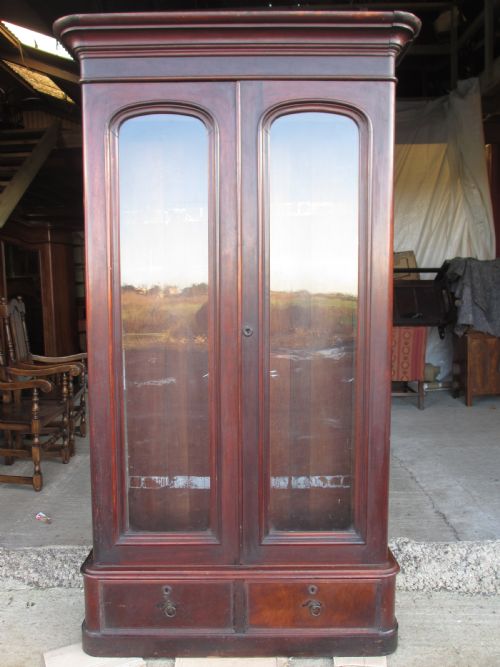
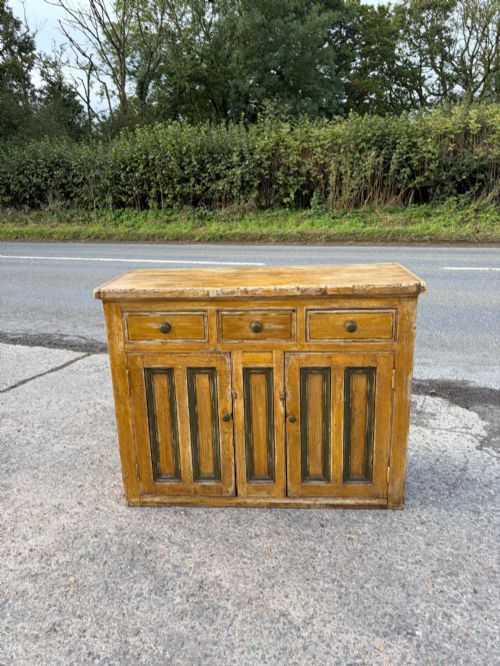
Victorian Cabinet with Drawers
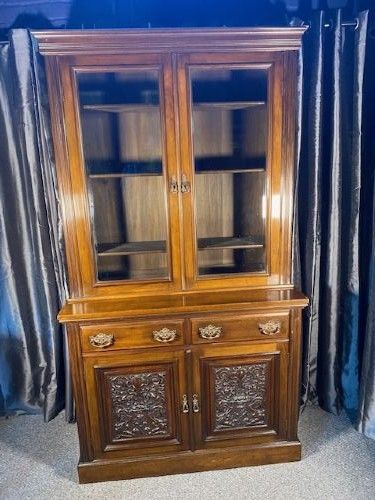
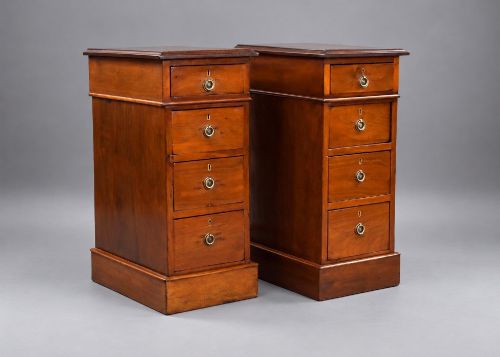
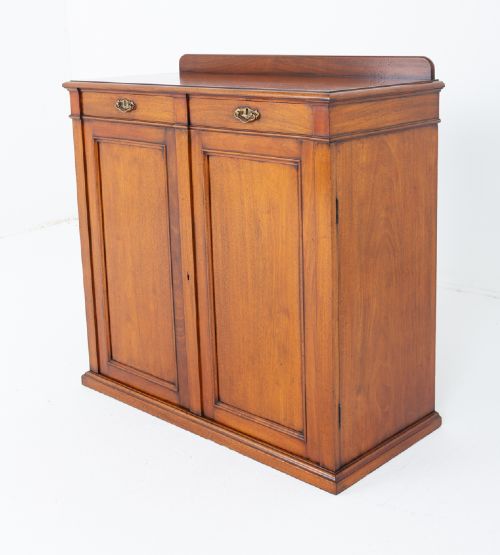
A Victorian cabinet with drawers brings together timber and storage in forms from desks to bookcases that suit daily use.
Victorian Cabinet with Drawers
The selections span periods from the eighteenth century through to the early twentieth century, with the Victorian era providing the vast majority of examples. Styles stretch from English and Victorian country pieces to Georgian influences, Chippendale style, and French chateau designs.
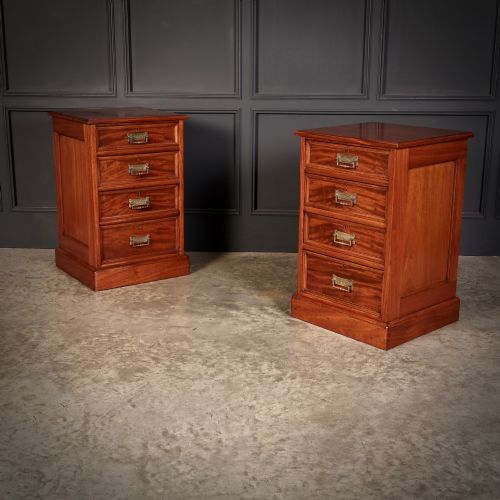
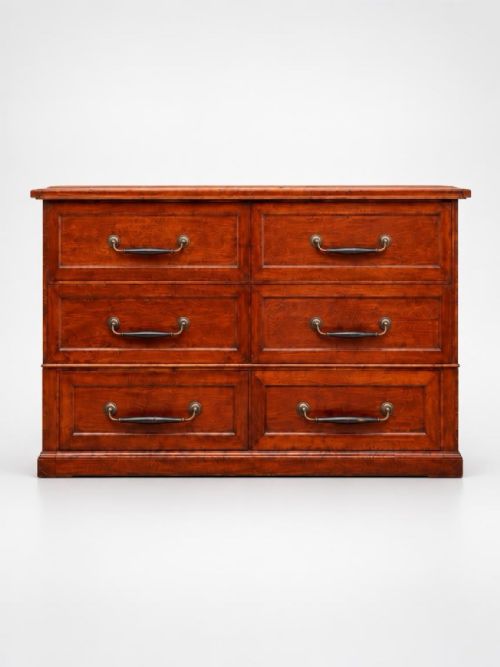
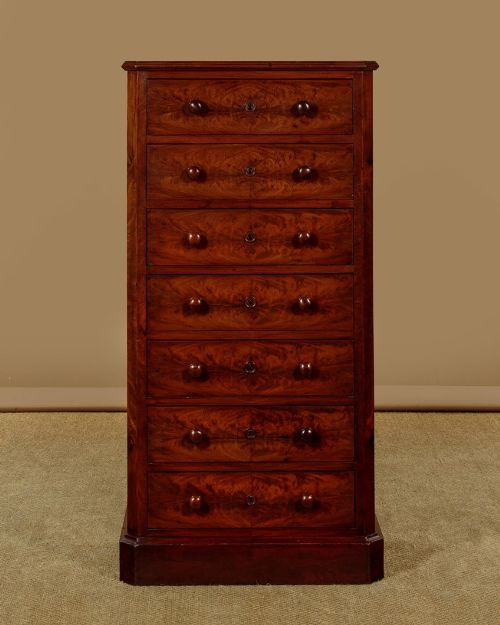
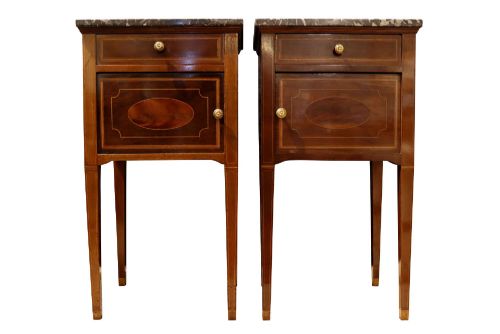
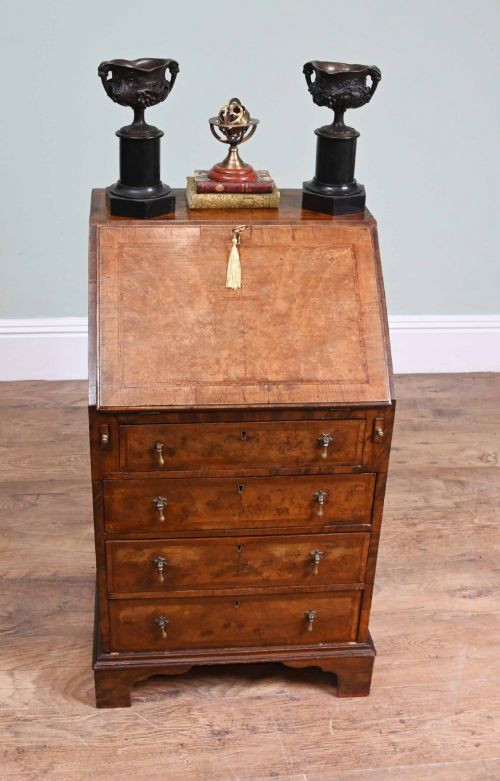
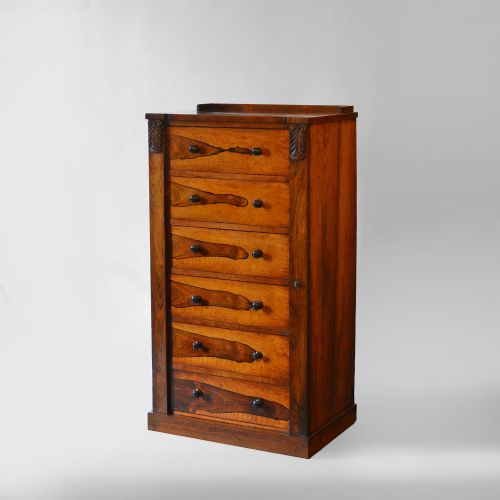
Object types vary widely within the category, including desks such as Davenports, bookcases with display glass, bedside cabinets, and multi-drawer Wellington chests. Each form serves a specific domestic function, from bedside storage to library organisation and kitchen utility.
Materials and Technique
Cabinet makers utilised a robust selection of timbers, relying heavily on mahogany, oak, and pine, alongside decorative veneers like burr walnut, birds' eye maple, and rosewood. These woods were often hand-waxed or painted, bringing out the natural grain and providing durable surfaces for everyday use.
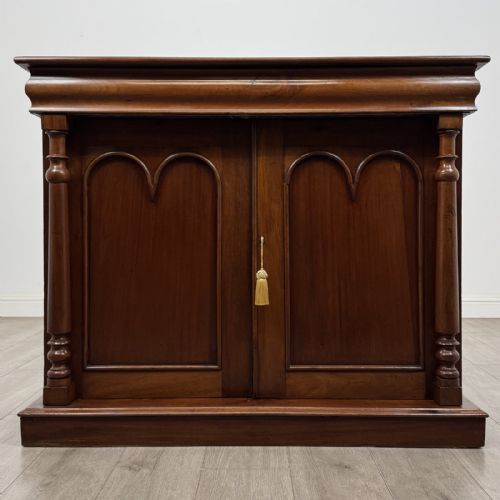
Construction techniques involved traditional joinery, complemented by functional hardware such as brass handles and turned wooden knobs. Many pieces incorporate glazed doors, carved panels, blind fretwork cornices, and structural supports like turned columns.
Specialised items feature additional elements including marble tops, leather desk inserts, and fitted interior compartments. These combinations of solid timber frames and detailed drawer configurations define the physical structure of each cabinet.
Victorian Cabinet with Drawers Retail Price Guide 2026
Typical asking prices for victorian cabinet with drawers among the pieces listed under this phrase on Sellingantiques today, from the lower quarter to the upper quarter. They describe what is for sale here now, not the wider market.
Faux bamboo bedside cabinets from the late nineteenth century brought botanical charm indoors without requiring any actual tropical cultivation.
Distinctions in Standard
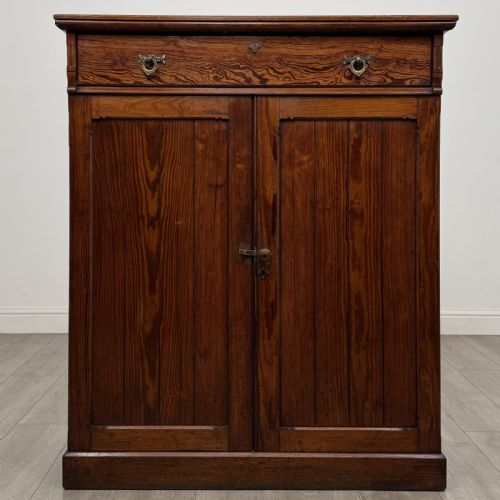
The tier of a piece depends heavily on the selection of timber and the precision of the cabinet maker's joinery. Fine examples display carefully matched burr veneers or deeply figured mahogany, whereas simpler items utilise plain pine or painted softwood.
Signatures of superior workshop production include crisply carved details, intact original hardware, and finely executed internal drawer divisions. Lesser pieces show simpler construction methods intended strictly for utilitarian domestic storage rather than formal display.
Gillow & Co·James Winter & Sons·J A Mein Edinburgh
The Victorian Cabinet with Drawers Glossary
- Wellington chest
- A tall, slender chest of drawers typically secured by a hinged locking stile on one side. This design originates from the nineteenth century and maximises vertical storage.
- Davenport
- A small compact writing desk featuring a sloping desktop and drawers accessed from the side. They often incorporate stationery compartments above the main writing surface.
- Linen press
- A large storage cabinet designed originally for household linens, combining upper cupboard doors with lower drawers. They frequently stand tall and feature panelled construction.
- Marquetry
- The art of applying pieces of veneer to a structure to form decorative patterns and pictures. Makers utilised various woods to create contrasting tonal designs.
- Whatnot
- An open set of shelves used for displaying ornaments or books, supported by turned vertical pillars. These pieces emerged as popular decorative items in the nineteenth century.
Victorian Cabinet with Drawers: Frequently Asked Questions
How do you use a Davenport desk?
A Davenport desk provides a compact writing station with a sloping top covered in leather or wood. The user sits at the front while stationery and writing implements rest inside the upper compartment.
Drawers pull out from the side rather than the front, making these desks practical for smaller studies where floor space is limited.
Where were linen presses placed?
Linen presses originally stood in bedrooms, dressing rooms, or upstairs corridors to store household textiles, sheets, and garments. The upper section held folded linens on sliding trays, while the lower drawers kept smaller items organised.
Today, these substantial wooden cupboards function well in modern bedrooms or hallways for general garment and linen storage.
How do you tell pine from mahogany?
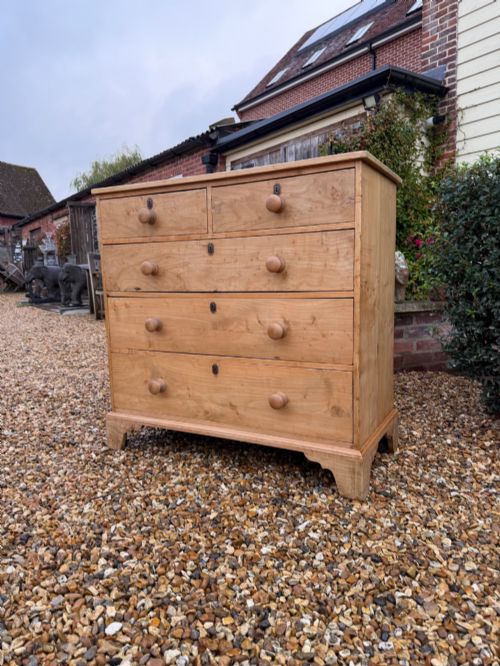
Pine is a softwood with a pale, golden colour and visible grain knots, often finished with wax or paint. It tends to feel lighter and was commonly used for country and kitchen furniture.
Mahogany is a dense hardwood featuring a deep reddish-brown tone and a straight, fine grain. It appears frequently in formal Victorian living spaces and studies.