
Victorian Buttoned Couch
A victorian buttoned couch brings deep tufted comfort and nineteenth-century craftsmanship into a modern drawing room.
Victorian Buttoned Couch
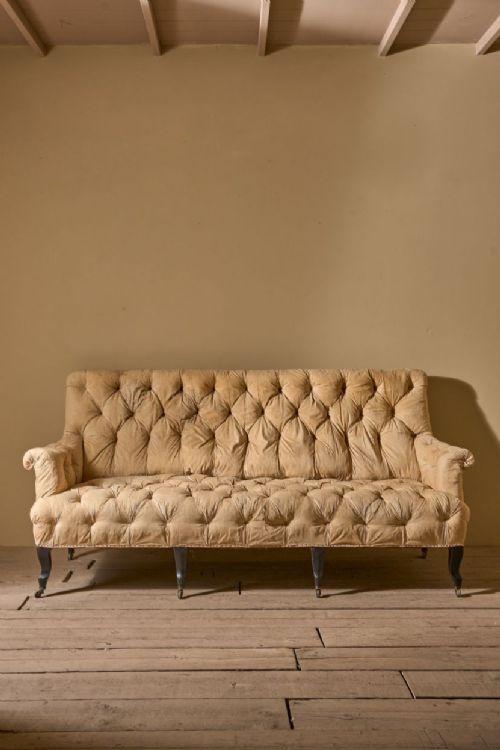
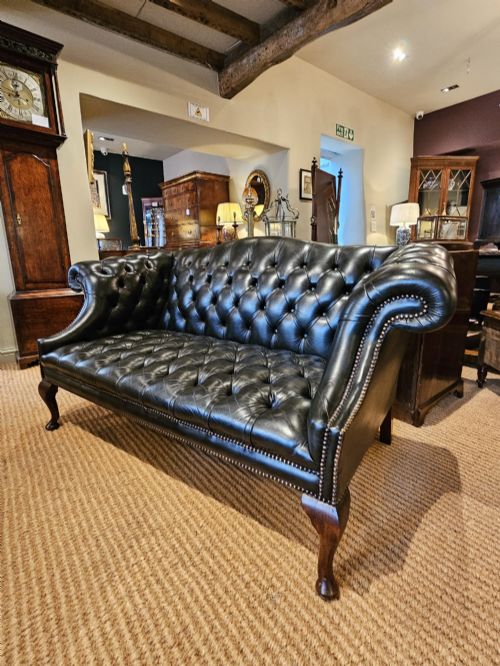
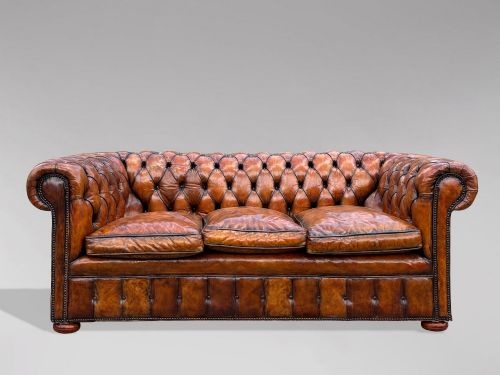
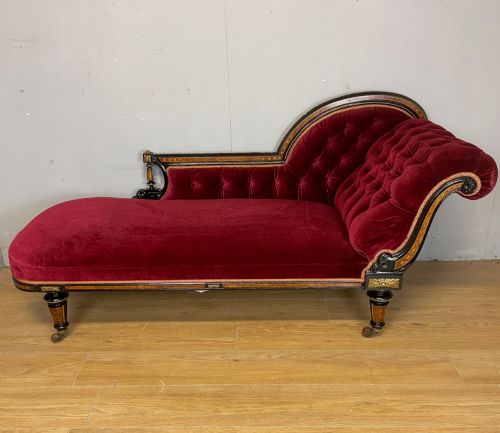
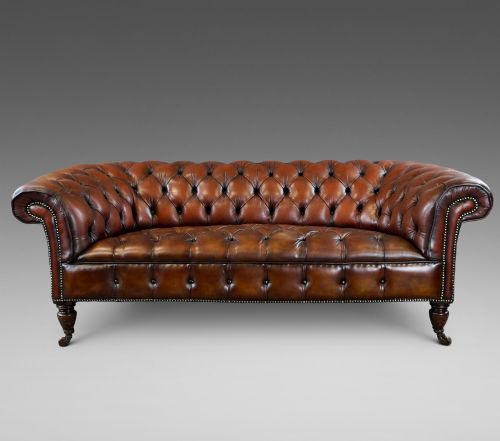
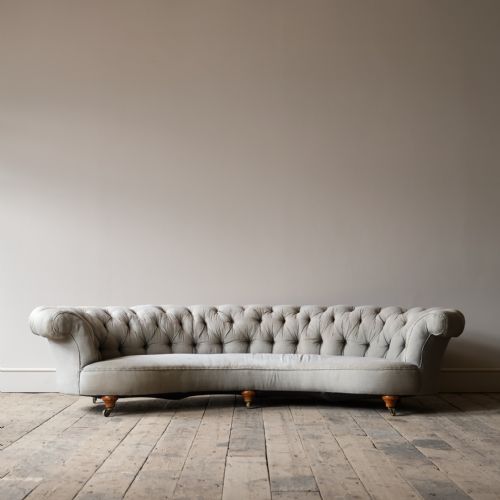
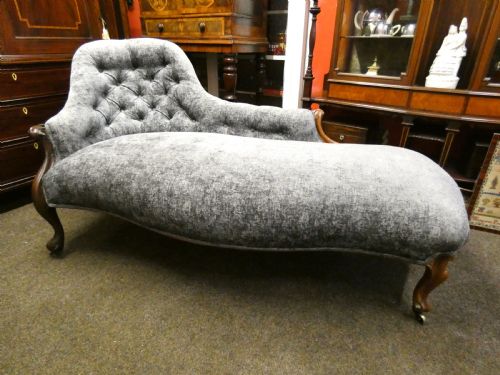
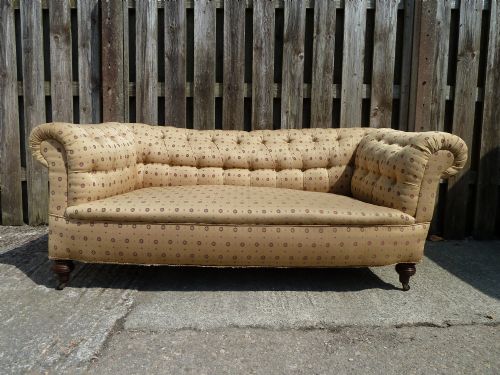
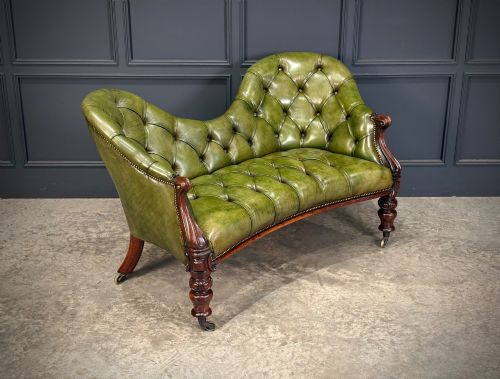
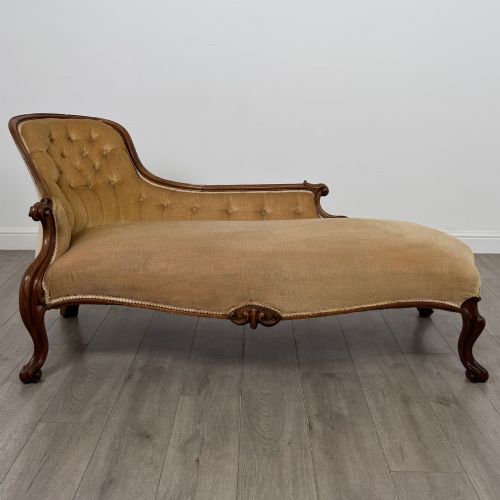
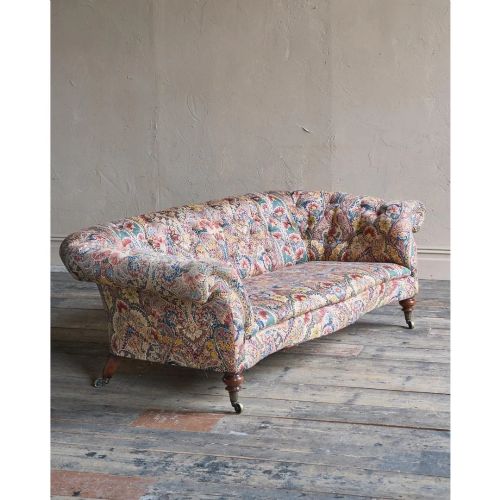
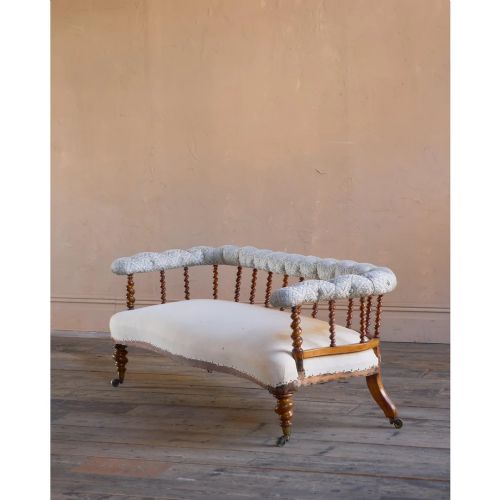
A victorian buttoned couch encompasses deep-buttoned chesterfields, curved chaise longues, and carved salon settees originating across the nineteenth century. These seating forms range from robust brown leather chesterfields to rosewood, walnut, and mahogany frames upholstered in velvet, fabric, or brocade.
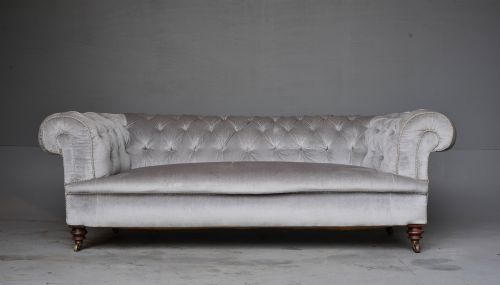
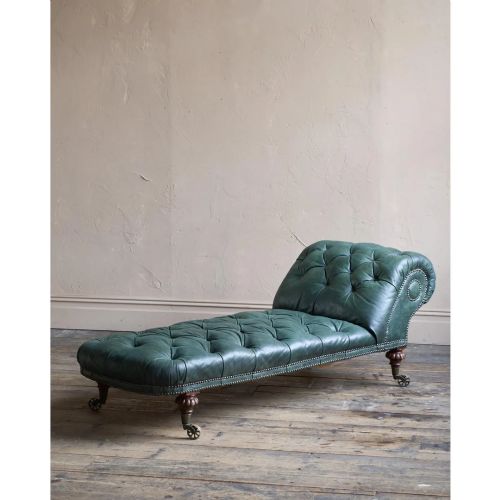
The version most commonly met on this page is the nineteenth-century Chesterfield sofa upholstered in leather or fabric with characteristic deep buttoning. Alongside these sit daybeds and chaise longues featuring scrolled backs and turned wooden legs.
Distinguishing quality
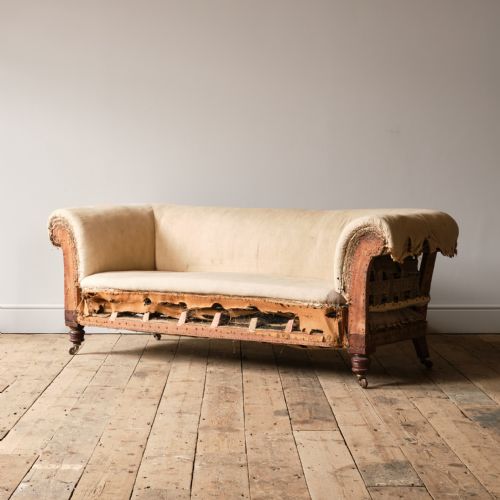
Quality rests upon the integrity of the underlying wooden frame and the precision of the upholstery work. Heavier timbers and substantial sprung bases indicate superior foundational construction.
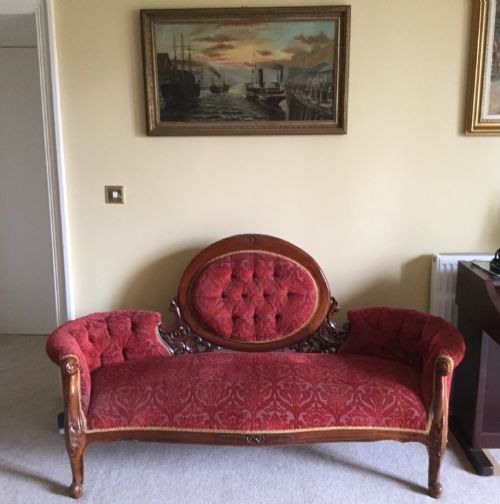
The refinement of hand-carved details on mahogany and rosewood structures separates standard production pieces from finer examples. Well-executed buttoning maintains even tension and symmetric spacing across the entire backrest.
Coverings recorded across the inventory include leather, velvet, fabric, and burgundy deep pile brocade.
Howard & Sons·C. Hindley & Sons·H. Goodall & Sons·Holland & Sons
The Victorian Buttoned Couch Glossary
- Chesterfield
- A large upholstered sofa characterised by arms and back of the same height and deep button tufting. This form provides formal upright seating.
- Chaise Longue
- An upholstered long chair designed for reclining, featuring a single raised backrest at one end. Examples frequently incorporate carved mahogany or walnut frames.
- Ormolu
- Gilt bronze mounts applied as decorative ornaments to furniture frames. This technique appears on French Napoleon III pieces.
- Brocade
- A rich shuttle-woven fabric featuring raised patterns. It often surfaces in contemporary re-upholstery projects for nineteenth-century settees.
Victorian Buttoned Couch: Frequently Asked Questions
How do I care for leather upholstery?
Leather surfaces benefit from regular dusting with a dry cloth and occasional application of appropriate conditioning balms. Keeping the material away from direct heat sources prevents drying and cracking.
Avoid harsh chemical cleaners that strip natural oils. Gentle maintenance preserves the supple texture developed over decades of use.
Where were these couches placed originally?
These seating pieces belonged primarily in formal drawing rooms, libraries, and parlours of nineteenth-century residences. Chaise longues often occupied bedrooms or private sitting rooms for daytime resting.
Larger chesterfields anchored main reception spaces where guests gathered. Their substantial proportions suited high-ceilinged domestic interiors.
How do I distinguish Victorian from Edwardian pieces?
Victorian seating generally displays heavier timber frames, ornate carved details, and darker wood finishes such as rosewood and walnut. Upholstery styles tend toward opulent velvets, brocades, and deep buttoning.
Edwardian items often introduce lighter woods, simpler silhouettes, and more restrained ornamentation. Proportions shifted slightly to accommodate changing domestic fashions at the turn of the century.
Can I use a chaise longue for daily lounging?
Original frames provide sturdy support, though vintage internal webbing and springs may require professional reinforcement for regular sitting. Selecting a piece with a solid hardwood structure ensures lasting stability.
Many examples feature generous proportions designed specifically for reclining. Checking the depth and length ensures the piece accommodates comfortable everyday use.