

Victorian Bureau Drawers
These victorian bureau drawers and related writing pieces combine practical storage with fitted writing surfaces from the nineteenth century.
Victorian Bureau Drawers
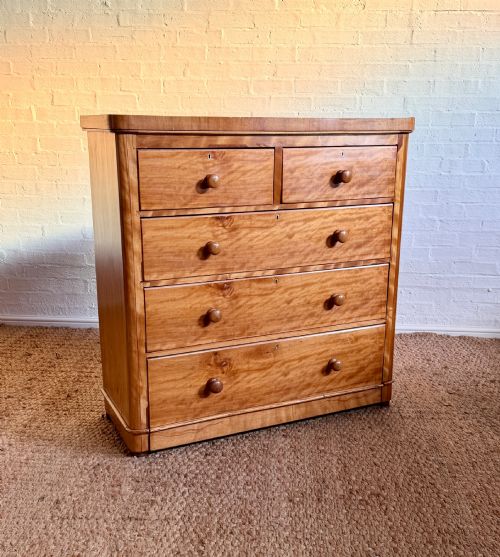
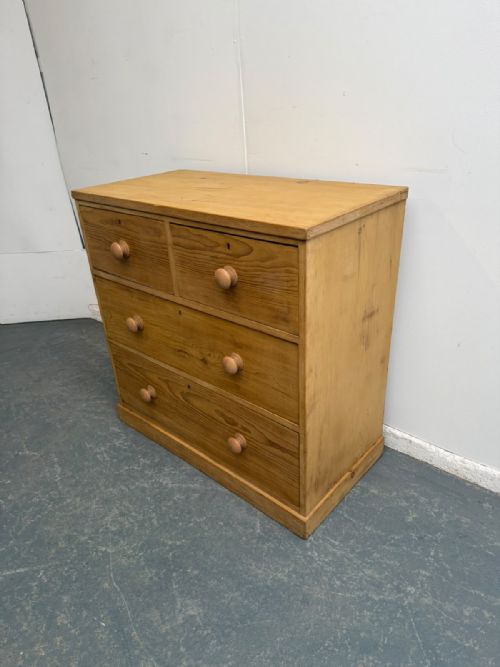
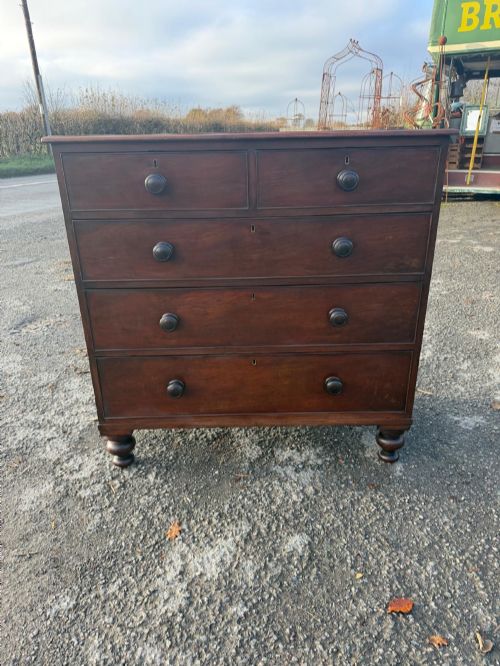
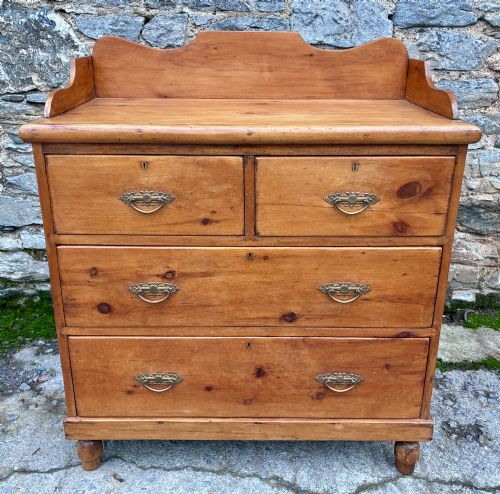
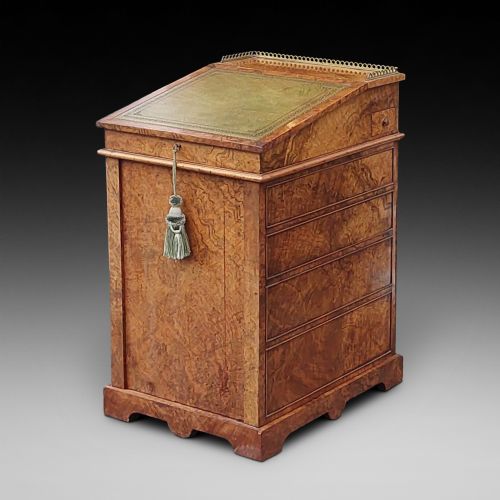
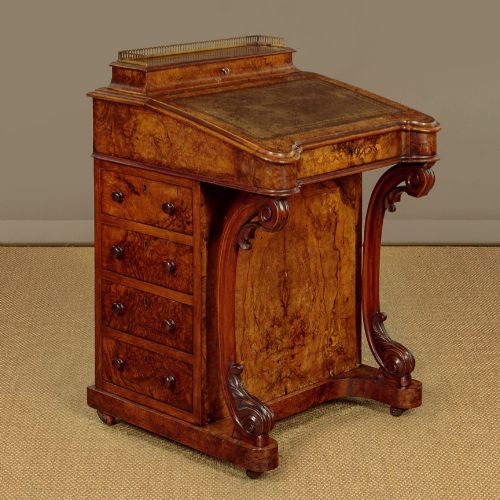
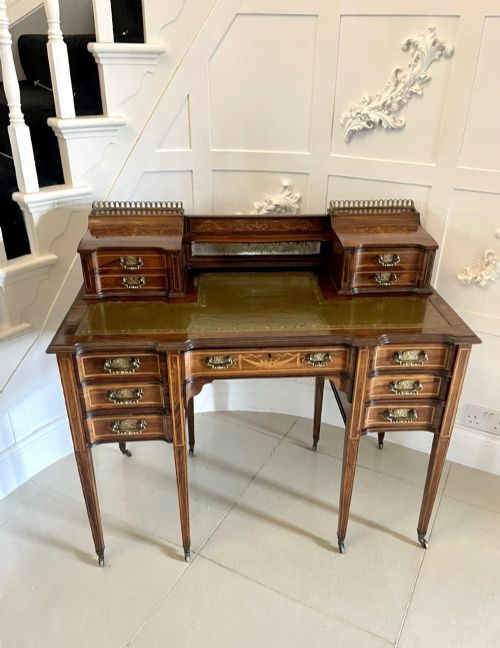
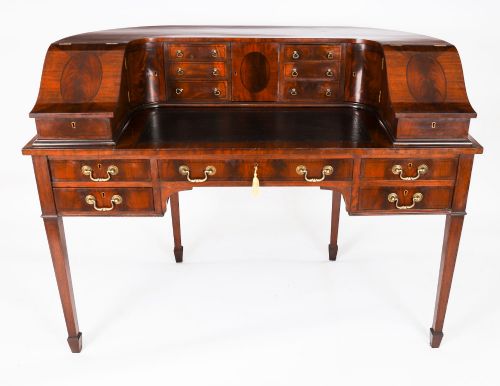
When searching for victorian bureau drawers, you encounter a varied selection of nineteenth-century case furniture designed for storage and correspondence. These pieces encompass traditional chests of drawers alongside dedicated writing furniture such as Davenport desks, secretaire chests, and fall-front cabinets.
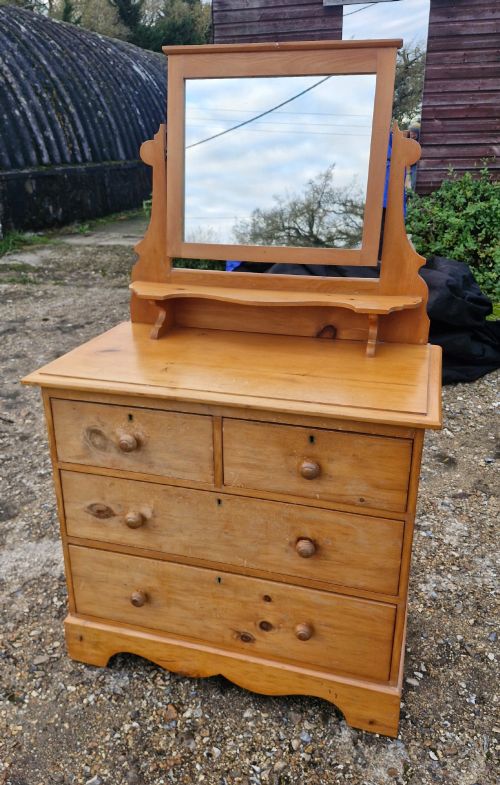
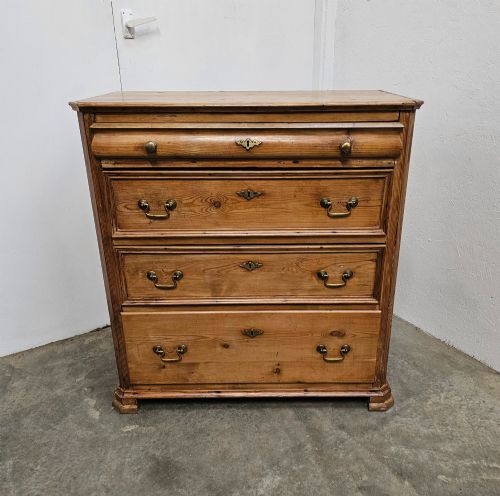
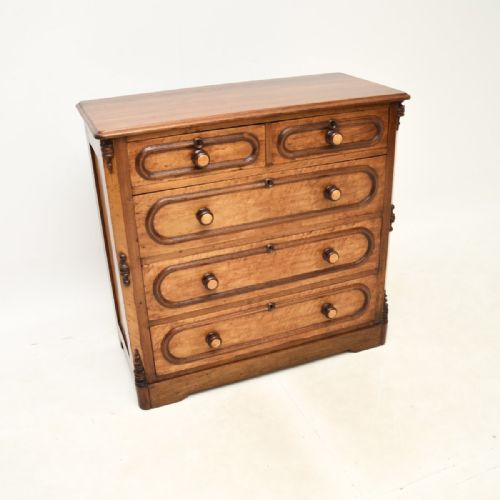
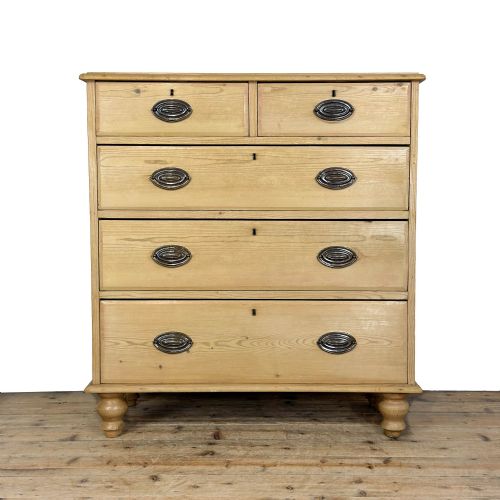
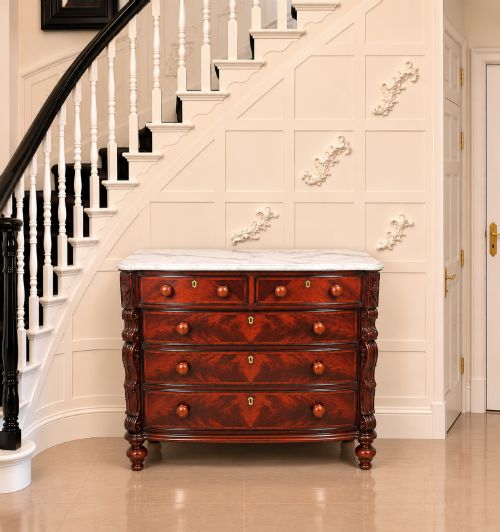
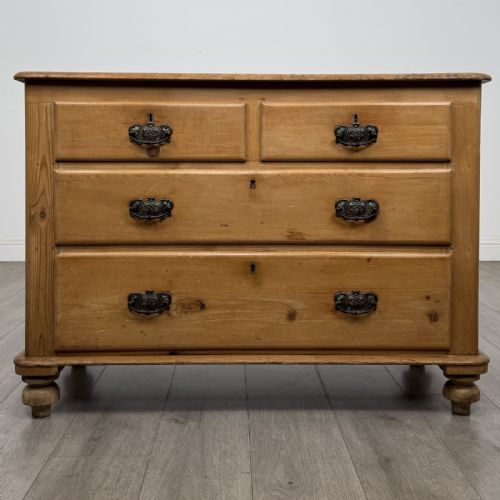
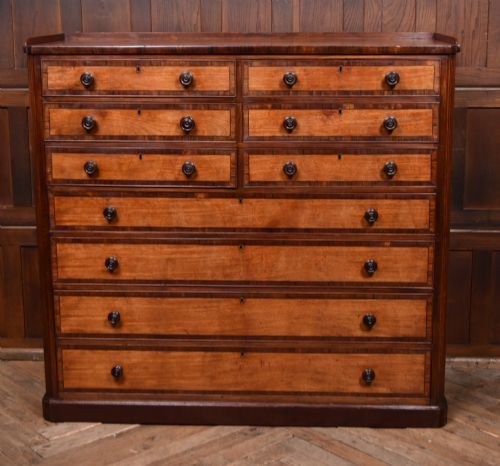
The most common forms on this page include mahogany and walnut chests alongside pine storage pieces, often featuring multi-drawer layouts. Many examples incorporate fitted writing compartments, internal stationery drawers, or pull-out writing slides concealed within the upper structure.
Originating predominantly from the Victorian and Edwardian periods, these items reflect the domestic requirements of nineteenth-century households. You will find both formal timber veneers like burr walnut and flame mahogany, and simpler painted or waxed pine country pieces.
Materials and construction
Cabinet makers utilised a range of domestic and imported timbers, pairing structural pine with decorative surface veneers including flame mahogany and burr walnut. Solid hardwoods such as mahogany and oak formed the carcase and drawer frames, while secondary woods like pine appeared in drawer linings and back panels.
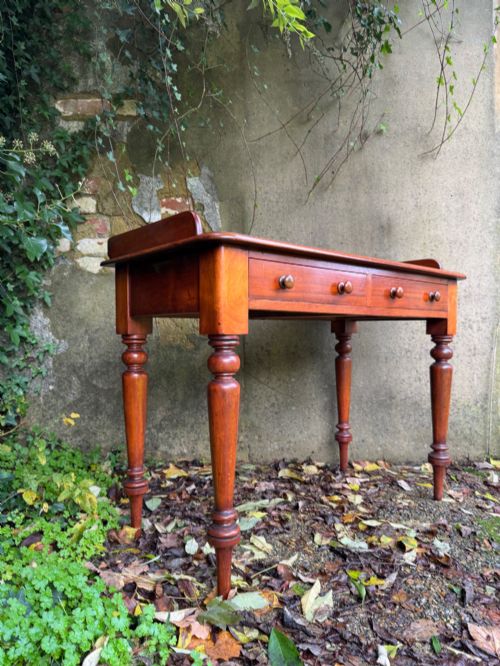
Surface finishing involved hand-applied wax, French polish, or original paint layers that protected the timber while highlighting natural grain patterns. Brass hardware, turned wooden handles, leather writing inserts, and marble tops completed the construction of these functional writing and storage items.
Victorian Bureau Drawers Retail Price Guide 2026
Typical asking prices for victorian bureau drawers among the pieces listed under this phrase on Sellingantiques today, from the lower quarter to the upper quarter. They describe what is for sale here now, not the wider market.
Campaign chests were built in modular sections with brass corners so British officers could pack up their bedrooms and move camp.
Evaluating craftsmanship
The distinction between standard utility furniture and superior pieces rests in timber selection and cabinet-making execution. Fine examples display carefully matched burr walnut or flame mahogany veneers that wrap seamlessly across drawer fronts and writing surfaces.
Interior execution further separates grades of manufacture, seen in secret compartments, dovetailed drawer construction, and finely turned wooden handles or cast brass hardware. The integration of fitted stationery drawers and stable writing slides demonstrates higher workshop standards.
James Winter·Maple and Co.
The Victorian Bureau Drawers Glossary
- Secretaire
- A cabinet or chest featuring a drawer or fall-front panel that opens to reveal a writing surface and small pigeonholes. This hybrid form conceals desk functions within standard drawer configurations.
- Davenport
- A compact pedestal writing desk featuring a sloped, hinged writing top and side drawers. These pieces often include internal stationery compartments accessed beneath the upper lid.
- Flame mahogany
- A veneer cut from timber where the grain creates a distinctive flickering flame pattern. Cabinet makers reserved this material for prominent exterior surfaces.
- Burr walnut
- A decorative timber derived from walnut tree growths, prized for its swirling knot formations. It appears frequently on high-status Victorian writing desks and cabinets.
- Dovetail
- A traditional interlocking joint used to secure drawer corners. Hand-cut dovetails indicate older, higher-quality cabinet work.
Victorian Bureau Drawers: Frequently Asked Questions
What is a secretaire chest?
A secretaire chest combines a standard chest of drawers with a pull-out or drop-down writing drawer. The top drawer conceals a fitted interior with small compartments and pigeonholes.
This design allowed Victorians to write letters and manage correspondence without needing a separate standalone desk in the room.
How do I identify a Davenport desk?
A Davenport is a small, boxy desk featuring an angled writing slope on top and drawers opening to the side. They often include a small superstructure for pens and ink.
Most examples date from the Victorian era and were traditionally used by ladies in the drawing room for letter writing.
What is flame mahogany?
Flame mahogany is a highly figured wood veneer displaying distinct wave or flame-like patterns. Furniture makers used it on drawer fronts to create visual impact.
This decorative veneer is commonly found on mid-nineteenth-century chests of drawers and writing cabinets.
Are these pieces made of solid wood?
Many Victorian pieces utilise a combination of solid structural timber and decorative surface veneers. Carcases might be built from pine or mahogany with fine walnut or mahogany veneers applied over the top.
Simpler country pieces were often constructed entirely from solid pine, sometimes retaining original painted finishes.