

Victorian Brown Leather Seats
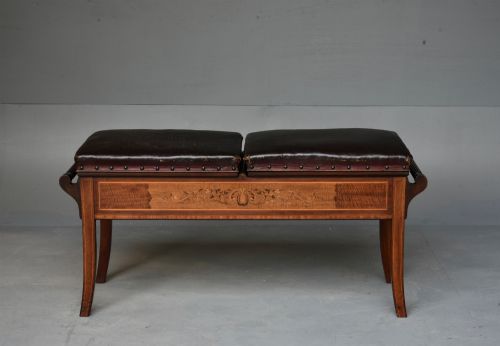
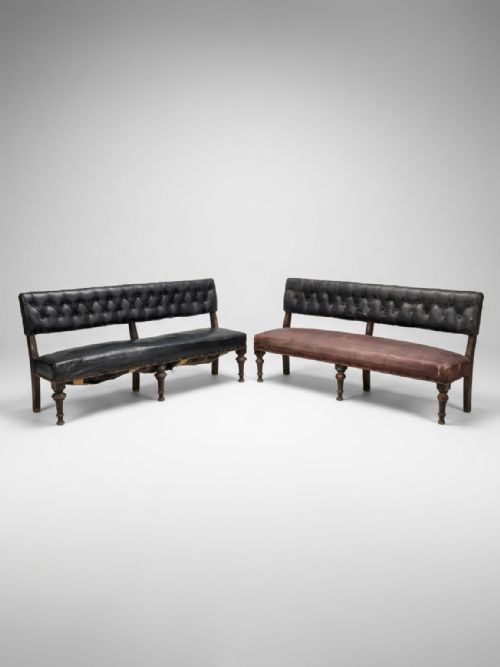
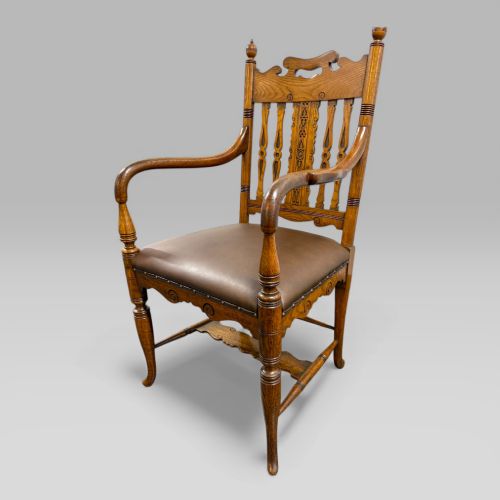
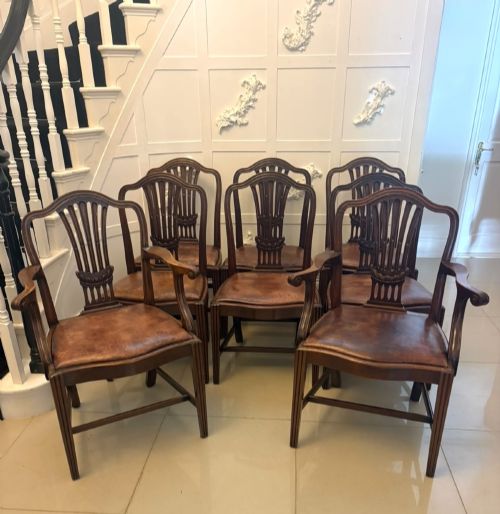
Victorian brown leather seats bring tactile comfort and solid timber frames into a room, offering both durability and traditional character.
Victorian Brown Leather Seats
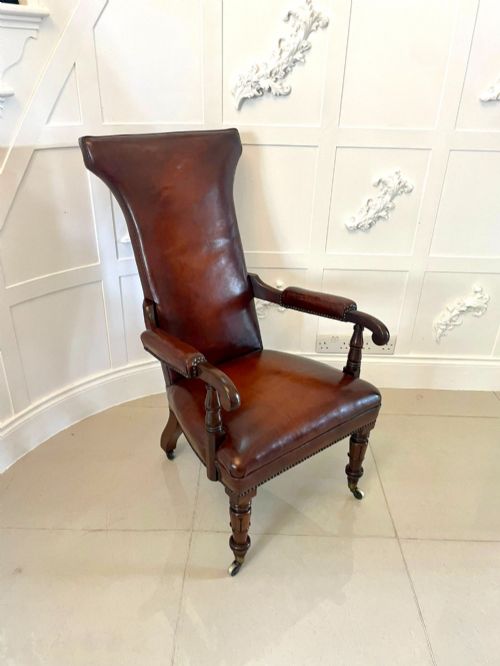
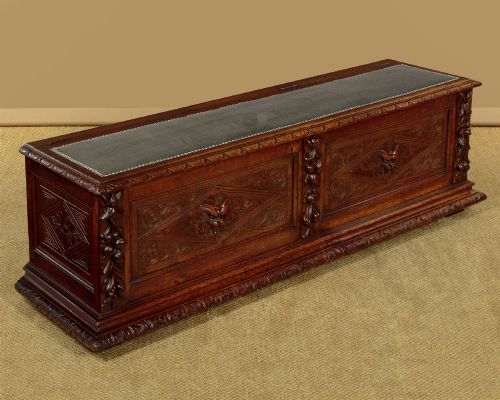
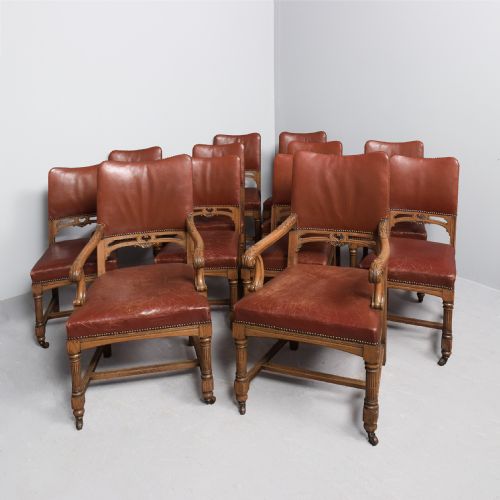
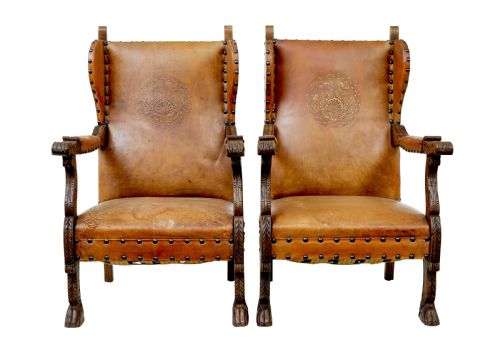
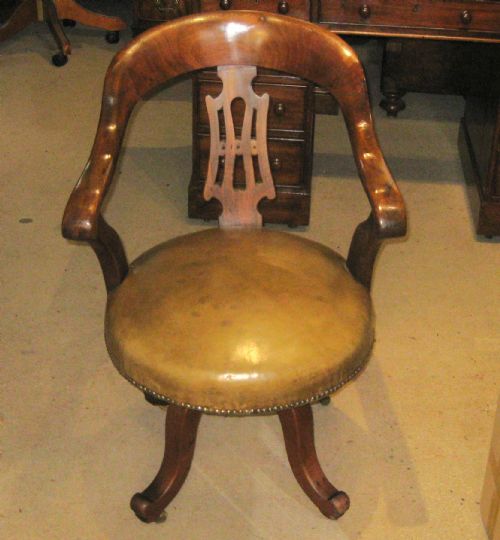
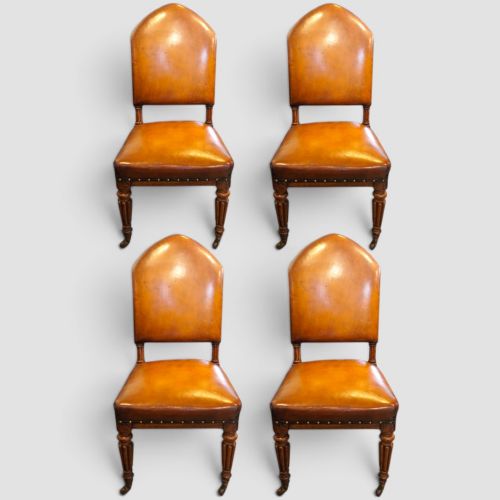
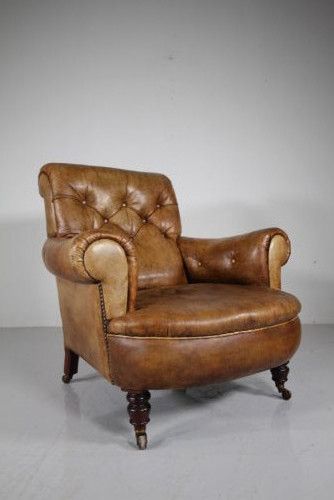
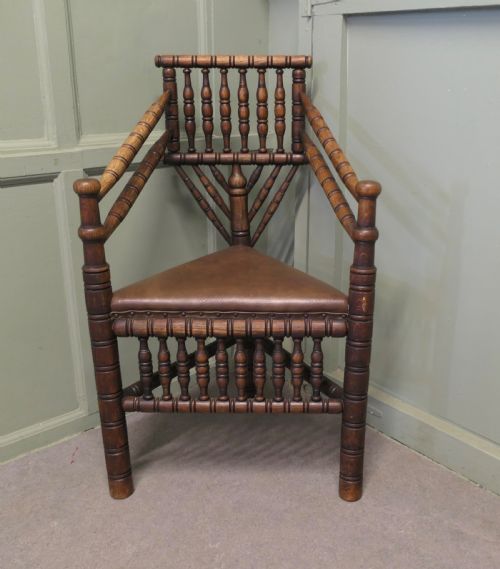
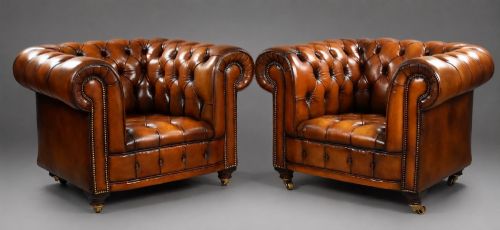
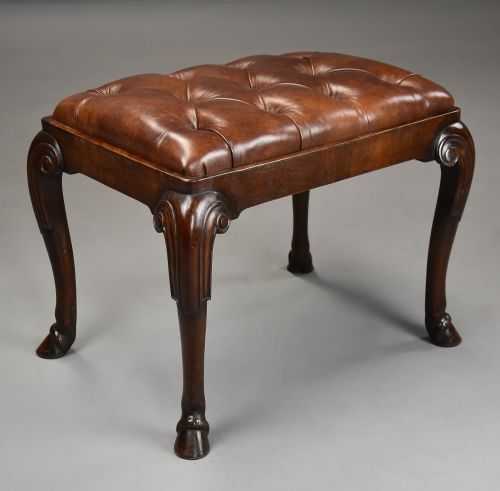
Victorian brown leather seats encompass a wide variety of furniture, from heavy dining chairs and swivel desk chairs to large library armchairs and Chesterfield sofas. Buyers seeking these pieces will encounter sturdy oak, mahogany, and walnut frames combined with supple leather upholstery dating from the nineteenth century.
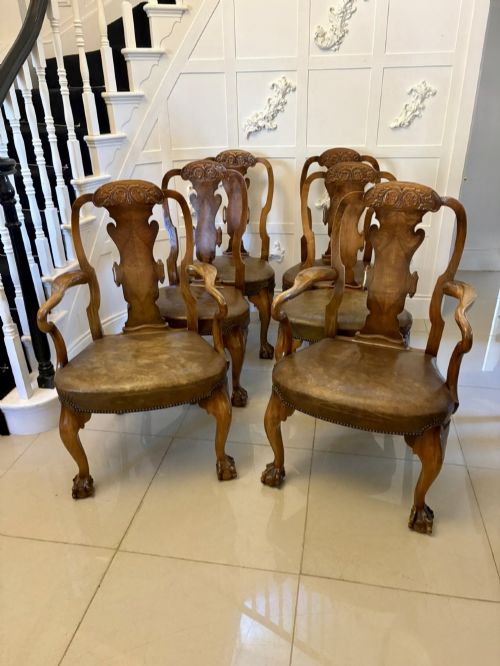
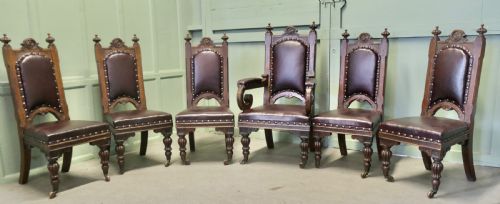
The selection on this page leans heavily towards dining chairs and library armchairs, often showing revival influences such as Gothic or Hepplewhite styles. Individual pieces range from simple side chairs to elaborate carved armchairs with buttoned leather and brass detailing.
Materials and construction
Makers of these seats relied on dense hardwoods such as oak, mahogany, and walnut to build robust frames that could withstand heavy daily use. Turners and carvers shaped these timbers into cabriole legs, shield backs, and high Gothic panels.
Leather upholstery was securely attached to the wooden frames, occasionally using embossed designs, woven leather straps, or deep buttoning. Brass studs and metal adjustments on swivel desk chairs and campaign chairs added functional mechanical elements.
Victorian Brown Leather Seats Retail Price Guide 2026
Typical asking prices for victorian brown leather seats among the pieces listed under this phrase on Sellingantiques today, from the lower quarter to the upper quarter. They describe what is for sale here now, not the wider market.
Assessing quality and craftsmanship
Quality in these seats rests upon the depth of the timber carving and the structural integrity of the frame joints. Superior examples display carefully selected burr elm or golden oak alongside finely preserved original leather.
Finer pieces often bear attribution to notable makers or exhibit ambitious proportions and specialised forms like revolving mechanisms or adjustable heights. Lesser pieces rely on simpler turnery and standard stock timbers without the same sculptural detail.
Gillows·Bruce James Talbert
The Victorian Brown Leather Seats Glossary
- Chesterfield
- A large sofa or armchair characterised by deep buttoned upholstery and equal height arms and back. This classic form remains a staple of nineteenth-century seating.
- Gothic Revival
- An architectural and decorative style drawing on medieval motifs. Pieces in this style often feature pointed arches, heavy tracery, and carved oak.
- Revolving desk chair
- A swivelling seat designed for office or library use, frequently mounted on a central wooden pillar with cast iron or brass mechanisms.
- Buttoned leather
- Upholstery secured by pulling twine or thread deep into the padding and fastening it with leather or fabric buttons to create distinct diamond shapes.
- Carver
- An armchair designed to match a set of dining chairs, traditionally placed at the head of a table.
Victorian Brown Leather Seats: Frequently Asked Questions
How do I identify a genuine Victorian desk chair?
Look for traditional timber construction in oak, walnut, or mahogany combined with nineteenth-century mechanical elements like a central wooden spindle or brass swivel mechanism. Genuine examples show appropriate wear to the timber and patination on the leather.
Check for hand-cut joinery and traditional upholstery methods beneath the seat rather than modern staples or chipboard components.
What is a club fender?
A club fender is a low metal or brass frame with upholstered leather seats on top, designed to fit around an open fireplace. They provided extra seating close to the hearth in large nineteenth-century rooms.
These frames combine sturdy metalwork with comfortable leather pads, offering a practical seating area right by the fire.
How should I care for antique leather seats?
Maintain the leather by keeping the pieces away from direct heat sources and strong sunlight, which can dry out the hide. Regular dusting and occasional treatment with appropriate conservation balms help preserve the surface.
Avoid harsh modern cleaning chemicals that can strip the natural finish and patination accumulated over the centuries.
What defines Gothic Revival seating?
Gothic Revival chairs feature architectural elements borrowed from medieval buildings, including pointed arches, quatrefoils, and heavy carved oak panels. These pieces were built with generous proportions to display the dramatic woodwork.
Such seating was popular in libraries and large country houses where a solemn, historical aesthetic was desired.