


Victorian Brass Wine Holder
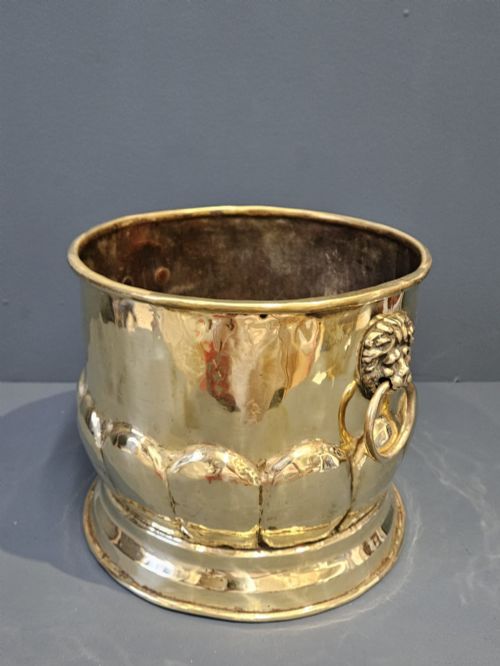
These victorian brass wine holder pieces combine practical utility with heavy nineteenth-century metalwork, bringing period character directly to the table.

Victorian Brass Wine Holder
A victorian brass wine holder typically takes the form of a cylindrical planter, bucket, or specialised vessel designed to hold bottles and containers securely. These items cross over with jardiniieres, campaign buckets, and coal or peat buckets depending on their depth and handles.
Most examples originate from the nineteenth century, including Victorian, Edwardian, and Arts and Crafts periods, alongside Anglo-Indian and Dutch Revival styles. Buyers encounter solid brass, copper, and mixed media vessels featuring wooden components like mahogany and oak.
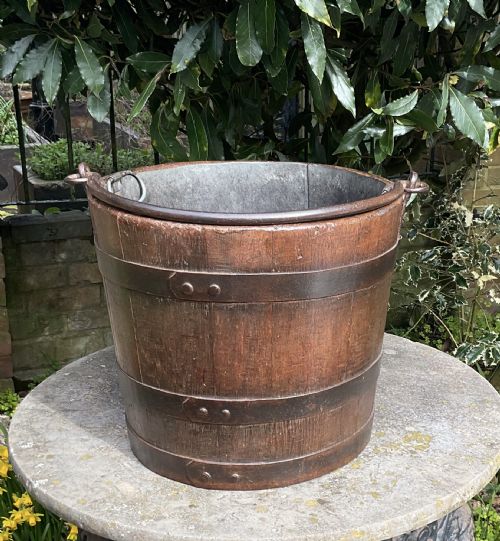
The primary forms found in this category range from pierced cylindrical planters and animal-headed repoussé vessels to coopered wooden buckets with brass rims and inserts. Each variation reflects the heavy domestic and decorative metalworking traditions of the era.
How they were made
Makers utilised heavy gauge sheet brass and copper, often shaping the metal through hand-beating, repoussé work, and piercing. Vessels frequently incorporate cast brass handles, animal heads, and rims riveted directly to the main body.
Many items combine metalwork with turned timber, employing coopered oak and mahogany staves held together by tension bands. Zinc and metal liners often accompany these wooden and metal buckets to protect the internal structure from moisture.
Surface decoration relies heavily on repoussé hammering to push designs outward from the reverse, alongside geometric piercing and applied brass fittings. Construction methods prioritize robust structural integrity using solid rivets and reinforced seams.
Listings feature items from the 19th Century, Victorian, Edwardian, and 1900 periods, constructed from brass, copper, mahogany, oak, and toleware.
What varies in quality
The weight and thickness of the metal sheet dictate the structural rigidity of each vessel, separating substantial cast or heavy gauge items from lighter commercial pieces. Heavier gauge brass and solid copper maintain their shape and resist denting over prolonged use.
The refinement of surface detail, particularly in repoussé animal heads and pierced motifs, distinguishes standard production items from finer decorative work. Crisp definition in the hand-beaten patterns indicates a higher degree of artisan skill during manufacture.
The preservation of original internal liners, whether zinc or metal, alongside the integrity of the secondary woods like mahogany and oak, influences the overall completeness of the piece. Uncompromised timber staves and matching hardware reflect superior original craftsmanship.
The Victorian Brass Wine Holder Glossary
- Repoussé
- A metalworking technique where the artisan hammers the design from the reverse side to form a raised relief on the front. This method creates tactile, three-dimensional decorative patterns on the body of the vessel.
- Coopered
- Construction using closely fitted wooden staves bound together by metal hoops, traditionally used for casks and buckets. This technique provides natural strength and flexibility to wooden containers.
- Jardiniere
- An ornamental pot or stand designed to hold plants or flowers indoors. These large vessels often share similar forms and waterproof liners with wine and bottle holders.
- Campaign
- Portable furniture and equipment made for travel and military use abroad during the nineteenth century. These items typically feature robust construction and folding or recessed handles for transport.
- Toleware
- Painted or lacquered metalware, usually tinplate, popular for domestic household accessories. This finish provides both decoration and protection against rust.
Victorian Brass Wine Holder: Frequently Asked Questions
How were these vessels used originally?
Original uses varied from holding wine bottles and ice at the dining table to carrying peat, coal, or live plants around the Victorian home. Their sturdy construction and metal or zinc liners made them suitable for containing heavy or damp contents.
Many incorporate handles for portability, allowing servants to transport bottles and fuel between rooms easily during the nineteenth and early twentieth centuries.
How do I clean a brass vessel?
Cleaning requires a soft cloth and mild soapy water to remove dust and dirt from the surface without damaging the aged patina. Aggressive metal polishes should be avoided unless the bright metal finish is specifically desired over the historical dark tone.
Preserving the natural oxidation often maintains the character and visual depth accumulated over more than a century of existence.
How can I tell the period?
Dating relies on examining the construction methods, such as hand-cut dovetails, handmade rivets, and the style of applied handles or repoussé motifs. Victorian and Edwardian items often display distinct decorative traits associated with Arts and Crafts or Dutch Revival movements.
Materials also offer clues, as nineteenth-century pieces frequently utilise heavy gauge copper, solid brass, and coopered oak with patinated zinc liners.