



Victorian Brass Wall Sconces
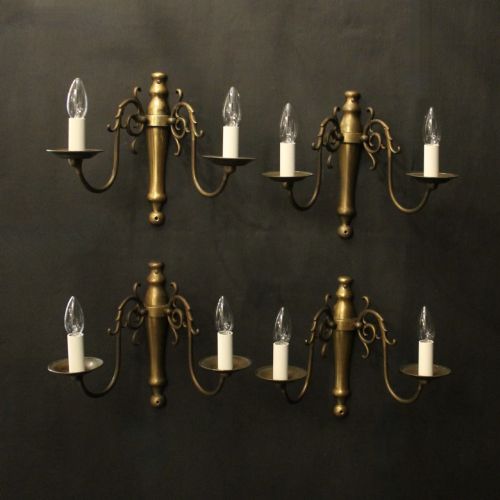
Victorian brass wall sconces are period light fittings cast in metal to hold candles or lamps, bringing warmth and character to a room.
Victorian Brass Wall Sconces
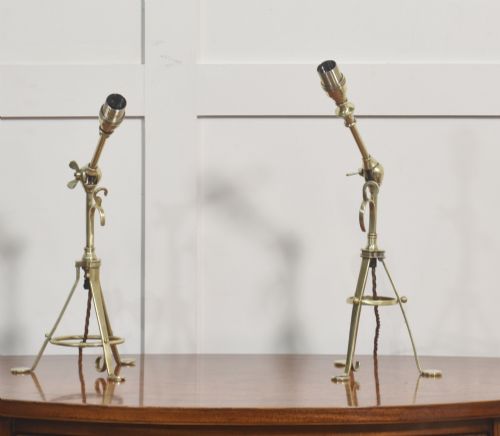
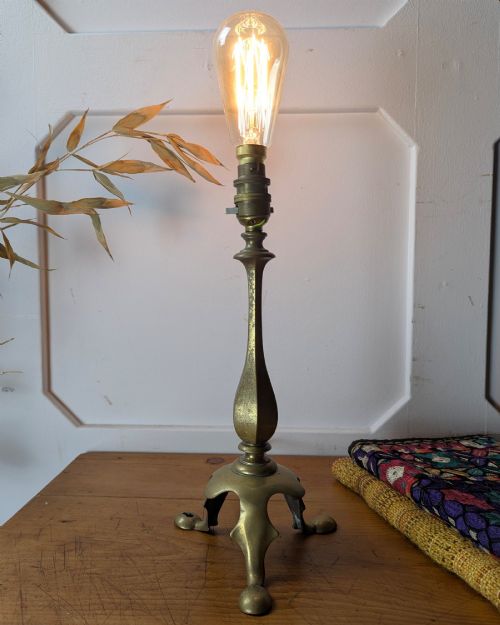
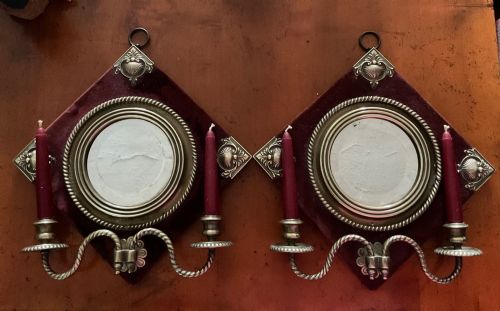
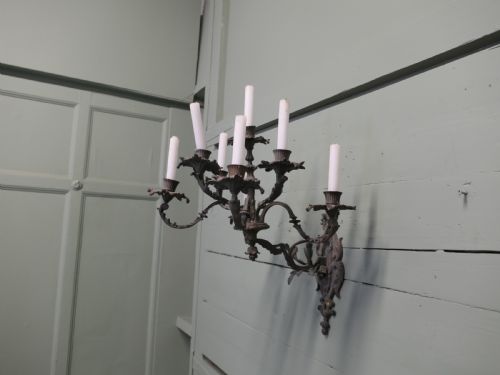
Victorian brass wall sconces encompass a variety of metal light fittings and mirrored wall brackets designed to mount directly onto interior walls. Buyers searching for victorian brass wall sconces commonly encounter paired bracket lamps, girandole mirrors, and candle sconces originating from the nineteenth century alongside related Edwardian and later reproductions.
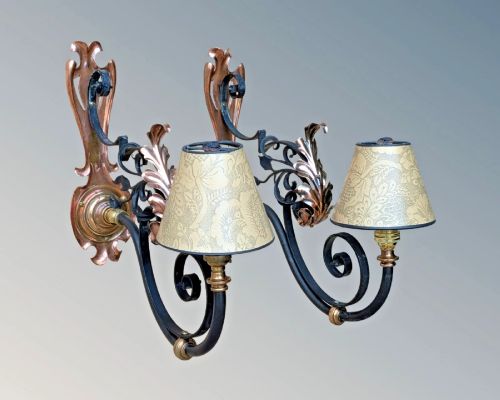
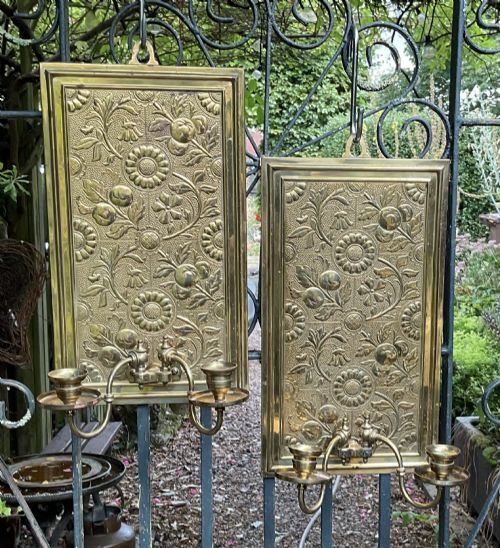
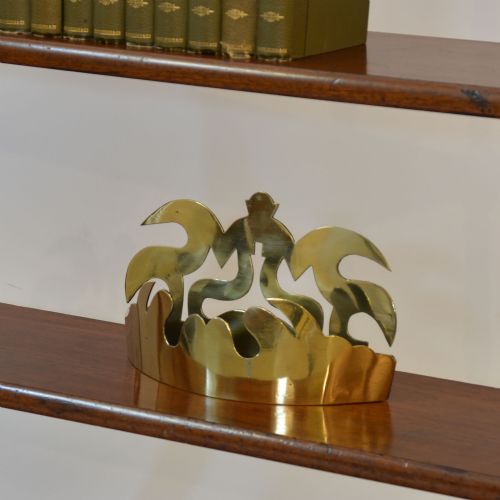
The material palette extends beyond standard brass to incorporate bronze, copper, cast iron, and mirrored glass elements. Forms range from simple utilitarian wall brackets to ornate Gothic designs, Rococo revival pieces, and Arts and Crafts copper pairings.
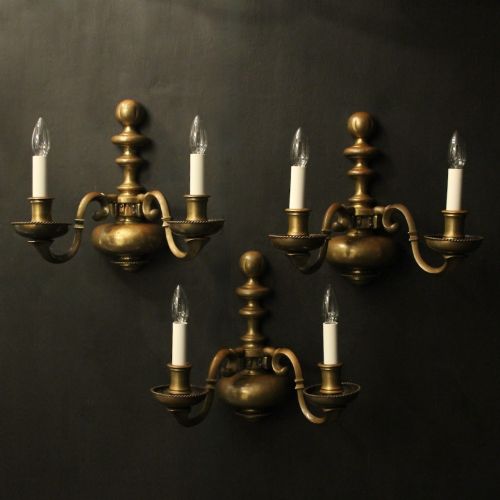
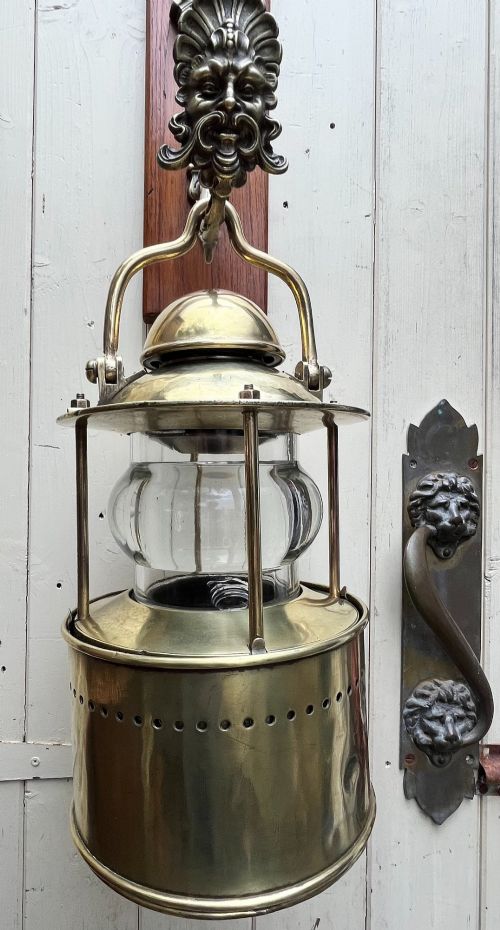
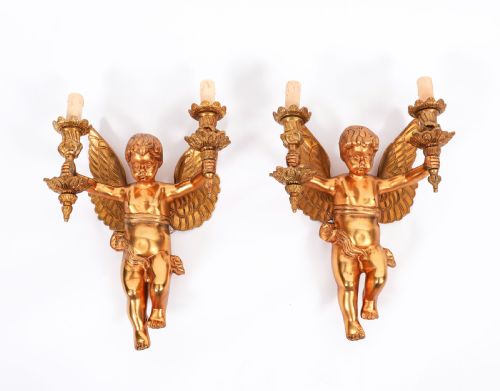
Many items survive in matched pairs, offering symmetry for flanking doorways or fireplaces. Individual wall pockets, coaching lamps, and converted oil lamps also appear within the selection, reflecting the diverse domestic lighting methods of the period.
How they were made
Makers utilised casting techniques for primary brass and bronze components, shaping molten metal into multi-arm brackets, ornate backplates, and figural details. Hand-wrought iron and beaten copper elements frequently appear on Arts and Crafts examples, demonstrating individual hammer work rather than industrial mass production.
Mirrored glass backplates, often bevelled, were integrated into girandoles to amplify candlelight within dim Victorian interiors. Surface treatments such as gilding, patination, and lacquering were applied to protect the metal and achieve specific decorative tones.
The listings span multiple nineteenth and early twentieth-century design movements, incorporating Gothic Revival, Arts and Crafts, Art Nouveau, and Aesthetic periods.
What varies in quality
Quality in these wall lights rests upon the crispness of the metal casting and the depth of hand-chasing applied to surface details. Heavy gauge brass and solid bronze components hold their structural integrity far better than thin, pressed sheet metal alternatives.
The integrity of integrated glass components, whether cut crystal drops, cranberry shades, or original mirror plates, significantly influences the overall merit of the piece. Matching original mounting hardware and uncompromised structural joins indicate higher manufacturing standards.
W.A.S. Benson·Bruce Talbert·Liberty·Hinks
The Victorian Brass Wall Sconces Glossary
- Girandole
- A branched candleholder equipped with a mirrored backplate to reflect light. These decorative fixtures were frequently mounted in pairs beside drawing room mirrors.
- Gasolier
- A multi-arm light fitting originally designed to burn piped coal gas before later conversion to electricity. They often feature robust brass tubing and complex valve keys.
- Ormolu
- Finely ground high-zinc brass applied as a gold-coloured surface finish to decorative metalwork. This technique provided the opulent appearance of solid gold without the prohibitive weight.
- Carriage lamp
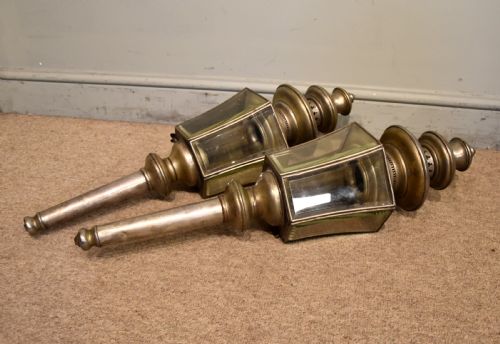
- A weather-resistant lantern designed for horse-drawn transport that found indoor domestic use as a rustic wall light. They typically feature heavy iron brackets and glazed panels.
- Patination
- The natural surface oxidation and darkening that accumulates on brass and copper over decades of exposure to air. Collectors prize an undisturbed patination for the historical depth it conveys.
Victorian Brass Wall Sconces: Frequently Asked Questions
Can these wall lights take modern bulbs?
Most antique wall sconces have undergone conversion from candles, oil, or gas to run on standard electrical wiring. Electricians can easily adapt lamp holders to accept contemporary SES or BC bulbs.
Buyers should consult a professional electrician to ensure internal wiring meets current safety regulations before mounting the fittings to mains power.
How do I mount heavy brass sconces safely?
Heavy brass and bronze wall lights require secure fixing into solid masonry or direct wall studs using appropriate load-bearing screws. Plasterboard alone cannot support the substantial weight of cast metal brackets.
Using a backplate with multiple fixing points helps distribute the weight evenly and prevents the fixture from pulling away from the wall over time.
How should I clean antique brass?
Gentle dusting with a soft, dry cloth is usually sufficient for routine maintenance of older brass surfaces. Aggressive metal polishes strip away desirable historical patination and can damage delicate chased details.
If cleaning is necessary, use a mild, non-abrasive soap solution and dry the metal thoroughly to prevent water spotting.
How do I date a brass wall light?
Dating relies on examining manufacturing techniques, screw types, stylistic markers, and material composition. Hand-cut threads, heavy sand-casting, and specific aesthetic movement motifs point toward the nineteenth century.
Comparing the design against documented catalogues from firms like Liberty or W.A.S. Benson provides further chronological clarity.