

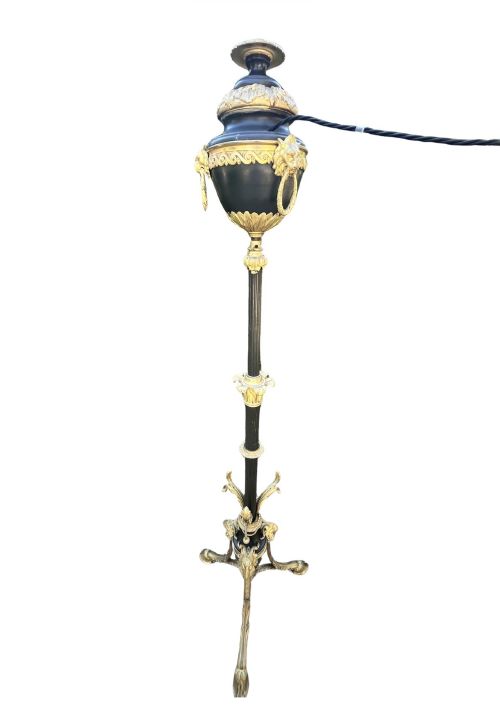
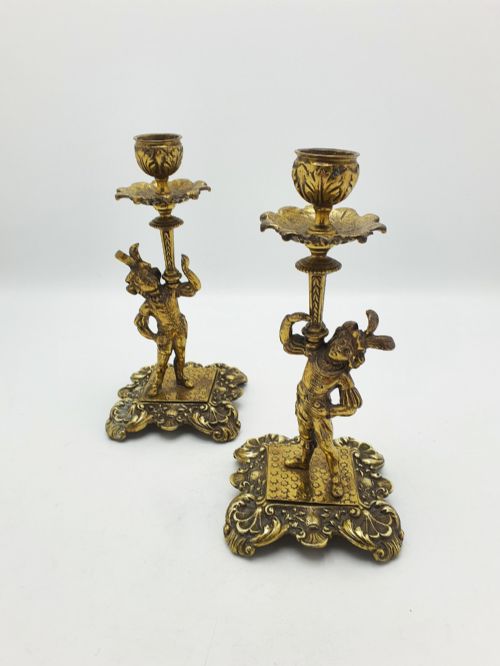
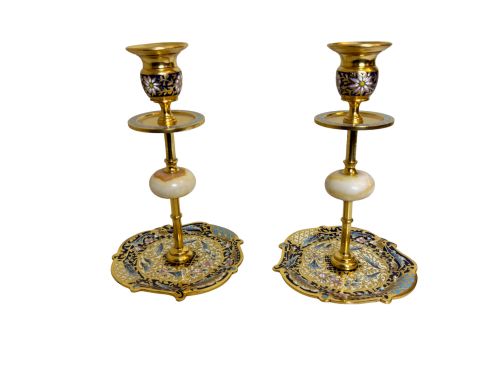
Victorian Brass Standing Light
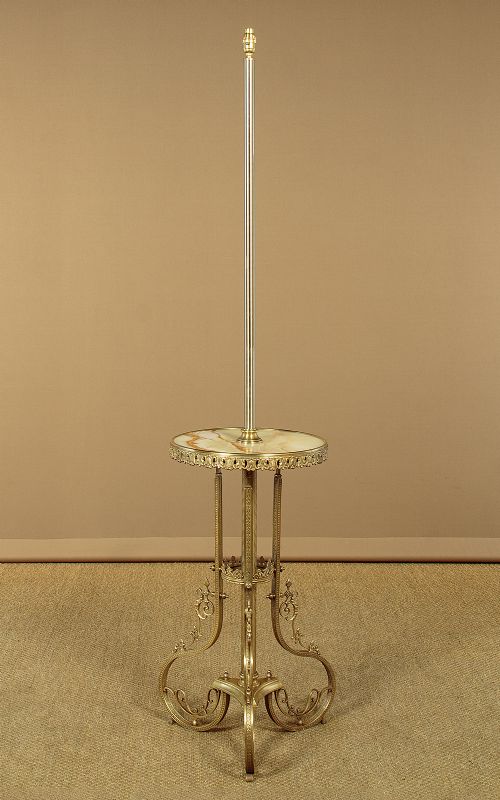
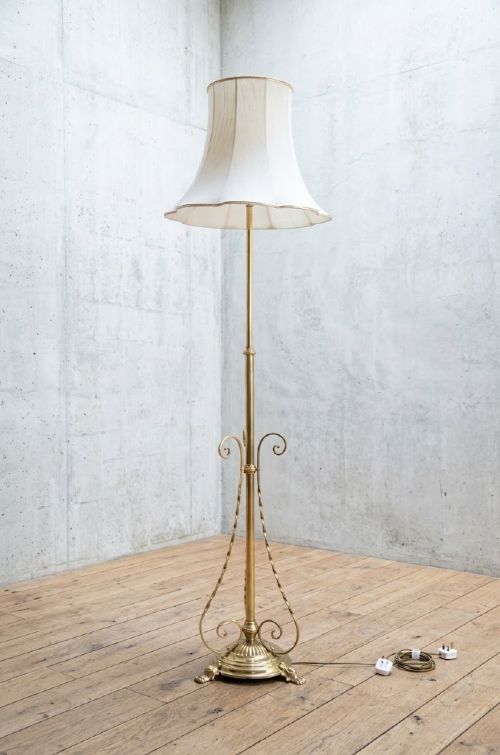
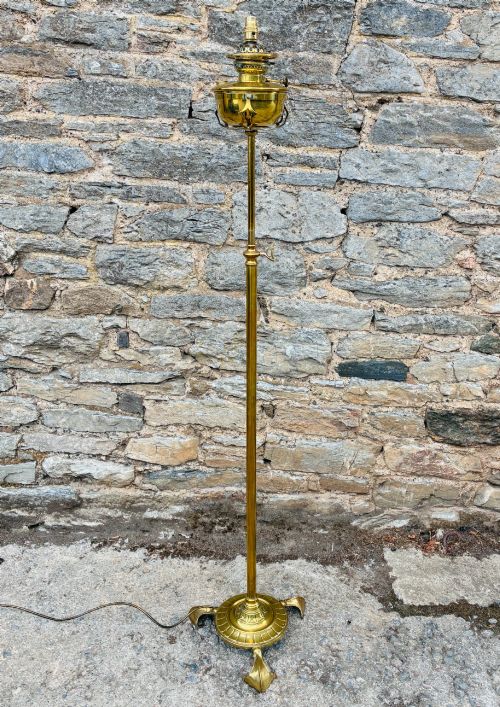
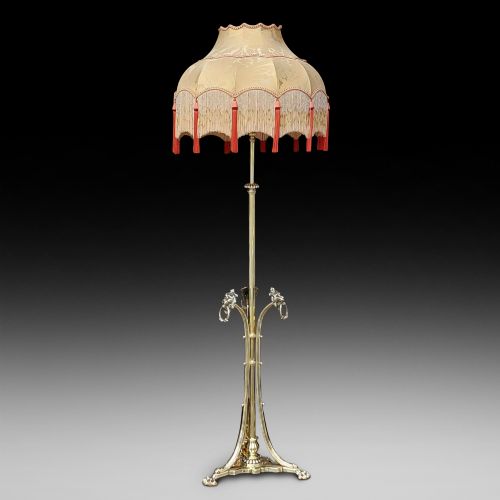
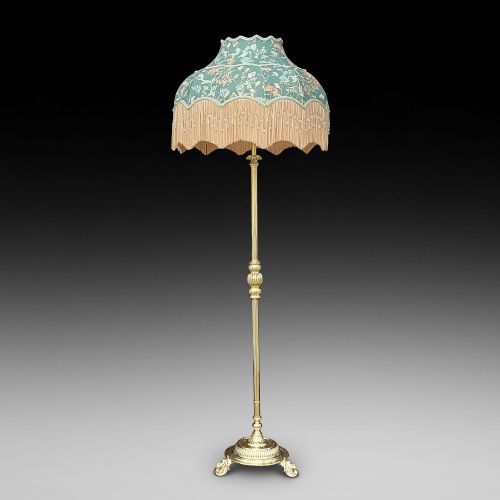
When you select a victorian brass standing light, you acquire a heavy, articulated floor lamp or standard lamp designed to illuminate period rooms.
Victorian Brass Standing Light
A victorian brass standing light encompasses floor lamps, standard lamps, and tall oil lamps designed for domestic interior illumination during the nineteenth century. These items include height-adjustable telescopic models alongside heavy stationary columns.
The objects frequently survive in formats adapted from oil burning to electricity, retaining their original metal keys, weights, and screw fittings. Many examples originate from the latter half of the nineteenth century and the early decades of the twentieth.
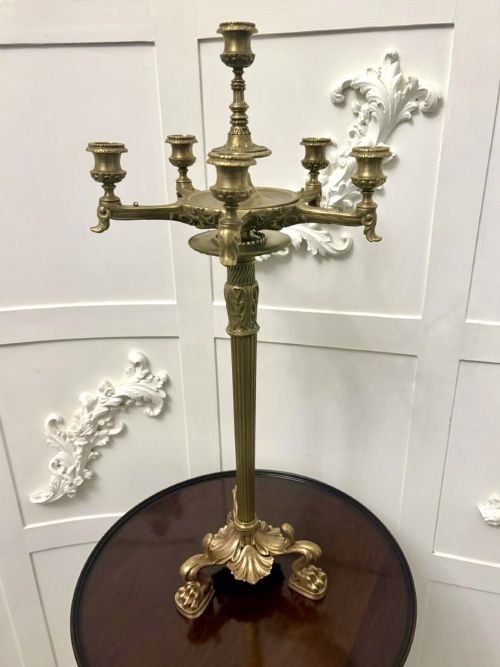
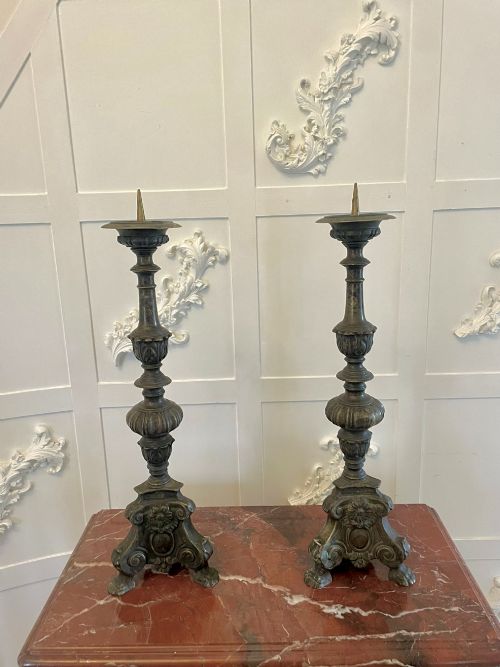
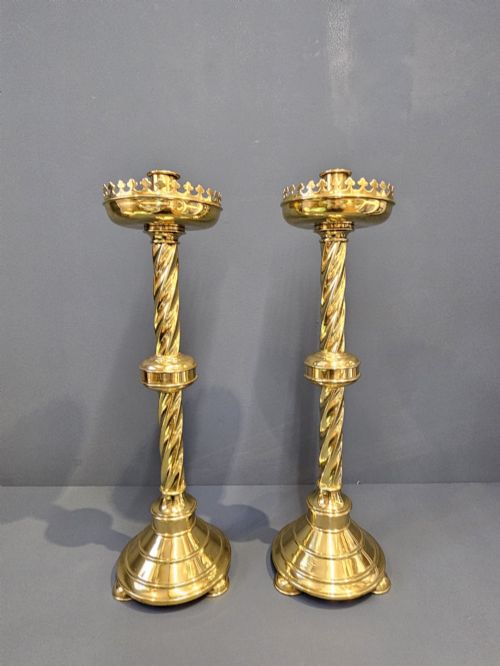
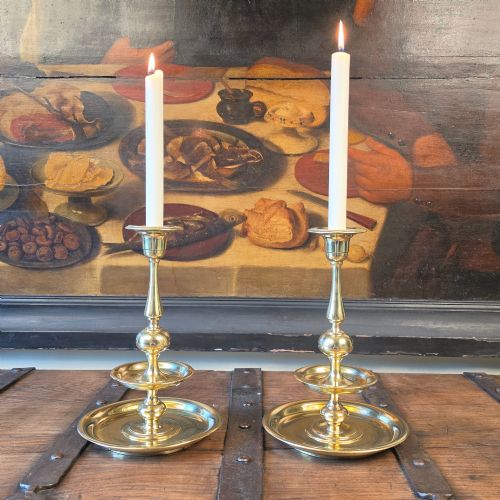
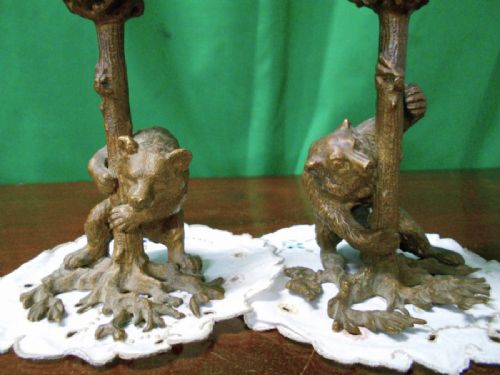
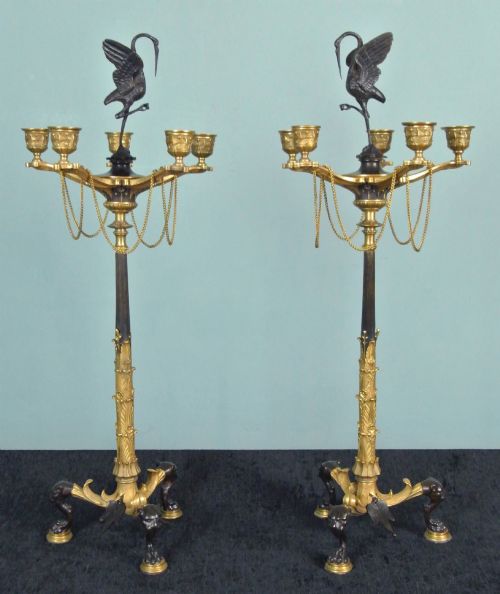
The selection ranges from utilitarian standard lamps to ornate church candlesticks, figural bronzes, and architectural Gothic revival designs. Buyers encounter pieces styled in the manner of the arts and crafts movement, art nouveau, and neoclassical revival.
How They Were Made
The construction relies heavily on cast and turned brass, often complemented by bronze, gilt bronze, and ormolu mounts. Makers utilised heavy weighted bases to support tall vertical stems and extended arms.
Surface decoration incorporates champleve enamel, porcelain panels, and intricate surface chasing alongside twisted metal shafts. Articulated joints and telescopic mechanisms permit physical adjustment of height and reach.
Listings demonstrate materials including brass, bronze, gilt bronze, ormolu, champleve enamel, porcelain, fabric, copper, and onyx.
What Varies in Quality
The distinction between standard production and superior execution lies in the weight of the metal and the crispness of the cast ornamentation. Heavier gauges of brass and well-defined figural details indicate higher workshop standards.
The integrity of mechanical adjustments, such as telescopic screw threads and functional articulated joints, dictates the physical competence of the piece. Fine examples retain their original surface patination and balanced proportions without replacement parts.
Hinks of B'ham·Frederick J Smith & Co·Wm Tonks & Sons
The Victorian Brass Standing Light Glossary
- Telescopic
- A method of construction allowing the vertical shaft of a lamp to extend or contract in height. This mechanism relies on internal sliding tubes secured by a thumbscrew.
- Pricket
- A spike on a candlestick designed to impale the base of a large candle. This form derives primarily from ecclesiastical furnishings.
- Champleve
- An enamelling technique where troughs are gouged into the metal surface and filled with vitreous paste before firing. The resulting patterns display rich coloured designs.
- Ormolu
- Finely ground high-carat gold applied to a bronze base using a mercury amalgamation process. This finish provides a bright golden lustre to decorative mounts.
- Candelabra
- A branched lighting fixture holding multiple candles or light sources. These objects often feature detachable arms above a central column.
Victorian Brass Standing Light: Frequently Asked Questions
How do I convert an old oil lamp?
Conversion typically involves fitting modern internal wiring through the original burner pathways while preserving the exterior metal components. Many examples arrive already adapted for electrical use.
Qualified electricians should handle the installation to ensure the antique brass body safely houses modern lamp holders and insulated cords without altering visible surfaces.
Are telescopic standards stable on carpets?
The heavy cast metal bases provide substantial gravity weighting designed to maintain balance across extended heights. Thick carpets can occasionally introduce a slight tilt.
Placing the base on a level, firm surface prevents wobbling when adjusting the height or operating the articulated joints of the lamp.
How should I clean antique brass?
Routine maintenance requires only a soft, dry cloth to remove dust from intricate cast decorations and textured surfaces. Avoid abrasive commercial metal polishes.
Aggressive cleaning strips the natural oxidation and historical patination that develops across nineteenth-century metalwork over decades of exposure.
What is the difference between a standard lamp and a candlestick?
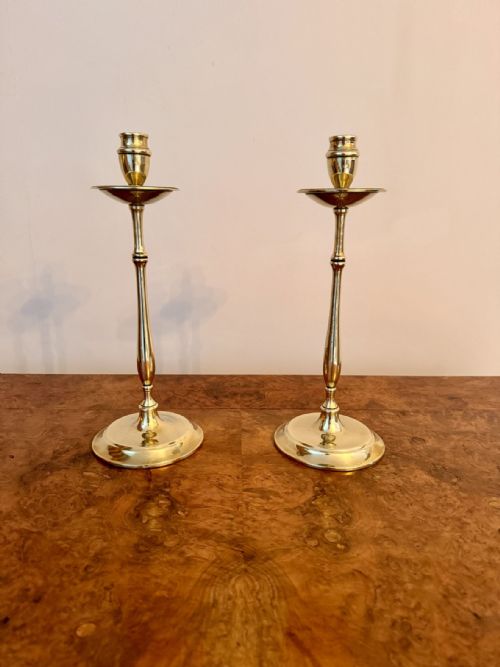
Standard lamps are tall floor-standing fixtures engineered to illuminate entire rooms, whereas candlesticks are smaller tabletop or altar items. Both share similar stylistic metalworking traditions.
Tall church candlesticks sometimes measure comparable heights to standard lamps but lack the internal wiring channels or specialised oil reservoirs found on floor lighting.