



Victorian Brass Music Stand
A victorian brass music stand brings the mechanical ingenuity and polished warmth of the nineteenth century straight into a modern sitting room.
Victorian Brass Music Stand
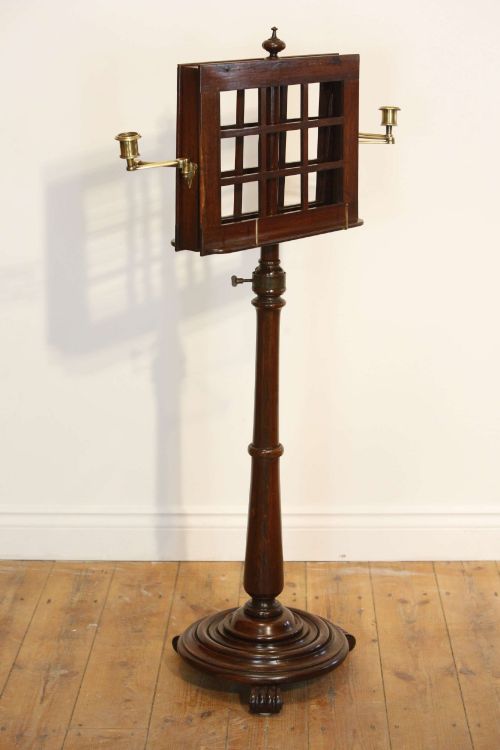
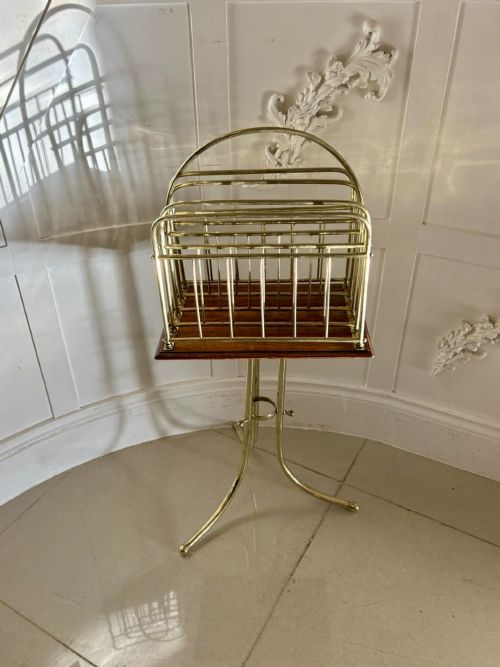
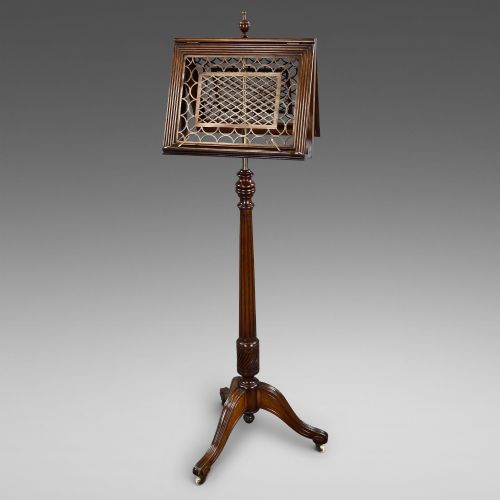
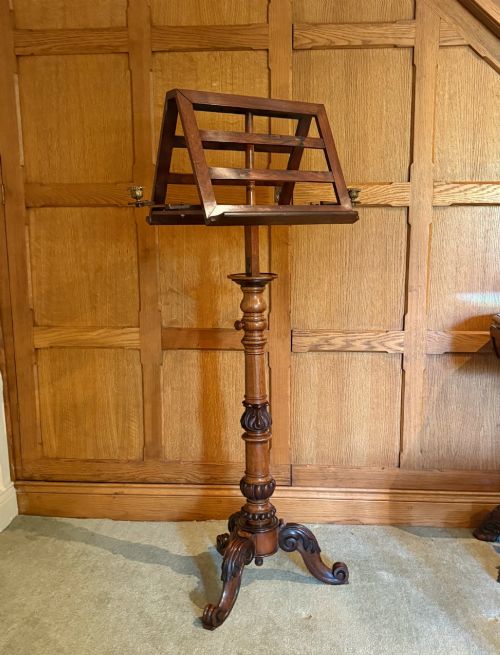
A victorian brass music stand encompasses adjustable reading stands, telescopic lecterns, and revolving magazine racks that served musicians and readers in the nineteenth century. The examples found here span the Victorian era, William IV, Regency, and Aesthetic Movement periods, reflecting the shifting domestic tastes of the period.
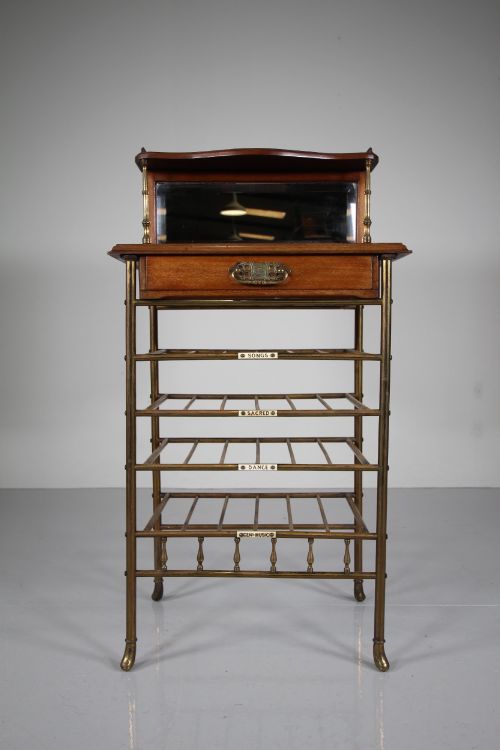
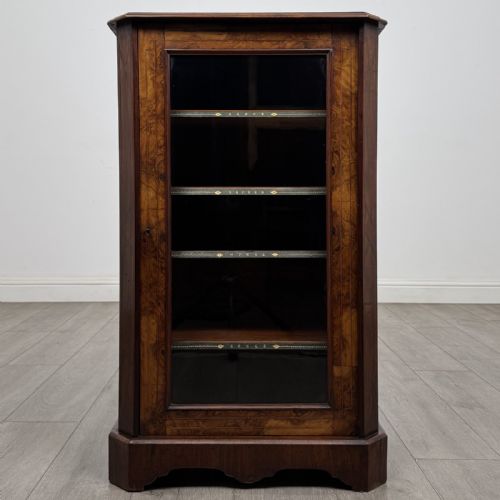
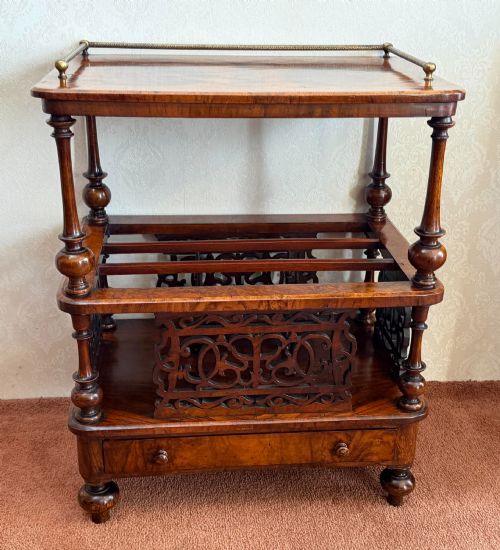
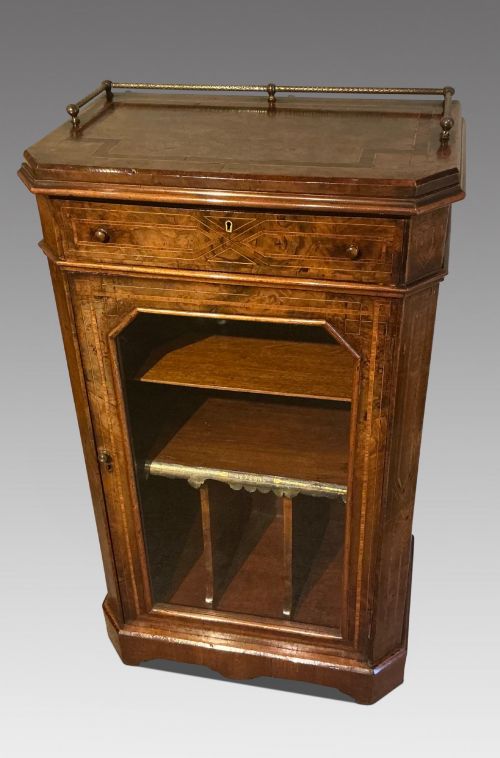
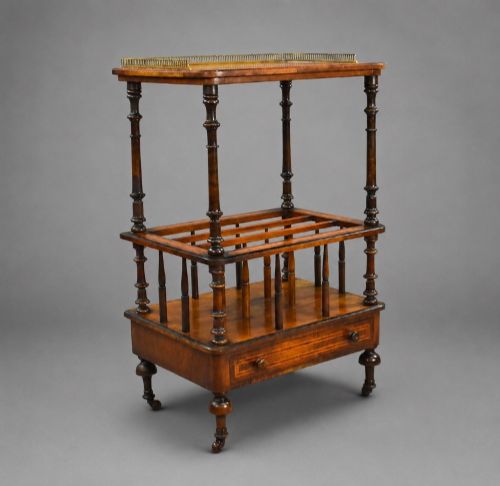
Most pieces combine gleaming brass with dense hardwoods such as mahogany, walnut, and rosewood, often featuring cast iron for stability. Alongside dedicated music stands and duet stands, buyers frequently encounter music cabinets, canterburys, and reading tables that accommodated scores and folios.
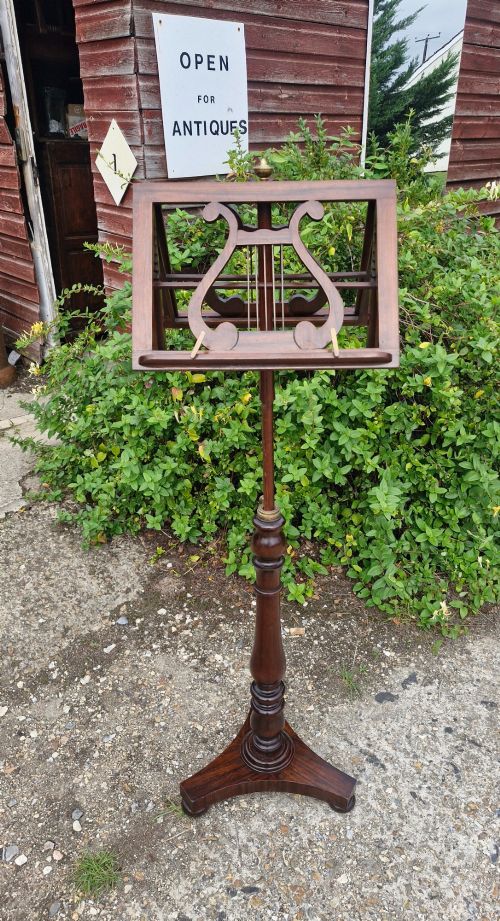
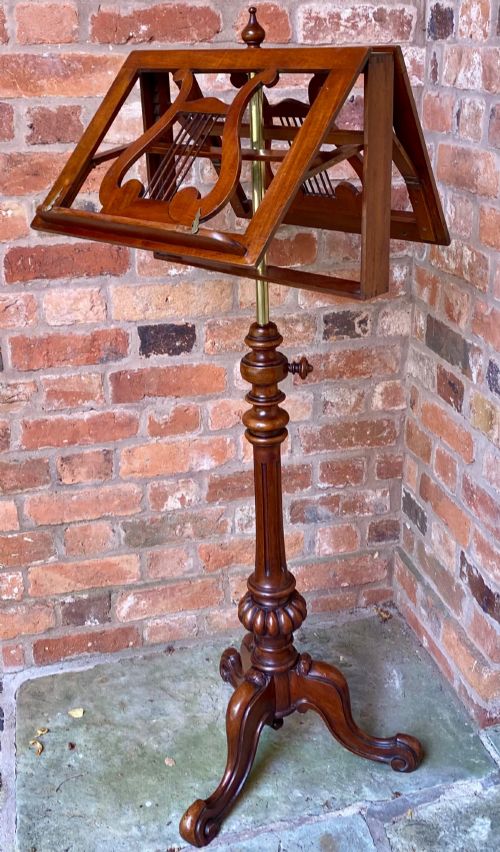
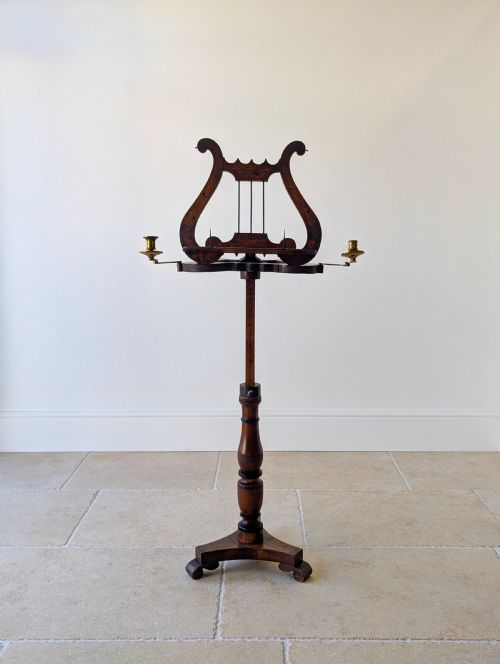
Makers utilised ingenious mechanical adjustments, including telescopic shafts and pivoting reading desks, to suit performers seated or standing. These furnishings originated in English workshops and factories, ranging from simple brass reading stands to elaborate inlaid burr walnut and ebonised pieces.
Materials and Techniques
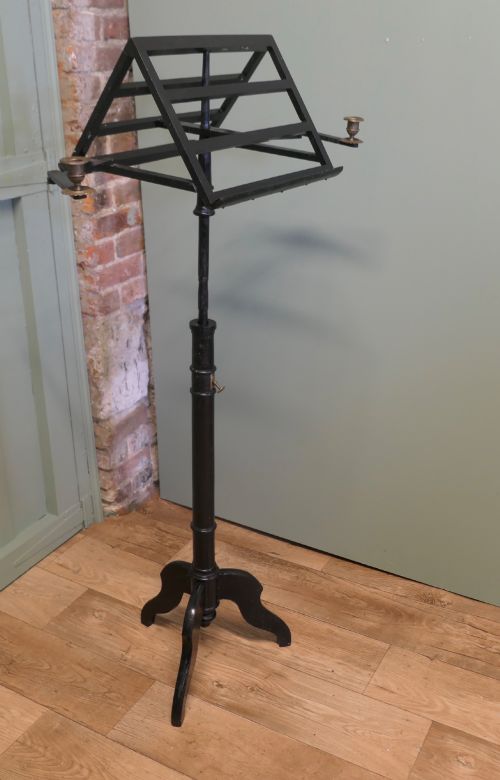
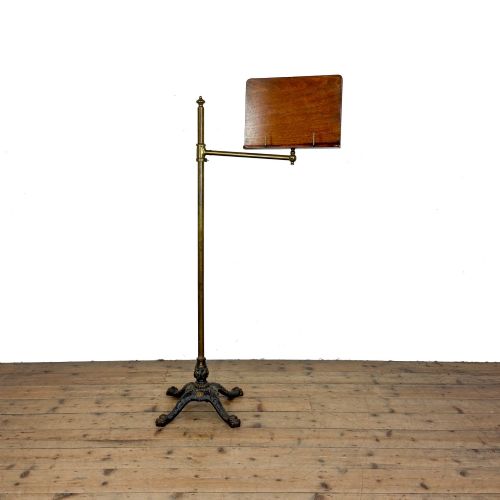
Craftsmen built these stands using heavy brass for adjustable mechanisms, fittings, and telescopic shafts, pairing the metal with turned or carved mahogany, walnut, rosewood, and ebonised wood. Cast iron frequently provided structural weight in the bases of reading stands to support tilting book desks securely.
Cabinetmakers employed intricate inlay, fretted woodwork, and fine wood veneers, particularly on burr walnut music cabinets and canterburys. Joinery relied on traditional methods suited to domestic furniture that required both decorative elegance and mechanical reliability.
Victorian Brass Music Stand Retail Price Guide 2026
Typical asking prices for victorian brass music stand among the pieces listed under this phrase on Sellingantiques today, from the lower quarter to the upper quarter. They describe what is for sale here now, not the wider market.
One exceptional nineteenth-century patent introduced an indispensable mechanical leaf turner for pianists determined to keep playing without interruption.
Quality and Distinction
The sophistication of the adjusting mechanism largely determines the standing of a piece, with smooth telescopic action and secure brass thumbscrews separating utilitarian stands from finer examples. Heavier cast iron bases and substantial gauge brass indicate superior original manufacture.
The choice of cabinet timber and the precision of decorative inlay distinguish standard furnishings from masterworks by known makers. Figured burr walnut, rich rosewood, and crisp mahogany carving elevate the decorative impact of music cabinets and reading tables.
Gillows·Henry Ogden and Son·Padbury
The Victorian Brass Music Stand Glossary
- Canterbury
- A low stand featuring vertical partitions, originally designed to hold sheet music, folios, or magazines.
- Lectern
- A reading stand with a slanted top designed to hold books or scores at a convenient angle for a speaker or musician.
- Ebonised
- Wood treated with a dark finish to imitate expensive ebony, frequently seen on late nineteenth-century cabinets.
- Duet stand
- A music stand wide enough to accommodate two musicians reading from a shared musical score simultaneously.
- Whatnot
- An open set of multi-tiered shelves used for displaying decorative objects or storing books and folios.
Victorian Brass Music Stand: Frequently Asked Questions
How do adjustable stands work?
Adjustable stands rely on telescopic brass shafts secured by threaded thumbscrews or internal friction mechanisms. Users loosen the collar to raise or lower the desk to the desired height.
Many examples also incorporate tilting ratchets or pivoting joints beneath the book rest to angle scores toward the musician.
What is a canterburys used for?
A canterbury is a compartmentalised low stand designed specifically to hold sheet music, folios, and loose papers upright. Nineteenth-century households placed them beside pianos or in drawing rooms to keep scores organised.
Later variations often included drawers below the partitions and lower shelves for small books.
Are these stands suitable for modern books?
Sturdy reading stands and heavy lecterns easily support modern hardbacks, heavy art books, and tablets. The adjustable ledges and brass page clips hold open volumes securely at comfortable reading heights.
Buyers should ensure the cast iron or timber base provides adequate counterweight for particularly large modern volumes.
How do I distinguish Regency from Victorian pieces?
Regency and William IV pieces typically display classical restraint, featuring dark mahogany or rosewood, lyre-shaped supports, and restrained brass mounts. Victorian designs often embrace richer veneers like burr walnut, elaborate inlay, and heavier cast iron or ebonised elements.
Cabinet construction and decorative motifs generally align with the aesthetic preferences of their respective decades.