
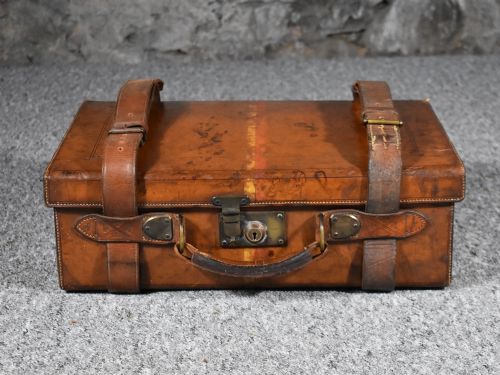
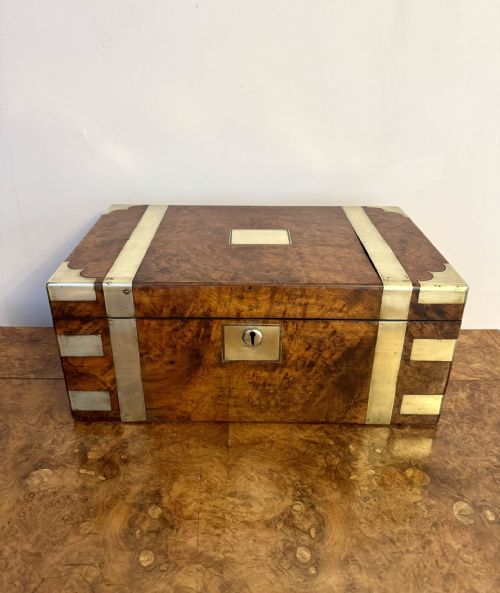

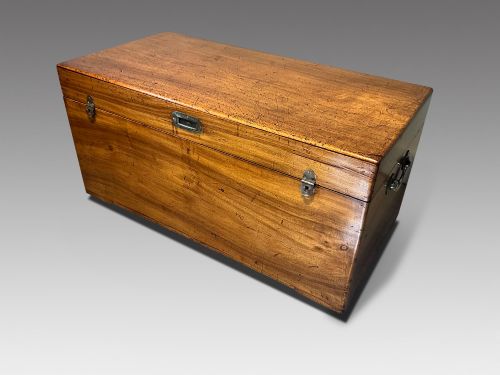
Victorian Brass Fitted Box
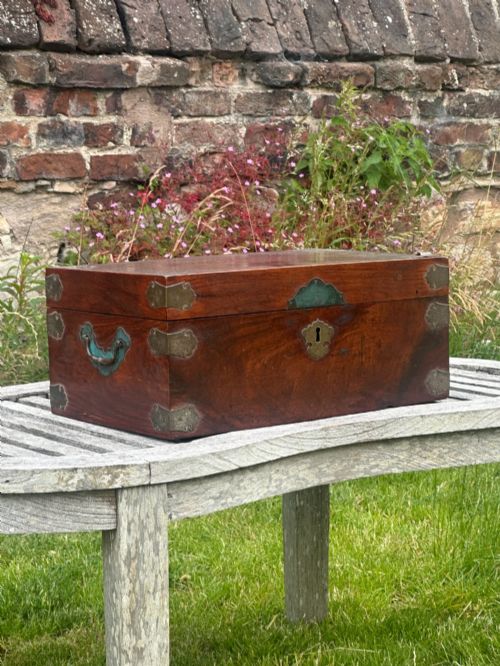
A victorian brass fitted box is a robust wooden container lined for storage and secured with metal corners or straps.
Victorian Brass Fitted Box
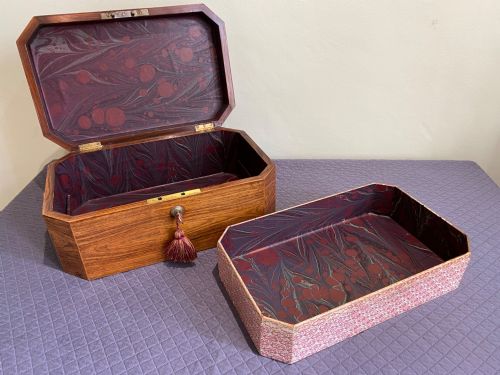
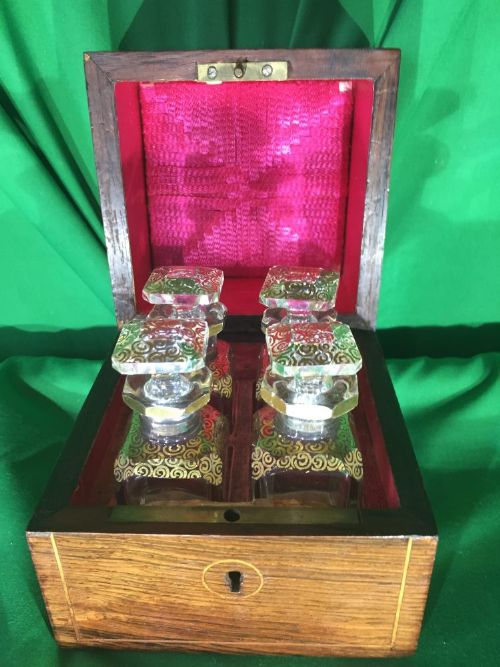
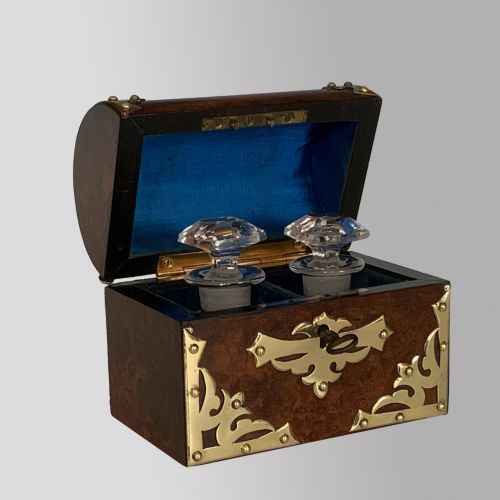
When you search for a victorian brass fitted box, you encounter containers built to hold writing materials, jewellery, documents or bottles safely during travel and home use. These pieces include writing slopes, vanity cases, deed boxes and scent caskets made during the nineteenth century.
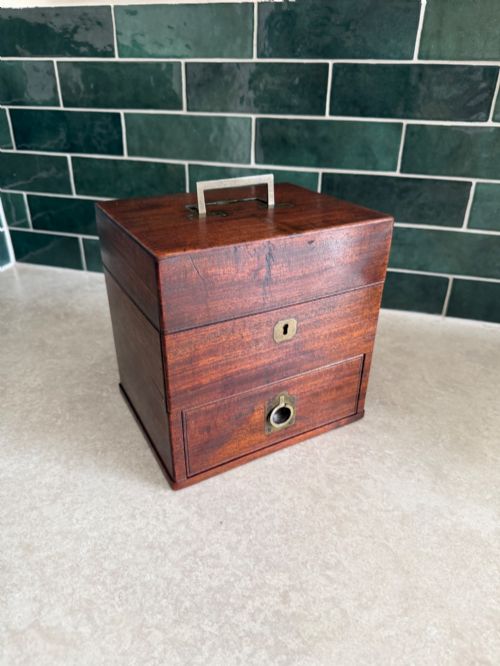
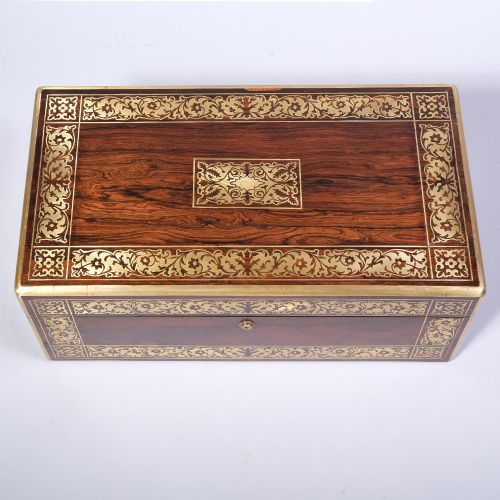
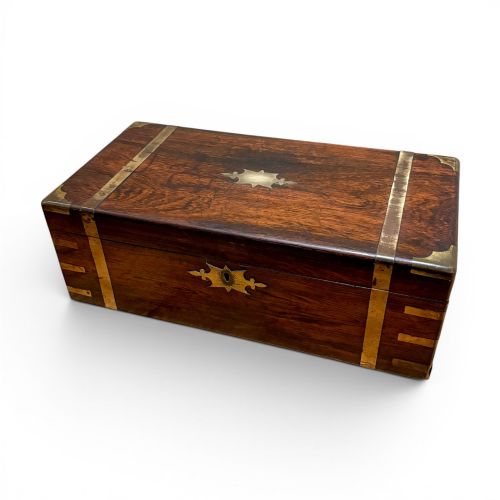
The versions most common on this page are mahogany, walnut and rosewood boxes strengthened with brass corners, straps and inlay. They range from compact lap desks to large campaign trunks and tabletop cabinets with internal compartments.
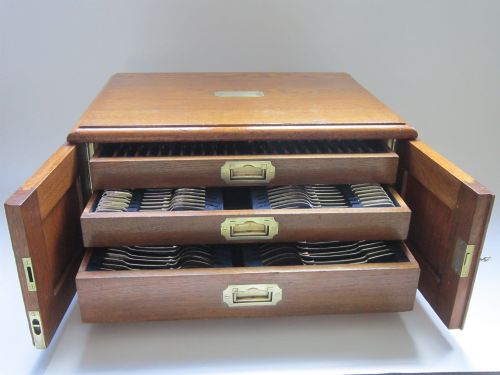
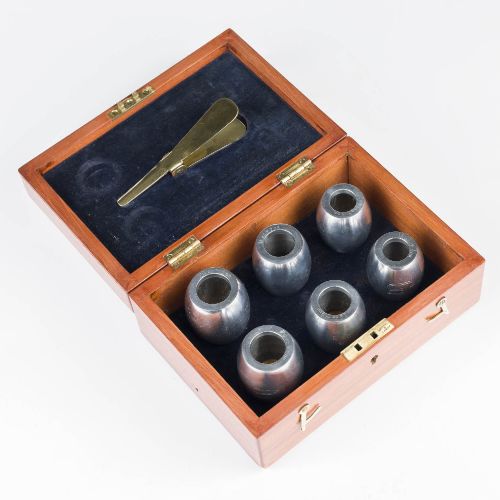
Makers designed these objects for specific functional roles, such as storing cutlery, decanters, scientific instruments or personal stationery. Many retain their original velvet linings, glass bottles or secret drawers.
How they were made
Cabinet makers built these boxes using dense timbers such as mahogany, oak, rosewood, camphorwood and burr walnut, often applying brass banding, corners and inlay to reinforce the structural edges and joints. Wood is selected for grain pattern and strength, then polished to a smooth finish.
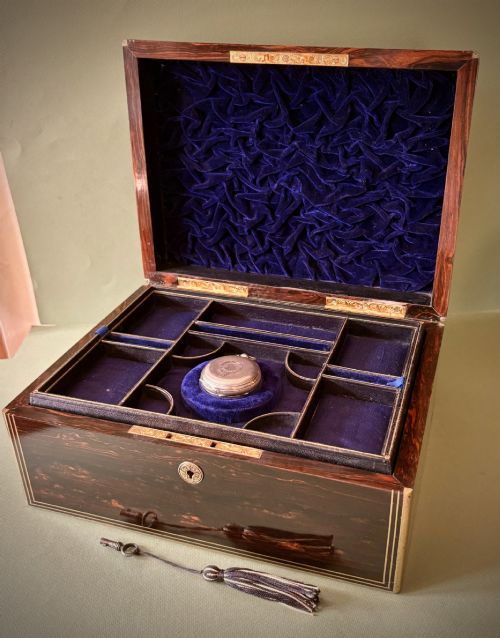
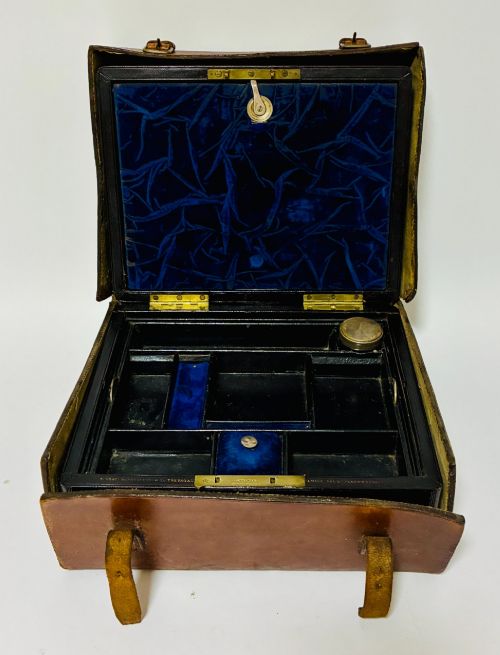
Interiors feature custom fitted sections lined in velvet or leather, designed to hold specific items like glass scent bottles, decanters or writing implements securely in place. Metal hinges, locks and campaign handles are screwed or inset flush into the wood.
Some boxes hide compartments behind sliding panels that refuse to open until you press a secret wooden peg.
What varies in quality
The standard of a box depends on the selection of timber veneers, the precision of the brass inlay work and the complexity of the internal fittings. Dense burr walnut, coromandel and figured rosewood indicate finer production than plain secondary woods.
Superior examples retain their original working keys, fully intact velvet linings, secret compartments and complete sets of matched glass bottles or scientific instruments without replacement parts.
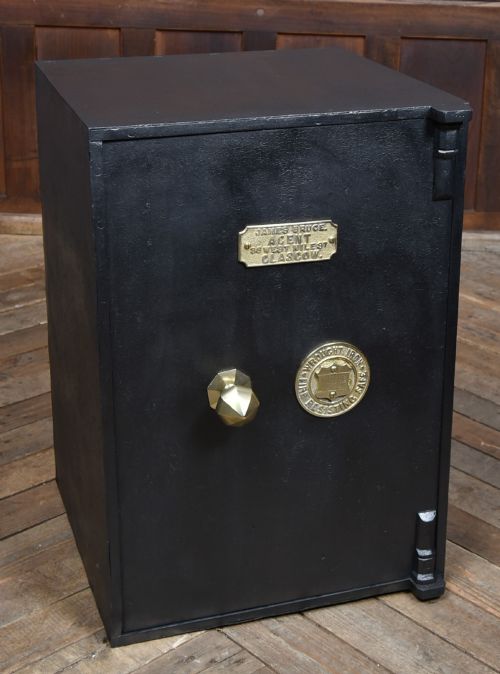
De Grave Short & Co·James Bruce·F. West·James Purdey & Sons·L Casella & Co·H Mitchell
The Victorian Brass Fitted Box Glossary
- Writing slope
- A desk box with a slanted lid that folds down to provide a writing surface over internal stationery compartments.
- Campaign
- A style of portable furniture fitted with brass corners and recessed handles designed for easy transport by military officers or travellers.
- Coromandel
- A dense, dark exotic hardwood with contrasting light streaks used for luxury nineteenth century decorative boxes.
- Tantalus
- A locking wooden cabinet frame that holds decanters securely while displaying the contents through a barred structure.
- Secret drawers
- Hidden compartments built behind removable panels or false bottoms within a box interior.
Victorian Brass Fitted Box: Frequently Asked Questions
What fits inside these boxes?
These boxes hold writing paper, inkwells, jewellery, decanters, cutlery sets, medical equipment and personal documents in dedicated internal compartments.
Many interiors feature fitted velvet or leather trays designed specifically to secure glass bottles, razors or stationery during transport.
How are campaign boxes different?
Campaign boxes incorporate brass corner brackets, flush inset handles and reinforced edges to withstand frequent travel and rough handling by military officers.
Cabinet makers built these pieces from sturdy timbers like mahogany, teak and camphorwood to resist warping in humid climates.
Do these boxes still lock?
Many boxes retain their original working locks and are supplied with a key to secure the lid and internal compartments.
Locks were typically set flush into the wooden rim and operated with small brass keys.
What timber was used?
Cabinet makers utilised dense hardwoods including mahogany, oak, walnut, rosewood, coromandel and camphorwood for durability and appearance.
Exotic veneers like burr walnut and coromandel were selected for high status luxury items destined for wealthy homes.
How do I date a box?
Dating relies on stylistic clues, construction methods, wood types and occasionally maker stamps or engraved brass plaques on the lid.
Nineteenth century pieces often show hand-cut dovetails and specific brass corner designs characteristic of Victorian production.