
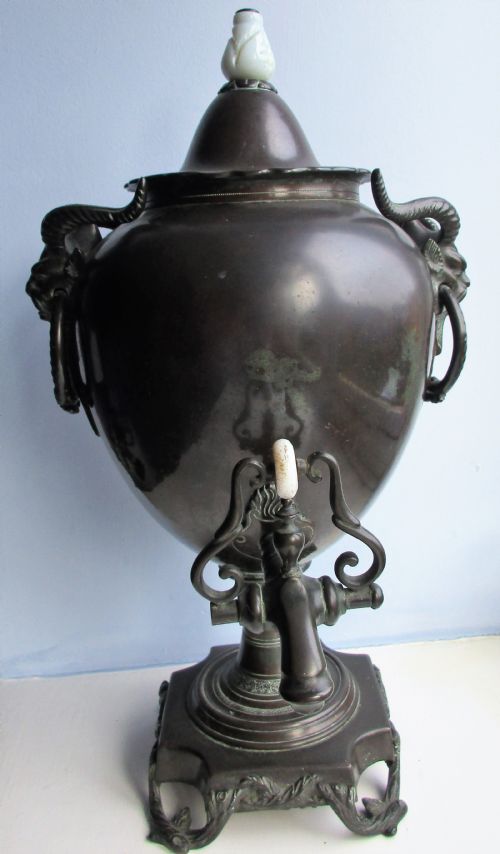


Victorian Brass Copper Urn
A victorian brass copper urn brings warmth and weight to a room, functioning as a commanding focal point with its rich metallic tones.
Victorian Brass Copper Urn
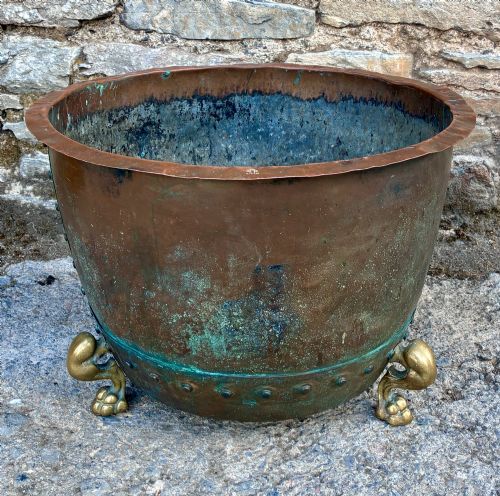
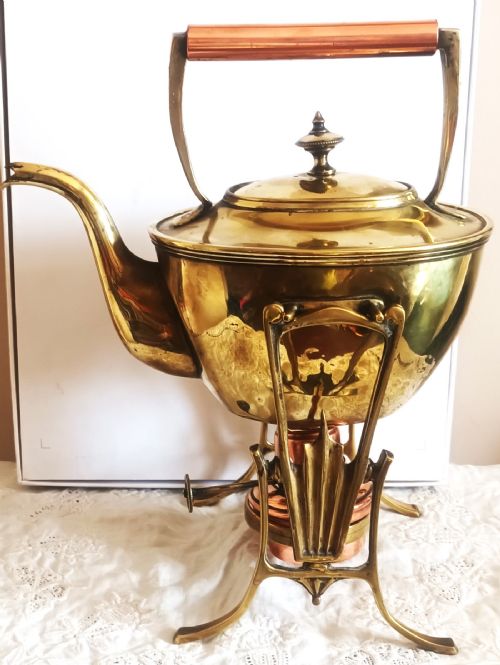
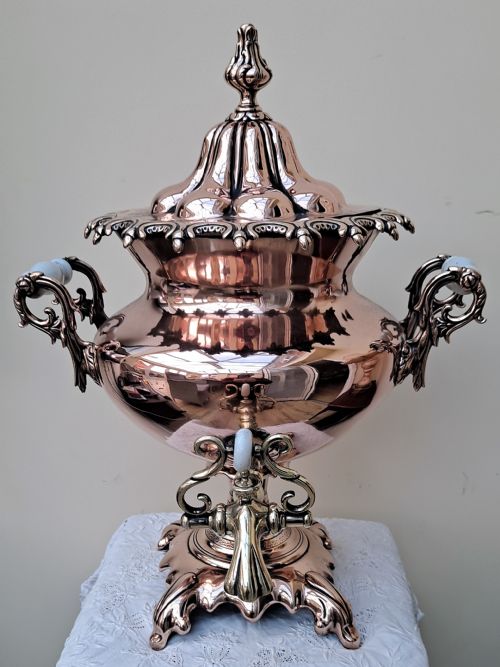
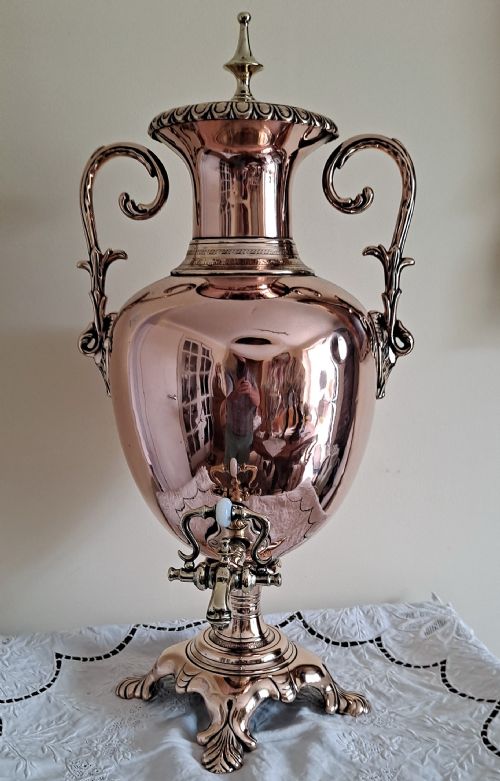
A victorian brass copper urn encompasses substantial tea urns, samovars, spirit kettles, and fireside coal buckets created during the nineteenth century. These pieces predominantly reflect Victorian styles alongside rustic farmhouse and neoclassical influences, often blending warm copper bodies with bright brass mounts.
Materials and construction
Metals form the core of these objects, combining heavy-gauge copper with cast brass handles, spigots, and bases. Makers frequently employed riveting techniques to join the copper plates securely before finishing the exterior with a smooth or patinated surface.
Secondary elements include wood, bone, and ebonised wood, utilised primarily for insulating handles and spigot keys to protect hands from heat. Walnut and ceramic components occasionally appear in associated stands or planters.
Several vessels retain their original bone insulators, keeping nineteenth-century tea makers safe from sudden scalds while pouring.
Distinctions in craftsmanship
Quality rests heavily upon the weight of the metal and the crispness of the cast brass fittings. Superior examples display clean riveted seams and substantial gauge copper that resists denting.
The refinement of the decorative mounts, such as neoclassical handles or turned wooden insulators, separates utilitarian vessels from high-status display pieces.
William Soutter & Sons·Benetfink & Co
The Victorian Brass Copper Urn Glossary
- Samovar
- A heated metal urn traditionally used to boil water for tea. These large vessels typically feature an internal heating tube and a spigot near the base.
- Spirit Kettle
- A small kettle mounted on a metal stand above a burner. It allowed hosts to keep water hot at the tea table.
- Pontypool Ware
- Japanned metalware known for its glossy, durable lacquer finishes. Pieces associated with this tradition often show deep, lustrous surfaces.
- Jardiniere
- An ornamental pot or stand for holding plants or flowers. In these collections, they are typically constructed from heavy copper with brass handles.
- Andirons
- Horizontal metal bars supported by legs used to raise logs in a fireplace. They frequently incorporate brass and copper decorative elements matching the hearth style.
Victorian Brass Copper Urn: Frequently Asked Questions
What is a samovar used for?
A samovar served to boil and heat water for tea during formal gatherings and daily domestic life. The central internal tube held hot coals or a heating element to maintain the temperature.
Over time, these vessels transitioned from functional kitchen equipment to decorative centerpieces displayed in dining rooms and parlours.
How do I clean copper and brass?
Maintenance requires gentle cleaning with specialised metal polishes to preserve the aged patina without stripping the historic surface. Harsh abrasives can damage the thin protective layers built up over decades.
Many collectors prefer leaving a natural, dark oxidation on the copper while lightly brightening the brass accents for contrast.
Can I use an antique spirit kettle?
Most antique spirit kettles and urns are best reserved for display due to historic solder repairs and interior wear. Using them for heating water risks compromising delicate nineteenth-century joints.
Instead, they make striking decorative accessories on sideboards, mantels, or within historic hearth settings.
How do I date a copper urn?
Dating relies on examining construction methods like hand-beaten versus machine-rolled sheets, alongside the prevailing design style. Pieces from the middle to late nineteenth century often feature heavy cast brass handles and distinct riveted seams.
Maker marks stamped into the base or fittings also provide definitive clues to the decade of production.