


Victorian Brass Chime
A victorian brass chime brings resonant sound and period craftsmanship into a room through gongs, bells, and clocks.
Victorian Brass Chime
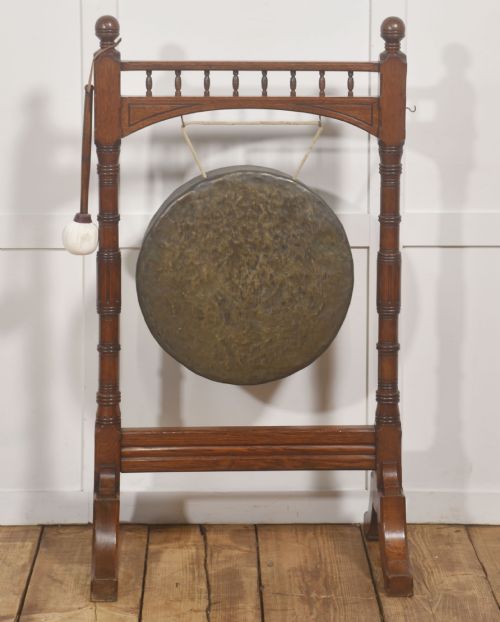
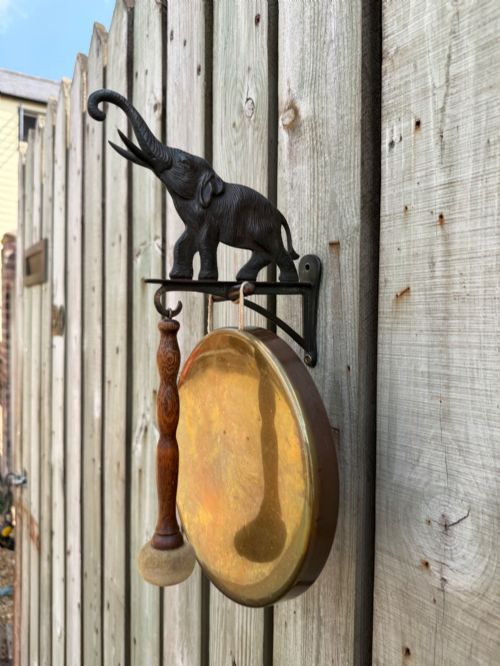
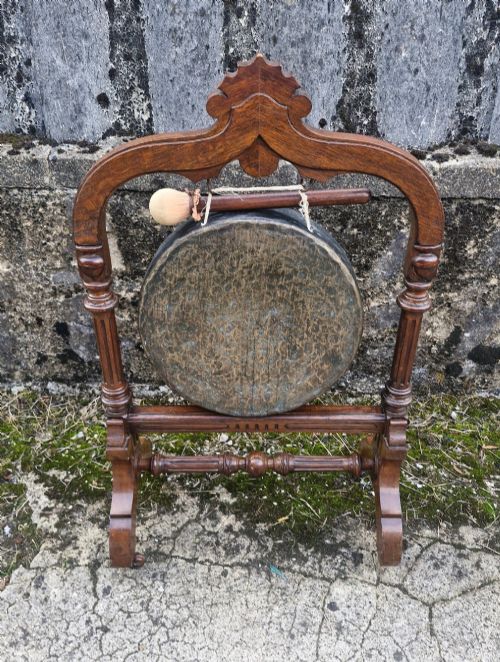
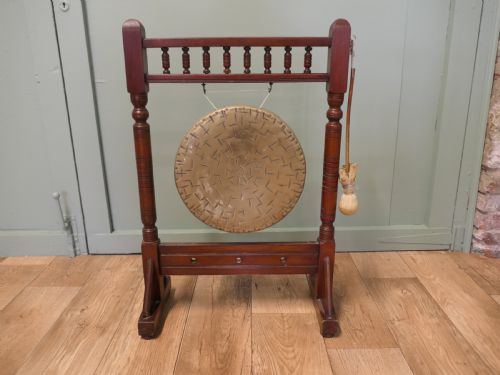
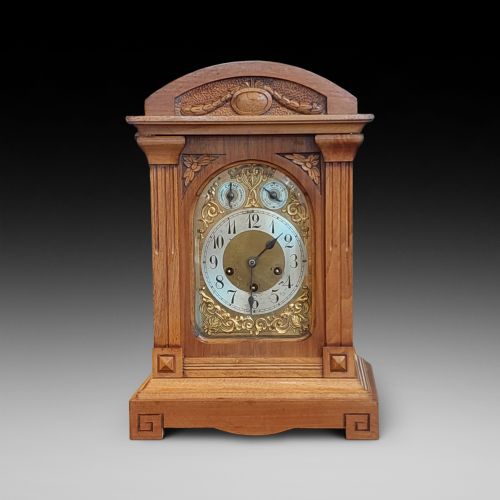
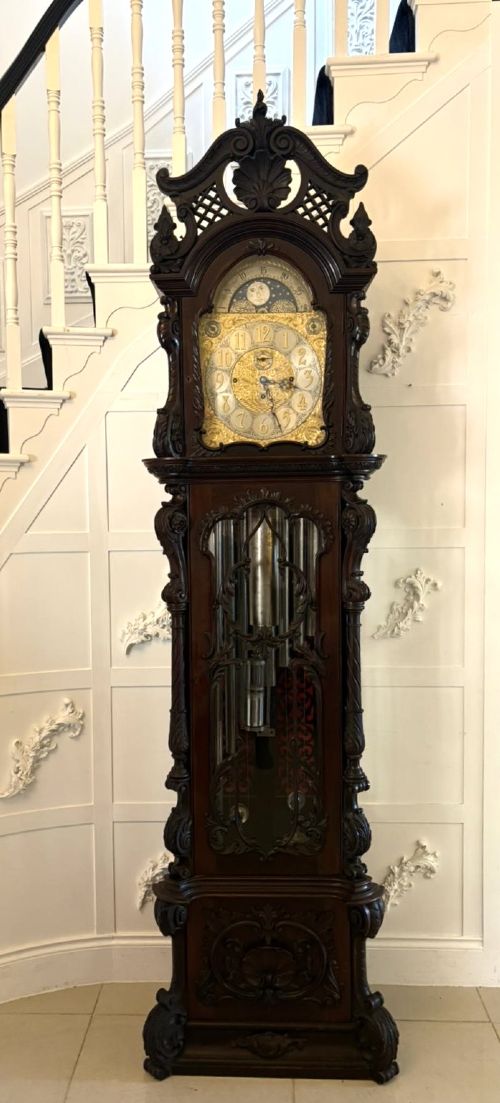
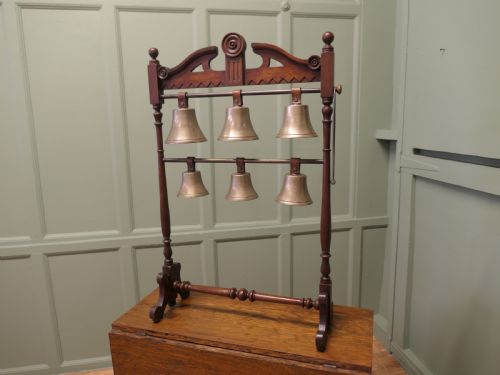
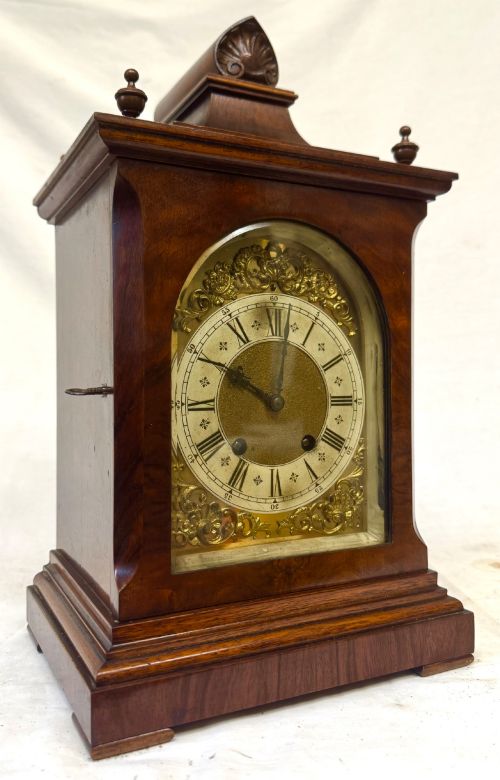
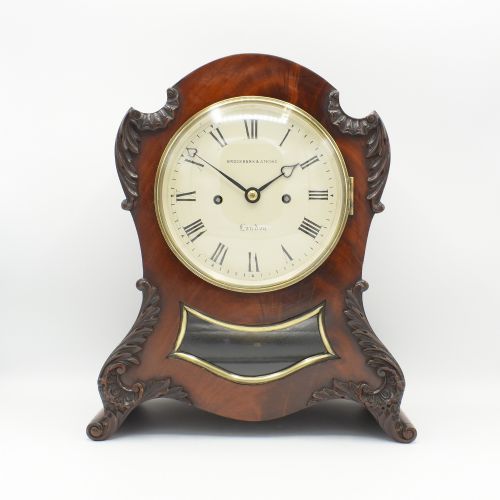
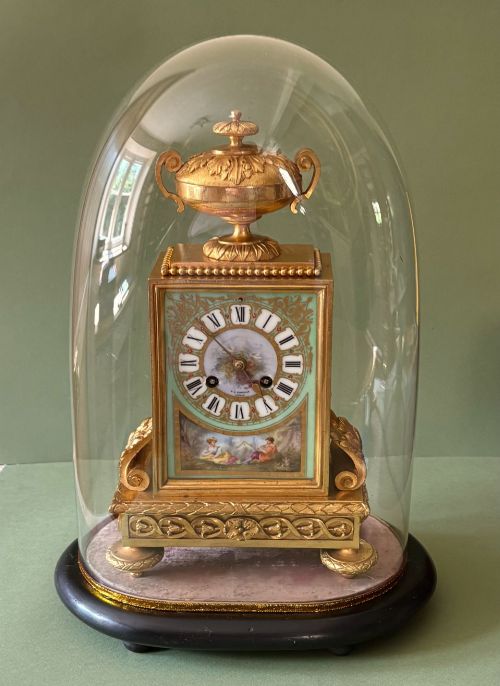
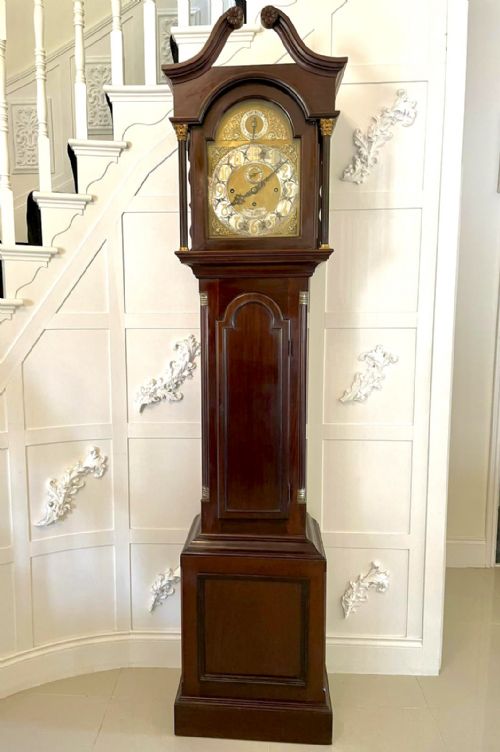
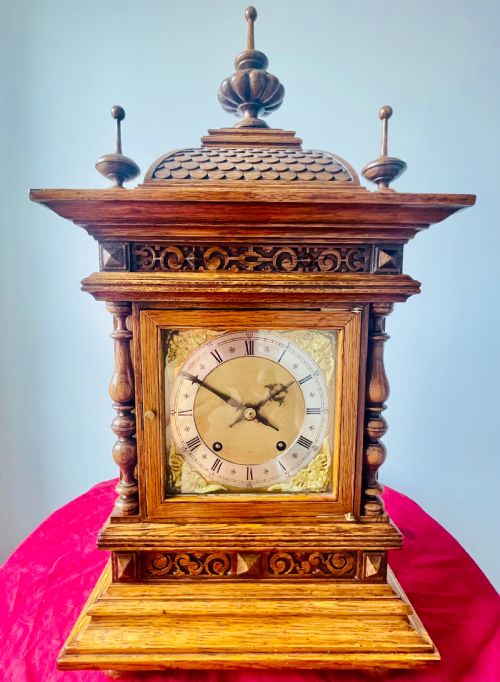
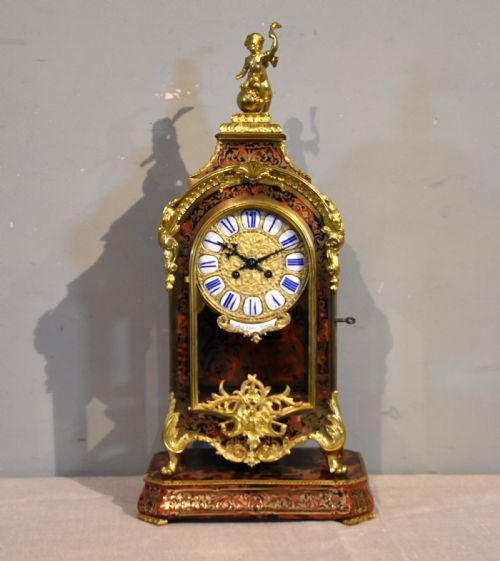
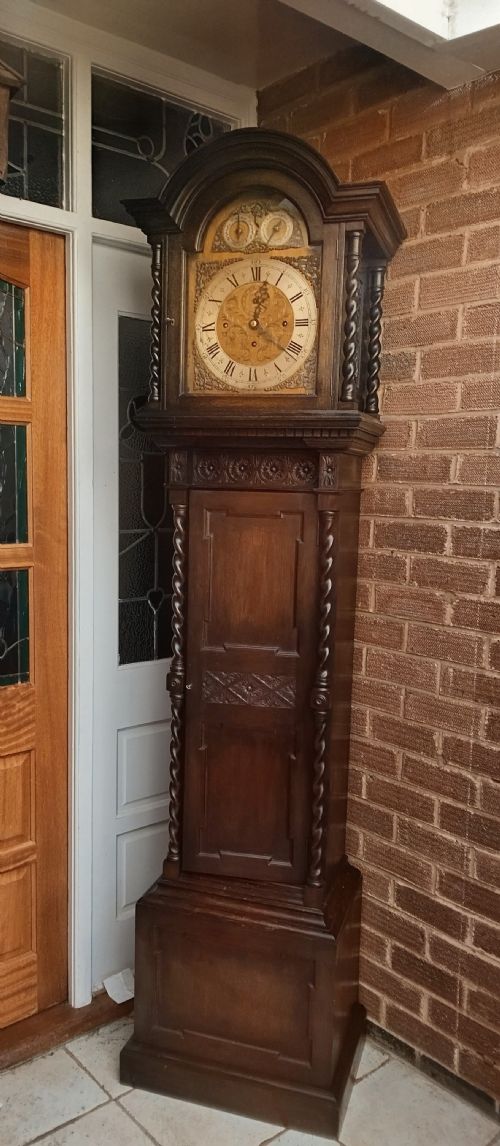
When you search for a victorian brass chime, you encounter an array of acoustic objects designed to mark time or summon guests. These pieces range from wall-hanging and tabletop dinner gongs to musical longcase clocks and multi-bell racks.
The versions most frequently met on this page combine polished metal components with substantial wooden frames. Oak, mahogany, and walnut often form the backplates, wall mounts, or clock bodies that support the striking metal elements.
Origins stretch from traditional British workshops to continental makers, incorporating stylistic influences such as Gothic Revival and the Aesthetic Movement. Each object serves a practical acoustic purpose while displaying the decorative tastes of the nineteenth century.
Materials and construction methods
Makers utilised cast bronze and brass for the resonant bells, gongs, and dial faces that produce the characteristic tone. These metallic elements are frequently paired with timber surrounds carved from oak, walnut, or mahogany.
Structural framing often incorporates decorative mounts, ranging from horse head bronze castings to elaborate ormolu or bamboo details. Movement mechanisms and gongs rely on precise metalworking traditions seen in bracket clocks and wall chimes.
Victorian Brass Chime Retail Price Guide 2026
Typical asking prices for victorian brass chime among the pieces listed under this phrase on Sellingantiques today, from the lower quarter to the upper quarter. They describe what is for sale here now, not the wider market.
Several gongs feature equestrian brass horse head mounts, ready to summon riders straight from the stables to the dining table.
Distinctions in craftsmanship
The calibre of a piece rests in the acoustic clarity of the bell or gong and the precision of the associated clockwork movements. Finer examples display meticulous timber carving and robust brass casting that sustain a clear, resonant tone.
Superior items often feature signed movements from established makers, whereas simpler pieces rely on unbranded domestic iron or brass frameworks. The integration of mounts and the weight of the timber housing further divide standard production from exceptional workshop output.
Brockbanks & Atkins·Winsor Bishop Norwich·Winterhalder & Hofmeier·Schneckenburger·Mappin & Webb
The Victorian Brass Chime Glossary
- Dinner Gong
- A suspended metal disc or tube struck with a mallet to call people to meals. These often hang from carved oak, bamboo, or wrought iron frames.
- Bracket Clock
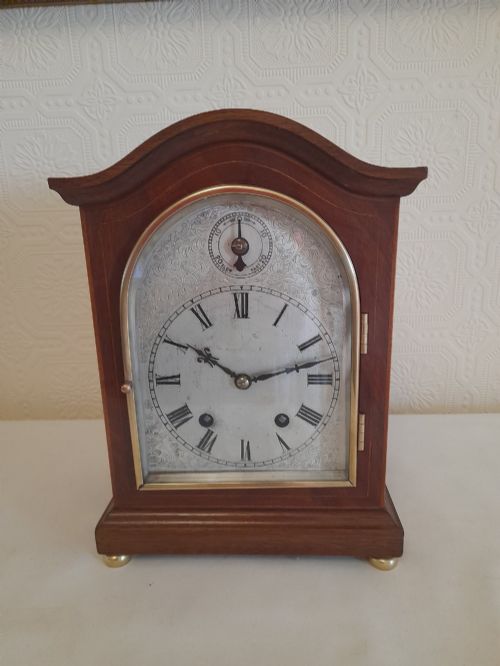
- A portable clock designed to sit on a bracket, shelf, or table. Many examples incorporate chiming or striking mechanisms housed in wood cases.
- Ting Tang
- A striking movement that uses two bells or gongs to sound the quarters or hours. This distinct double-tone creates a musical chime.
- Fusee
- A conical pulley used in clock movements to maintain even driving power as the mainspring unwinds. It represents a mark of higher mechanical quality.
Victorian Brass Chime: Frequently Asked Questions
How do I mount a wall gong?
Wall-hanging gongs require secure fixing to a sturdy wall to support the combined weight of the timber backplate and heavy metal chime. Ensure the fixings match the wall type before hanging.
The suspension brackets are designed to bear the downward load safely while allowing the metal gong or bell to vibrate freely without dampening the sound.
What is a ting tang clock?
A ting tang clock utilises a specific two-hammer mechanism to strike two different notes on the quarter hours. This creates a charming acoustic signal rather than a full melody.
Such movements are commonly found in nineteenth-century bracket and mantel clocks housed in mahogany or walnut cases.
Where were dinner gongs used?
Dinner gongs served a practical function in large country houses, shooting lodges, and schools to summon residents or guests. They were typically placed in hallways or dining rooms.
The deep resonance carried across multiple rooms, making them an effective communication tool before the widespread adoption of domestic electricity.