




Victorian Brass Candlestick Lamps
Victorian brass candlestick lamps combine period weight with practical light, offering a stable metal base that transforms older illumination pieces into useful lighting.
Victorian Brass Candlestick Lamps
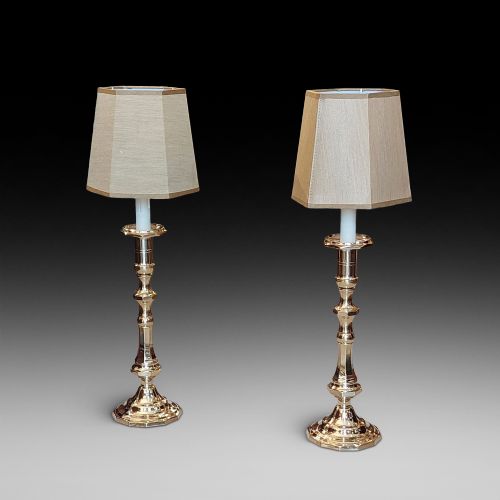
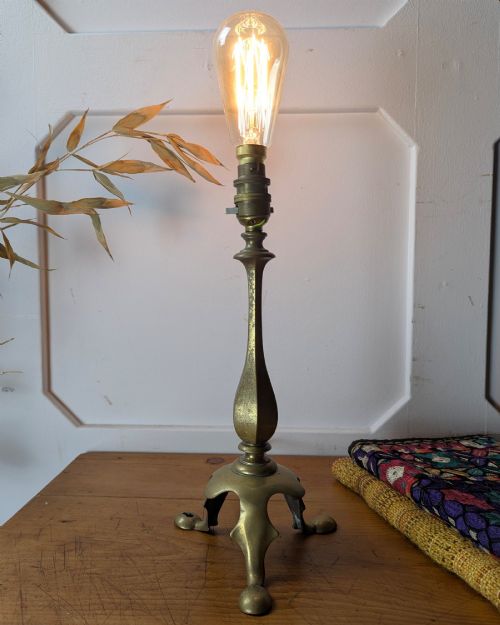
Victorian brass candlestick lamps sit at the intersection of domestic lighting history and metalwork, taking forms originally designed for wax or oil and adapting them for modern electrical use. Buyers searching this phrase encounter sturdy table lighting that ranges from simple domestic turned stems to grander architectural forms.
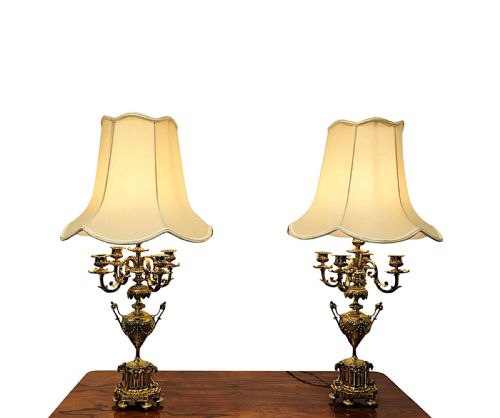
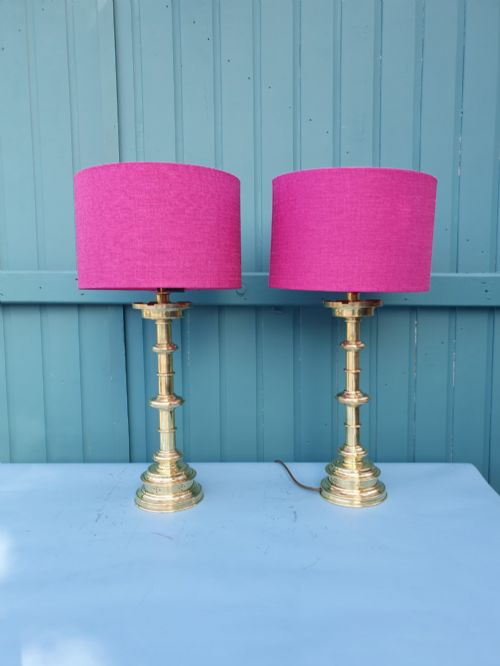
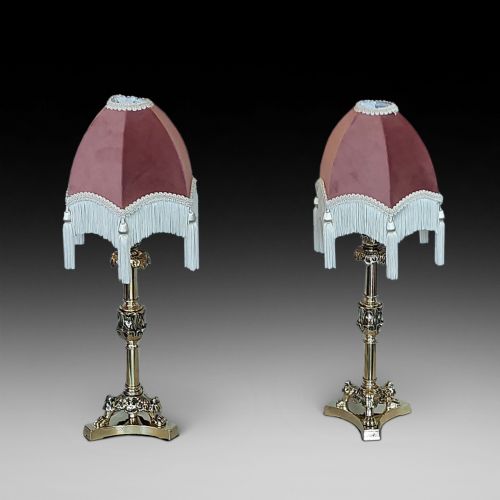
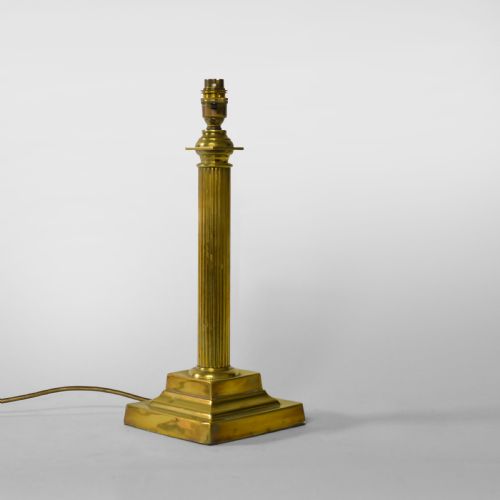
The objects on this page appear predominantly in pairs or single examples spanning the nineteenth century, including Gothic Revival altar sticks, column designs, and converted candelabra. Many specimens show evidence of past adaptation, having transitioned from oil or candle fuel to electricity during their working lives.
Origins vary between English domestic workshops and continental makers, with styles drawing on neoclassical canons, ecclesiastical metalwork, and regency influences. The surviving forms reflect both everyday interior illumination and larger ceremonial pieces repurposed for domestic rooms.
Materials and construction
Construction relies heavily on cast, spun, and turned brass, often paired with secondary elements in bronze, glass, or opaline components. Metal components were shaped using traditional foundry methods, resulting in heavy sections that provide the structural stability required for tall stems and shades.
Decorative surfaces utilise chased, repoussé, or plated finishes to achieve texture and lustre, sometimes incorporating cut glass chimneys, fabric shades, or gilt highlights. These varied treatments allowed makers to shift between austere ecclesiastical designs and domestic decorative objects.
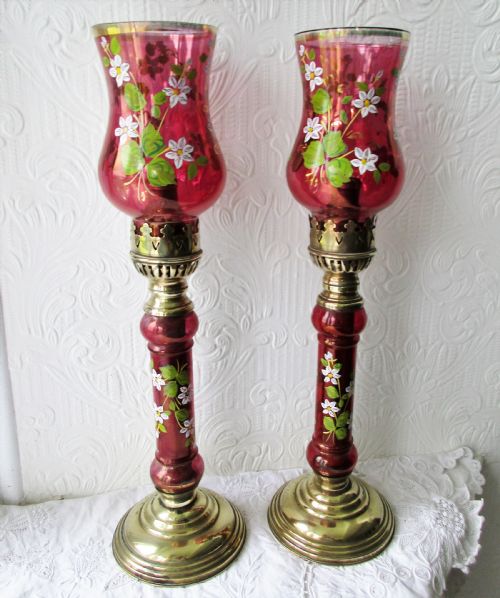
Listings on this page feature brass alongside glass, opaline glass, and bronze materials spanning the nineteenth and early twentieth centuries.
Assessing quality
Quality rests in the crispness of the casting and the thickness of the brass gauge used in the stem and base. Heavy, well-balanced metalwork with cleanly defined architectural details or ornamentation separates superior workshop output from lighter commercial production.
The integrity of the conversion work and the survival of original components such as glass chimneys, shades, or mounting collars dictate the overall merit of an individual piece. Objects retaining their matched glass elements or original mounting hardware demonstrate greater completeness.
Veritas Lamp Works·Clarke
The Victorian Brass Candlestick Lamps Glossary
- Pricket
- A sharp metal spike on a candlestick designed to skewer and hold a wax candle in place.
- Cricklite
- A patented glass and brass candle lamp system produced by Clarke, often featuring specialised cut glass shades.
- Repoussé
- A metalworking technique where the pattern is hammered into relief from the reverse side.
- Ormolu
- Gilt bronze ornamentation applied to furniture, clocks, and lighting fixtures during the eighteenth and nineteenth centuries.
- Ionic column
- A classical architectural column style featuring scroll-like volutes on the capital, frequently adapted for lamp stems.
Victorian Brass Candlestick Lamps: Frequently Asked Questions
How do I light my home with them?
These lamps function effectively on sideboards, desks, or bedside tables where their height and narrow footprint provide focused illumination without cluttering surface space.
Pairing them with appropriate silk, fabric, or glass shades helps balance the visual weight of the heavy metal bases within a modern room.
Were all these originally electric?
Almost none of these pieces started life with electrical wiring, as they were originally built to burn oil, tallow, or wax candles.
Most surviving examples have undergone conversion either during their working lifetime or more recently to accommodate standard bulb fittings.
How do I tell Gothic Revival pieces apart?
Gothic Revival items typically display architectural motifs borrowed from medieval stone buildings, such as pointed arches, trefoils, and heavy triangular bases.
In contrast, neoclassical or standard Victorian examples favour clean columns, urn shapes, and symmetrical turned balusters without ecclesiastical ornamentation.
Can I use them without glass shades?
Many candlestick lamps are designed to take fabric shades or operate with exposed bulbs, while others specifically require glass chimneys or globes to function correctly.
Checking the upper collar and gallery fittings will indicate whether the lamp requires a chimney to secure a shade safely in place.