



Victorian Border Mirror
These Victorian border mirror pieces bring nineteenth-century glass and giltwood into a room to catch the light and expand the space.
Victorian Border Mirror
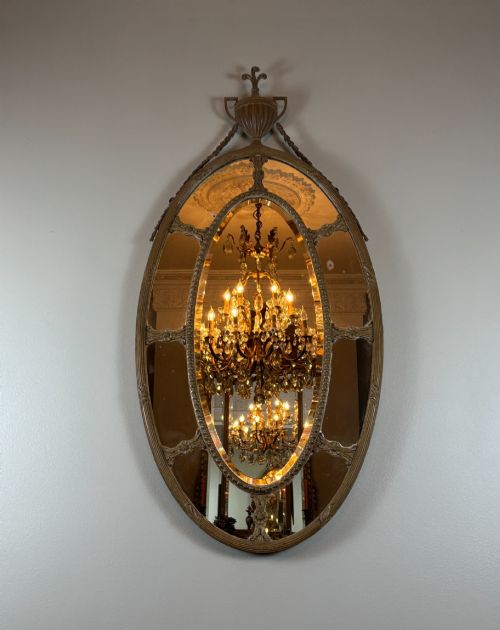
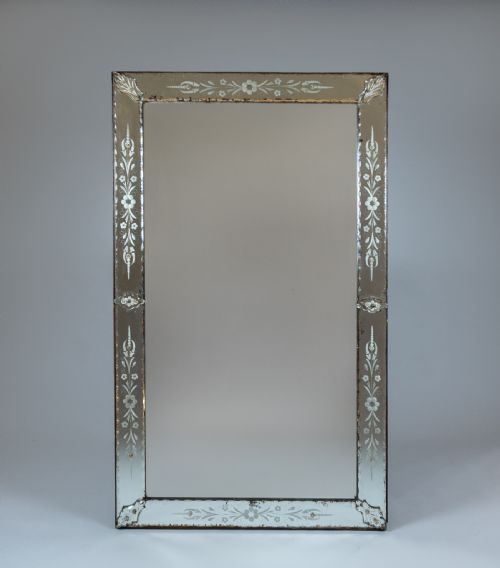
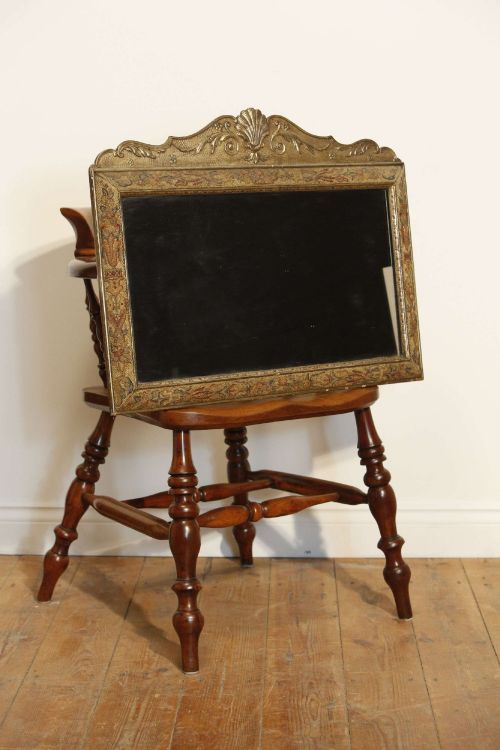
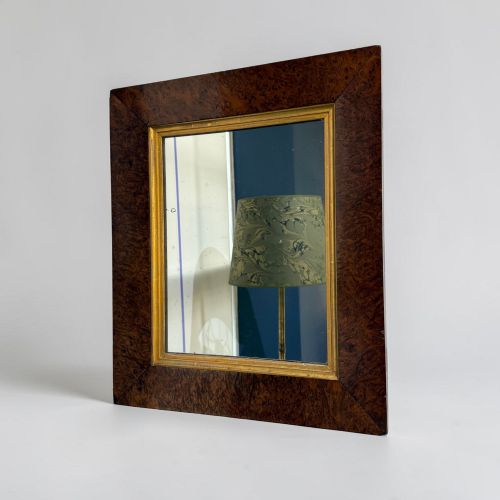
When you search for a victorian border mirror, you encounter a selection of nineteenth-century wall mirrors, plateau mirrors, overmantel mirrors, and table centrepieces. These items date primarily from the Victorian period, with individual pieces recorded across the 1870s, 1880s, 1890s, and into the early twentieth century.
The forms vary from large oval border glass mirrors adorned with urns and swags to hall mirrors, pairs of gilt mirrors, and ebonised frames. You also find specialised pieces such as margin-edged blue glass mirrors, sorcerer type plateau mirrors, and walnut overmantel mirrors decorated with Tunbridge wear.
How they were made
Makers utilised glass and mirror glass alongside wooden frames shaped from burr walnut and ebonised wood. Giltwood, gilt wood, and composition surfaces were finished with gold leaf to catch the light.
Techniques combined traditional cabinet making with decorative overlay, seen in parcel gilt finishes, margin-edged glass plates, and intricate Tunbridge wear inlay set into walnut timber.
Victorian Border Mirror Retail Price Guide 2026
Typical asking prices for victorian border mirror among the pieces listed under this phrase on Sellingantiques today, from the lower quarter to the upper quarter. They describe what is for sale here now, not the wider market.
Materials documented across the selection include glass, giltwood, composition, ebonised wood, burr walnut, and gold leaf.
What varies in quality
Quality rests in the execution of the frame details and the depth of the gilding, distinguishing simple utilitarian items from richly ornamented pieces carrying urns and swags. The integrity of the original mirror glass and the precision of decorative elements like Tunbridge wear determine the distinction between standard production and finer examples.
Stylistic variation also plays a role, moving from plain nineteenth-century wall frames to sophisticated Aesthetic Movement, Rococo Revival, and Napoleon III designs.
The Victorian Border Mirror Glossary
- Border mirror
- A wall or table looking glass featuring decorative perimeter work, margin plates, or embellished frames that surround the central reflective surface.
- Giltwood
- Timber that has been coated with a thin layer of gold leaf or gold paint, frequently seen on nineteenth-century frames.
- Overmantel mirror
- A large wall mirror designed specifically to be hung on the chimney breast directly above a fireplace mantel.
- Plateau mirror
- A mirrored tray or table centrepiece utilised in the nineteenth century for displaying ornaments or holding tableware.
- Tunbridge wear
- A form of intricate mosaic woodwork utilising tiny blocks of naturally coloured woods to create geometric or pictorial designs.
Victorian Border Mirror: Frequently Asked Questions
What is a Victorian border mirror?
A Victorian border mirror is a nineteenth-century reflective glass piece featuring an ornamented frame or margin details. These objects encompass wall-hung items, overmantel designs, and plateau mirrors.
They serve both functional and decorative purposes, utilising materials such as giltwood, ebonised wood, and burr walnut to enhance interior light.
Where were these mirrors placed?
These mirrors were positioned in principal rooms such as hallways, parlours, and above fireplaces. Overmantel versions anchored the chimney breast, while table plateau mirrors sat on dining surfaces.
Their reflective properties maximised natural daylight in Victorian interiors before the widespread availability of electric lighting.
How do I identify a plateau mirror?
A plateau mirror is typically a low, horizontal glass surface framed in silver plate or wood, designed to sit flat on a table. They often functioned as centrepieces for displaying decorative objects.
Examples from this era include sorcerer type plateaux and antique silver-plated table pieces dating to the late nineteenth century.
What styles are common?
The inventory displays several distinct nineteenth-century aesthetics, including Victorian Neoclassical, Aesthetic Movement, Napoleon III, and Rococo Revival. These styles influence the frame profiles and ornament choices.
Details range from restrained parcel gilt surfaces to elaborate creations featuring urns, swags, and cobalt blue margin-edged glass.