






Victorian Blown Glass Pitcher
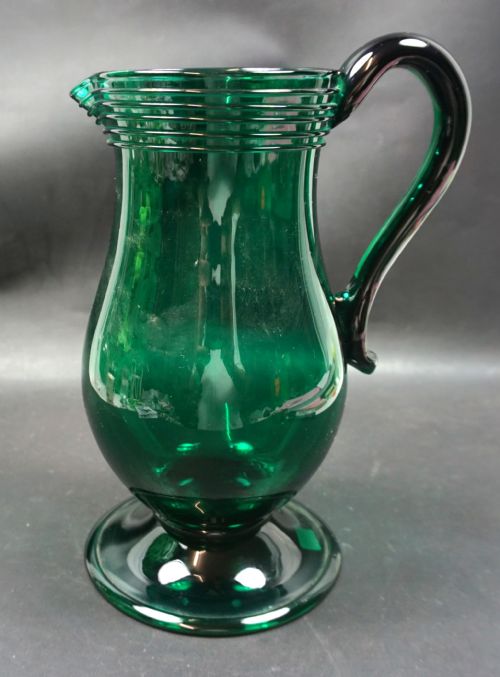
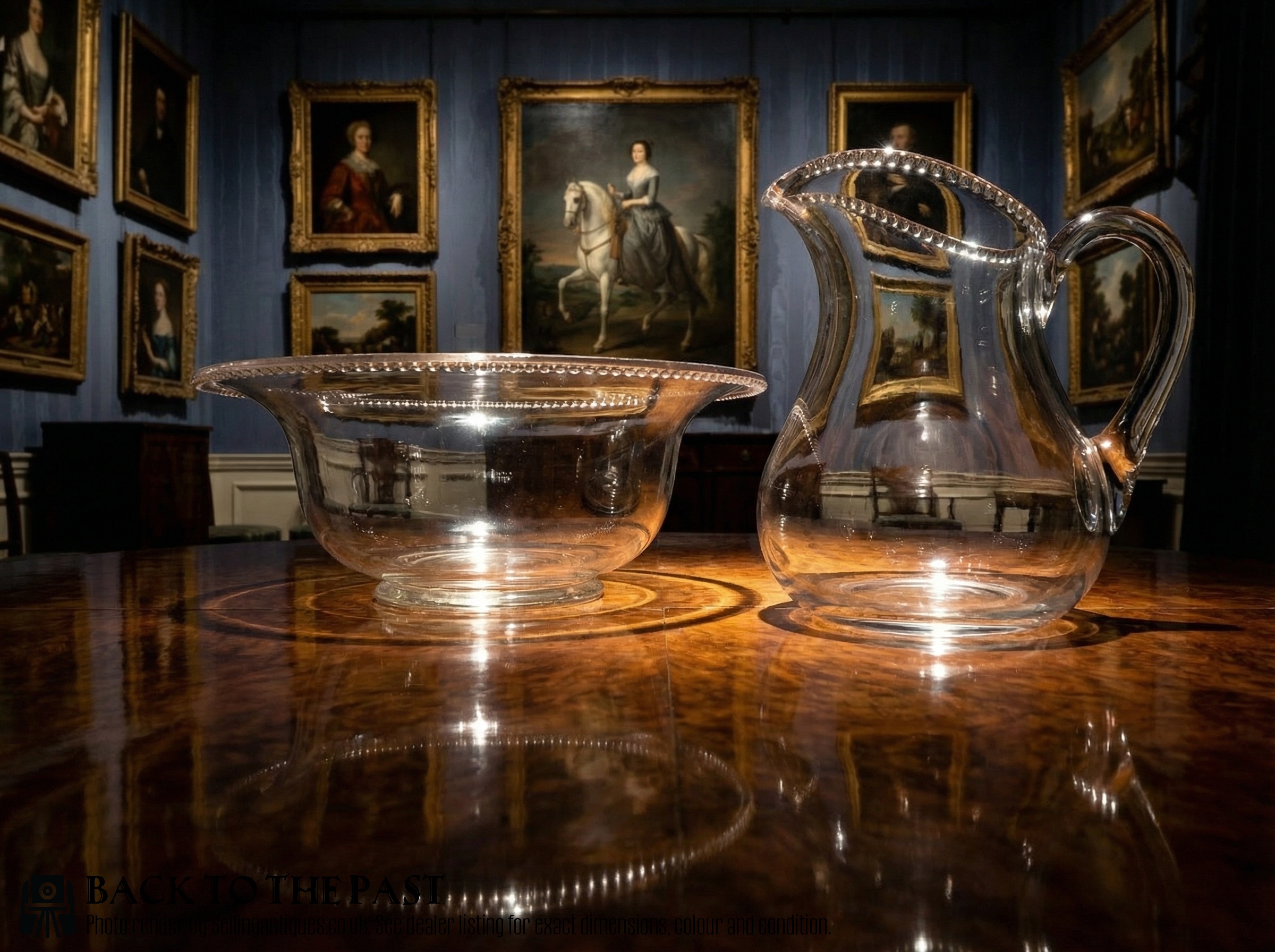
A victorian blown glass pitcher brings rich colour and tactile handled form to the table, fashioned by master blowers across the nineteenth and early twentieth centuries.
Victorian Blown Glass Pitcher
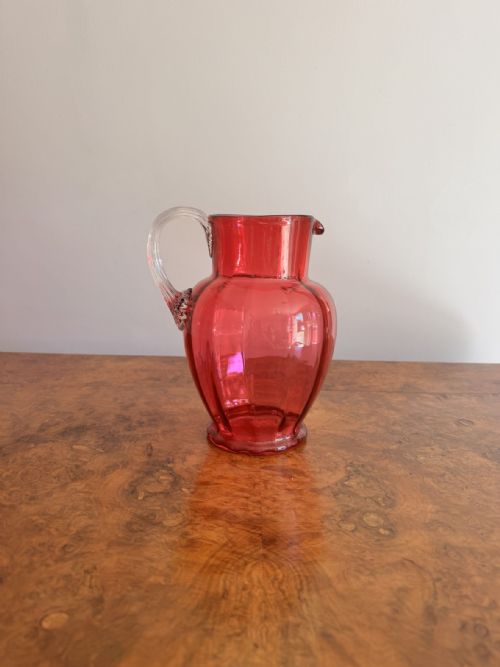
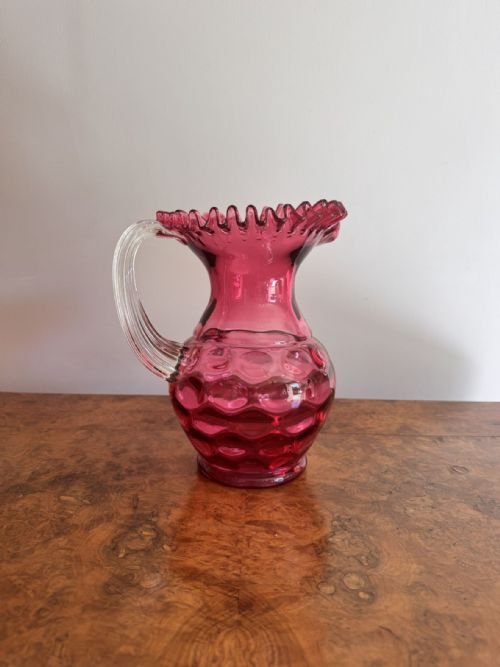
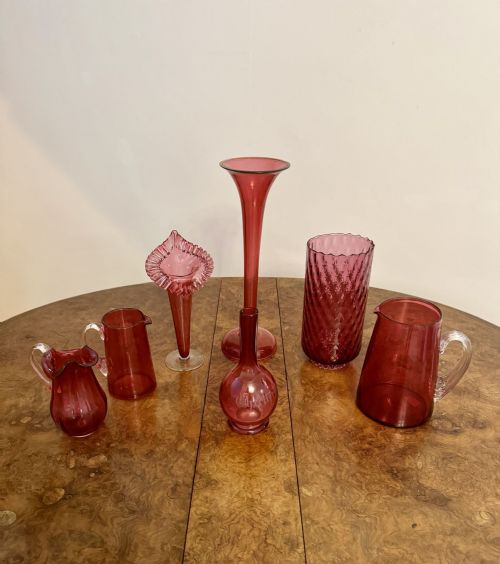
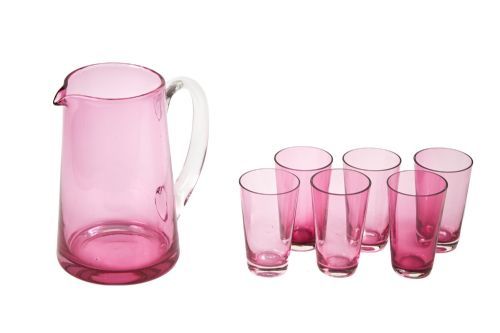
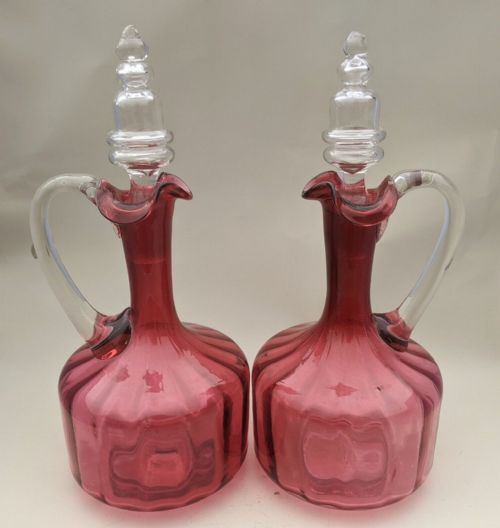
A victorian blown glass pitcher encompasses pouring vessels, ewers, jugs, and claret decanters created primarily during the nineteenth century and the Edwardian era. These pieces frequently emerge in vibrant cranberry glass, deep green, violet, and amber hues, often accompanied by matching glasses or bowls.
The forms range from large utility jugs with folded feet and trail rims to ornate display ewers shaped with applied decoration. Originating from British, French, Italian, Bohemian, and Scandinavian workshops, these items serve as both functional drinkware and decorative glassware collections.
Materials and construction
Master artisans shaped these vessels freehand or into moulds using molten clear and coloured glass, frequently incorporating gold salt additives to achieve rich cranberry tones. Molten threads were then trailed around rims or handles while hot to add structural contrast and texture.
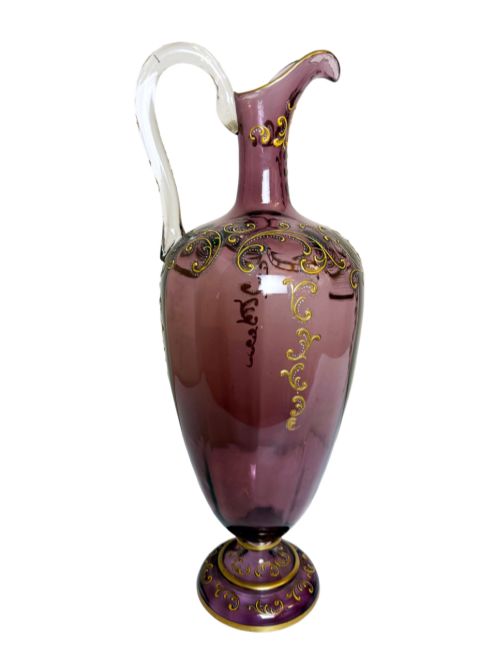
Surface ornamentation involved hand-painted enamel, intricate gilt applique, white glass latticinio canes, and delicate white piping. Artisans also applied gold leaf highlights and featured Mary Gregory style white enamel silhouettes depicting figures in landscapes.
Victorian Blown Glass Pitcher Retail Price Guide 2026
Typical asking prices for victorian blown glass pitcher among the pieces listed under this phrase on Sellingantiques today, from the lower quarter to the upper quarter. They describe what is for sale here now, not the wider market.
Materials recorded on this page include clear glass, cranberry glass, amber glass, green glass, enamel, gold leaf, and gold salt additive.
Determining quality in blown glass
The distinction between standard utility ware and finer pieces rests in the dexterity of the glassblower and the crispness of the applied details. Superior examples exhibit balanced vessel proportions, even wall thickness, and expertly applied handles that integrate seamlessly with the body.
Artistic execution dictates overall merit, particularly in the precision of hand-painted enamel foliage, the intricacy of gilt applique, and the clarity of coloured glass. Pieces featuring complex multi-step techniques like latticinio threads or figural Mary Gregory enamel work command greater attention.
Baccarat
The Victorian Blown Glass Pitcher Glossary
- Ewer
- A large jug with a wide spout and a decorative handle, historically used for pouring water or wine at the table. These vessels often feature footed bases and elaborate applied rims.
- Latticinio
- A decorative technique involving opaque white glass threads encased within clear glass, creating intricate woven or striped patterns. This method requires considerable skill from the glassblower.
- Mary Gregory glass
- Glassware decorated with a distinct white enamel silhouette depicting a child in a natural setting. The style gained popularity during the Victorian period.
- Trail rim
- A decorative glass thread applied molten around the lip or body of a vessel. This technique adds both tactile grip and visual contrast to the piece.
- Gilt applique
- Applied surface decoration using gold leaf or gold paint to form floral or geometric patterns. It reflects light and highlights the contours of the blown vessel.
Victorian Blown Glass Pitcher: Frequently Asked Questions
How do I clean an antique glass pitcher?
Wash these delicate vessels by hand using warm water and mild soap, avoiding abrasive sponges that might damage enamel or gilt work.
Dry them immediately with a soft lint-free cloth to prevent water spots on the vintage glass surface.
Were these pitchers used for wine or water?
Many examples served as claret jugs, wine decanters, or water pitchers depending on their size and whether they included stoppers.
Smaller variants often functioned as cream jugs or formed part of larger drinkware sets with matching glasses.
How can I tell a Victorian piece from an Edwardian one?
Victorian examples frequently showcase deep cranberry hues, heavy gilt work, and detailed enamel painting typical of the nineteenth century.
Edwardian pieces often lean towards simpler silhouettes and refined crystal forms reflecting early twentieth-century tastes.