





Victorian Black Forest Inkstand
A Victorian Black Forest inkstand is a carved wooden desk accessory depicting animals, prized for its intricate detail and practicality.
Victorian Black Forest Inkstand
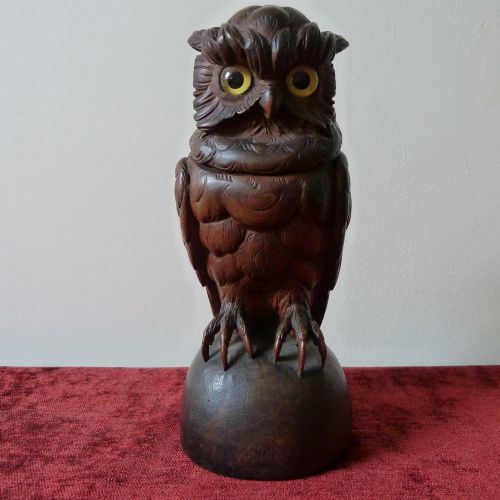
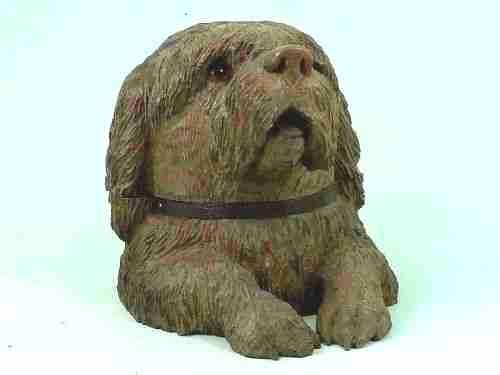
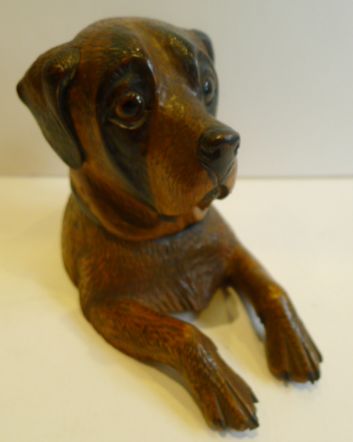
A Victorian Black Forest inkstand is a carved wooden desk accessory that typically takes the form of animals such as dogs, cats, bears, owls, and eagles. These pieces function as inkwells and desk tidies, serving as both ornamental objects and practical stationery containers for the nineteenth-century desk.
The versions most commonly met on this page date from the late nineteenth century, specifically spanning the decades around eighteen eighty to nineteen hundred. They are characterised by realistic animal figures paired with wooden stands, logs, or boots to hold glass inkwells.
Originating from the carving traditions associated with the Swiss Black Forest region, these desk accessories capture the naturalistic aesthetic popular during the Victorian period. They combine sculpture with utility, making them distinct examples of nineteenth-century desk furniture.
How they were made
These items are constructed primarily from carved wood, specifically utilising linden wood and lime wood for their fine grain and suitability for detailed hand carving. Artisans shaped the wood to form realistic animal subjects, incorporating natural textures for fur and feathers.
Fitted elements such as brass chains and glass liners complete the construction, providing the functional components necessary to hold ink safely within the wooden housing. Leather elements occasionally appear in the broader desk accessories associated with these stands.
Several cats wear tiny boots while guarding the ink.
What varies in quality
The distinction between tiers of the range lies in the depth and naturalism of the hand carving across the animal figures. Finer examples display meticulous attention to anatomical detail in subjects like dogs, bears, and birds, whereas simpler pieces show broader, less defined tool marks.
Scale and composition also differentiate the pieces, with larger figural groups and novelty forms commanding greater visual presence than single, straightforward inkwells. The integration of the glass inkwell and the preservation of the carved wooden surfaces determine the overall integrity of the piece.
Maison F. Mack
The Victorian Black Forest Inkstand Glossary
- Inkstand
- A fitted tray or stand designed to hold one or more inkwells along with pens and other writing utensils. It forms the main base for the carved animal figures.
- Desk Tidy
- A compartmented desk accessory used for organising small stationery items. These often incorporate inkwells alongside space for stamps or nibs.
- Linden Wood
- A pale, soft wood commonly utilised for intricate carving due to its even texture. It is the primary material for the figural animals.
- Figural
- Representing a human or animal form in sculpture. These inkstands use figural animal carvings as their main decorative feature.
Victorian Black Forest Inkstand: Frequently Asked Questions
What animals appear on these inkstands?
The pieces frequently depict dogs such as terriers and St. Bernards, alongside cats, bears, owls, and eagles.
These subjects reflect the naturalistic focus of the carving tradition.
How were these inkstands used?
They sat on nineteenth-century desks to hold liquid ink securely within fitted glass liners.
The hinged lids and carved stands kept the workspace tidy while providing a decorative motif.
What materials make up these pieces?
Carved linden wood or lime wood forms the main animal figures and stands.
Glass provides the removable ink reservoir, while brass chain often secures the lids.
How do I date these items?
Dates typically range from the eighteen eighties to nineteen hundred during the Victorian era.
Style, carving depth, and associated maker attributions help place them in this period.