


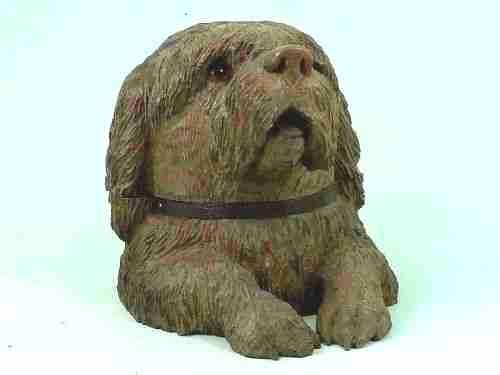
Victorian Black Forest Box
These Victorian black forest box examples bring remarkable carved animal forms and rich wood grain into any room.
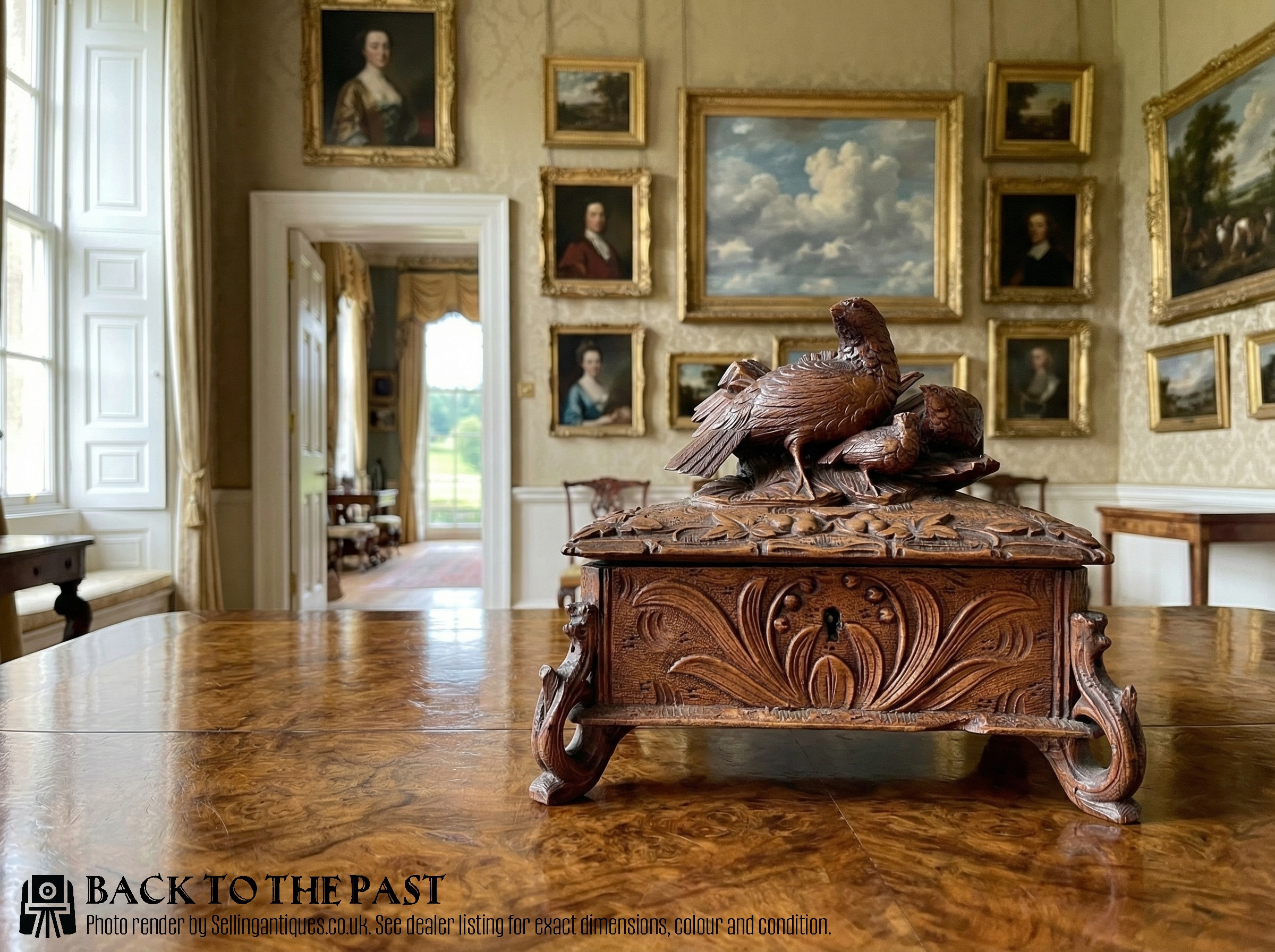
Victorian Black Forest Box
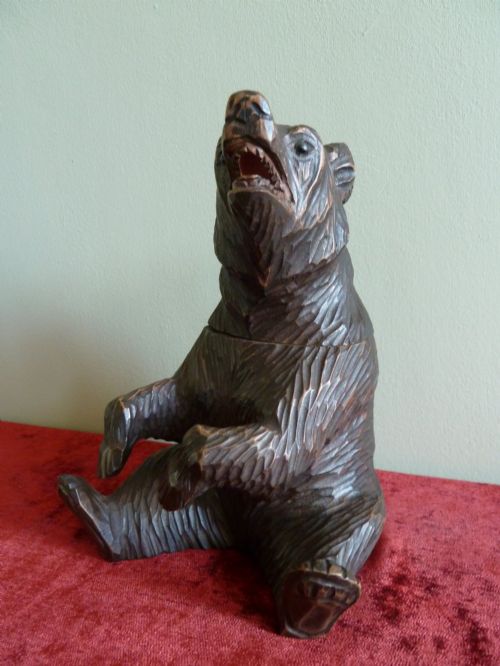
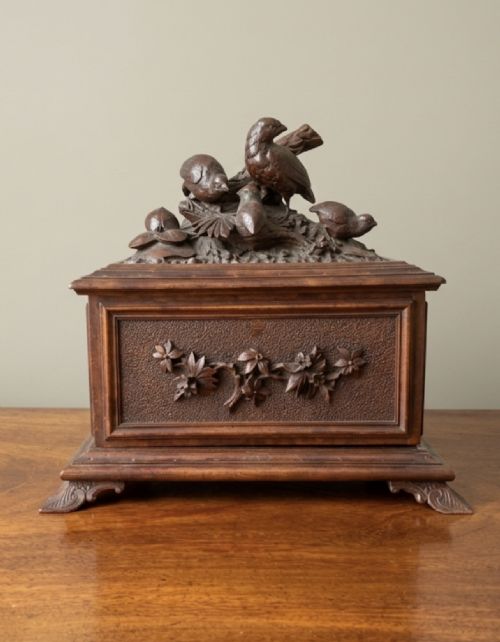
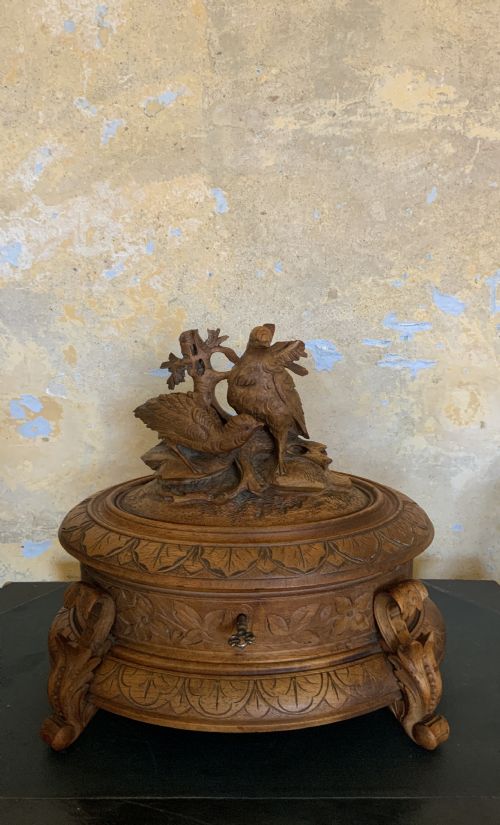
A Victorian black forest box displays intricate carving, most commonly depicting bears, dogs, or woodland foliage in deep relief. These pieces originate from the nineteenth century, often reflecting Swiss folk art traditions tied to the mountains.
Buyers will encounter various forms on this page, including humidors, jewellery boxes, tobacco jars, and caskets. Many pieces utilise walnut or linden wood, shaped to serve practical storage functions while doubling as sculptural desk ornaments or table centrepieces.
The style merges rustic Swiss carving with Victorian decorative demands, resulting in hinged wooden containers designed to hold cigars, trinkets, or playing cards. Animal subjects dominate the selection, capturing realistic textures in fur and expression.
Materials and Carving Techniques
Carvers shaped these items primarily from solid walnut and linden wood, prized for their ability to hold fine detail under chisels and gouges. Artisans applied dark stains to enhance the depth of the carved fur, foliage, and architectural motifs.
Many examples incorporate wood inlay and marquetry, contrasting lighter and darker timbers on flat lid surfaces or box bodies. Metal hinges, brass locks, and occasional glass elements complete the construction of functional caskets and tobacco jars.
Listings span the nineteenth and early twentieth centuries, predominantly featuring carved wood, walnut, and linden wood forms.
Assessing Craftsmanship and Proportion
Superior examples separate themselves through the anatomical accuracy and expressive depth of the carved animals, such as bears or terriers. Master carvers achieved realistic fur textures and lifelike poses that lesser workshops missed.
The choice of timber and the precision of the joinery define the upper tier of these pieces. Finely figured walnut and crisp, deep relief work distinguish exceptional caskets from simpler, more rigid production items.
The Victorian Black Forest Box Glossary
- Black Forest
- A style of wood carving originating from central Europe, particularly Switzerland, famous for realistic animal and foliage motifs. Pieces often take the form of bears, dogs, or woodland boxes.
- Humidor
- A specialised box designed to store cigars at a consistent humidity. These often feature carved animal figures on the lid.
- Marquetry
- The art of applying small pieces of veneer to a structure to form decorative patterns. This technique appears on the flat surfaces of various boxes and chairs.
- Linden wood
- A pale, fine-grained timber favored by carvers for its softness and lack of splintering. It allows for intricate, deep relief work.
- Casket
- A decorative box or small chest used for storing valuables, jewellery, or documents. Many are fitted with hinged lids and lined interiors.
Victorian Black Forest Box: Frequently Asked Questions
What were these carved boxes used for?
Victorian carvers designed these containers to hold tobacco, cigars, jewellery, or playing cards securely on desks and side tables. They functioned as both practical storage and striking sculptural ornaments for the home.
Wealthy households displayed them in smoking rooms and parlors to impress guests with their detailed depiction of wildlife and woodland scenes.
How should I care for wooden boxes?
Keep wooden caskets away from direct sunlight and sudden temperature changes to prevent the timber from splitting or warping. Dust them gently with a dry, soft cloth rather than using harsh liquid polishes.
Maintaining a stable indoor climate preserves the fine details of the carved fur and the integrity of the original wood grain.
What timber was used most often?
Walnut and linden wood appear most frequently in these carvings because both timbers accept fine chisel work without splitting. Artisans selected them for their consistent grain and ability to take dark stains effectively.
These woods allowed carvers to render realistic textures in animal fur and natural foliage across the surface of each box.