
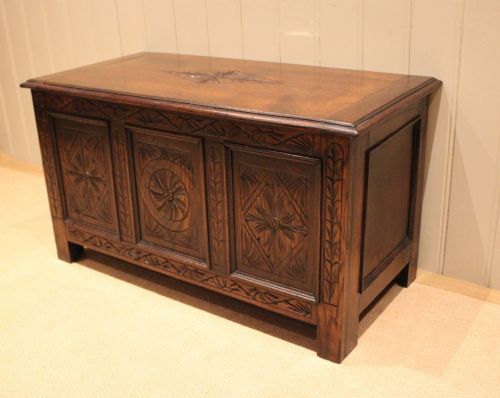
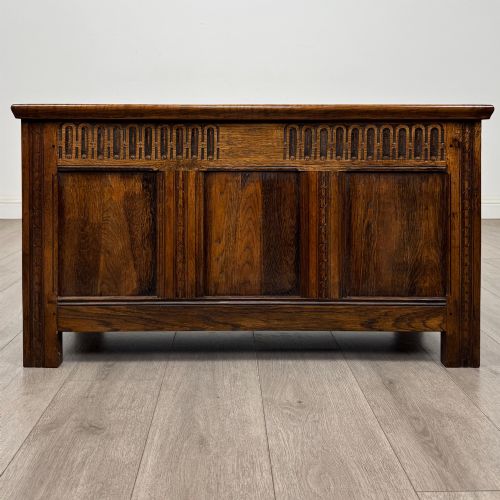


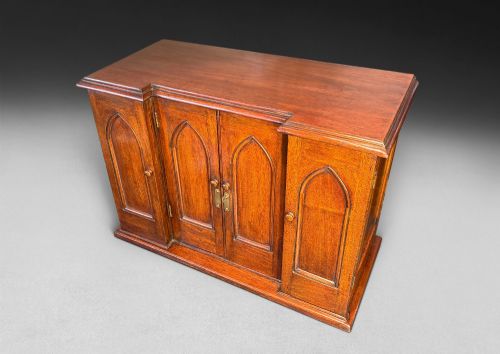
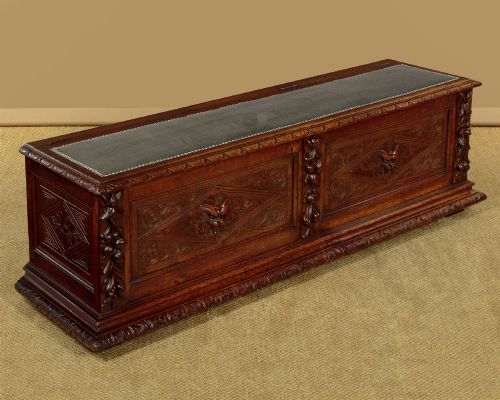
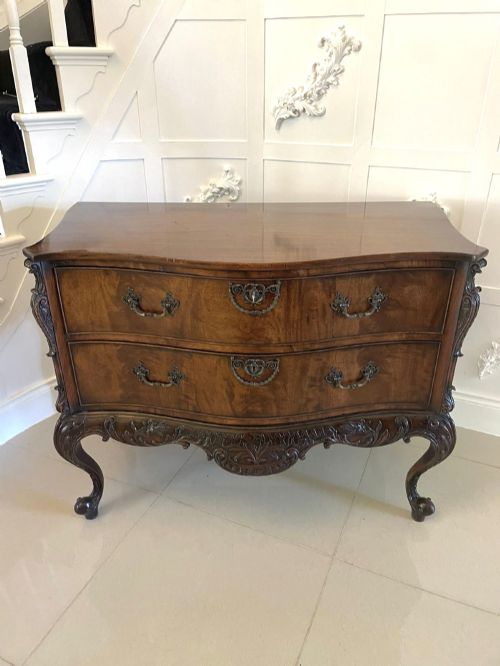
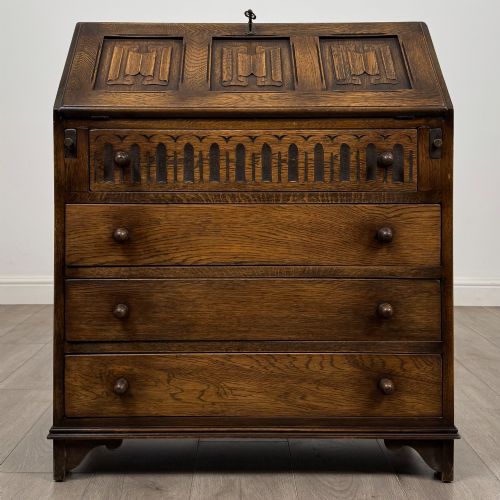
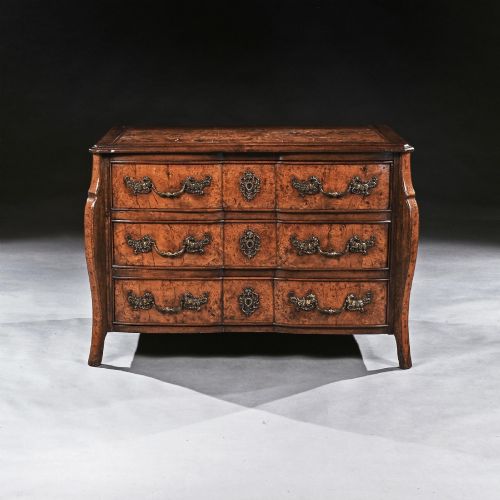
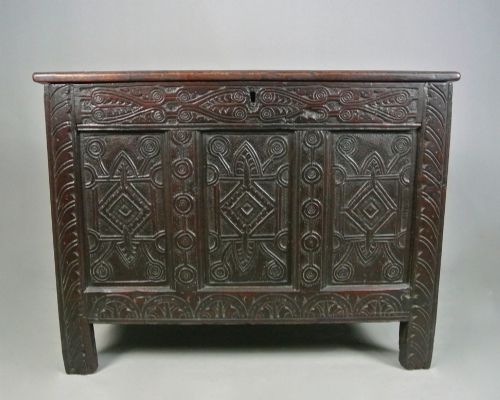
Carved Wood Chest
When you search for a carved wood chest, you meet centuries of craftsmanship designed to hold precious textiles and valuables.
Carved Wood Chest
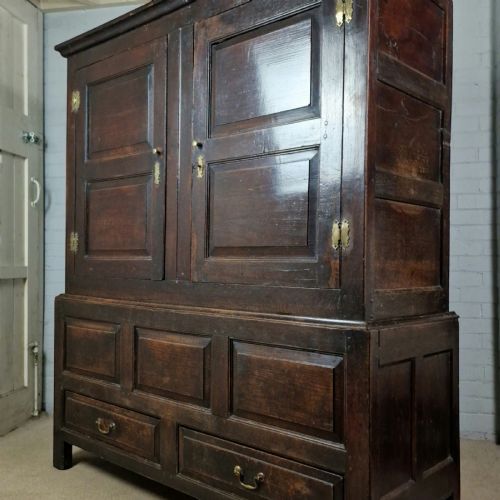
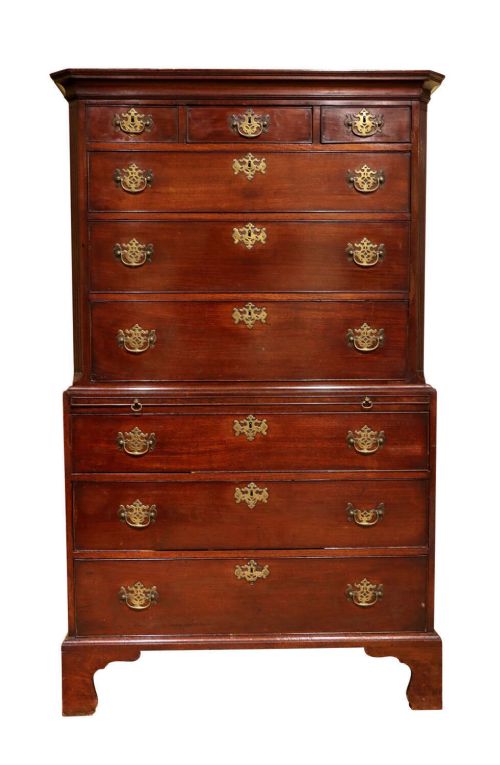
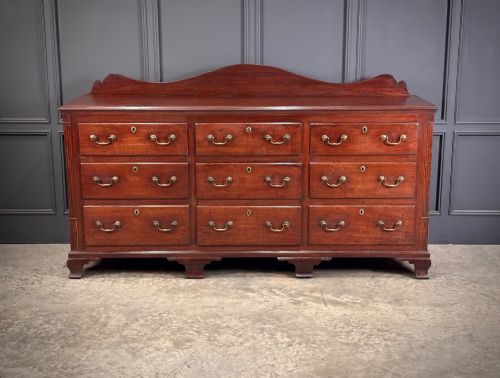
A carved wood chest serves as a domestic storage vessel for blankets, linen and personal possessions, evolving from simple seventeenth-century coffers into sophisticated nineteenth-century drawer units and nineteenth-century or twentieth-century camphor trunks.
The pieces appearing on this page span diverse geographical origins and stylistic revivals, including Jacobean, Georgian, Victorian, and French Provincial aesthetics.
Solid oak and camphor wood dominate the forms, reflecting domestic utility and trade histories across multiple centuries.
How They Were Made
Joiners and cabinetmakers utilised native and exotic timbers such as oak, mahogany, walnut, and camphor wood, employing heavy panel construction for early coffers and refined veneers for later chests of drawers.
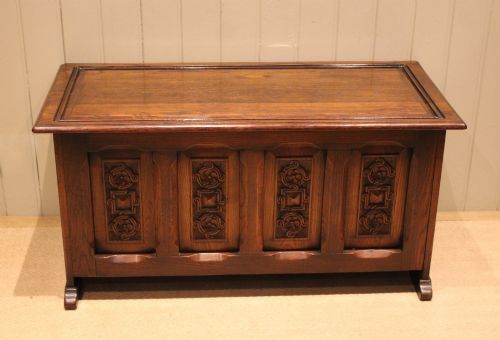
Surface ornamentation relied on manual chisel work, creating linenfold patterns, deep relief carvings, and inlaid mother of pearl.
Metal hardware including brass handles, iron straps, and secure hinges reinforced the wooden carcasses.
The forms span traditional blanket boxes, mule chests, apothecary cabinets, commodes, and oriental storage trunks.
What Varies in Quality
The distinction between standard domestic items and superior examples lies in the depth and precision of the manual carving, the choice of timber figures such as burr walnut or figured mahogany, and the integrity of the original joints.
Proportion and surface patina dictate distinction, where undisturbed natural finishes and crisp mouldings separate workshop masterworks from later vernacular utility pieces.
The Carved Wood Chest Glossary
- Coffer
- A heavy wooden storage chest, often with a hinged lid, used historically for valuables and documents before domestic wardrobes became common.
- Camphor wood
- An aromatic timber prized for oriental trunks because its natural scent protects stored textiles from insects.
- Linenfold
- A style of wood carving that mimics folded parchment or linen, popular on sixteenth and seventeenth-century panels.
- Serpentine
- A curved furniture front characterised by a convex centre flanked by concave sides, typical of finer Georgian and Victorian casework.
- Patina
- The surface sheen and mellowing developed by wood over centuries through handling, light exposure, and polishing.
Carved Wood Chest: Frequently Asked Questions
What were carved wood chests originally used for?
These vessels primarily stored valuable garments, household linens, and legal documents in domestic settings. Their sturdy construction also allowed them to double as seating benches.
In merchant and maritime contexts, specialised trunks protected clothing and cargo during long journeys across trade routes.
How do I date an antique wooden chest?
Examining the construction methods, tool marks, and timber species reveals the manufacturing era. Hand-cut dovetails, peg joinery, and specific regional carving styles point toward particular centuries.
Hardware elements like hinges and lock plates also provide reliable chronological markers for the piece.
Where should I place a chest in my home?
These pieces function well at the foot of a bed for blanket storage or as a focal coffee table in a living room. Their substantial tops and decorative carving anchor a room's layout.
Placement should avoid direct sunlight and heating vents to protect the historical timber from drying out.
How do I care for antique carved timber?
Maintaining the wood requires regular dusting with a dry cloth and occasional application of traditional beeswax to nourish the dry surface. Avoiding synthetic polishes preserves the original finish and patina.
Stable indoor humidity levels prevent the wood panels from splitting or warping over time.