

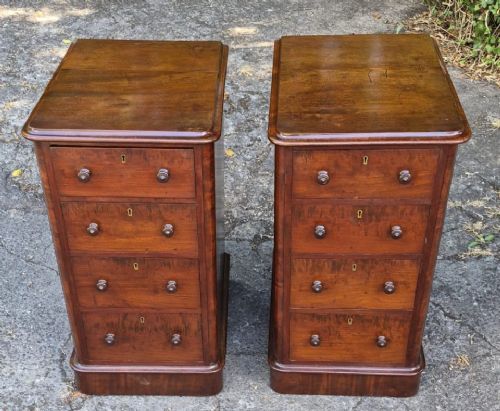
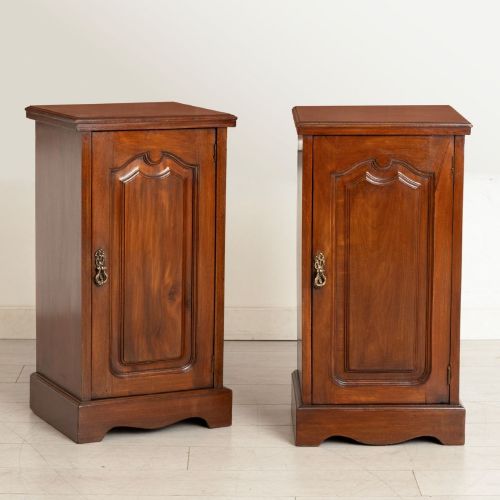
Victorian Bedside Cabinet
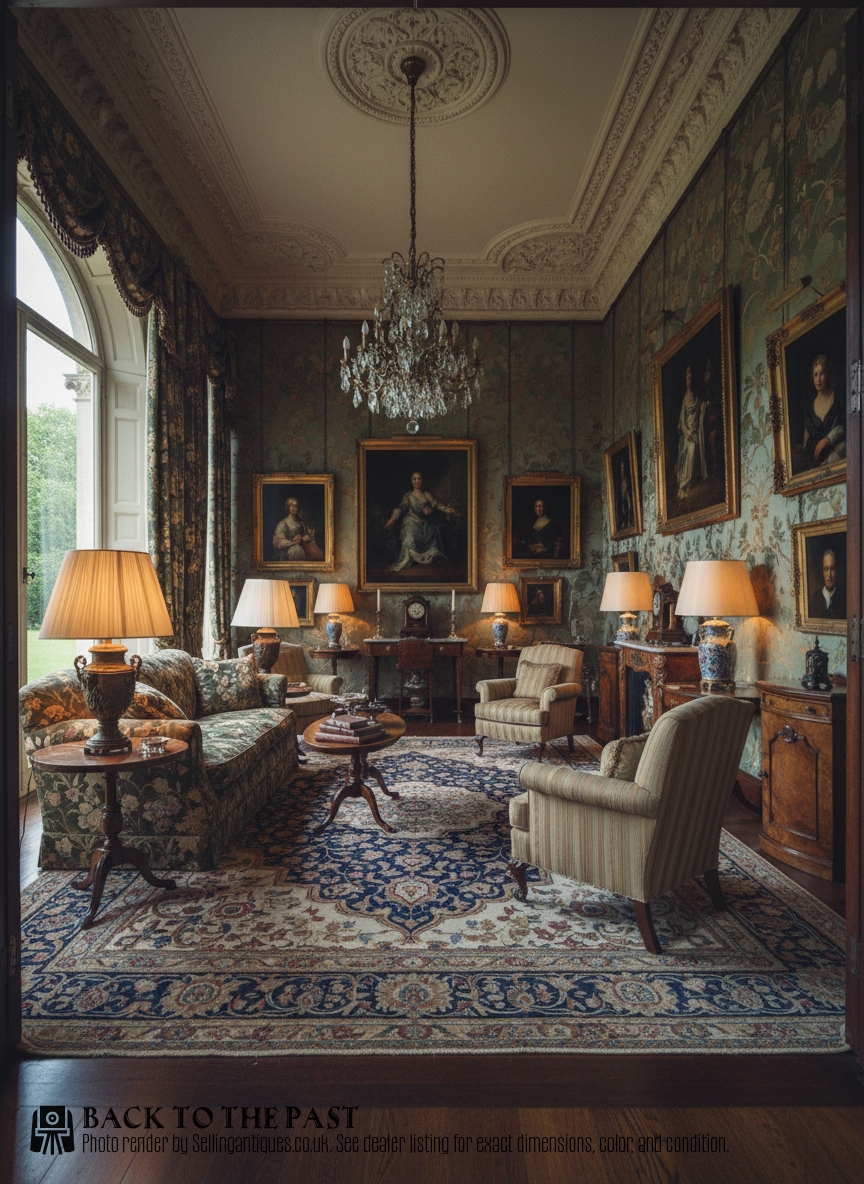
A victorian bedside cabinet provides practical bedside storage while anchoring a bedroom scheme with nineteenth-century timber and proportion.
Victorian Bedside Cabinet
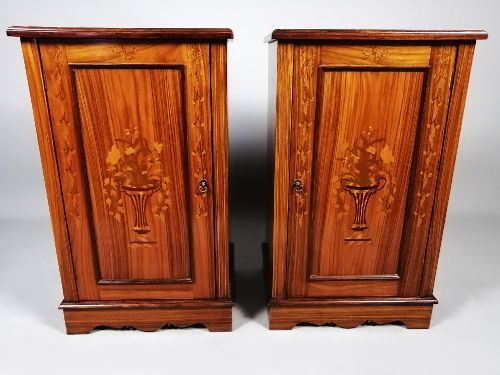
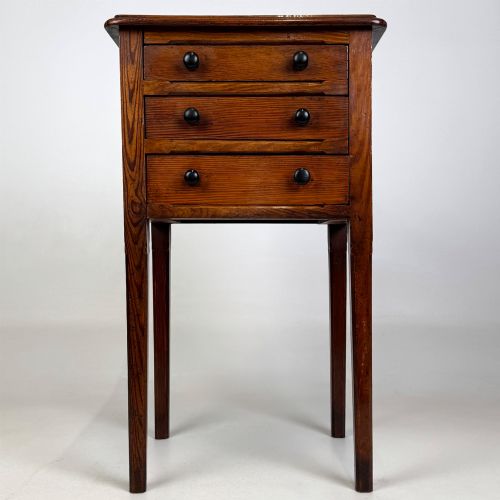
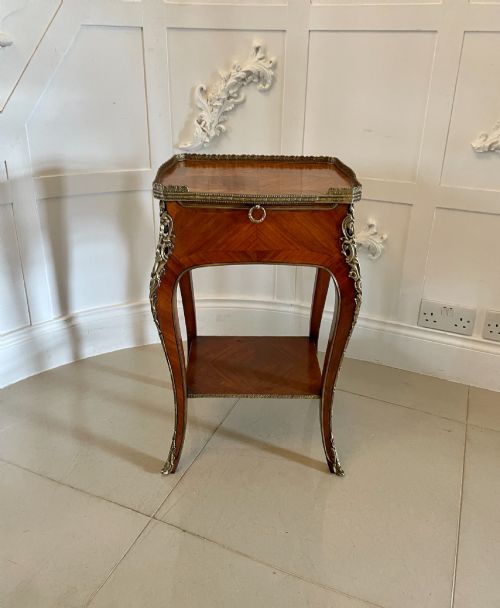
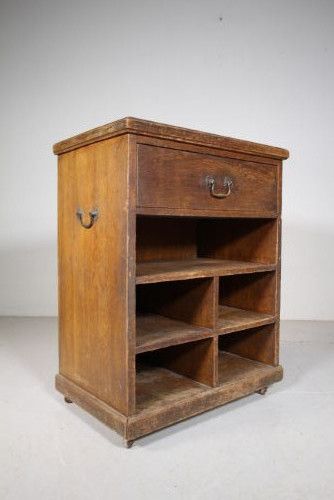
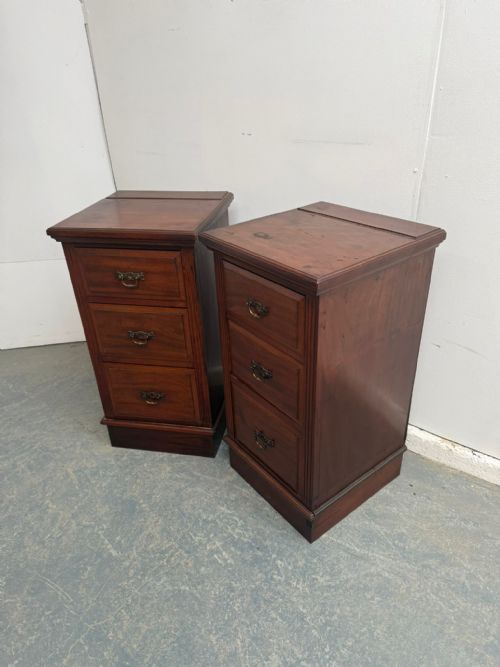
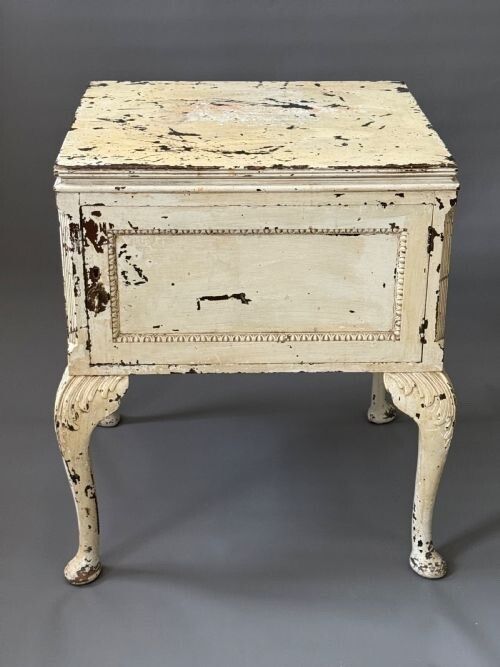
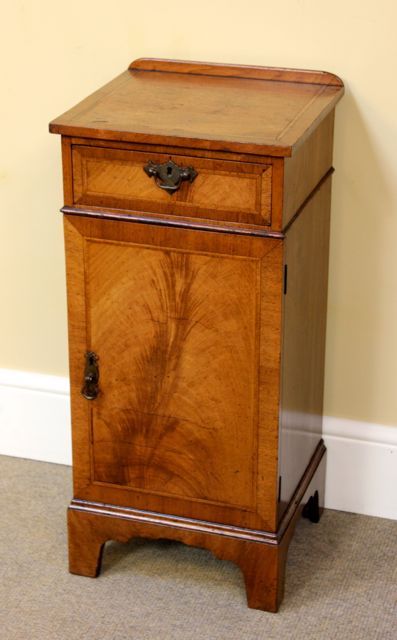
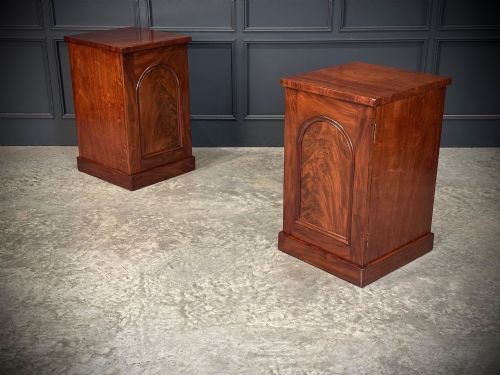
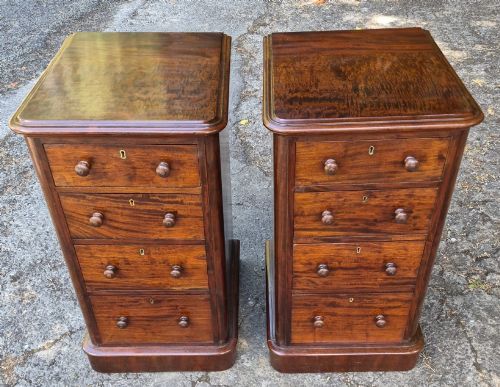
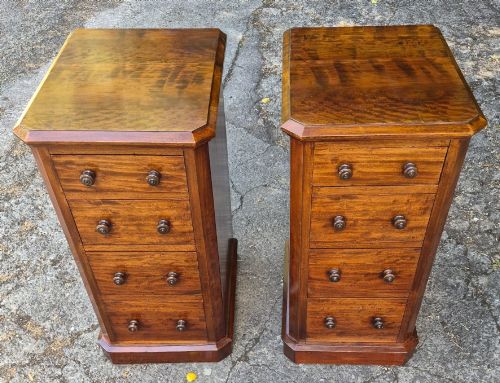
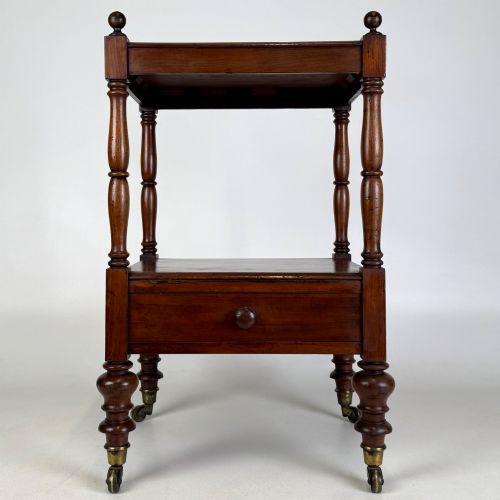
A victorian bedside cabinet encompasses single-door pot cupboards, multi-drawer chests, and open bedside tables originating across the nineteenth century.
The material palette spans dense mahogany and figured walnut alongside pine, oak, and occasional rosewood or marquetry pieces.
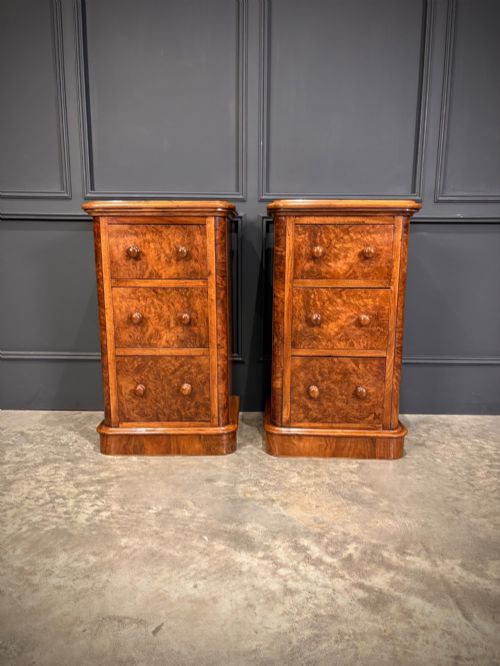
Makers responded to domestic needs with diverse formats, from modest pine cupboards to elaborate burr walnut chests with marble tops.
Materials and Construction
Cabinet makers utilised solid timbers like mahogany, walnut, and pine, frequently applying veneers of flame mahogany or burr walnut to primary surfaces.
Interiors and secondary structures often incorporated pine or oak, joined with traditional techniques suited to daily domestic service.
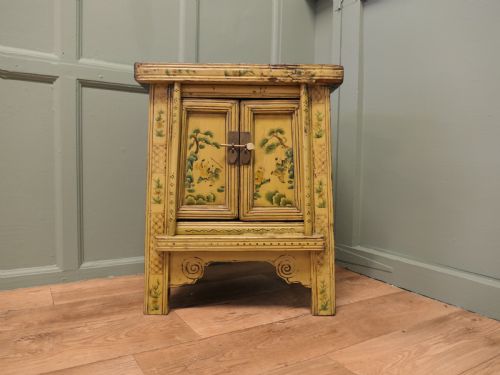
Surface detailing included brass hardware, marble inserts, hand-painted chinoiserie motifs, and inlaid marquetry panels.
Victorian Bedside Cabinet Retail Price Guide 2026
Typical asking prices for victorian bedside cabinet among the pieces listed under this phrase on Sellingantiques today, from the lower quarter to the upper quarter. They describe what is for sale here now, not the wider market.
Some nineteenth-century bedside cabinets successfully concealed built-in household safes behind heavy panelled mahogany doors.
Evaluating Standards
Quality rests in the selection of timber figures, such as matched flame mahogany or rich burr walnut, rather than plain stock.
Construction integrity separates standard utility pieces from workshop productions, evident in tight drawer dovetails and stable panel joints.
Refined detailing like integrated marble tops, ormolu mounts, or intricate marquetry elevate specific examples above plain pine or oak utility cupboards.
Warings Liverpool·Shoolbred & Co·Trapnell & Gane·Waring & Gillows
The Victorian Bedside Cabinet Glossary
- Pot cupboard
- A small bedside cabinet originally designed to house a chamber pot behind a single panelled door. These compact units frequently feature a small shelf or compartment inside.
- Burr walnut
- A highly decorative timber veneer taken from the knotted growth of a walnut tree. It produces swirling, complex grain patterns prized by nineteenth-century cabinet makers.
- Wellington chest
- A tall, narrow chest of drawers secured by a hinged vertical locking stile on one side. This form occasionally appears scaled down for bedside use.
- Marquetry
- The art of applying thin pieces of wood veneer to a structure to form decorative patterns or pictures. Floral and geometric motifs frequently appear on late nineteenth-century surfaces.
- Ormolu
- Gilt bronze ornamentation applied to furniture mounts and feet. This technique adds metallic contrast to rich cabinet woods like mahogany and kingwood.
Victorian Bedside Cabinet: Frequently Asked Questions
What is a pot cupboard?
A pot cupboard is a compact bedside cabinet featuring an enclosed lower compartment originally intended for a chamber pot.
These practical pieces usually combine a small drawer above the primary door, providing versatile storage for modern bedside use.
How do I spot a matched pair?
Matched pairs share identical timber grain, dimensions, hardware, and internal construction methods. Minor variations in hand-carved details or cabinet maker marks can indicate independent pieces brought together later.
Examining the drawer linings and backboards helps confirm whether two cabinets originated from the same workshop suite.
Are marble tops original?
Many nineteenth-century bedside cabinets incorporated inset marble slabs to provide a durable, wipe-clean surface resistant to water jugs and candlesticks.
White or veined marble tops were commonly paired with walnut and mahogany carcases, though some pine and oak variants also received stone surfaces.
How do I care for nineteenth-century timber?
Traditional wax finishes require occasional feeding with beeswax to nourish the wood and maintain a soft sheen. Avoid placing cabinets near direct heat sources or strong sunlight to prevent timber shrinkage and veneer lifting.
Gentle dusting with a dry cloth keeps the surface secure without stripping historical patination.