



Victorian Bedroom Set
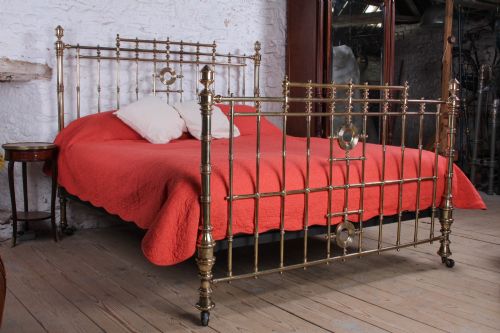
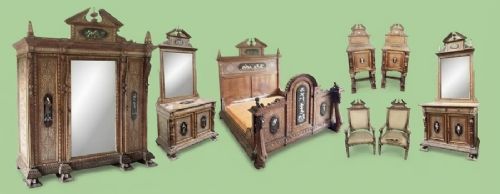
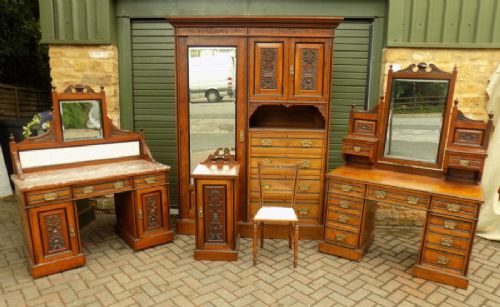
A victorian bedroom set offers matching furniture designed for nineteenth-century sleeping quarters, providing cohesive domestic comfort.
Victorian Bedroom Set
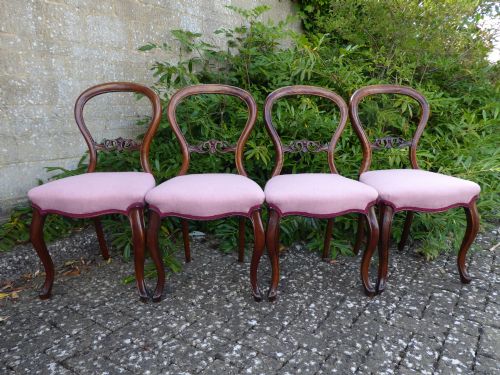
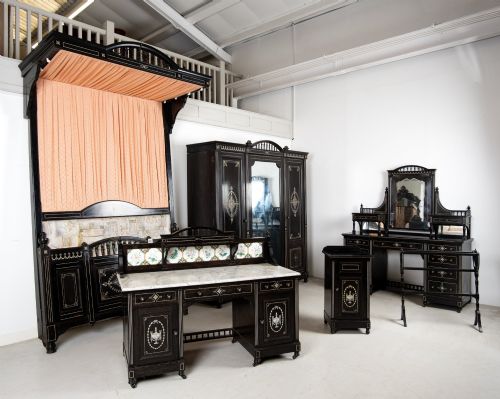
When buyers search for a victorian bedroom set, they encounter multi-piece suites designed for private quarters, often including wardrobes, bedside cabinets, and matching chairs. These groupings frequently incorporate walnut, mahogany, or ebonised wood constructed during the nineteenth century.
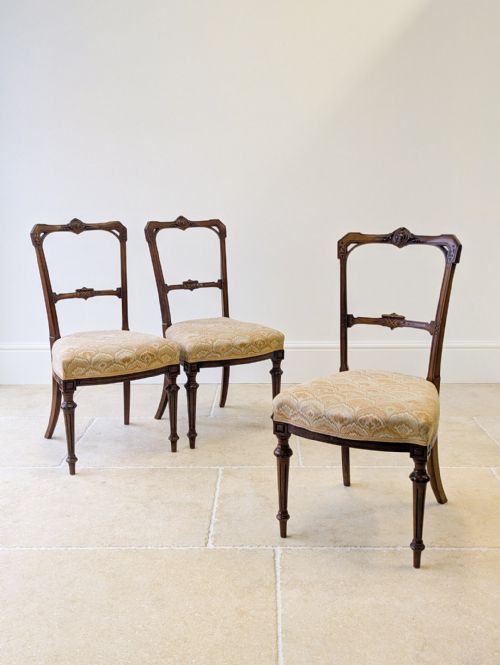
The selections available span from large multi-piece suites to smaller groupings of bedroom chairs and wash jug and bowl sets. Pieces emerge from the Victorian period alongside related nineteenth-century revivals, reflecting the domestic tastes of the era.
Materials and construction methods
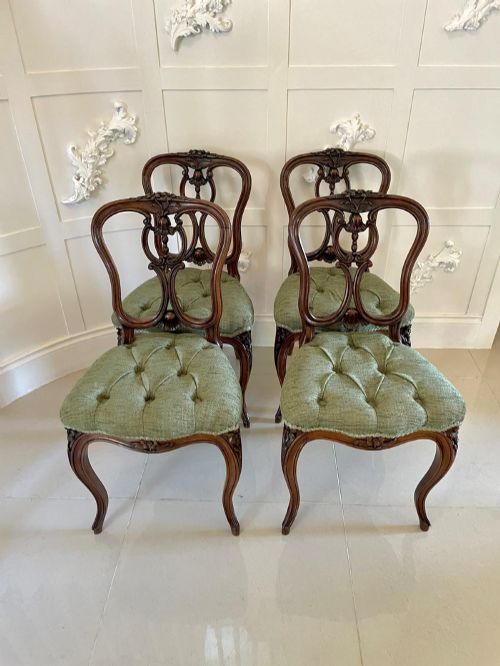
Cabinet makers utilised dense hardwoods such as walnut, mahogany, and ash, often incorporating burr veneers or marquetry inlay to enrich the visible surfaces. Brass fittings and marble tops appear on functional pieces like wash stands and bedside cabinets.
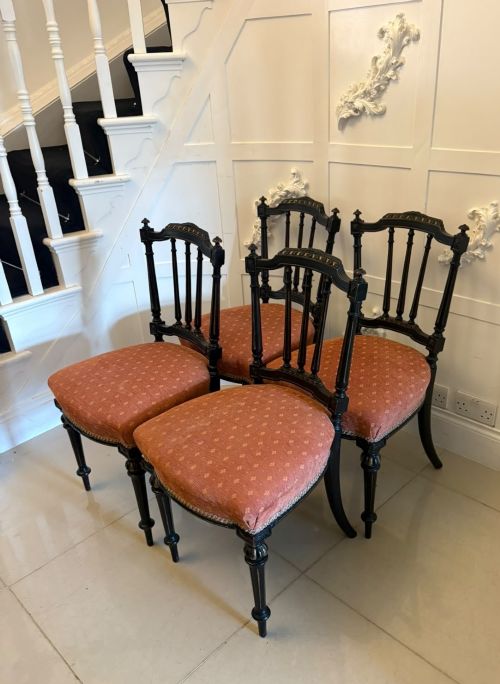
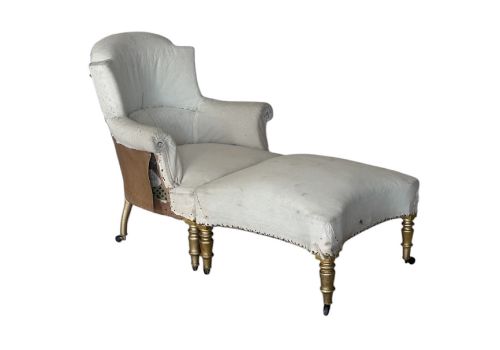
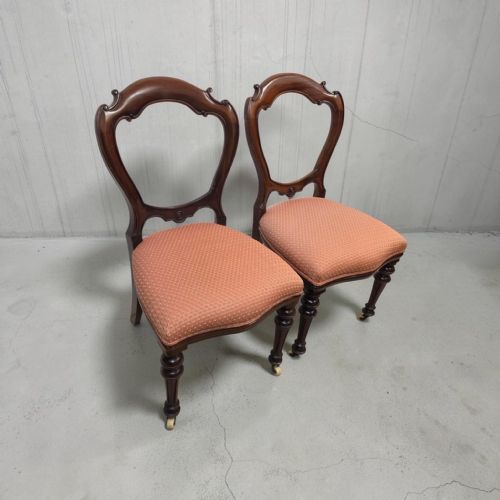
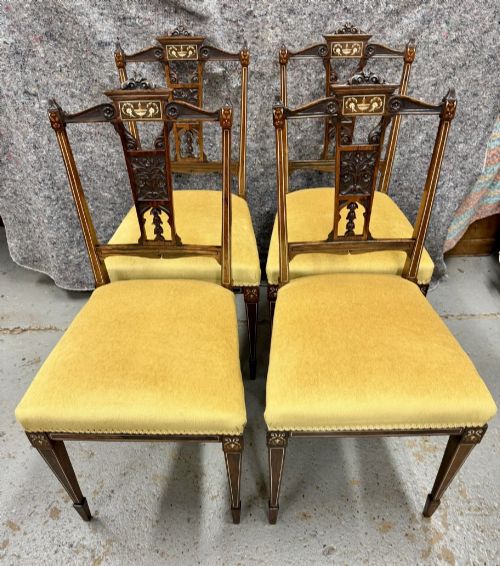
Seating components utilise turned or carved solid timber frameworks, sometimes ebonised or gilded, paired with fabric upholstery. Craftspeople employed traditional joinery techniques to construct durable furniture intended for daily household use.
Victorian Bedroom Set Retail Price Guide 2026
Typical asking prices for victorian bedroom set among the pieces listed under this phrase on Sellingantiques today, from the lower quarter to the upper quarter. They describe what is for sale here now, not the wider market.
Several chairs imitate bamboo using carved wood, proving that Victorians loved botanical deception just as much as a sturdy wardrobe.
Distinctions in craftsmanship and design
Higher quality examples display intricate hand-carving, detailed marquetry inlay, and carefully selected figured walnut or mahogany veneers. Superior suites maintain a consistent design vocabulary across every included item, from large wardrobes to smaller bedside tables.
Maple and Co·Waring and Gillows·Doulton Burslem
The Victorian Bedroom Set Glossary
- Marquetry
- Decorative woodwork where pieces of veneer are fitted into a ground to form geometric or floral patterns. This technique frequently graces the panel doors of wardrobes and cabinet fronts.
- Ebonised
- Timber treated with a dark finish to imitate the appearance of ebony wood. Makers applied this treatment to chairs and suite components during the late nineteenth century.
- Balloon-back
- A chair design featuring an oval or loop-shaped backrest resembling a blown balloon. This form appears frequently among nineteenth-century bedroom and parlour seating.
- Inlay
- The insertion of contrasting materials into recessed areas of a timber base to create ornamentation. Master cabinet makers used this method to highlight drawer fronts and tabletops.
- Burr walnut
- Wood grain taken from a tree growth that produces swirling, mottled patterns. It was prized for luxury bedroom furniture surfaces.
Victorian Bedroom Set: Frequently Asked Questions
What pieces comprise a bedroom suite?
Complete suites typically encompass large furniture items such as wardrobes, bedside cabinets, and dressing tables designed to match in timber and style. Many collections also incorporate corresponding chairs built from the same materials.
Buyers occasionally find smaller groupings consisting solely of wash jugs, basins, and bedroom chairs. These matched collections provided nineteenth-century rooms with a unified decorative appearance.
How do I identify nineteenth-century pieces?
Authentic nineteenth-century furniture relies on dense timbers like mahogany, walnut, and pitch pine, often featuring hand-cut joinery and traditional upholstery methods. Examining the secondary woods inside drawers helps confirm the period.
Stylistic markers such as balloon backs, ebonised finishes, and marquetry inlay point toward Victorian manufacturing techniques. Comparing pieces against documented design styles of the era clarifies their origins.
Were wash jug sets used daily?
Jug and basin sets served a practical daily purpose in Victorian sleeping chambers before the widespread installation of indoor plumbing. Servants filled these ceramic vessels with water for morning washing.
Over time, these ceramic sets became decorative elements that matched the surrounding wood furniture in the room. They represent a distinct aspect of period domestic hygiene.
How do I care for wood surfaces?
Maintaining nineteenth-century wood requires regular dusting with a soft cloth and avoiding direct exposure to strong sunlight or excessive heat. Applying appropriate furniture wax preserves the finish without harming the historic patina.
Upholstered components benefit from gentle cleaning methods suited to the specific fabric type. Keeping indoor humidity stable prevents the timber and veneers from cracking.