






Victorian Washstand Tiles
Victorian washstand tiles are decorative elements of nineteenth-century bedroom furniture that bring period charm and practical ceramic surfaces to modern interiors.
Victorian Washstand Tiles
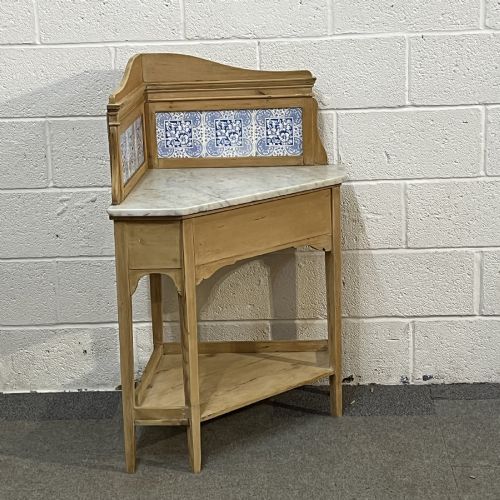
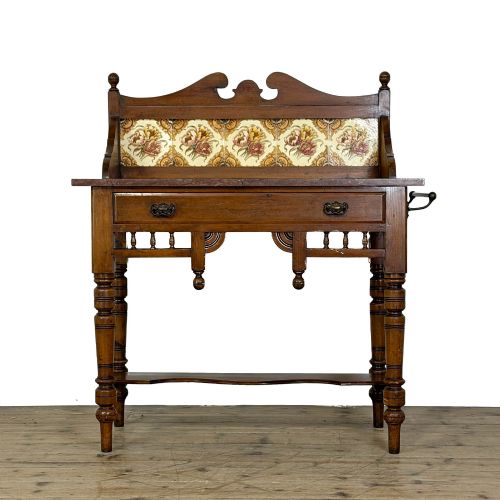
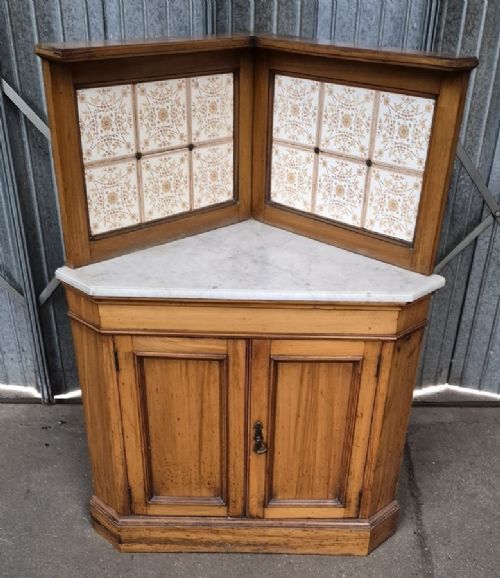
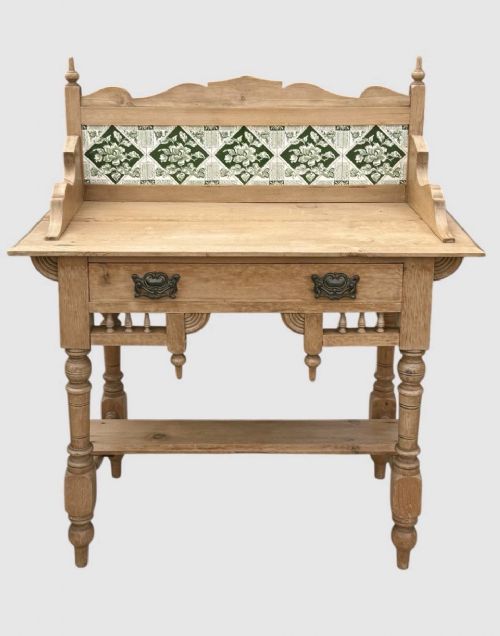
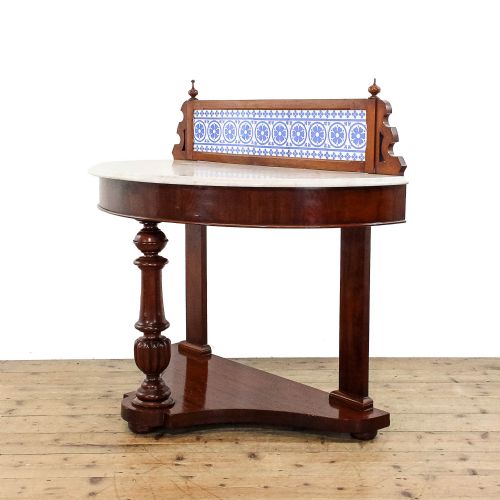
Victorian washstand tiles form part of nineteenth-century bedroom furniture designed for personal hygiene before plumbed bathrooms became standard. These ceramic panels protect wooden walls from splashes behind washbasins and typically appear as tile gallery backs on marble or pine washstands.
The pieces on this page span the Victorian and Edwardian periods, including items associated with the Aesthetic Movement and Arts and Crafts styles. They accompany washstands and bedroom tables constructed from walnut, mahogany, and painted or rustic pine.
Buyers encounter complete washstands equipped with marble tops and tiled splashbacks, as well as related bedroom pieces from the nineteenth century. The surviving examples demonstrate how functional domestic items incorporated decorative ceramic arts into daily life.
Materials and manufacture
Makers combined ceramic tiles with timber carcases of pine, walnut, and mahogany, frequently pairing these materials with marble counter tops. Brass hardware and glass elements occasionally complete the construction of these bathroom and bedroom cabinets.
Potters and joiners utilised traditional techniques to mount ceramic tiles into wooden gallery backs designed to withstand daily use. The integration of glazed earthenware protected the surrounding wood from water damage while adding ornamental colour to the washstand.
Victorian Washstand Tiles Retail Price Guide 2026
Typical asking prices for victorian washstand tiles among the pieces listed under this phrase on Sellingantiques today, from the lower quarter to the upper quarter. They describe what is for sale here now, not the wider market.
The furniture forms on this page include washstands, dressing tables, and bedroom tables influenced by the Aesthetic Movement and Arts and Crafts style.
Judging quality
Quality rests in the harmony of materials, distinguishing simpler painted pine versions from elaborate walnut or mahogany pieces with marble tops. Finer examples display cohesive styling within the Aesthetic Movement or Arts and Crafts traditions.
The integration of the tile gallery back relative to the main basin stand indicates the care taken by the original cabinetmaker. Superior pieces maintain their original ceramic tiles and structural integrity within the overall furniture design.
The Victorian Washstand Tiles Glossary
- Washstand
- A piece of bedroom furniture designed to hold a basin, jug, and related washing equipment. These items often incorporate marble tops and ceramic tile splashbacks.
- Tile gallery back
- A raised wooden superstructure at the rear of a washstand designed to hold ceramic tiles. This feature protects bedroom walls from water splashes during washing.
- Aesthetic Movement
- A nineteenth-century design style focusing on visual and material qualities rather than narrative content. Pieces from this movement often display refined decorative details.
- Arts and Crafts
- A design reform movement valuing traditional craftsmanship and simple forms. Furniture in this style frequently emphasises natural materials and straightforward construction.
Victorian Washstand Tiles: Frequently Asked Questions
What is a washstand?
A washstand is a nineteenth-century bedroom cabinet built to hold a basin and washing accessories before indoor plumbing was common.
These pieces typically feature marble tops and wooden frames, occasionally incorporating ceramic tile splashbacks to protect the wall.
How were tiles used on washstands?
Tiles were set into a raised wooden gallery back attached to the rear of the washstand counter.
This glazed ceramic surface provided a durable, waterproof barrier against splashes while people washed.
What woods were used for washstands?
Cabinetmakers utilised a variety of timbers including pine, walnut, and mahogany for the main structure.
Painted pine finishes appear alongside polished hardwood constructions, often paired with marble and ceramic elements.
How do I date a washstand?
Dating relies on stylistic clues and material combinations associated with the Victorian, Edwardian, and Arts and Crafts periods.
Design indicators such as Aesthetic Movement motifs help place the piece within the nineteenth century.