



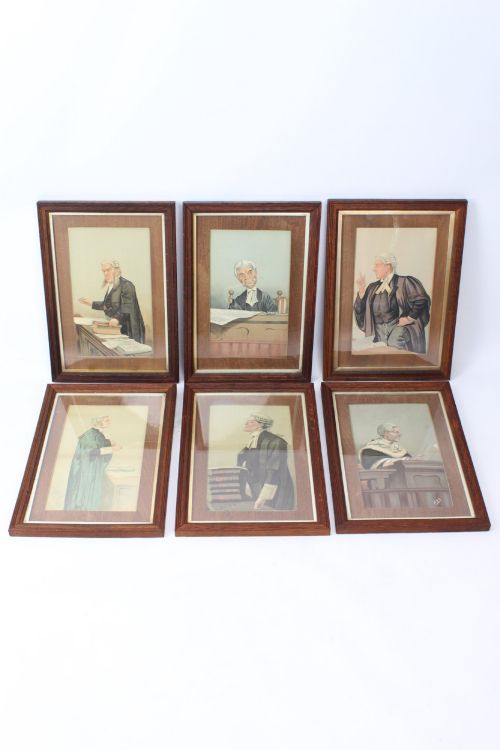
Victorian Art Print
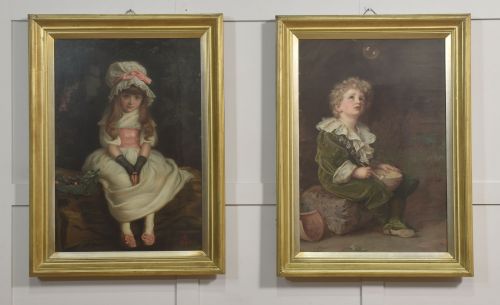
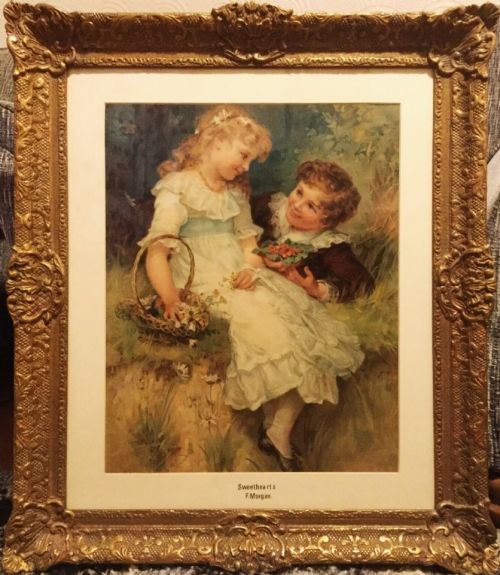
A victorian art print brings nineteenth-century visual culture into a room, offering historic imagery preserved through period printing and painting techniques.
Victorian Art Print
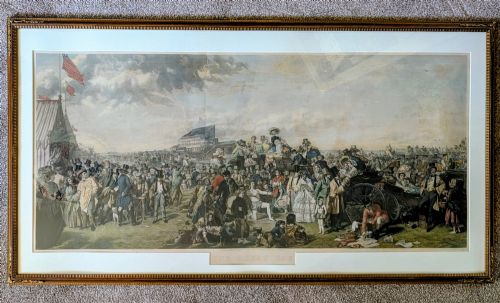
A victorian art print encompasses a wide variety of wall art produced during the nineteenth century and associated eras, including lithographs, engravings, etchings, and photogravures. These works often translate original oil paintings, watercolours, or drawings into reproducible formats for domestic display.
Origins stretch from British publishing houses to continental topographical portfolios, reflecting the diverse visual interests of nineteenth-century collectors and households.
How they were made
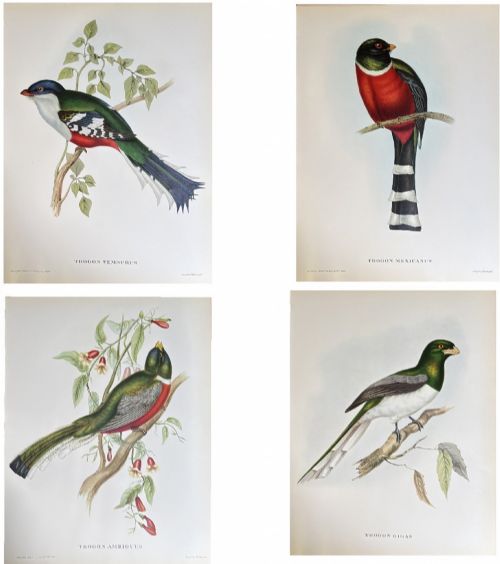
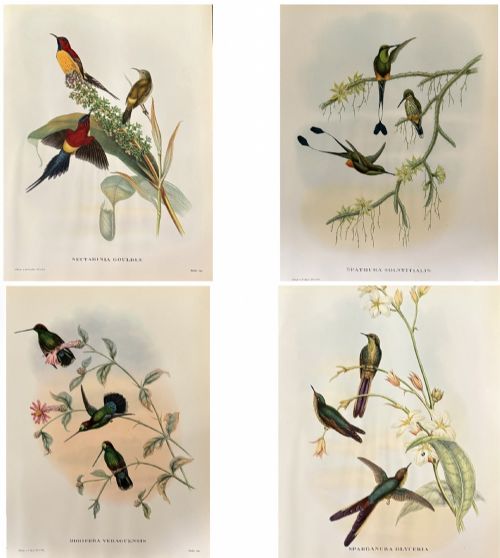
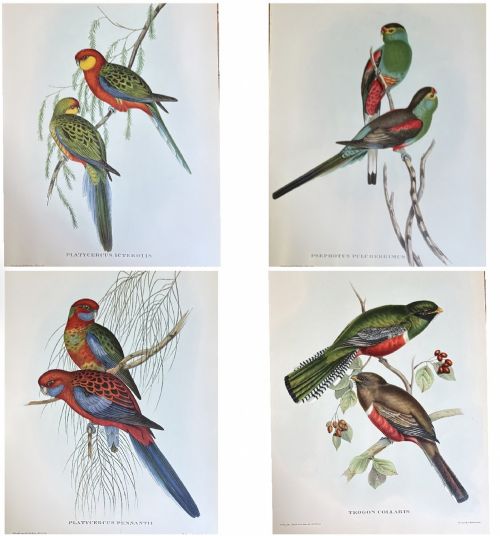
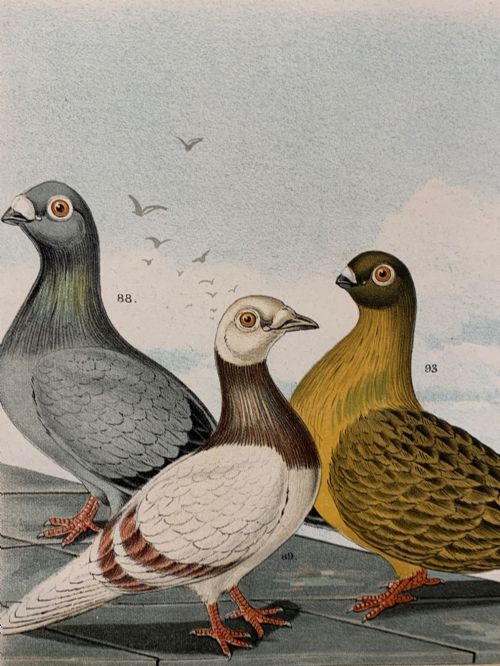
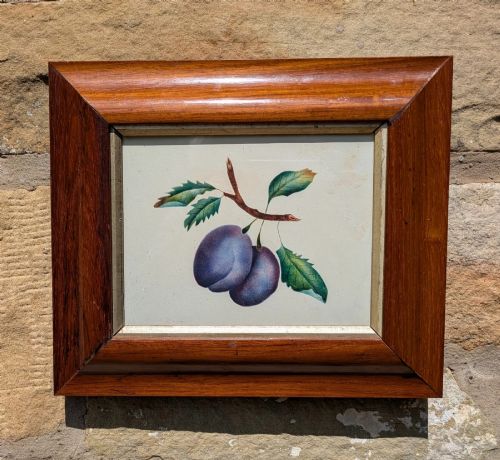
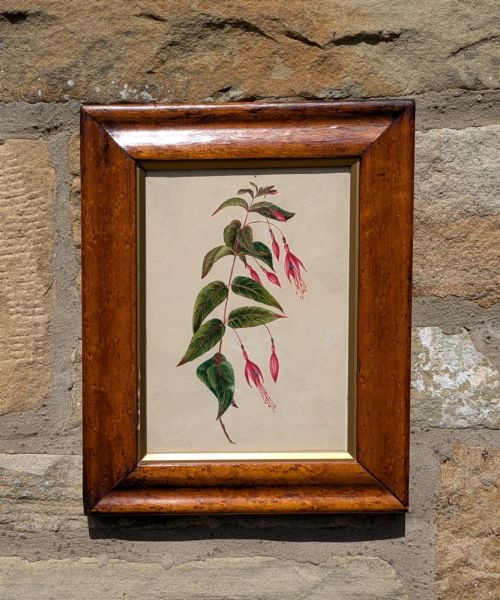
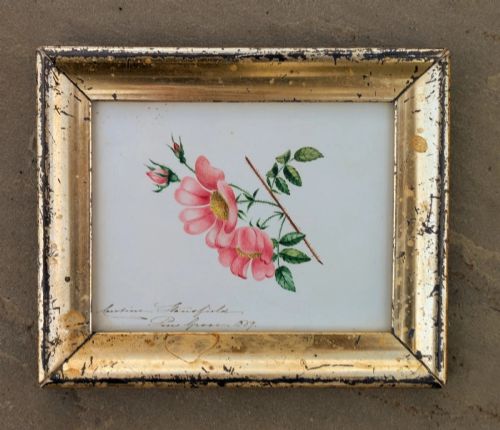
Makers utilised paper as the primary medium, combining it with black or coloured ink through printing methods such as lithography, engraving, and etching. Many sheets received hand-colouring in watercolour to enhance the visual detail of botanical, ornithological, and sporting subjects.
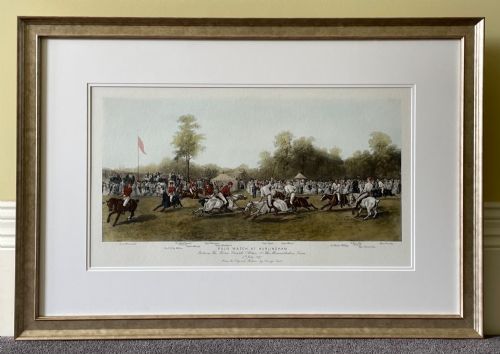
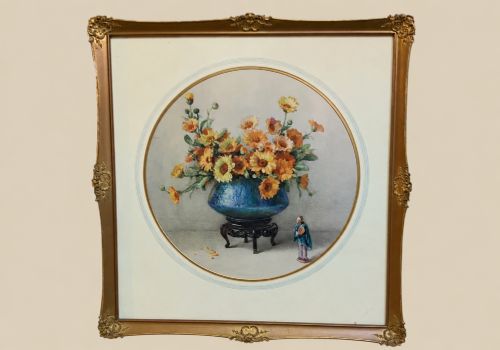
Framing materials played a structural and decorative role, with joiners utilising oak, rosewood, and moulded gilt wood fitted with glass to protect the delicate paper surfaces from environmental damage.
Specialised techniques like photogravure emerged later in the period, translating photographic tones onto metal plates for ink transfer.
Listings demonstrate a strong presence of nineteenth-century paper, ink, and watercolour, framed in period oak, rosewood, and gilt wood.
What varies in quality
Quality rests upon the clarity of the impression and the precision of the plate work, where sharp lines and well-defined ink distribution separate superior print runs from worn or secondary impressions. The presence of artist signatures, proof marks, or early publication dates elevates the standing of an individual sheet.
The integrity of the framing materials also contributes significantly to the overall standard, with original rosewood frames, period hogarth mouldings, and undisturbed backing papers holding greater interest for collectors than later replacements.
Alfred Young Nutt·Frederick Morgans·David Bates·William Powell Frith·Herbert Dicksee·Robert W. Macbeth·David Roberts·Carl Haag·Frederick Walker·George Finch Mason·C. H. Weigall·Herbert Gustave Schmaltz·J. C. Dollman·Phoebus Levin·G. D. Giles·J. W. Carmichael·Thomas Leeson Rowbotham
The Victorian Art Print Glossary
- Lithography
- A planographic printing process based on the repulsion of oil and water, enabling detailed tonal reproduction on paper. This method was widely used for commercial advertising and illustrated plate books.
- Etching
- A printmaking technique where acid bites into unprotected areas of a metal plate to create recessed lines that hold ink. Artists prized this method for its expressive, linear freedom.
- Engraving
- A method of cutting design lines directly into a hard metal plate using a sharp steel tool called a burin. The resulting prints exhibit precise, clean geometry.
- Photogravure
- A photographic printing process that produces rich, continuous tone images through the use of an intaglio copper plate. This technique bridged photography and traditional printmaking.
- Aquatint
- A variant of etching that creates tonal areas resembling watercolour washes by using powdered resin on the metal plate. It became popular for reproducing atmospheric landscape and sporting art.
Victorian Art Print: Frequently Asked Questions
How should I hang these framed prints?
Protect the paper and frame by positioning the piece away from direct sunlight and excessive moisture. Utilise sturdy picture hooks suited to the weight of period wooden frames.
Keep the display at eye level to properly appreciate the fine detail found in nineteenth-century engravings and watercolours.
Were these works originally published in books?
Many plates and prints originated as illustrations within bound volumes, periodicals, or specialised portfolios before being separated and framed independently.
Publishers often issued these works in numbered series or loose sets for collectors to bind or display according to personal taste.
How do I identify the printing technique?
Examine the surface under magnification to spot the dot patterns of modern printing versus the continuous ink lines of hand-pulled engravings or etchings.
Plate marks - the indentations left by the metal plate pressing into the damp paper - often remain visible around the image border in traditional printmaking.
Can I remove prints from their frames?
Leaving historical frames and backing intact preserves the physical context and provenance of the object.
Interfering with original seals or old backing papers can compromise the structural stability of delicate nineteenth-century paper.